



Mid Century British Seascape
A mid century british seascape captures the shifting light and rugged tides of our coastline through the expressive brushwork of twentieth-century painters.
Mid Century British Seascape
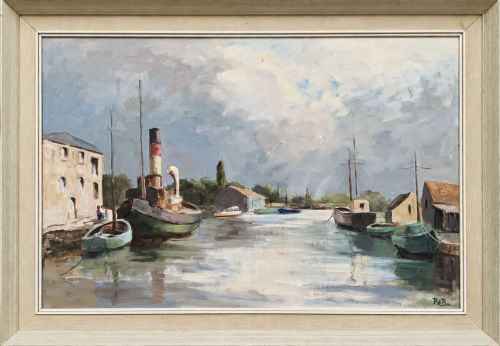
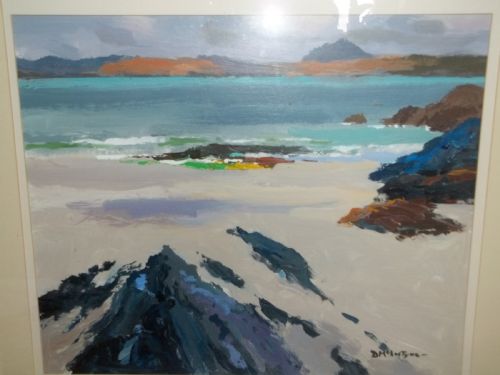
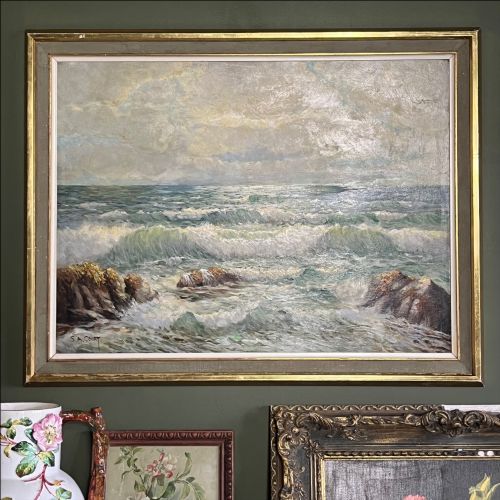
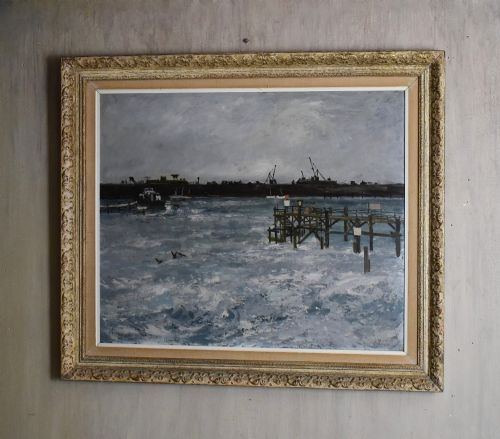
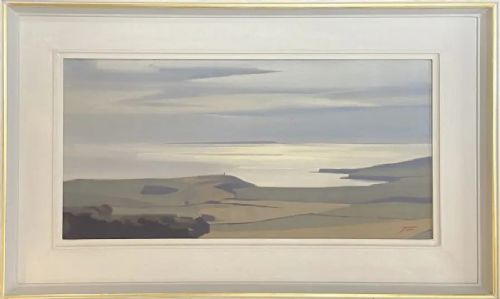
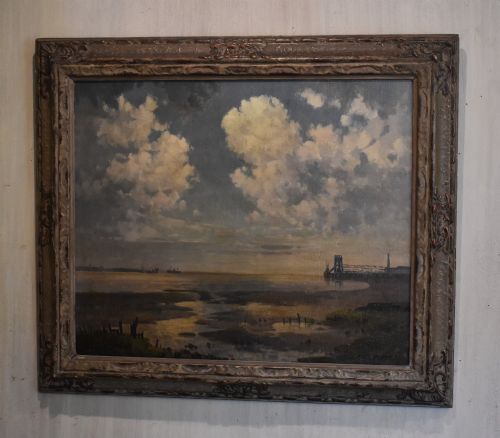
A mid century british seascape brings together coastal landscapes, estuaries, and maritime views produced during the middle decades of the twentieth century. These works capture shorelines from Cornwall to Dorset and Pembrokeshire, reflecting the distinctive topography of the British coast.
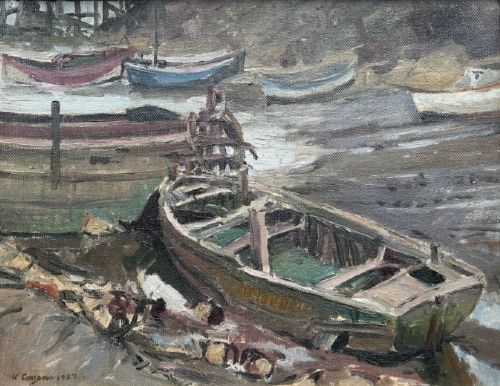
The pieces appearing on this page span from the 1930s through to the 1960s, encompassing styles such as British Impressionism, Modern British, and the Newlyn School. Buyers encounter framed watercolours, gouache on paper, and oil paintings executed on canvas or board.
Compositions range from plein air coastal studies to abstracted sailboats at low tide and moonlit waters. Painters recorded industrial barges on northern rivers alongside tranquil southern bays, demonstrating the varied approaches taken by artists of the period.
What varies in quality
Quality rests in the confidence of the brushwork and the artist's command of light, atmosphere, and spatial depth across the coastal view. Works that convey the specific mood of a tidal estuary or headland demonstrate superior observation compared to generic topographical recordings.
The stability of the medium and the preservation of the original support also distinguish individual pieces, particularly where paper or board has aged. Framing choices that complement the period of the painting further contribute to the overall integrity of the work.
Mid Century British Seascape Retail Price Guide 2026
Typical asking prices for mid century british seascape among the pieces listed under this phrase on Sellingantiques today, from the lower quarter to the upper quarter. They describe what is for sale here now, not the wider market.
Periods represented span from the nineteenth century through the 1930s, 1940s, 1950s, and 1960s.
Kenneth Cozens·Sidney A Court·Clive Browne·Peter Brannan·James Fry·Lionel Horsnell·Helen Layfield Bradley·Edward Seago·Sir William Russell Flint·S J Lamorna Birch·Donald McIntyre
The Mid Century British Seascape Glossary
- Plein air
- Painting outdoors to capture direct observations of natural light and weather. This method defined much of the coastal work produced by artists working along the shoreline.
- Impasto
- Paint applied in thick strokes that stand proud of the canvas or board. It creates a tactile surface that catches light and adds physical depth to the waves or cliffs.
- Gouache
- An opaque water-based paint that dries to a matte finish. It offers strong coverage and was frequently utilised for works on paper during the mid-century period.
- Board
- A rigid wooden or fibrous support used in place of stretched canvas. Painters favoured it for swift outdoor studies because it requires no complex preparation.
Mid Century British Seascape: Frequently Asked Questions
What periods do these seascapes cover?
The works primarily date from the 1930s through to the 1960s, reflecting mid-century approaches to landscape painting. Occasional nineteenth-century examples also appear alongside these twentieth-century pieces.
Artists working across these decades responded to earlier regional traditions while embracing modern British stylistic developments.
Which materials are most common?
Oil paint on canvas and board forms a significant portion of the available selection, accompanied by watercolours and gouache on paper. Wooden and gilt frames frequently accompany these painted supports.
Each medium offers a different textural quality, from the fluid washes of watercolour to the heavier application of oil and impasto.
Where were these coastal scenes painted?
Locations range from Cornish fishing villages and Dorset bays to the estuaries of the Lake District and Pembrokeshire beaches. Artists travelled widely around the British coastline to record specific regional topography.
These settings provided varied subjects, from industrial maritime traffic on northern rivers to quiet southern anchorages.
How should I care for a mid-century painting?
Keep framed works away from direct sunlight and fluctuating humidity to protect both the painted surface and the paper or canvas support. Glazed watercolours require particular attention to prevent moisture accumulation behind the glass.
Dust wooden frames gently with a dry cloth and avoid chemical cleaning agents on the painted areas.