

Mid 20th Century Art
Mid 20th century art encompasses diverse paintings and works on paper that capture the shifting modernist sensibilities of the period.
Mid 20th Century Art
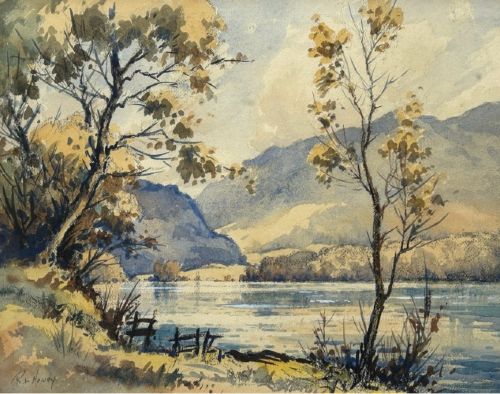
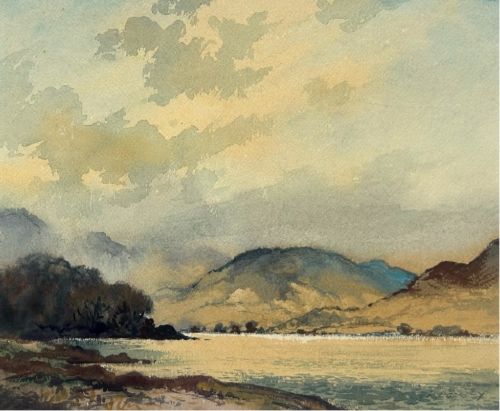
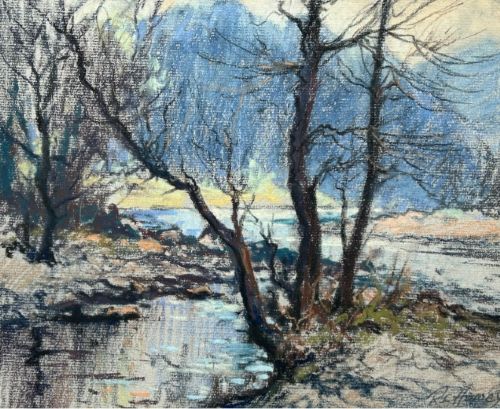
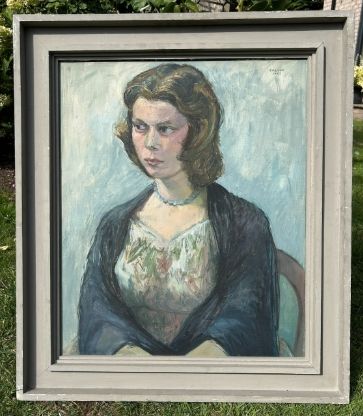
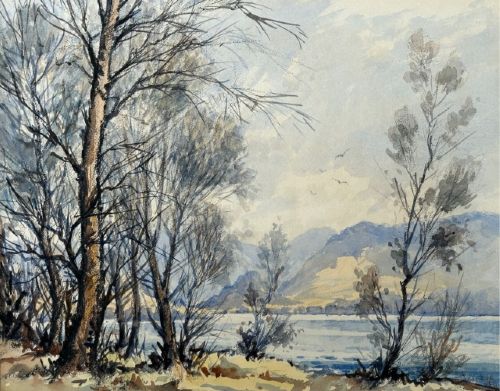
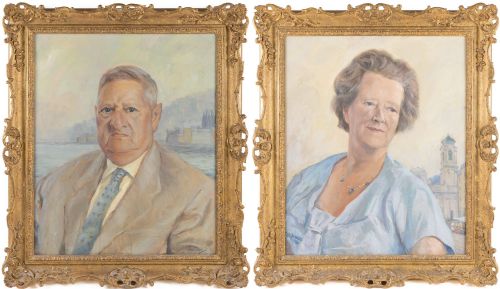
When searching for mid 20th century art, buyers encounter a wide assortment of original paintings, drawings, and prints originating predominantly from the 1930s through to the 1960s. These works range from expressive landscapes and coastal scenes to figurative portraits and abstract compositions.
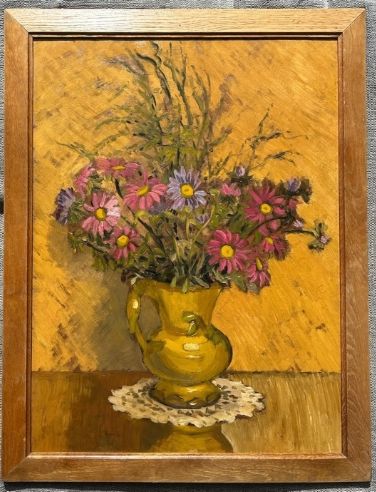
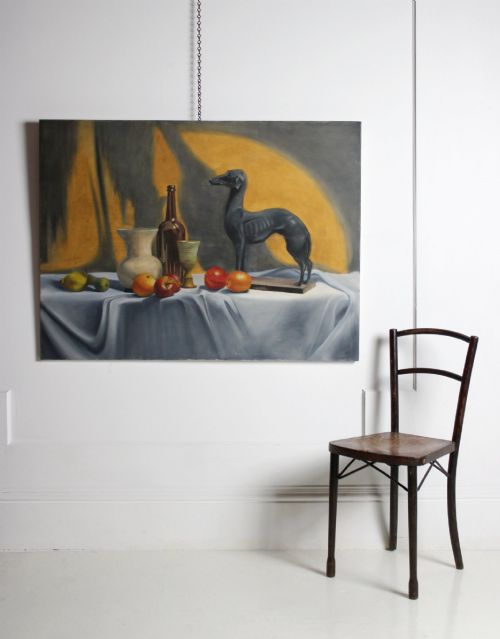
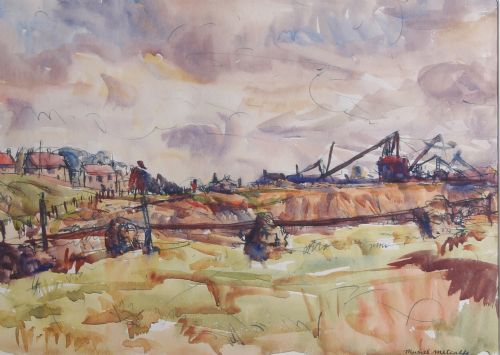
The pieces most frequently met on this page include oil paintings on board or canvas, watercolours, and pastel drawings by both named British artists and the wider British School. Such works reflect the prevalent styles of Mid-Century Modernism and Modern British art.
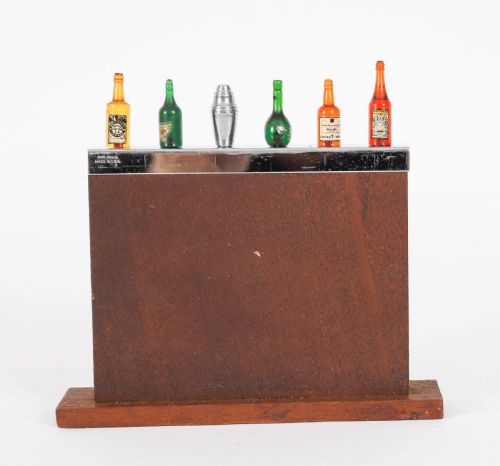
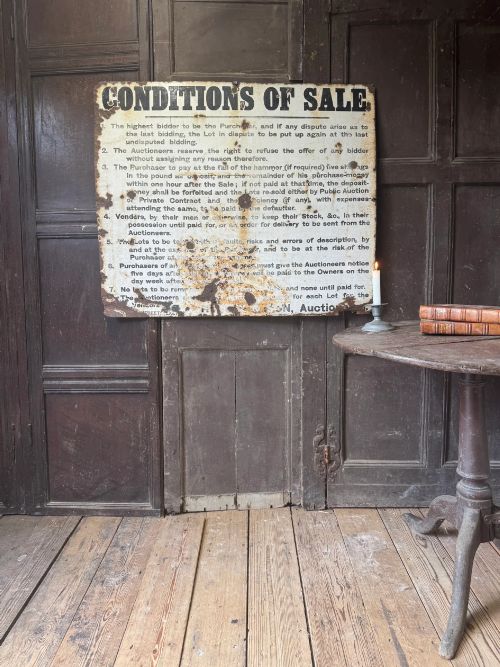
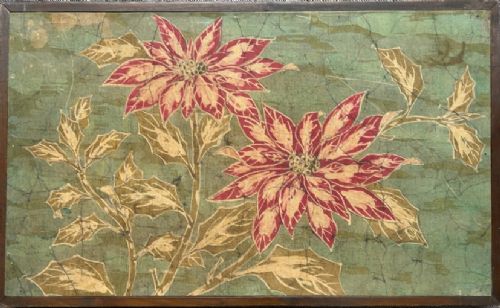
Alongside framed canvases and works on paper, the category occasionally extends to related visual objects such as batik textile art panels and vintage wall signs. These diverse pieces share a distinct mid-century aesthetic that suits contemporary interior spaces.
Assessing Quality
Quality within mid 20th century art rests upon the sureness of the artist's hand, compositional strength, and the vitality of the brushwork or line. Works that demonstrate a confident command of colour and tone stand apart from more formulaic student or amateur efforts.
The preservation of the medium, whether oil, watercolour, or pastel, influences the visual impact of the piece. Superior examples retain their original vibrancy and surface integrity without destabilising retouching or distracting substrate damage.
Primary painting supports recorded here include canvas, wood, board, and paper.
Kenneth Cozens·Robert Leslie Howey·Fred Lawson·Philip Naviasky·Arthur Delaney
The Mid 20th Century Art Glossary
- Impasto
- Paint applied thickly to a canvas or board so that it stands out from the surface. This technique introduces a tactile, three-dimensional quality to the painted strokes.
- Board
- A rigid flat substrate used instead of canvas for painting. Artists frequently utilised artist board or wooden panels during the mid-century period due to material availability.
- Gouache
- An opaque water-based paint that dries to a matte finish. It allows for solid areas of colour and precise detail in works on paper.
- Provenance
- The documented history of ownership of an artwork. A clear provenance helps establish authenticity and attribution to a listed artist.
Mid 20th Century Art: Frequently Asked Questions
What defines mid 20th century art?
This category covers creative works produced roughly between the 1930s and 1960s, encompassing oils, watercolours, and drawings. The style draws on modernist and traditional British art movements of the era.
Pieces range from regional landscapes and coastal scenes to portraits and abstracts, reflecting diverse artistic approaches during decades of significant cultural change.
How do I identify watercolours from oil paintings?
Oil paintings utilise slow-drying paint with an oil binder, usually displayed on stretched canvas, board, or wood panels with visible texture and brush relief. Watercolours use water-soluble pigments on paper under glass.
Watercolours present a translucent, fluid appearance where the white of the paper often illuminates the composition, unlike the opaque layers typical of oil.
How should I frame and display these artworks?
Artworks on paper require conservation mounting behind glass to protect them from moisture and ultraviolet light degradation. Canvases and board paintings generally need breathable framing without direct glass contact.
Position pieces away from direct sunlight and damp environments to preserve the stability of the canvas, board, or paper supports over time.
How do I recognise Northern School paintings?
Northern School works typically depict industrial towns, street scenes, coastal villages, and local characters using earthy palettes and direct observation. Artists from this regional tradition focused on everyday northern life.
Signatures or exhibition labels often provide attribution, while the distinctive subject matter captures the atmosphere of northern English landscapes and communities.