


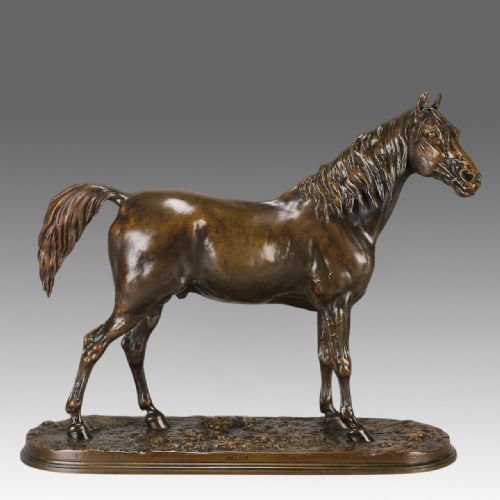


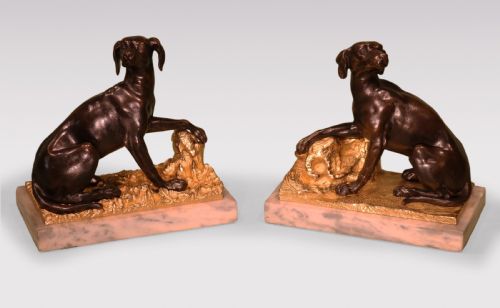
Mid 19th Century Statue
A mid 19th century statue brings Victorian presence and classical foundry work into a room.
Mid 19th Century Statue
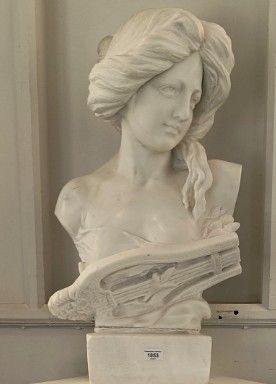
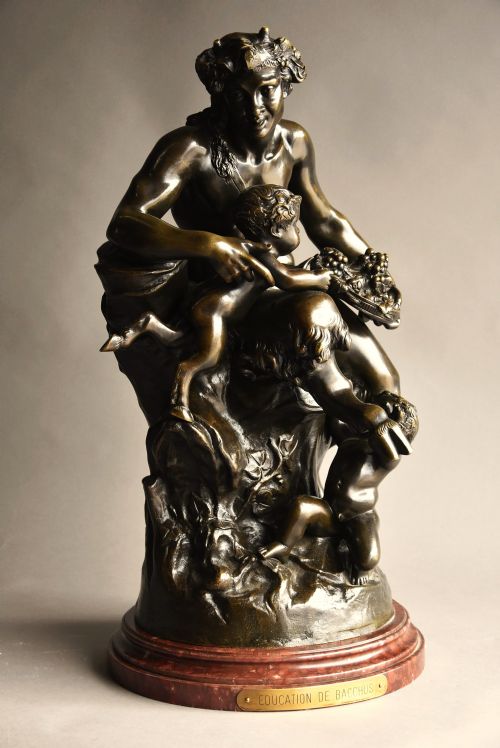
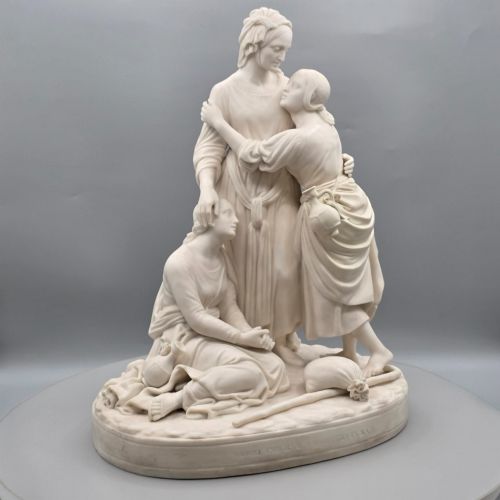
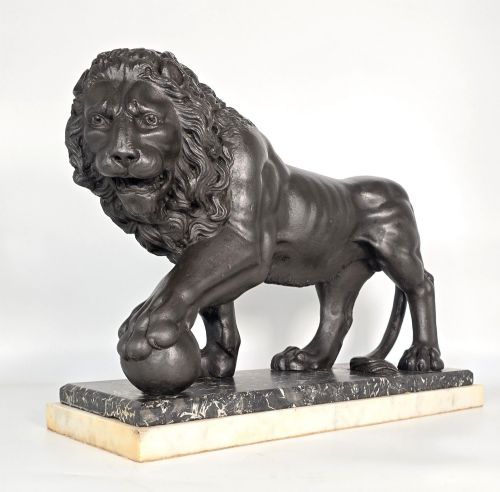
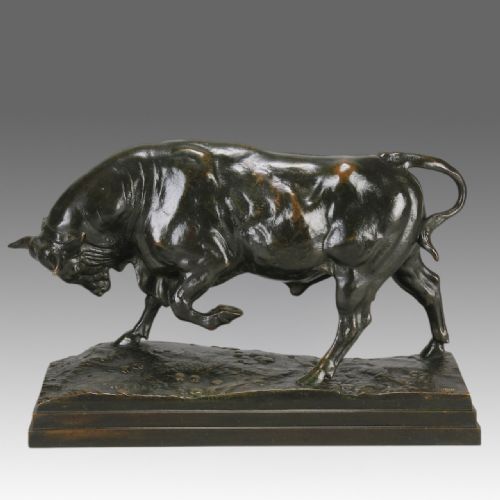
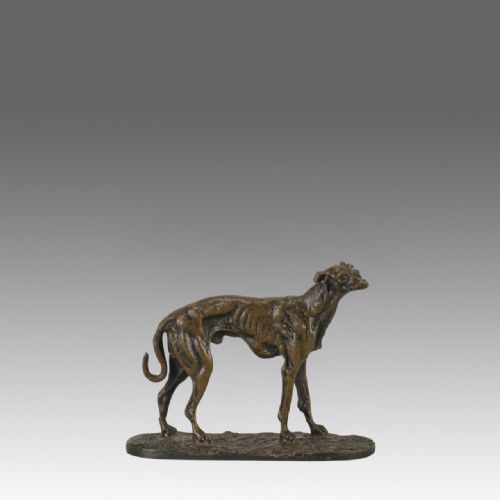
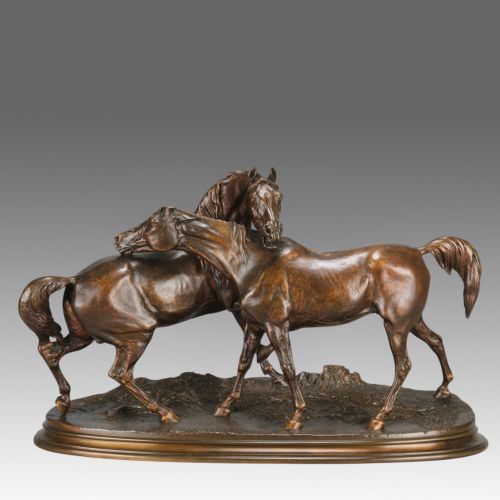
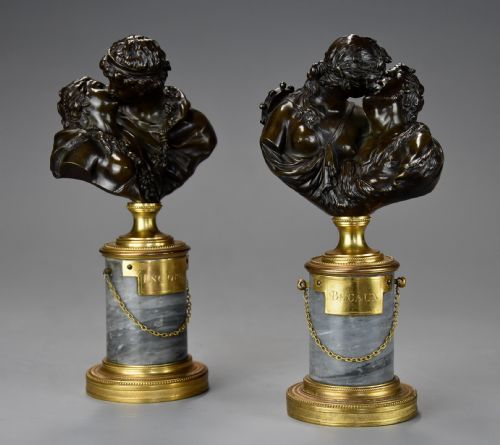
A mid 19th century statue encompasses a diverse array of nineteenth-century sculpture, including figural groups, busts, and animal studies. These pieces originate predominantly from British and French workshops working within Victorian, Neoclassical, and Animalier traditions.
Grand Tour subjects and mythological figures dominate the heavier bronze and marble categories. Smaller domestic spaces typically receive ceramic figures or miniature bronzes.
Distinctions in execution and finish
The definition of the cast separates superior bronzes from weaker examples, particularly in the rendering of musculature and fur in Animalier subjects. Finer patination and crisp chasing distinguish works produced directly by prominent foundries.
Mid 19th Century Statue Retail Price Guide 2026
Typical asking prices for mid 19th century statue among the pieces listed under this phrase on Sellingantiques today, from the lower quarter to the upper quarter. They describe what is for sale here now, not the wider market.
Listings feature works from the 1850s, 1860s, and 1870s, executed in bronze, marble, porcelain, boxwood, and oak.
Claude Michel Clodian·P J Mêne·Antoine Louis Barye·Jean Antoine Houdon·François Christophe Armand Toussaint·Minton·Copeland·Royal Worcester·Kerr And Binns
The Mid 19th Century Statue Glossary
- Animalier
- A nineteenth-century artistic focus on the realistic portrayal of animals, particularly in bronze. French sculptors popularised this genre across the period.
- Parian porcelain
- A fine, unglazed ceramic material resembling carved marble, widely utilised for Victorian figures and literary groups. It takes its name from Parian marble.
- Grand Tour
- A traditional trip through Europe undertaken by upper-class young men to collect classical art and antiquities. Miniature bronzes and marble busts served as souvenirs.
- Ormolu
- Gilt bronze ornaments applied to furniture, clocks, or sculptures. The technique involves the application of a mercury-gold amalgam to base metal.
- Patination
- The surface coloration and texture developed naturally over time or applied chemically to bronze and other metals. It protects the underlying material while enhancing visual depth.
Mid 19th Century Statue: Frequently Asked Questions
What defines a mid 19th century statue?
These sculptures originate from the middle decades of the nineteenth century, capturing Victorian taste, classical revivalism, and the European Animalier movement.
They reflect the period's industrial capability in metal casting alongside traditional hand-carving in stone and wood.
Where were these statues displayed originally?
Larger bronze groups and marble busts populated the libraries, halls, and drawing rooms of Victorian townhouses and country estates.
Smaller porcelain figures and cabinet bronzes occupied mantelpieces, side tables, and specialised display cabinets.
How do I care for nineteenth-century bronze?
Keep metal sculptures away from direct heat sources and moisture to preserve the original patination and prevent surface corrosion.
Dust gently with a soft, dry cloth and avoid applying modern chemical polishes or oils.
How do I distinguish Parian porcelain from marble?
Parian porcelain possesses a smooth, vitrified ceramic surface without the crystalline grain structure visible in natural stone.
Weight and temperature also offer clues, as marble feels considerably heavier and cooler to the touch than ceramic.