



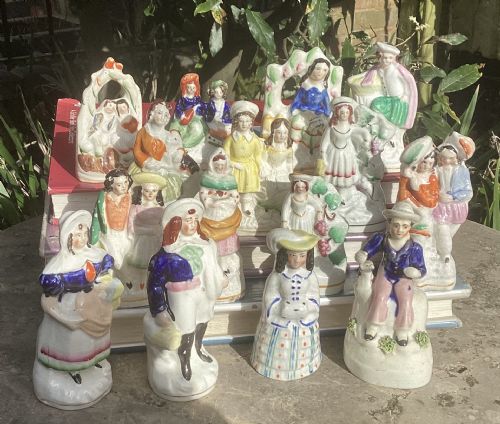
Mid 19th Century Pottery
Mid 19th century pottery brings robust Victorian character and domestic utility straight to your table, spanning from cellar labels to cheerful chimney figures.
Mid 19th Century Pottery
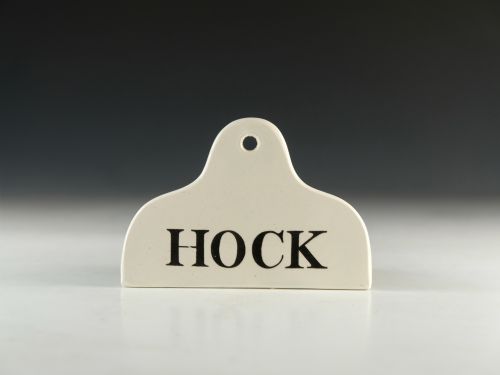
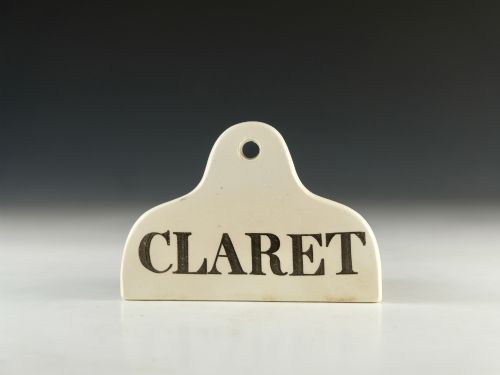
Mid 19th century pottery encompasses a diverse selection of utilitarian wine cellar accessories and decorative mantelpiece ornaments created during the Victorian era. When searching for mid 19th century pottery, buyers encounter practical items such as glazed earthenware bin labels alongside ornamental Staffordshire figures and miniature furniture.
The objects originate primarily from English potteries, with specific examples drawing upon Dutch Delftware traditions and Victorian Chinoiserie styles. These pieces capture the domestic habits and decorative tastes of the mid-nineteenth century in durable ceramic form.
Most pieces date between eighteen fifty and eighteen eighty, reflecting the industrial expansion and popular decorative arts of the period. Collectors find both functional cellar markers and expressive figurines representing notable figures and animals.
Materials and methods
Potters of this era relied heavily upon earthenware, creamware, and stoneware as the foundational bodies for both utilitarian objects and decorative figures. Lead glazes and enamel paints provided protective surfaces as well as the colourful finishes seen on painted plates and figurative groups.
Moulding and hand-painting techniques worked in tandem to produce patterned plates, miniature furniture, and portrait figures like those depicting Napoleon III and Eugenie. Transfer-printing and careful brushwork allowed workshops to supply both mass-market ornaments and detailed pictorial wares.
The documented objects span wine cellar accessories, decorative plates, miniature furniture, and portrait figures dated up to eighteen eighty.
Evaluating craftsmanship and condition
Quality in these ceramics rests upon the crispness of the moulding and the precision of the hand-painted enamel decoration. Finer examples retain bright, unrubbed enamel paint and sharp relief details on figures and bin labels alike.
The uniformity of the glaze and the stability of the earthenware body also distinguish superior items from standard domestic wares. Pieces that maintain their original polychrome pigments and structural integrity without heavy restoration represent the better end of the spectrum.
Thomas Parr·John Ridgway
The Mid 19th Century Pottery Glossary
- Earthenware
- A porous pottery body fired at lower temperatures, requiring a vitreous glaze to ensure it holds liquids or resists staining. It forms the basis of many nineteenth-century figures and utilitarian items.
- Creamware
- A refined, light-coloured earthenware developed in England during the eighteenth century and widely produced into the Victorian era. Its warm, pale yellow tone provides a smooth ground for painted decoration.
- Lead glaze
- A glossy coating containing lead compounds applied to pottery before a final firing to create a waterproof, glass-like finish. It gives many Victorian earthenwares their characteristic shine.
- Staffordshire
- A generic term for pottery produced in the cluster of towns in Staffordshire, England, famous for domestic figures and utilitarian wares. These works include greyhounds, spaniels, and historical portrait groups.
- Bin label
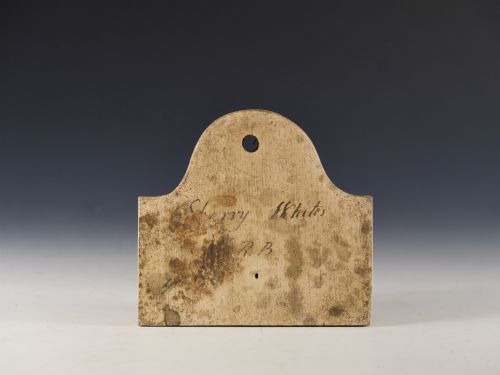
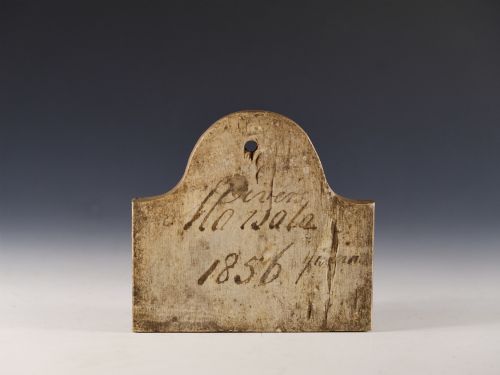
- A small ceramic plaque used in wine cellars to identify specific vintages or types of wine on storage racks. They feature bold lettering painted or glazed onto earthenware bodies.
Mid 19th Century Pottery: Frequently Asked Questions
How do I identify Staffordshire pottery figures?
Staffordshire figures typically depict animals, historical personages, or literary scenes modelled in earthenware and finished with hand-painted enamel colours. They were designed as decorative mantelpiece ornaments for Victorian parlours.
Common subjects include pairs of dogs, political leaders, and miniature furniture pieces, often characterised by bright surface pigments and moulded details.
Where were these ceramics manufactured?
The majority of these pieces originated in English manufacturing centres, particularly the Staffordshire potteries which dominated domestic production. Other examples reflect specialised regional styles such as Dutch Delftware traditions.
Production during this period relied on established factory systems alongside smaller specialised workshops creating specific domestic goods.
How should I display pottery from this era?
Displaying these ceramics involves placing them in stable environments away from direct sunlight to protect enamel paints and lead glazes. Figures and plates suit mantelpieces, cabinets, or dedicated shelving.
Bin labels can be displayed flat or mounted within collections, celebrating their original function as practical cellar accessories.