


Pewter Lid Jug
These pewter lid jug selections bring together sturdy tavern measures and decorative earthenware pourers topped with metal covers.
Pewter Lid Jug
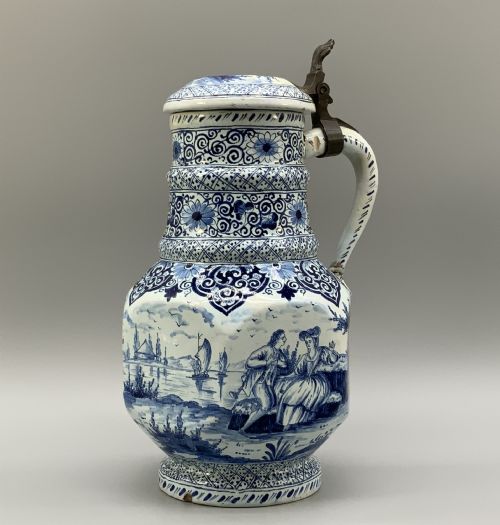
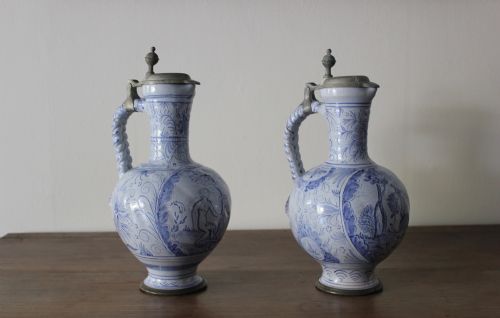
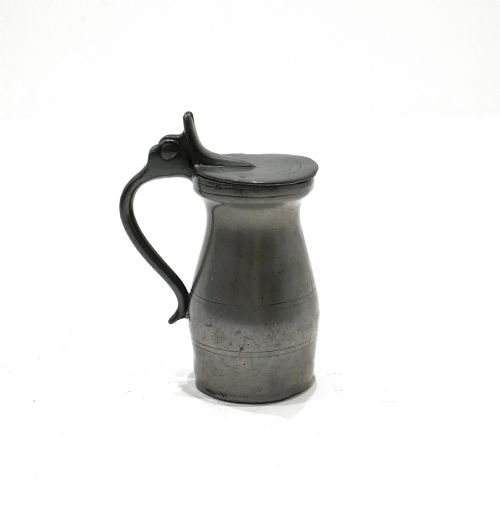
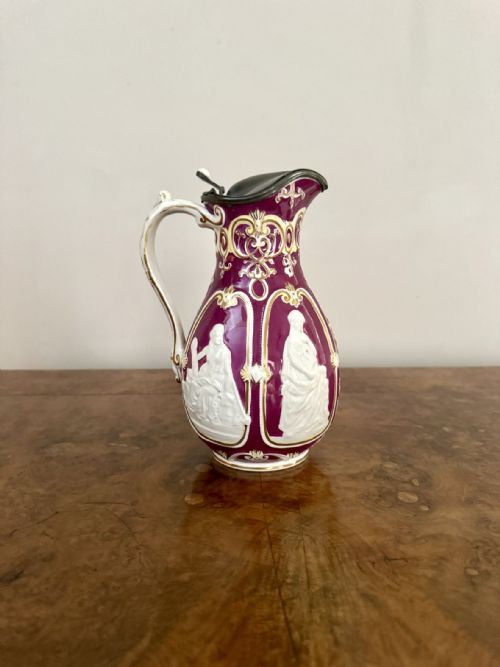
When you search for a pewter lid jug, you encounter a diverse group of drinking vessels spanning the eighteenth and nineteenth centuries. These pieces encompass utilitarian spirit measures, tall church flagons, and ceramic pitchers fitted with metal hinges.
The ceramic examples often feature tin-glazed earthenware, stoneware, or porcelain bodies originating from Dutch, English, and German workshops. Metal versions showcase traditional British and Channel Islands metalworking traditions.
You are most likely to meet substantial English and Scottish spirit measures alongside Dutch Delftware pitchers on this page. These diverse forms reflect both domestic hospitality and tavern service across multiple centuries.
Materials and construction
The metal components rely on traditional pewter casting and soldering techniques, attaching secure flat or domed lids to body chambers via sturdy hinges. Metal alloys contain distinct proportions of tin, which determine the heft and surface finish of each measure.
Ceramic bodies utilise earthenware, salt-glazed stoneware, and tin-glazed compositions shaped on the wheel or pressed into relief moulds. Potters apply polychrome glazes or blue and white pigments before firing the vessels to achieve durable glazed surfaces.
Assessing quality and craftsmanship
The distinction between standard utility items and finer examples rests upon the crispness of touchmarks, hallmarks, and relief-moulded details. Sharp casting lines on pewter and well-defined painted or moulded motifs on ceramic bodies indicate superior craftsmanship.
Proportion and structural integrity also separate exceptional vessels from ordinary ones, particularly where metal lids meet ceramic or metal collars smoothly. The weight and balance of a vessel during handling reveal the care invested by the original maker.
John Heaney·Robert Iles·Charles Meigh·John De St Croix
The Pewter Lid Jug Glossary
- Flagon
- A large drinking vessel with a handle and lid, frequently utilised for church services or communal ale consumption. These pieces often display substantial capacity measurements.
- Spirit measure
- A standardised container used in taverns for dispensing precise volumes of alcohol. Examples range from half gills to full pints.
- Tappit hen
- A traditional Scottish shape of pewter drinking vessel featuring a distinct tappit or lid and a bulbous body. This form typically held specific Scottish liquid volumes.
- Tin-glazed earthenware
- Pottery covered with a tin-opacified glaze that provides a white, smooth background for painted decoration. Dutch Delftware represents a prominent application of this technique.
- Salt glaze
- A vitreous glaze formed by throwing common salt into the kiln during high-temperature firing. This process creates a textured, pebbled surface on stoneware bodies.
Pewter Lid Jug: Frequently Asked Questions
What were pewter lid jugs used for?
These vessels served primarily for storing, measuring, and serving alcoholic beverages such as ale, beer, and spirits in homes and taverns. Larger flagons also fulfilled ceremonial roles within church settings.
The hinged lids helped keep contents covered and protected from debris while passing between drinkers at the table or tavern counter.
How do I identify eighteenth century pieces?
Eighteenth-century examples often display specific touchmarks, early capacity stamps, and simpler, heavier pewter casting styles without nineteenth-century ornamentation.
Examining the wear patterns, hinge construction, and underlying ceramic bodies helps separate earlier items from Victorian reproductions or later revivals.
Are these jugs safe for daily use?
While many metal and ceramic vessels remain physically robust, antique pewter may contain historical lead content depending on the alloy composition. Modern collectors generally display these items rather than utilising them for consumption.
Earthenware and stoneware variants with intact glazes present fewer material concerns, though age-related hairline cracks still warrant careful handling.
How should I clean antique metal lids?
Gentle dusting with a soft, dry cloth is usually sufficient to maintain the patinated surface of older metalwork. Aggressive metal polishes can strip historical surface appearance and remove valuable touchmarks.
Harsh chemical cleaners should be avoided entirely to preserve the natural oxidation built up over centuries.