
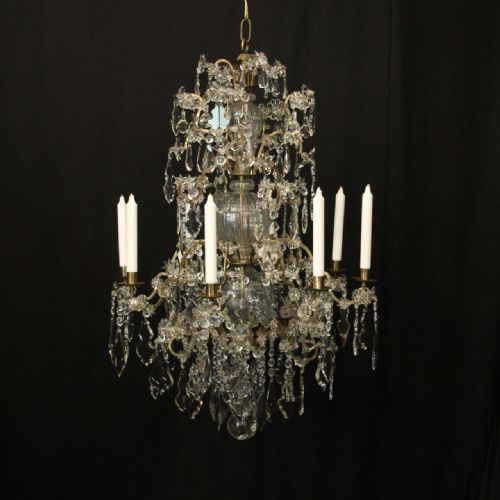


Mid 19th Century Bronze
Mid 19th century bronze brings together animal figures, classical subjects and decorative fittings shaped by French and Victorian workshops.
Mid 19th Century Bronze
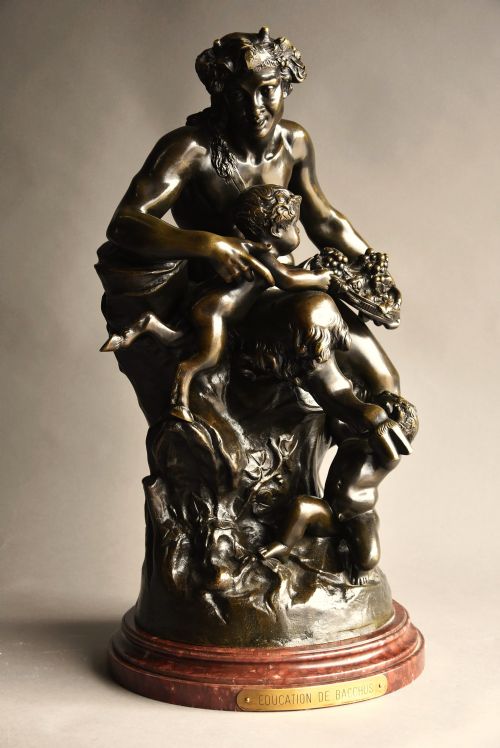
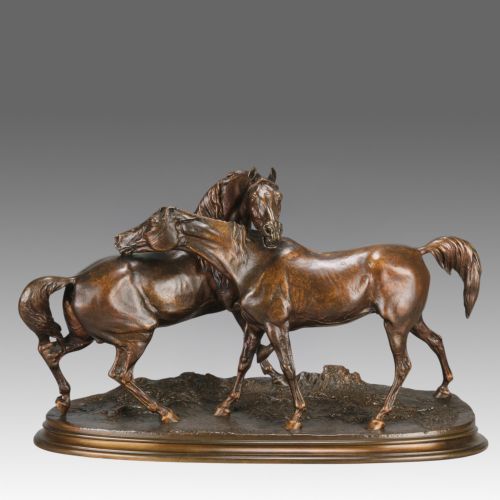
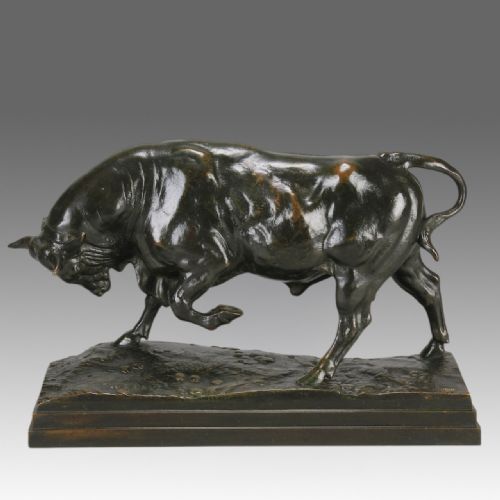
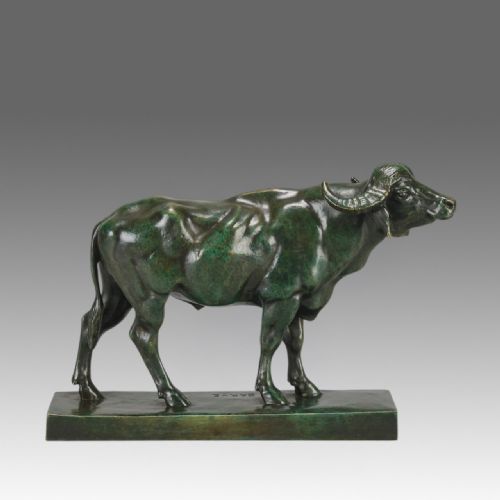
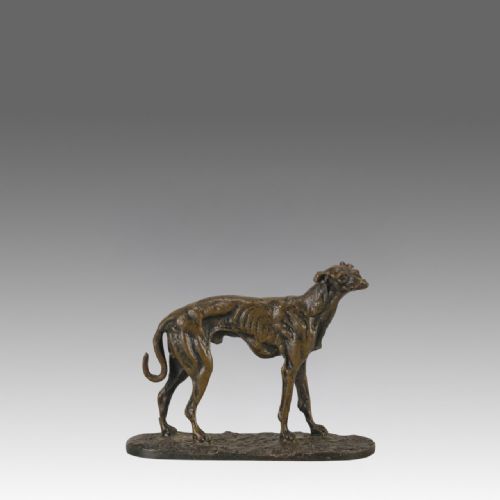
When searching for mid 19th century bronze, buyers encounter a diverse selection of decorative and sculptural objects originating predominantly from French and British workshops. The category encompasses everything from intricate animalier sculptures and Grand Tour mythological figures to functional lighting, clocks and large furniture mounts.
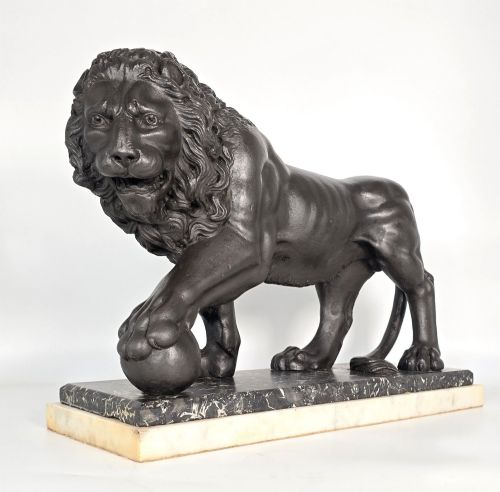
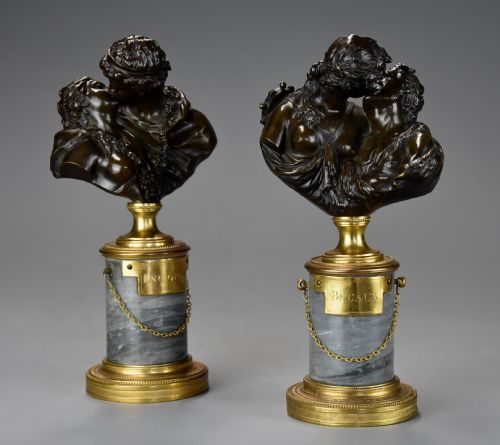
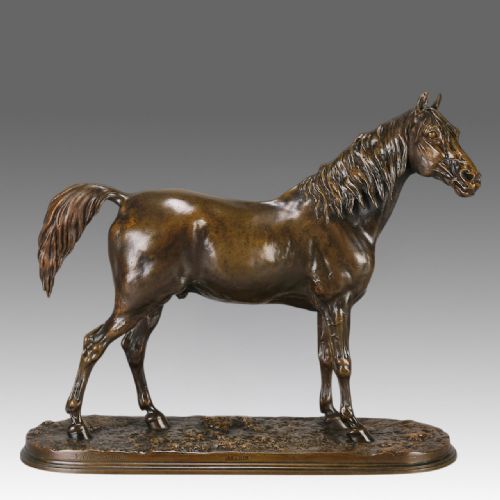
Sculptural works form a substantial portion of the available pieces, frequently depicting naturalistic animals, historical subjects or classical antiquities. These are commonly joined by household items such as candelabra, chandeliers, mantel clocks and desk accessories cast during the Victorian and Second Empire periods.
How they were made
The objects were produced primarily through traditional metal casting methods, utilising copper and tin alloys to create durable forms. Foundries often combined patinated bronze with gilded highlights or separate ormolu mounts to add textural contrast and visual depth.
Many sculptural pieces and decorative vessels were finished with hand-chiselling and patination to accentuate anatomical details or surface patterns. Elements like marble bases, glass shades and wooden carcases frequently accompanied the metalwork to complete larger furniture and lighting pieces.
Mid 19th Century Bronze Retail Price Guide 2026
Typical asking prices for mid 19th century bronze among the pieces listed under this phrase on Sellingantiques today, from the lower quarter to the upper quarter. They describe what is for sale here now, not the wider market.
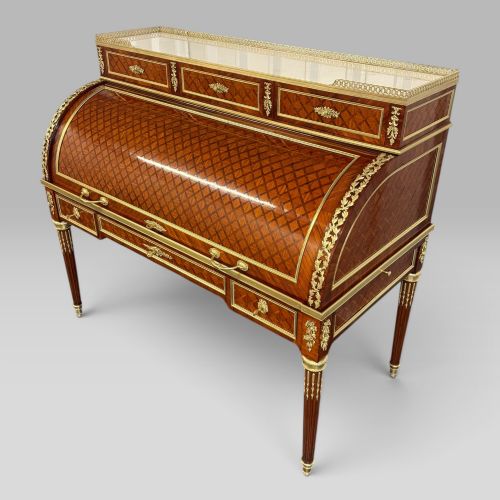
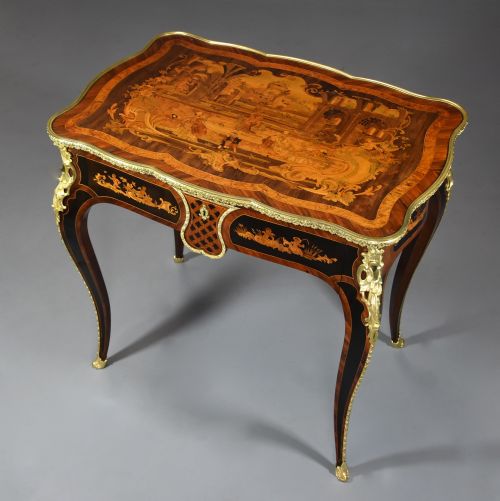
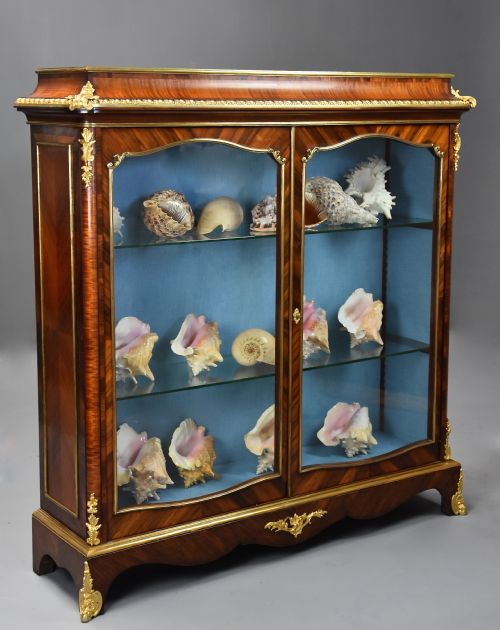
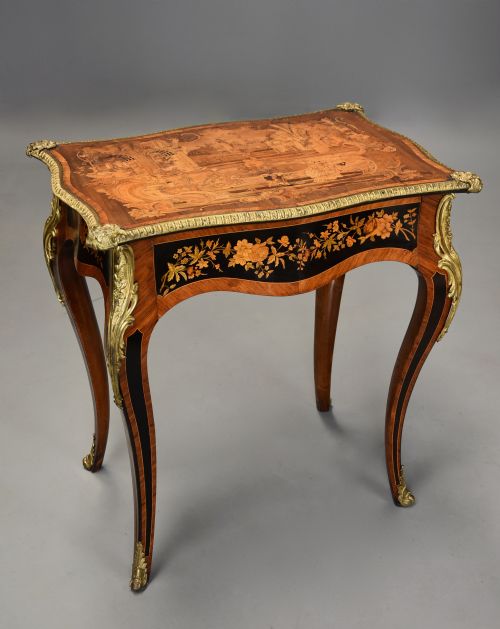
Listings feature materials such as bronze, ormolu, marble, glass and kingwood applied to sculptures, clocks and tables.
What varies in quality
The standard of a piece depends heavily on the crispness of the initial cast and the precision of the subsequent chasing work. Superior items retain sharp anatomical lines, clear signatures and well-defined facial expressions without smoothing or softening from worn moulds.
Material integration also dictates overall execution, particularly in composite works pairing bronze with ormolu, marble or carved wood. Better examples demonstrate seamless joins, consistent gilding tone and high-grade secondary materials that complement the central metal casting.
P J Mêne·Antoine Louis Barye·Isidore Jules Bonheur·Charles Frodsham·Eugene Cornu
The Mid 19th Century Bronze Glossary
- Animalier
- A nineteenth-century artistic style focusing on the realistic depiction of animals, particularly in motion or repose. Sculptors in this genre studied live subjects extensively in menageries.
- Ormolu
- Gilded bronze achieved by applying a gold-mercury amalgam to a bronze base, producing a rich golden surface finish. This technique was widely utilised for decorative mounts on furniture and clocks.
- Grand Tour
- A traditional trip through Europe undertaken by young upper-class men to absorb classical culture and art. Souvenirs included small bronze reductions of famous antique sculptures.
- Patinated bronze
- Metal treated with chemical solutions to create a controlled surface colour ranging from deep brown to green. This coating protects the underlying alloy while enhancing sculptural depth.
Mid 19th Century Bronze: Frequently Asked Questions
What is an animalier bronze?
Animalier bronzes are nineteenth-century sculptures focusing on realistic representations of animals, often depicting wild beasts or domestic dogs in dynamic poses.
These pieces reflect a period of intense interest in natural history and zoology across European artistic circles.
How do I identify Grand Tour bronzes?
Grand Tour bronzes are typically smaller reductions of famous classical statues or architectural ruins collected by travellers in Italy.
They frequently display dark patination and are mounted on marble plinths or bases.
What is the difference between bronze and ormolu?
Bronze is a copper alloy used for the structural casting of figures and vessels, while ormolu specifically refers to gilded bronze elements.
Ormolu mounts were frequently added to furniture and clocks to provide bright golden accents against darker woods.
Where were most of these bronzes made?
A significant portion of the recorded pieces originated in French foundries, particularly in Paris, which was a major centre for artistic casting.
British workshops and Victorian manufacturers also produced substantial quantities of domestic hardware and lighting.