




Metalwork Animal Figurine
A metalwork animal figurine brings the character of beasts into a room through the lasting weight of bronze, brass, and mixed metals.
Metalwork Animal Figurine
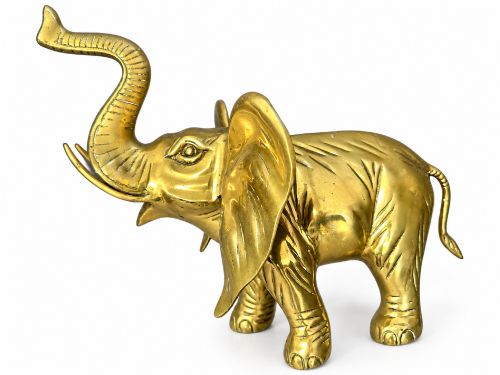
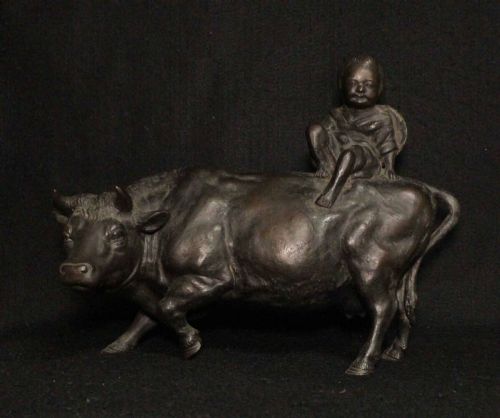
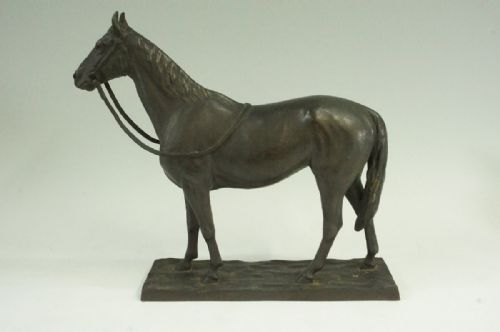
You are most likely to meet Japanese Meiji period bronzes depicting animals such as elephants, horses, and puppies. These pieces often originate from late nineteenth and early twentieth century workshops.
Alongside Japanese works, the listings include Indian brass elephant sculptures and European spelter figures from the Art Deco era. Each form demonstrates the distinct sculptural traditions of its origin.
Materials and construction
Cast bronze and brass form the structural core of the majority of these animal figures, providing durability and substantial heft. Makers utilised copper and spelter in specific periods to achieve varied surface tones and lighter forms.
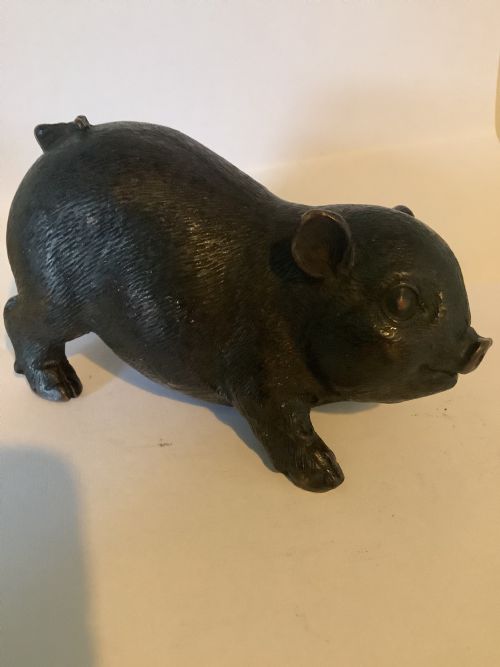
Surface decoration frequently incorporates gold inlay and mixed metals to highlight anatomical details and texture. Artisans employed traditional casting methods to capture the natural postures of subjects from monkeys to bulldogs.
Metalwork Animal Figurine Retail Price Guide 2026
Typical asking prices for metalwork animal figurine among the pieces listed under this phrase on Sellingantiques today, from the lower quarter to the upper quarter. They describe what is for sale here now, not the wider market.
Subjects range from domestic French bulldogs and puppies to exotic elephants and scholarly monkeys.
Distinctions in quality
The precision of the casting and the crispness of surface detail differentiate standard production from finer sculptural work. Sculptures that capture nuanced musculature and lifelike expressions demonstrate superior artisan skill.
The integrity of the patina and the subtlety of mixed-metal highlights indicate the care taken during finishing. Well-preserved surfaces retain their original tonal depth without distracting wear.
Kunio Itô·C Masson
The Metalwork Animal Figurine Glossary
- Okimono
- A Japanese freestanding ornament intended for display in a tokonoma or on a shelf. These carvings and metal castings portray animals and figures with great naturalism.
- Spelter
- An alloy of zinc and lead often used as a substitute for bronze. It frequently receives a bronze-like finish to imitate costlier metalwork.
- Patina
- The surface coloration and sheen developed naturally over time or through chemical treatment. It adds depth to the metal body of a sculpture.
- Meiji Period
- The era in Japanese history spanning from eighteen sixty-eight to nineteen twelve. Metalwork from this time is noted for technical mastery in bronze casting.
Metalwork Animal Figurine: Frequently Asked Questions
How do I care for bronze figures?
Bronze animal figures require minimal maintenance to preserve their surfaces. Dust them gently with a soft, dry cloth without applying harsh cleaning agents.
Keeping them away from excessive moisture protects the underlying metal and historic patina.
What is spelter?
Spelter is a zinc-based alloy utilised as an economical alternative to bronze. It allows for detailed casting while remaining lighter in overall weight.
Many Art Deco animal figures utilise this material beneath a patinated surface layer.
How are Japanese Meiji bronzes dated?
Dating relies on stylistic markers, casting techniques, and occasionally artist signatures or foundry marks. The Meiji period spans a specific era of rapid modernization in Japanese metalworking.
Examining the patina and construction style helps connect a piece to this timeframe.