



Metal Wall Lamps
These metal wall lamps span Victorian carriage lanterns to Art Deco chrome sconces, offering period illumination for any interior.
Metal Wall Lamps
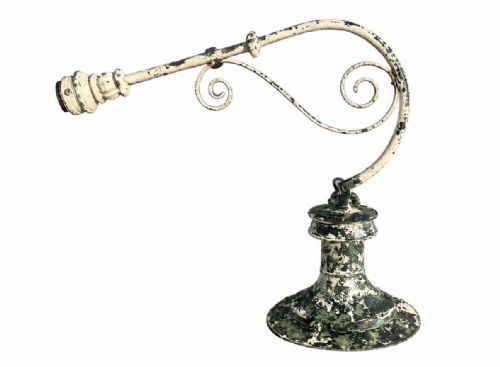
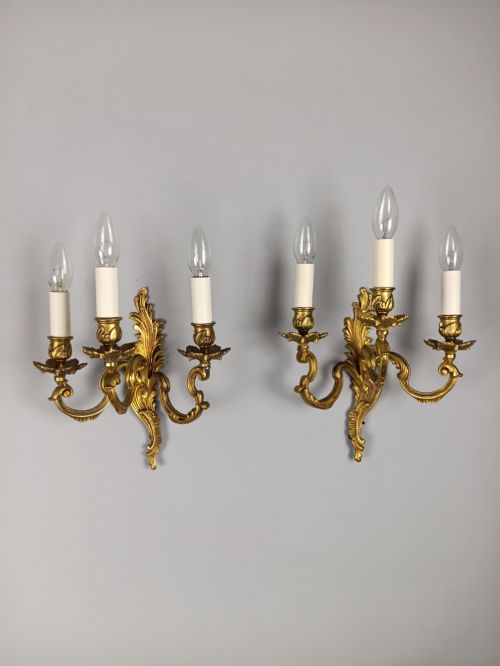
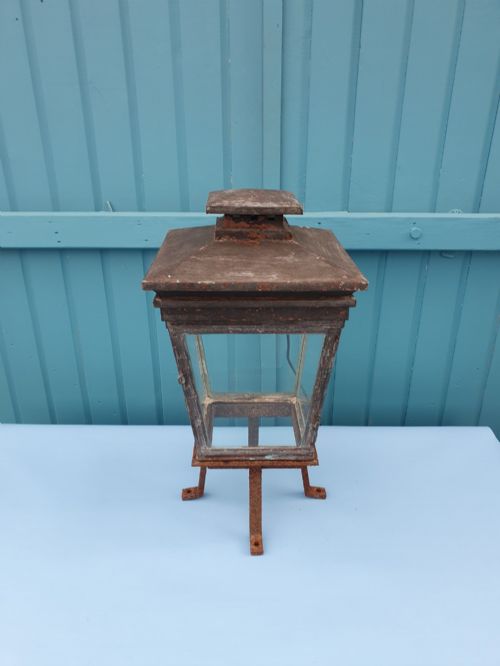
Metal wall lamps encompass functional and decorative lighting fixtures designed to mount directly onto vertical surfaces, drawing from periods spanning the nineteenth century through the early twentieth century. Buyers exploring metal wall lamps encounter diverse forms including exterior lanterns, coaching lamps, bouillotte lights, and multi-armed sconces.
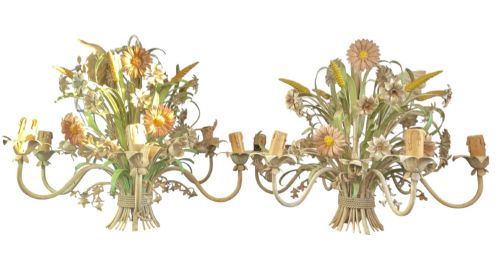
French examples emerge frequently across the selection, often taking the form of gilded brass, bronze, or toleware twin and triple-arm fixtures reflecting Rococo, Classical, and Arts and Crafts styles. English and Victorian variations are also well represented, particularly through heavy copper and wrought iron lanterns or carriage lamps.
What varies in quality
Quality separates in the precision of the metal casting and the crispness of applied surface details, such as the chasing on gilded bronze or the hand-beating on copper elements. Pieces originating from dedicated French workshops often exhibit more complex sculptural forms, including multi-armed configurations and detailed cherub motifs.
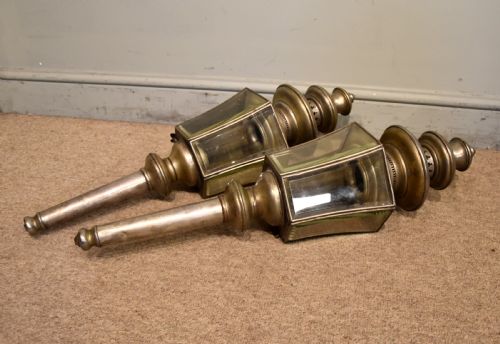
The integrity of original materials heavily influences value, particularly the survival of genuine gilding, undamaged glass panels, and unaltered structural mounts. Utilitarian items like coaching lamps and exterior lanterns vary according to the sturdiness of their heavy iron and brass framing, reflecting their original outdoor service demands.
Metal Wall Lamps Retail Price Guide 2026
Typical asking prices for metal wall lamps among the pieces listed under this phrase on Sellingantiques today, from the lower quarter to the upper quarter. They describe what is for sale here now, not the wider market.
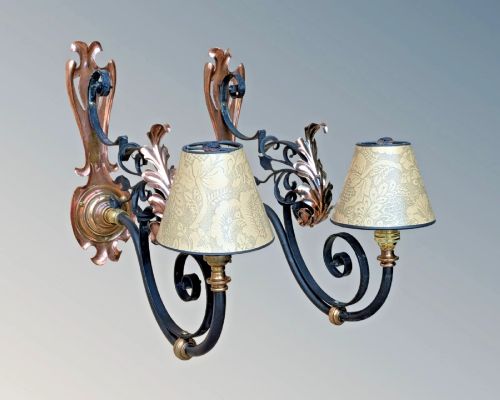
Arts and Crafts pieces emphasise wrought iron and hand-finished copper, contrasting sharply with the streamlined chrome typical of Art Deco designs.
The Metal Wall Lamps Glossary
- Sconce
- A wall-mounted lighting fixture designed to hold candles or electric bulbs, often featuring decorative brackets or arms. These fixtures frequently use backplates to reflect light into the room.
- Toleware
- Painted or lacquered metalware, typically tin or steel, often finished in deep green or other colours. It appears commonly on nineteenth-century bouillotte lamps and shades.
- Ormolu
- Gilded bronze, where a finely ground gold-mercury amalgam is applied to a bronze base and heated. This technique creates a rich, durable golden finish seen on decorative French wall lights.
- Coach lamp
- A specialised exterior lantern originally mounted to horse-drawn carriages to illuminate the road ahead. These heavy glass and metal pieces translate well to rustic interior or entryway installations.
- Rococo Revival
- A nineteenth-century design style characterised by ornate, asymmetrical scrolls, shell motifs, and naturalistic plant forms. Wall lights in this style display elaborate, flowing metal arms.
Metal Wall Lamps: Frequently Asked Questions
How do I wire an antique metal wall lamp?
Most period metal wall lamps require modern internal rewiring to meet current safety standards while preserving the original exterior hardware.
Professional electricians can safely run modern flex through existing channels or backplates without altering the visible antique metalwork.
Can exterior lanterns be used outside today?
Many copper and iron lanterns originate from exterior or carriage use and tolerate sheltered outdoor placement if sealed properly.
Weatherproofing depends on the condition of the metal housing and whether existing glass panels are securely glazed against moisture.
How do I date a brass wall light?
Dating relies on stylistic clues like the symmetry of Art Deco chrome or the organic scrolls of Arts and Crafts wrought iron.
Manufacturing marks, screw types, and construction methods such as hand-chasing versus modern machine stamping also help narrow the production era.
Are pairs of wall sconces hard to find?
Matched pairs appear regularly in Victorian and twentieth-century French lighting, intended for placement flanking mirrors or fireplaces.
Single fixtures occur more frequently among heavier utility lanterns and specialised coaching lights.