





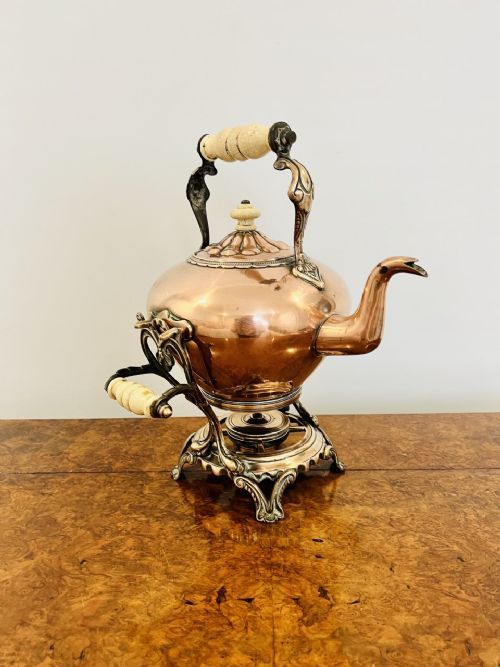
Metal Urn on Stand
A metal urn on stand brings a sculptural focal point to a room or garden, combining functional vessels with elevated mounting.
Metal Urn on Stand
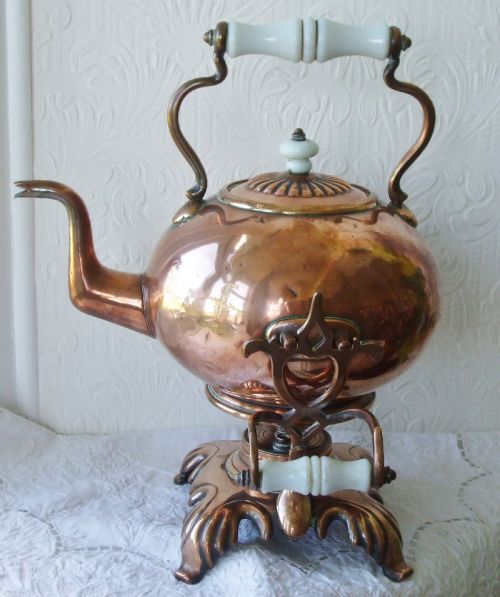
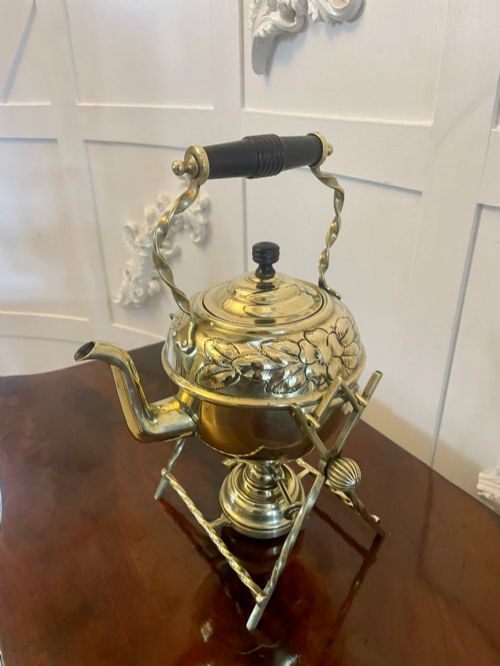
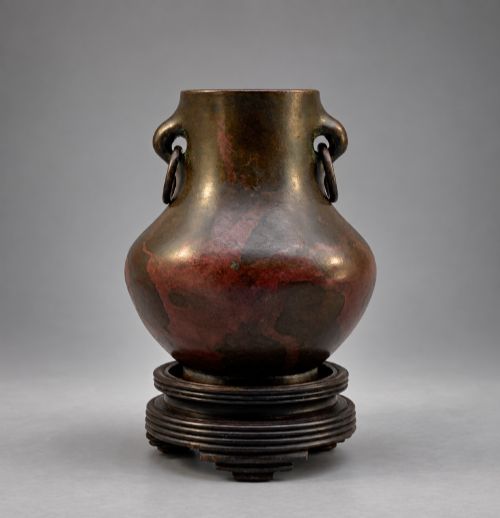
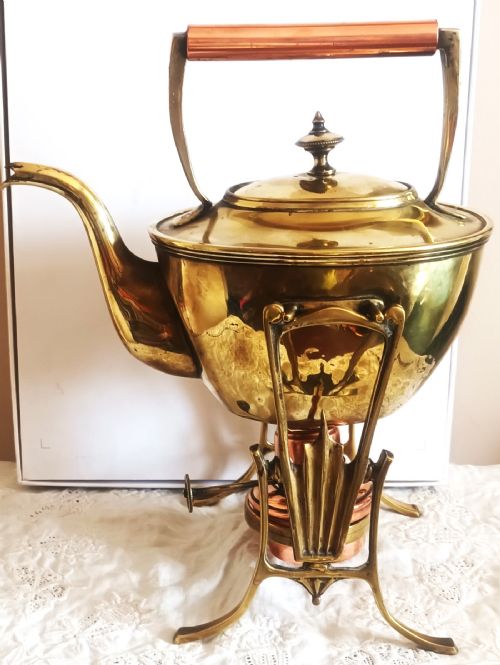
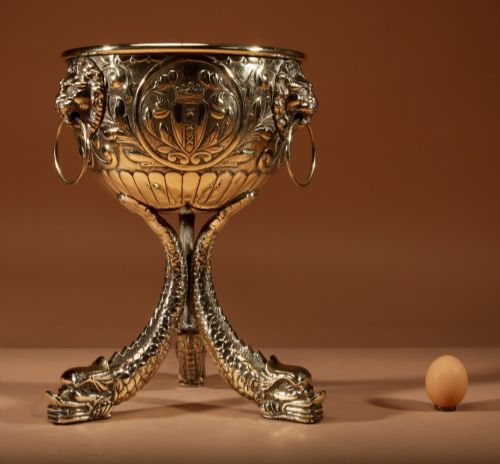
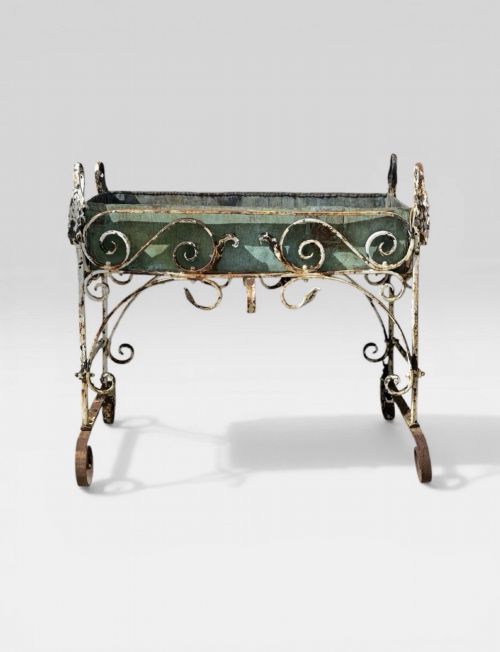
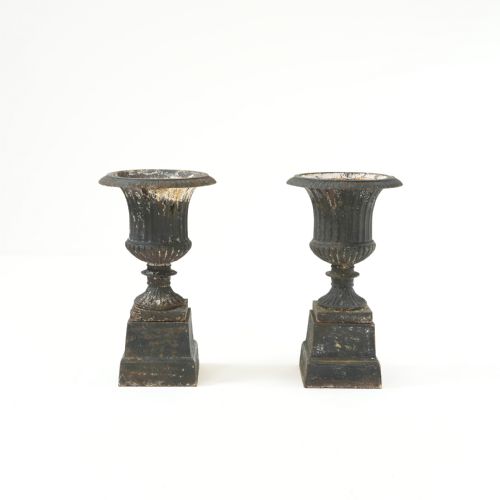
Domestic forms often include spirit kettles in brass and copper, sometimes associated with makers such as William Soutter & Sons, alongside dinanderie brass jardinieres and bronze vases from Meiji period Japan or Qing dynasty China. Garden variants lean towards heavy cast iron campana urns and French wrought iron planters intended for patios and terraces.
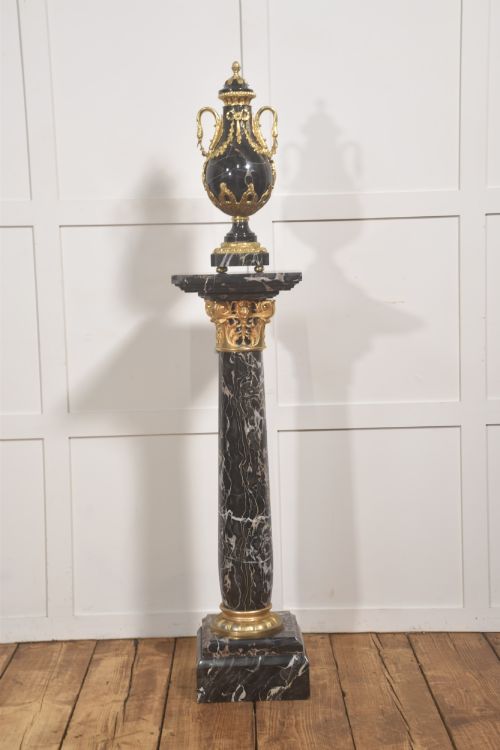
Stylistic influences stretch across Neoclassical, Louis XVI style, Gothic, and Arts and Crafts traditions. You will find black marble pedestals with gilt-metal mounts alongside simpler wooden or iron supports holding heavy bronze and copper bodies.
Materials and construction methods
These pieces rely heavily on cast and spun metals, principally brass, copper, bronze, cast iron, and wrought iron. Makers utilised casting for heavy garden campana urns and bronze vases, while sheet brass and copper were beaten, embossed, or pressed to form lighter vessels like spirit kettles and jardinieres.
Stands and pedestals combine complementary materials such as original iron frames, carved wood, and black marble with gilt-metal mounts. Enamel and paint appear on specific decorative items, notably in Chinese cloisonné work and pressed brass surfaces.
Metal Urn on Stand Retail Price Guide 2026
Typical asking prices for metal urn on stand among the pieces listed under this phrase on Sellingantiques today, from the lower quarter to the upper quarter. They describe what is for sale here now, not the wider market.
Listings feature 19th century and early 20th century pieces, encompassing Victorian, Edwardian, Arts and Crafts, and Neoclassical styles in brass, copper, bronze, and cast iron.
Assessing quality in metal urns and stands
Quality rests upon the weight of the metal, the crispness of the casting or embossing, and the integrity of the pairing between vessel and stand. Superior examples display deep, deliberate chasing, clean casting seams, and sturdy supports that bear the vessel without wobble.
The relationship between the urn and its stand dictates visual success; period-correct pairings maintain harmonious proportions and matching patination. Finer domestic kettles include complete burner assemblies, while garden urns show robust weathering that enhances the texture of the cast iron.
William Soutter & Sons
The Metal Urn on Stand Glossary
- Campana urn
- A bell-shaped garden vessel with an everted rim, commonly cast in iron or bronze for classical display.
- Dinanderie
- An umbrella term for objects made of hammered or brass-wrought alloy, typically associated with decorative domestic vessels and jardinieres.
- Spirit kettle
- A water vessel mounted on a metal stand above a small spirit burner for table-top service.
- Archaistic
- A decorative style that deliberately imitates ancient forms and motifs, often seen in Chinese bronze vases.
- Cloisonne
- Enamelling technique where thin metal wires form compartments on a metal base to hold coloured glass paste.
Metal Urn on Stand: Frequently Asked Questions
What is a spirit kettle on a stand?
A spirit kettle is a metal water vessel suspended over a small burner, designed to keep water hot at the tea table. The accompanying metal stand holds the heating element safely beneath the pot.
These pieces frequently date to the Victorian and Edwardian eras, combining brass or copper construction with decorative legs and handles.
How do I use a garden urn on a plinth?
Cast iron and wrought iron garden urns on stands serve as focal points for patios, lawns, and formal pathways. They function as planters for seasonal floral displays or architectural greenery.
Ensure the stand rests on a level stone or paved surface to distribute the substantial weight safely outdoors.
How can I distinguish Japanese bronze from Chinese bronze?
Meiji period Japanese bronzes often feature distinct patination and crisp, naturalistic bird or floral motifs. Qing dynasty pieces frequently lean towards archaistic vessel shapes and ritual forms. Nineteeth-century pieces from both regions demonstrate exceptional casting skill, though stylistic cues point clearly to their respective origins.
Can indoor metal urns be used outside?
Indoor pieces like brass spirit kettles and copper jardinieres are not treated to withstand prolonged exposure to moisture and frost. Using them outdoors risks damaging the fine patination, metal joins, and associated wooden or marble elements.
Keep delicate brass and copper items inside, reserving cast iron and heavy wrought iron urns for garden environments.