


Metal Tripod Pot
A metal tripod pot is a sturdy vessel raised on three feet, bringing history and utility together in cast bronze, brass, or iron.
Metal Tripod Pot
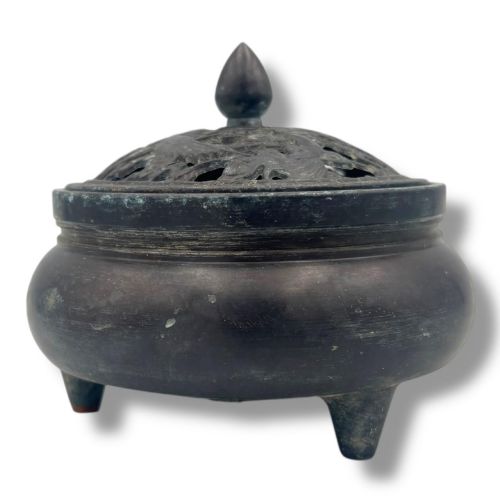
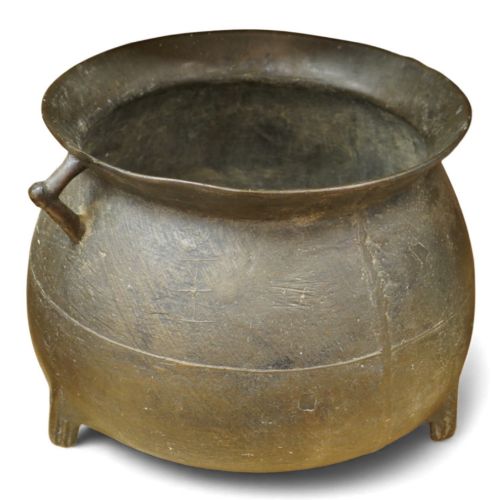
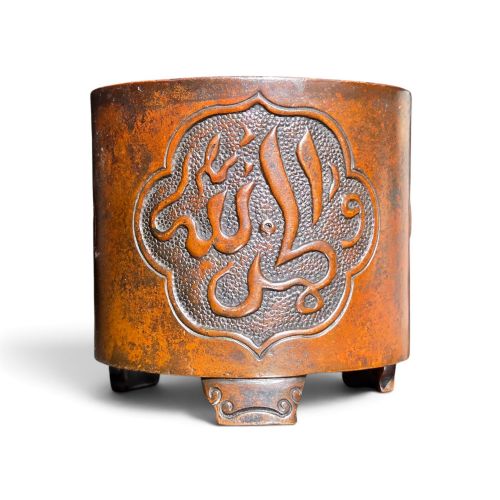
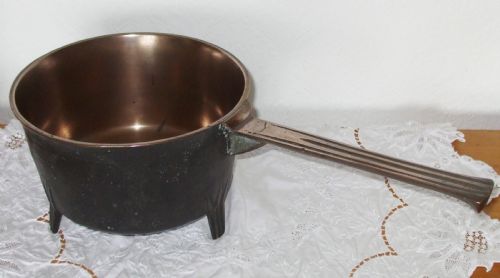
When you search for a metal tripod pot, you encounter an array of historical kitchenware, hearth cookware, and ritual items standing on three feet. These vessels bridge the domestic and the ceremonial, taking the form of heavy cauldrons, skillets, posnets, and lidded incense burners.
The pieces you are most likely to meet on this page span several centuries, originating from English and Continental domestic workshops as well as Chinese dynasties. They range from utilitarian hearth ironmongery to finely cast scholar's studio censers bearing reign marks.
Domestic examples often serve as kitchenalia or fireside cookware, while Oriental bronzes and cloisonné jars function as decorative or ritual incense burners. Each version rests upon three integral legs, designed to stand stable over embers or upon a flat surface.
How they were made
These vessels rely on traditional casting techniques, utilising molten metals poured into moulds to form thick walls and integral feet. Casters employed bronze, brass, iron, leaded bronze, and copper alloy to achieve durability across centuries of use.
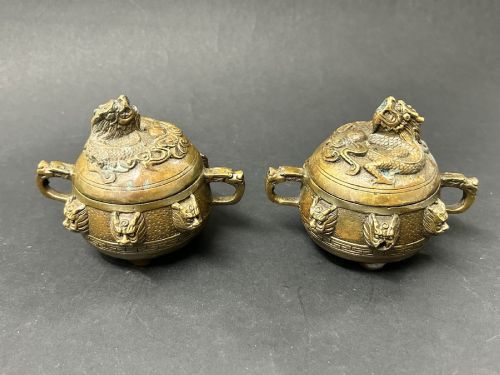
Surface decoration and finishing involved meticulous hand-detailing, from the incising of dragon and mask handles to the application of cloisonné enamel wires and vibrant colour infills. Certain examples incorporate cast-in marks or contrasting wooden stands, such as contemporary zitan wood, to complete the object.
Some miniature censers weigh a mere fraction, proving that ancient scholars also appreciated pocket-sized dragon art.
What varies in quality
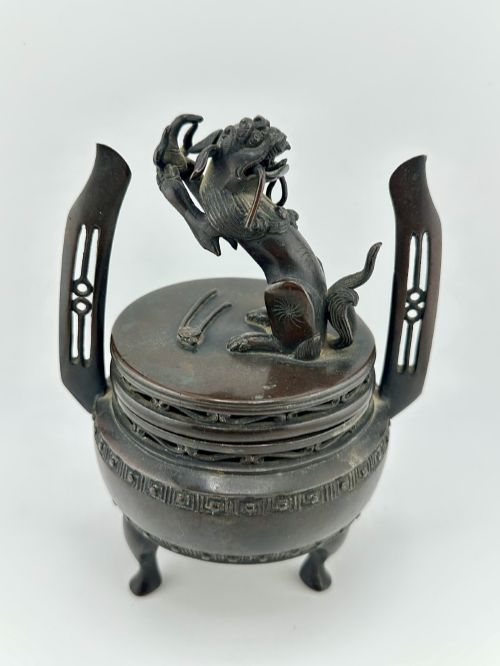
Quality rests in the crispness of the casting and the proportional balance of the three legs supporting the body. Finer pieces display sharply rendered details, such as dragon phoenix lids, qilin finials, or deeply struck marks, whereas coarser items show utilitarian roughness.
The material composition and patination also distinguish the work, with dense leaded bronzes and rich, undisturbed surfaces commanding greater appreciation. The integration of specialised decorative elements, such as intricate cloisonne enamel work, elevates the standard of craftsmanship.
The Metal Tripod Pot Glossary
- Cauldron
- A large metal pot with a rounded base and three feet, traditionally used for cooking over an open fire. These heavy vessels often display the marks of long domestic service.
- Censer
- A vessel designed for burning incense, frequently featuring a pierced lid to release scented smoke. Many examples incorporate intricate dragon handles or auspicious animal finials.
- Posnet
- A small metal cooking pot with a single long handle and three legs, used for heating liquids over embers. Georgian and earlier examples often appear in bronze or brass.
- Jardiniere
- A decorative pot or stand intended to hold plants or flowers. These items are commonly fashioned from brass or bronze and date to the Victorian era.
- Cloisonne
- A decorative metalwork technique where enamel paste is applied within compartments formed by soldered wire. The piece is then fired and polished to create a smooth, patterned surface.
- Patina
- The surface sheen and coloration developed by metal over centuries through handling, age, and exposure. A fine patina adds depth and confirms the antique character of the piece.
Metal Tripod Pot: Frequently Asked Questions
What is a metal tripod pot used for?
These pots served diverse functions depending on their origin, ranging from hearth cooking and boiling liquids to burning aromatic incense in scholar's studios.
Domestic versions like cauldrons and skillets handled kitchen tasks, while decorative bronze and cloisonné pieces held ritual status.
How do I date a bronze tripod pot?
Dating relies on stylistic markers, casting techniques, and any cast-in reign marks or period attributions found on the vessel. English and Continental examples often show regional hearth forms, while Chinese pieces reference Ming or Qing dynasty aesthetics.
Comparison with documented examples helps narrow the period of manufacture.
Are these pots safe for daily use?
While many historic pots were built for robust kitchen work, antique metalware is generally collected for display and historical appreciation.
Consider the metal composition and surface condition before attempting any practical domestic utility.
How should I clean my metal pot?
Maintenance should be minimal to preserve the historic surface and natural ageing. Dusting with a soft cloth is usually sufficient.
Avoid harsh chemical polishes that strip away the accumulated patina and character of the metal.