


Metal Table Centrepiece
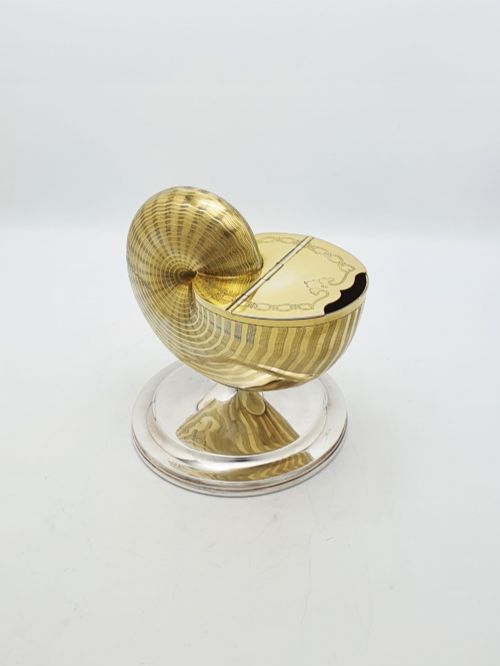
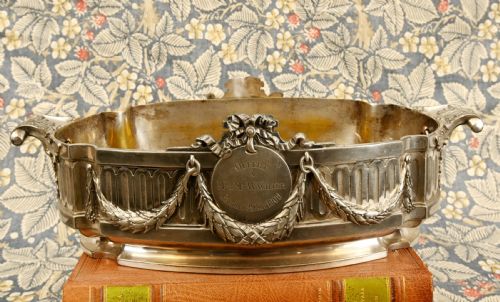
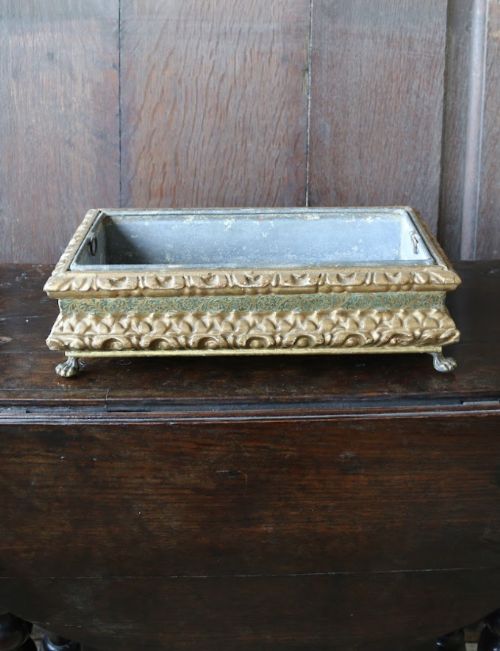
A metal table centrepiece brings a disciplined focal point to a dining arrangement, drawing the eye across silver plate, bronze and brass.
Metal Table Centrepiece
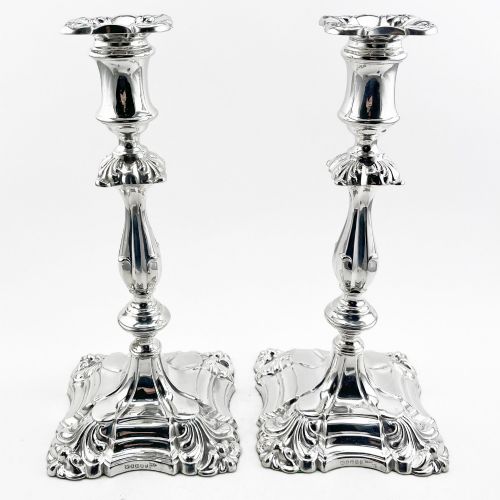
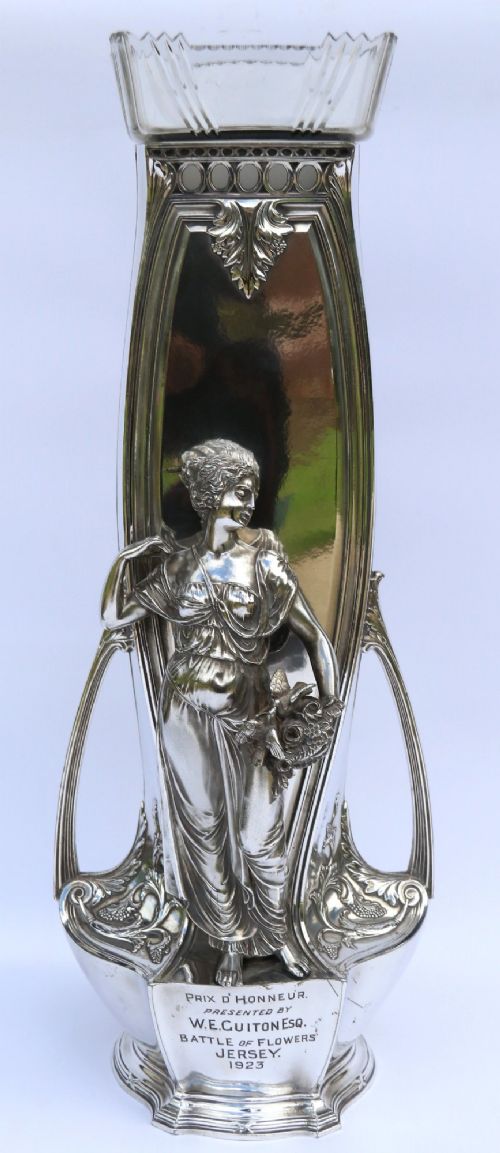
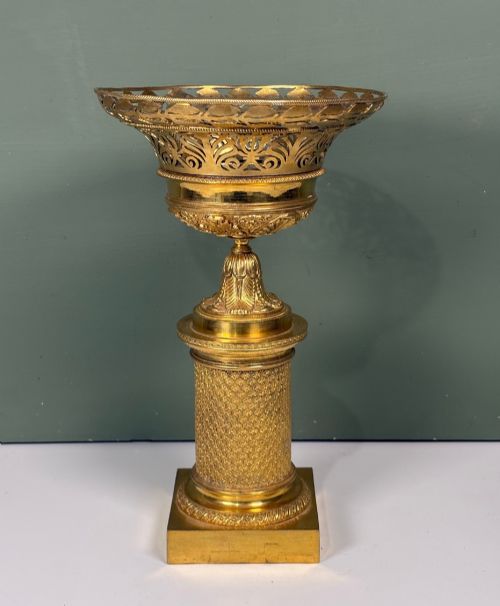
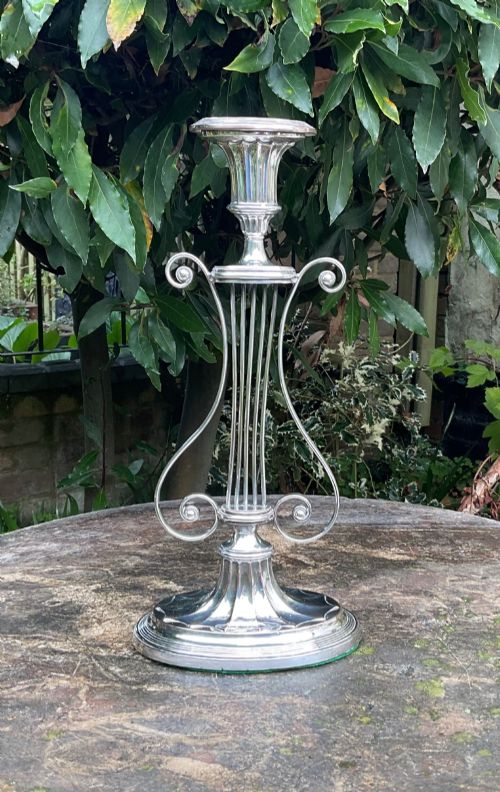
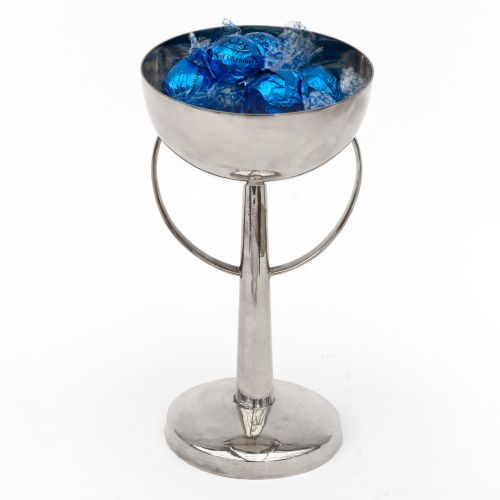
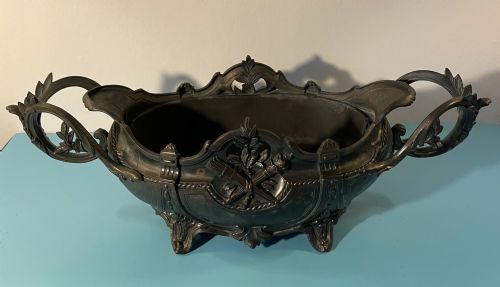
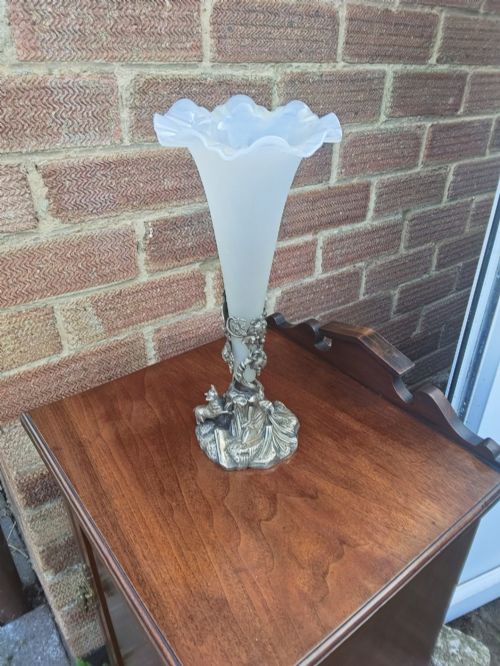
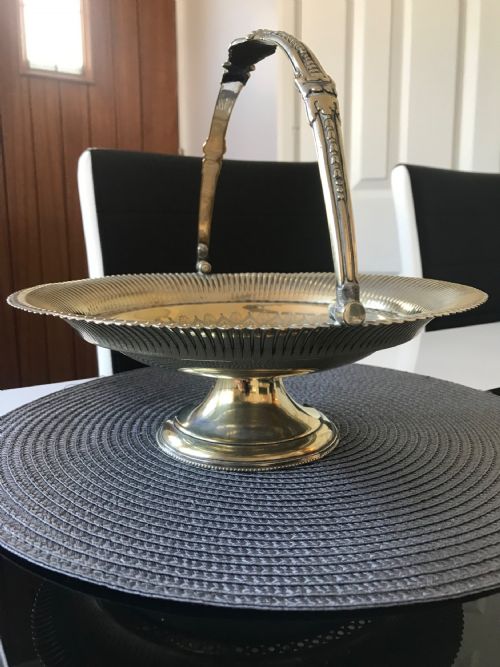
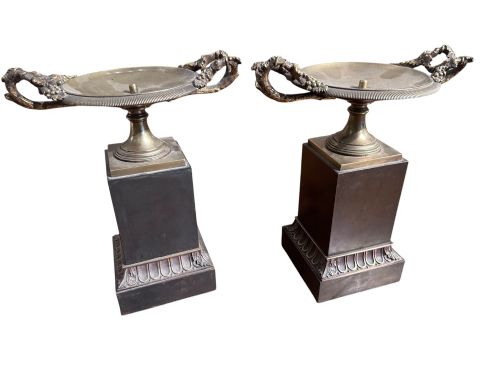
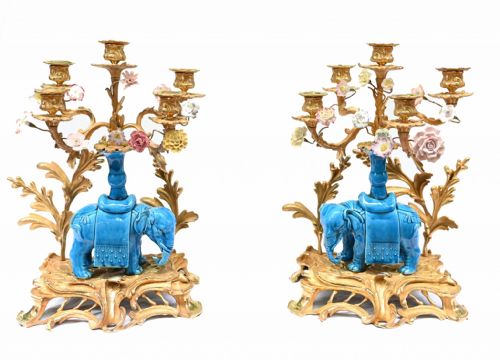
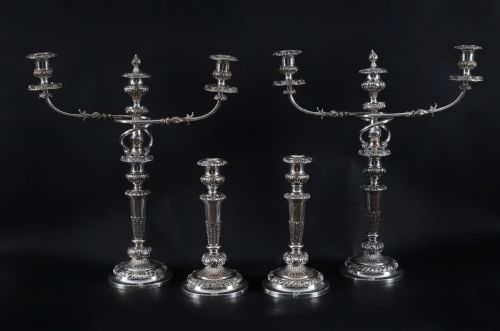
A metal table centrepiece anchors a dining table or sideboard, appearing in forms ranging from open fruit bowls and wirework baskets to columned candelabra and tazzas.
The pieces on this page span the eighteenth, nineteenth and twentieth centuries, originating from English workshops, French foundries and Italian studios.
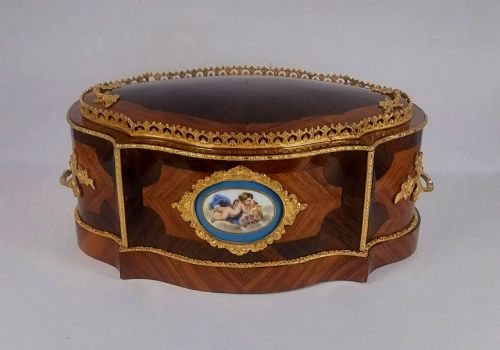
Silver plate and patinated bronze dominate the selection, often incorporating glass inserts, marble plinths or gilt highlights to enrich the silhouette.
Materials and construction methods
Silversmiths and metalworkers utilised silver plate, Old Sheffield Plate and white metal over base foundations, alongside cast brass, copper and ormolu.
Foundries employed lost-wax casting for figural bronzes and detailed mounts, while wirework and pierced sheet metal formed lighter baskets and fruit dishes.
Composites bring together cut crystal, opaque glass and carved marble with patinated or gilded metal components secured by threaded pins.
Metal Table Centrepiece Retail Price Guide 2026
Typical asking prices for metal table centrepiece among the pieces listed under this phrase on Sellingantiques today, from the lower quarter to the upper quarter. They describe what is for sale here now, not the wider market.
Materials recorded on this page include silver plate, patinated bronze, copper, ormolu and white metal.
Assessing craftsmanship and execution
Superior examples demonstrate crisp chasing in cast bronze and ormolu, where vegetal scrolls or figural details retain sharp relief.
Plated items reveal quality in the retention of the metal layer over base copper or brass, alongside balanced proportions and stable construction at the joints.
WMF·Brille, Paris·Blagden, Hodgson & Co.
The Metal Table Centrepiece Glossary
- Ormolu
- Gilt bronze produced by applying a mercury and gold amalgam to cast bronze, fired to achieve a matte and burnished finish.
- Old Sheffield Plate
- A precursor to electroplate made by fusing a thin sheet of silver to a thicker copper core before rolling.
- Tazza
- A shallow ornamental bowl or cup mounted on a stem and foot, frequently utilised for fruit or sweetmeats on dining tables.
- Jardiniere
- An ornamental receptacle designed to hold growing plants or floral arrangements, often fashioned in ceramic, copper or silvered metal.
- Epergne
- A large table centrepiece featuring a central bowl with multiple branching arms supporting smaller baskets, dishes or vases.
Metal Table Centrepiece: Frequently Asked Questions
How do I clean a silver plated centrepiece?
Use a soft cloth and a gentle, non-abrasive silver cream to remove tarnish without disturbing the underlying plate. Avoid harsh dips that strip historical patination from recessed areas.
Wash the piece in warm soapy water and dry thoroughly with lint-free linen to prevent spotting on the metal surface.
Can I use these centrepieces for fresh flowers?
Many examples include original glass liners or crystal inserts specifically intended to hold water and stems safely. Check whether the metal vessel requires a separate waterproof container to prevent moisture damage.
Remove floral foam and standing water promptly after use to protect interior silver plate or copper surfaces from corrosion.
How do I date a nineteenth century bronze?
Examine the casting quality, the depth of the chasing, and the nature of the patination. Nineteenth-century pieces often display hand-finished details and specific founder marks on the underside.
Compare the stylistic vocabulary, such as Neoclassical motifs or Art Nouveau asymmetry, with known periods of production recorded in the evidence.
What is the difference between Old Sheffield plate and silver plate?
Old Sheffield Plate involves mechanically fusing a sheet of silver to a copper ingot before rolling them together, showing a subtle copper seam at raw edges. Standard silver plate relies on an electrochemical process to deposit a thin layer of silver over a base metal.
Examining the edges and wear patterns reveals which technique was used during manufacturing.