

Metal Pot Holder
A metal pot holder brings utilitarian weight and polish to interiors, turning everyday copper and brass vessels into handsome display pieces for plants and logs.
Metal Pot Holder
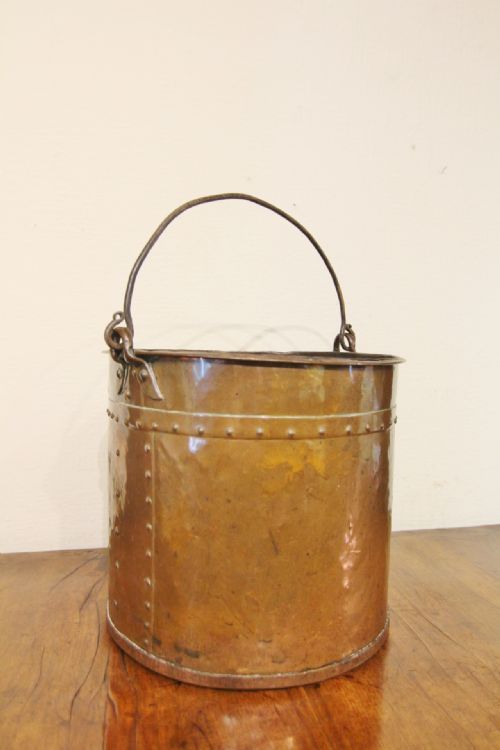
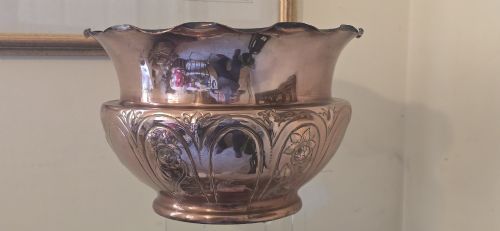
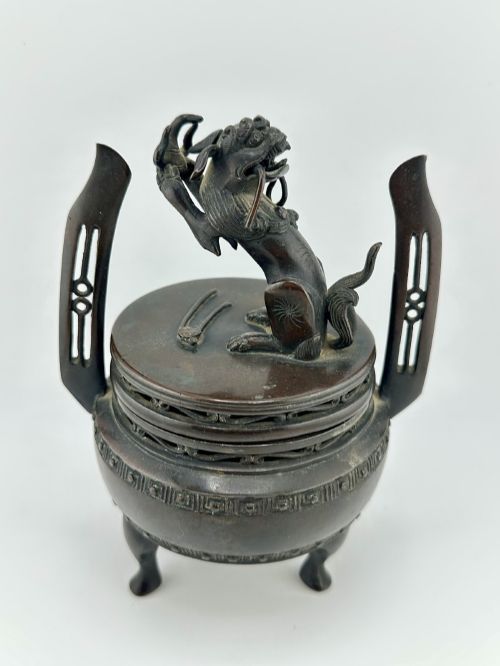
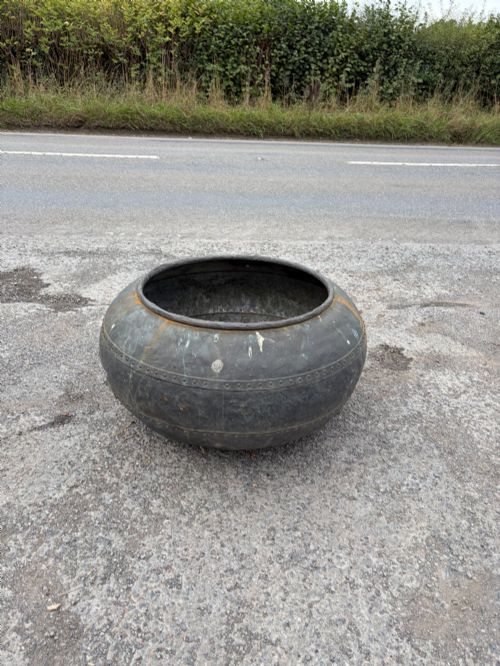
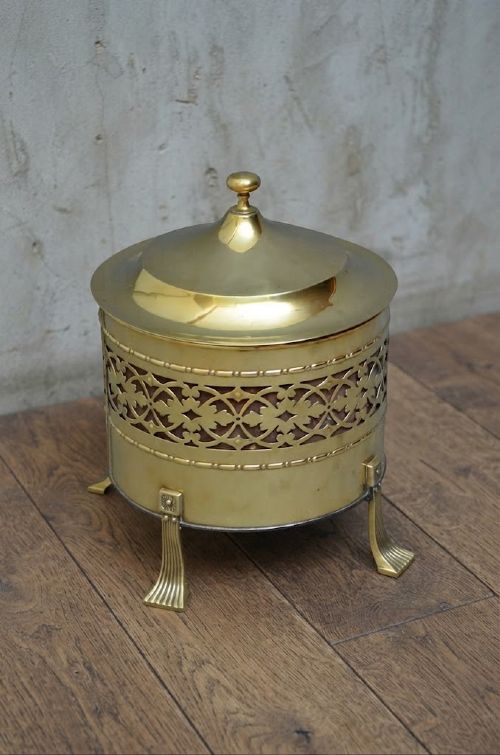
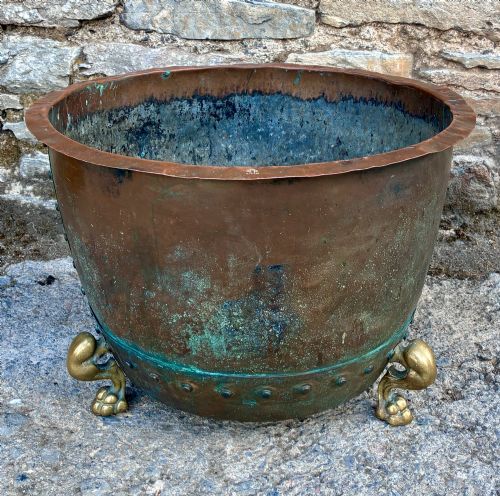
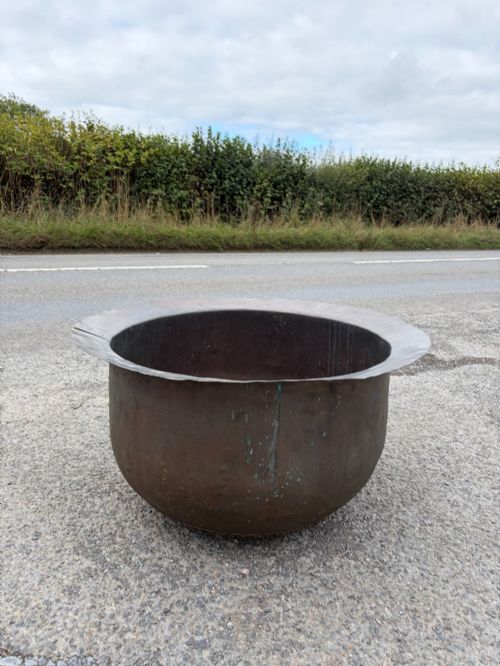
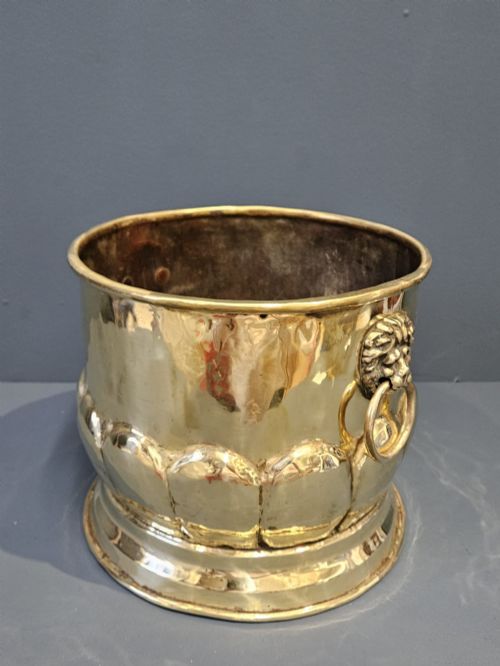
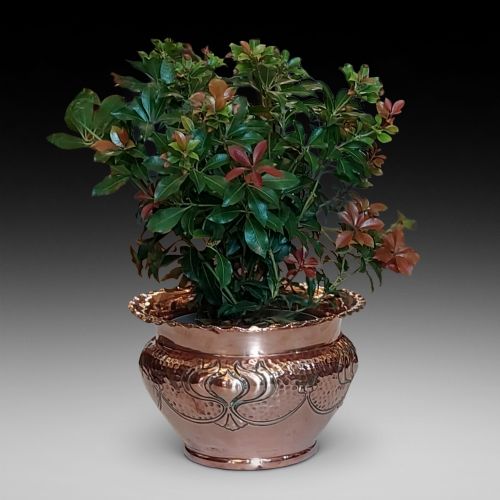
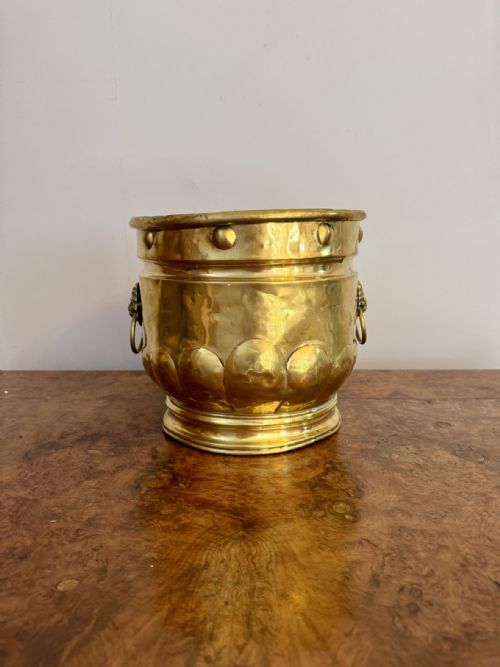
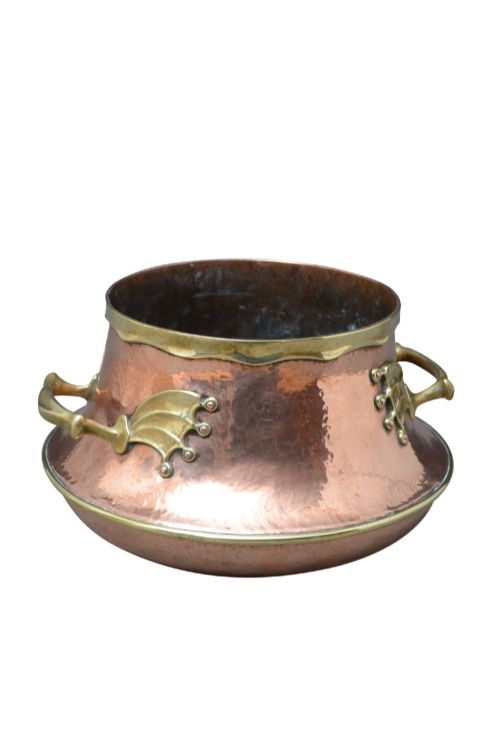
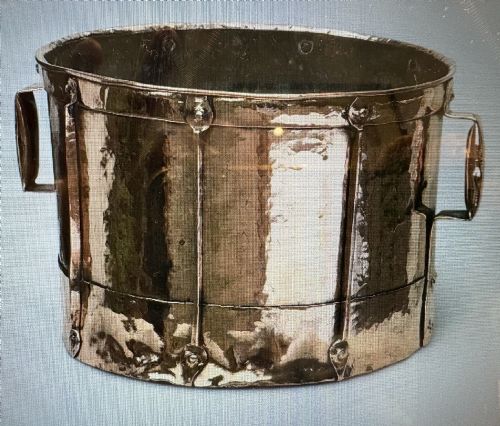
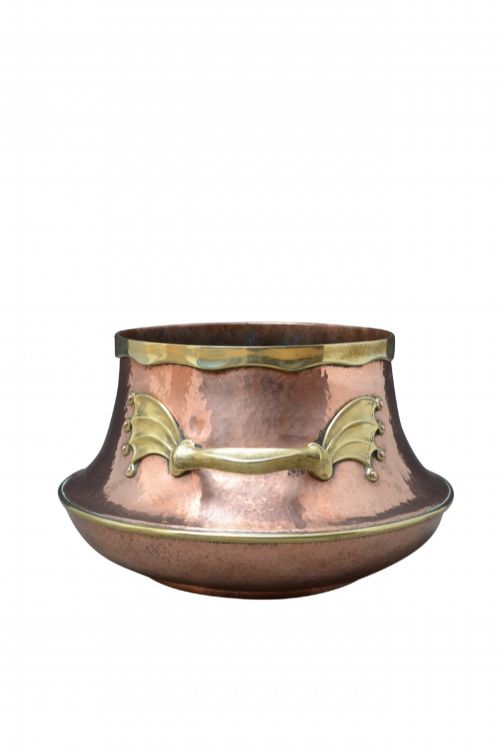
When you search for a metal pot holder, you encounter a robust selection of domestic vessels spanning the nineteenth century up to the Edwardian period. These objects encompass varied utilitarian forms including planters, jardinieres, log bins, and coal buckets designed for heavy household service. You are most likely to meet substantial brass and copper items originating from Victorian and Arts and Crafts contexts.
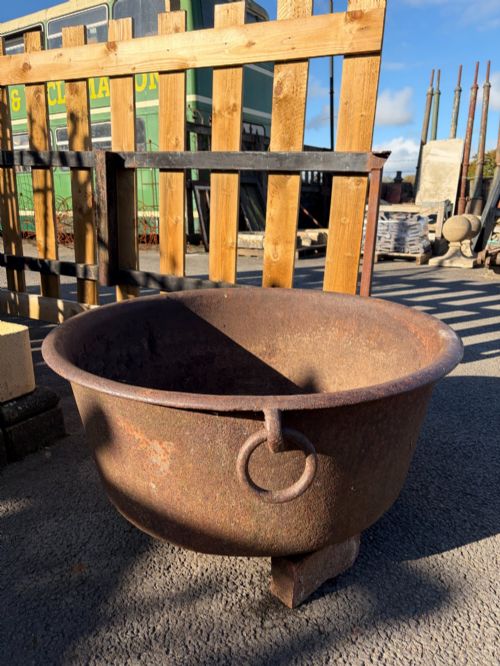
The practical function of these pieces dictated their durable construction, often combining heavy gauge metals with iron handles or wooden bases. Makers adapted standard agricultural and industrial vessels, such as grain measures and boilers, into ornamental items suitable for the parlour. This crossover between utility and display defines the category across all recorded styles.
Materials and construction methods
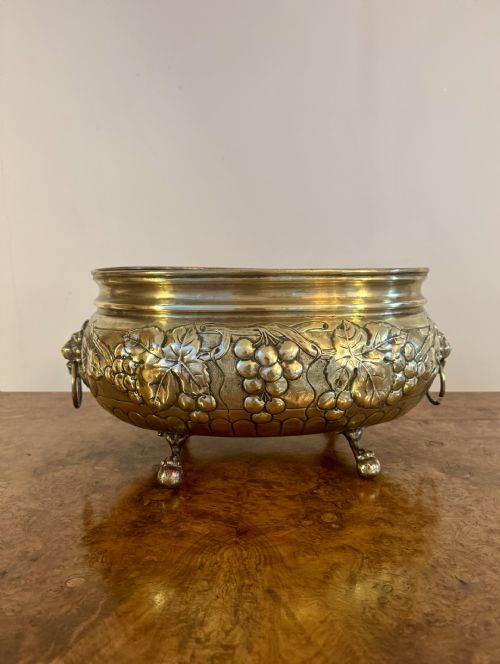
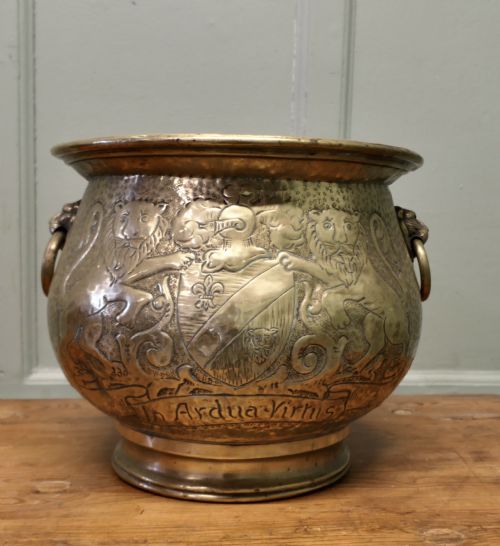
Details like cast brass lion mask handles and applied shields point to specific historicist revivals, notably Gothic and Arts and Crafts movements. Many pieces retain original stands, liners, or integral wooden components that complete the structural integrity of the vessel.
Metal Pot Holder Retail Price Guide 2026
Typical asking prices for metal pot holder among the pieces listed under this phrase on Sellingantiques today, from the lower quarter to the upper quarter. They describe what is for sale here now, not the wider market.
Several heavy copper vessels began life as agricultural grain measures before retiring indoors to hold ferns.
Distinctions in quality and execution
Quality reveals itself in the thickness of the metal gauge and the crispness of decorative details like repoussé motifs and pierced fretwork. Superior examples display careful hand-hammering and secure, well-fitted ironwork rather than superficial stamping. The presence of original stands, matching companion pieces, and intact hardware elevates the integrity of a vessel.
Proportion and surface patination further separate standard utilitarian containers from masterwork items designed for formal reception rooms. Pieces bearing identifiable maker marks or distinctive stylistic flourishes from the Art Nouveau period command particular attention for their refined design.
J Sankey and Sons
The Metal Pot Holder Glossary
- Jardiniere
- An ornamental pot or stand for holding plants or flowers, usually manufactured from ceramic or heavy metal.
- Repoussé
- A metalworking technique where the metal is hammered from the reverse side to create a raised design in relief.
- Cachepot
- A decorative container used to hide an ordinary flowerpot, distinct from a planter which holds soil directly.
- Fretwork
- Ornamental design work consisting of perforated patterns cut through brass or copper sheet.
- Log bin
- A deep vessel designed for storing firewood beside a hearth, frequently constructed from heavy riveted copper.
Metal Pot Holder: Frequently Asked Questions
How were metal pot holders used originally?
These vessels served practical functions around the nineteenth-century home, containing coal near fireplaces, storing firewood, or housing large indoor palms.
Over time, households transitioned these heavy utilitarian items into decorative display pieces within parlours and hallways.
Can I plant directly inside antique brass planters?
Many antique pieces lack drainage holes and were originally designed to hold potted plants concealed within inner liners.
Placing soil directly inside unlined metal risks corrosion and moisture damage to the historic interior surfaces.
How do I distinguish Victorian from Edwardian pieces?
Victorian examples often favour heavy Gothic revival motifs, cast brass lion masks, and dark, riveted copper surfaces.
Edwardian pieces frequently embrace flowing Art Nouveau plant motifs and lighter fretwork designs reflecting changing aesthetic tastes.
How should I clean copper and brass vessels?
Historic metal surfaces benefit from gentle dusting and occasional cleaning with appropriate non-abrasive polishes to remove active tarnish.
Preserving the deep patination accumulated over decades is often preferred by collectors over achieving a bright mirror finish.