
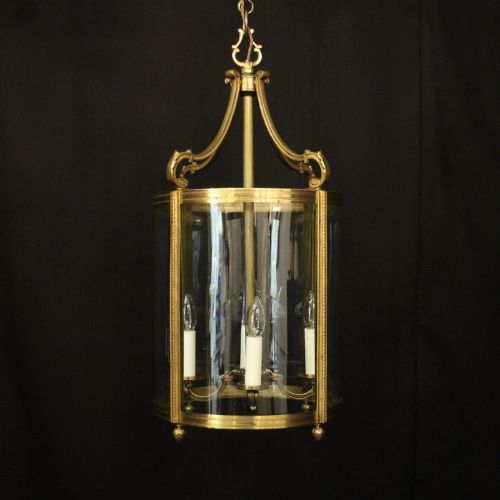
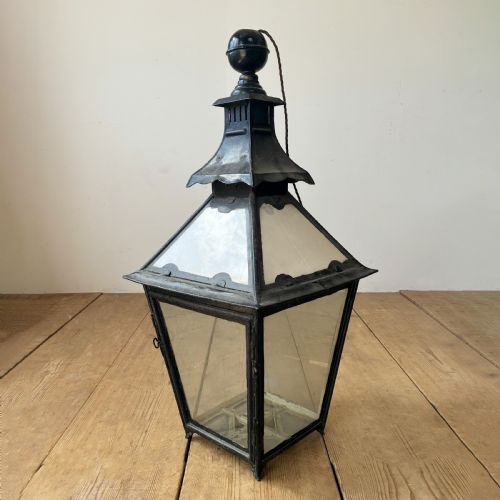
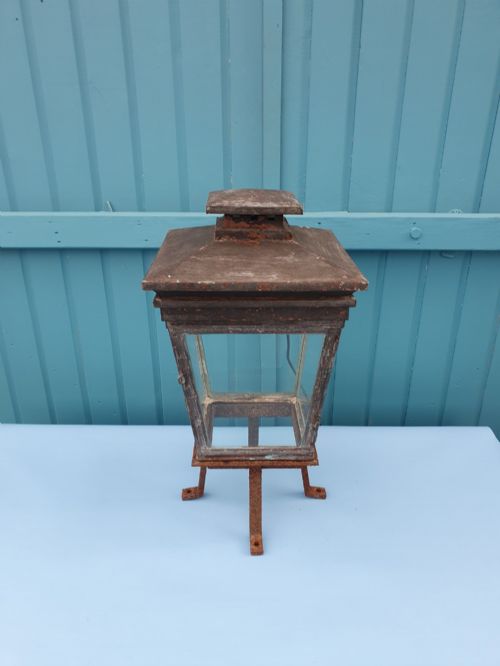


Metal Porch Lanterns
Metal porch lanterns bring character and practical illumination to an entrance, drawing on traditions from the Victorian era through to the early decades of the twentieth century.
Metal Porch Lanterns
Metal porch lanterns encompass hanging lights, wall-mounted fixtures, and ceiling pendants designed for outdoor thresholds and entrance halls. When you search for metal porch lanterns, you encounter functional fixtures that bridge domestic interior design and exterior protection against the elements.
The selections span distinct historical periods, notably the nineteenth century and the early twentieth century, taking forms such as coaching lanterns, hall lanterns, and wall lights. These pieces frequently reflect design movements including Gothic Revival, Arts and Crafts, and English Country House aesthetics.
Most examples rely on durable metals paired with glass panels to shelter the light source from wind and rain. They serve both as practical illumination for doorways and as a deliberate architectural statement for a property facade.
What varies in quality
Quality in these lanterns rests upon the weight of the metalwork, the integrity of the structural joints, and the fineness of decorative detailing such as cast mounts or hand-worked scrolls. Heavier gauges of copper, bronze, and iron denote sturdiness and long-term durability.
The refinement of the glass setting and the retention of original surface patination distinguish finer examples from standard utility lighting. Pieces bearing specific stylistic references, such as Gothic Revival tracery or blacksmith-made elements, show greater artisan input.
Materials across these listings range from humble iron and steel to finer gilt bronze, copper, and brass.
The Metal Porch Lanterns Glossary
- Coaching lantern
- A deep-bodied box lantern originally designed for horse-drawn carriages and later adapted for exterior building entrances. These sturdy fixtures feature glass panes on multiple sides to project light widely.
- Gothic Revival
- An architectural and decorative style drawing on medieval ecclesiastical forms, marked by pointed arches, trefoils, and heavy vertical lines. Lanterns in this manner often echo church or cathedral ironwork.
- Toleware
- Painted or lacquered sheet metal items, occasionally incorporated into decorative exterior lighting fixtures. The technique adds colour and decorative surface depth to the metal body.
- Patina
- The natural surface oxidation and ageing accumulated on metals like copper, brass, and iron over decades of exposure. This gradual weathering adds visual depth and authentic character to antique fixtures.
- Wrought iron
- Iron that has been heated and hammered into shape by hand, resulting in a fibrous texture and durable structure. Blacksmith-made pieces show subtle irregularities unique to manual production.
Metal Porch Lanterns: Frequently Asked Questions
Can antique porch lanterns be used outside?
Many of these pieces were originally built for exterior use or sheltered porch areas, constructed from durable copper, iron, and brass. They withstand outdoor conditions well when properly sealed and installed.
However, historic wiring or converted gas fittings require modern rewiring by a qualified electrician to meet current safety standards before outdoor mounting.
How do I date a metal lantern?
Dating relies on examining the fabrication methods, metal types, and stylistic vocabulary, such as Victorian Gothic detailing or Arts and Crafts simplicity. Tool marks, fixings, and the nature of the glass panels offer further clues to the period of manufacture.
Many pieces also bear evidence of their original fuel source, transitioning from early gas conversion to modern electrical adaptation over their lifespan.
Are these lanterns electrified?
A large proportion of surviving examples have already been converted from gas or oil to run on standard electrical circuits. Conversions are typically carried out sensitively to preserve the exterior housing and original glass.
Buyers should inspect the internal lamp holders and wiring to confirm they suit current domestic installation requirements.
What is the difference between wall and hanging lanterns?
Wall lanterns attach directly to a vertical surface beside a doorway via a fixed bracket or backplate, projecting outward to illuminate the threshold. Hanging lanterns suspend from ceilings or overhead porch porticos by chains or rigid rods.
Both forms utilise similar glass and metal construction but serve different architectural placements around an entrance.