




Metal Pocket Box
A metal pocket box is a small personal container for tobacco, matches or keepsakes, shaped to slip easily into a waistcoat pocket.
Metal Pocket Box
When searching for a metal pocket box, buyers encounter an array of small containers designed for personal use during the eighteenth, nineteenth, and early twentieth centuries. Snuff boxes, cigarette and cigar cases, vesta cases, and nutmeg graters form the main categories found in this group.
The Victorian and Edwardian eras supply the majority of examples, alongside earlier Georgian pieces and later Art Deco designs. These objects served daily social rituals, holding tobacco, snuff, or matches close to hand for the owner.
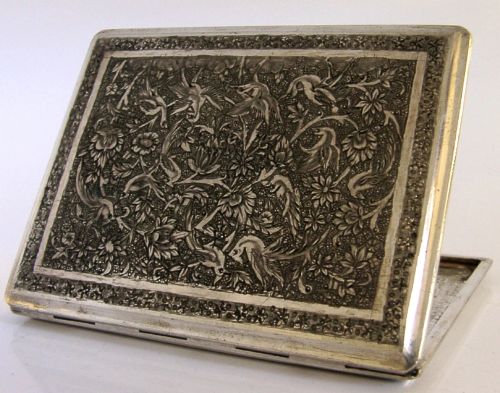
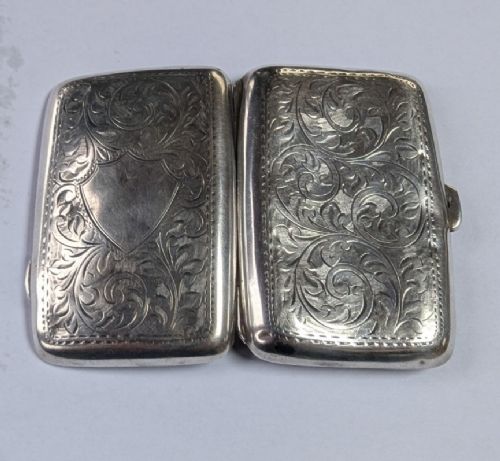
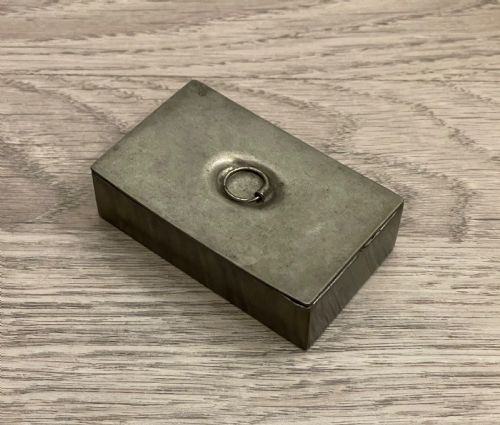
Materials range from base metals such as brass, copper, pewter, and gunmetal to precious sterling silver and gold. Many pieces bear personal engravings, names, or dates that record their original owners and specific occasions.
How they were made
Metals were worked using techniques such as casting, stamping, and hand engraving to create rigid shells with secure lids. Brass and copper often received surface decoration through punchwork or wrigglework, while precious metals like silver and gold utilised fine chasing and repoussé.
Enamelwork was applied to metal bases to introduce colour and pictorial scenes to cigarette and snuff cases. Hinges and closures required precise metalworking to ensure tight fits that kept contents dry and secure in the pocket.
Periods represented range from the Georgian era through the Victorian and Edwardian decades to Art Deco designs.
What varies in quality
The distinction between standard utility items and masterworks rests on the crispness of the metalwork and the quality of any applied decoration. Engraved inscriptions that retain sharp detail and well-fitted hinges that operate smoothly indicate superior execution.
Precious metal examples often display hallmarks that confirm the standard of silver or gold and the city of assay. The skill of the goldsmith or silversmith, visible in balanced proportions and refined surface finish, separates basic production from exceptional artistry.
David McDonald·Alexander James Strachan·Thomas Harris And Son
The Metal Pocket Box Glossary
- Vesta case
- A small pocket container designed to hold matches, typically featuring a ribbed striking surface on the base. These boxes protected matches from moisture in the pocket.
- Snuff box
- A small lidded container used for holding finely ground tobacco consumed nasally. They were made in various metals and often featured tight-fitting lids.
- Nutmeg grater
- A pocket-sized container housing a small rasp and a compartment for whole spices. Georgian diners carried them to grate fresh spice into drinks or food at table.
- Gunmetal
- A type of bronze alloy originally used in ordnance that later found popularity for watch cases and small containers. It has a dark grey or bronze-like appearance.
- Hallmark
- A stamp or series of marks applied to precious metals indicating the purity, maker, and assay office. These marks provide definitive evidence of date and origin.
Metal Pocket Box: Frequently Asked Questions
What went into a pocket box?
These containers held substances and small items needed throughout the day, including dry snuff, loose tobacco, cheroots, cigarettes, and wooden vestas.
Some specialist forms held single spices like nutmeg or functioned as portable thermometers for travel.
How do I care for silver and brass boxes?
Metal containers require gentle handling to preserve surface engraving and original patination. Dust with a soft cloth and avoid harsh chemical dips that strip age from the metal.
Keep hinges lightly lubricated if they feel stiff, but leave historic dirt in recessed corners alone.
Are engraved names on boxes a drawback?
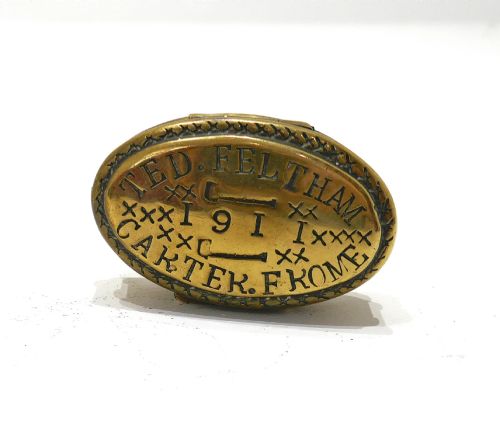
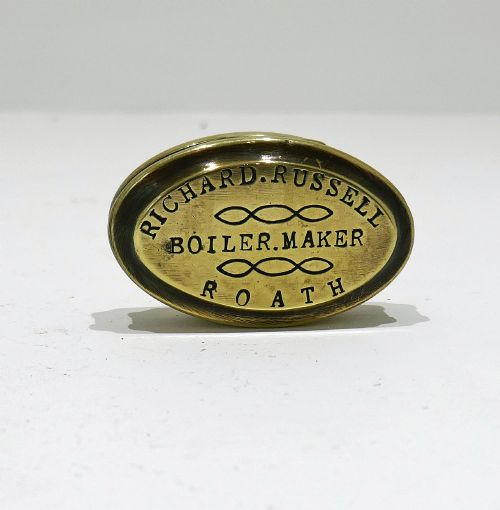
Personal inscriptions and engraved dates add historical context by connecting the object to a specific person and moment in time. Names such as Ted Feltham or Richard Russell document the original owners.
Collectors often value these personal touches because they reveal how the piece was used and who carried it.
How can I tell a Georgian box from a Victorian one?
Georgian boxes from the late eighteenth and early nineteenth centuries often display simpler geometric forms, bright-cut engraving, or smooth gold surfaces. Victorian examples frequently employ heavier cast ornamentation, engine-turning, and bolder floral motifs.
Assay office hallmarks and inscribed dates on the metal provide the most reliable guide to the exact period.