




Metal Planter Stand
These metal planter stand designs bring foliage indoors or onto patios, offering sturdy raised display surfaces for floral arrangements.
Metal Planter Stand
A metal planter stand provides an elevated platform or basket for displaying plants, flowers, and garden urns inside homes and conservatories. Buyers searching this phrase will find a variety of elevated garden furniture and decorative display vessels originating from periods such as the nineteenth century, the Edwardian era, and the Regency period.
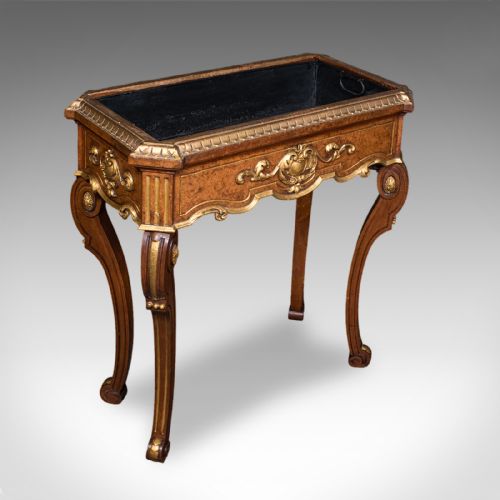
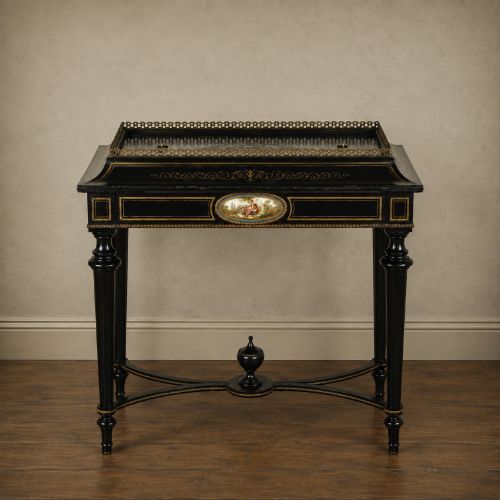
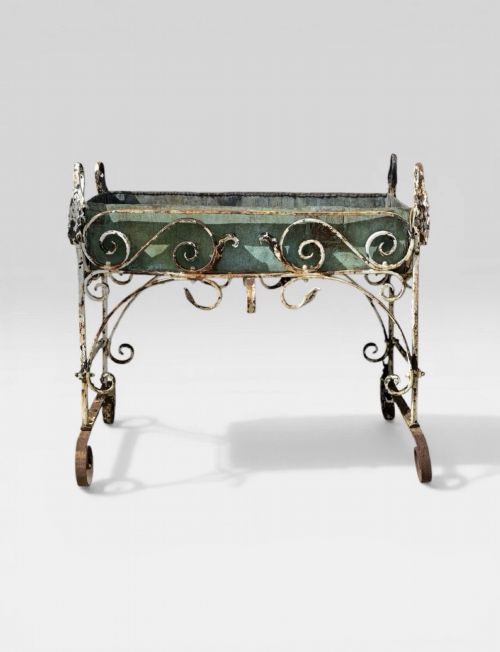
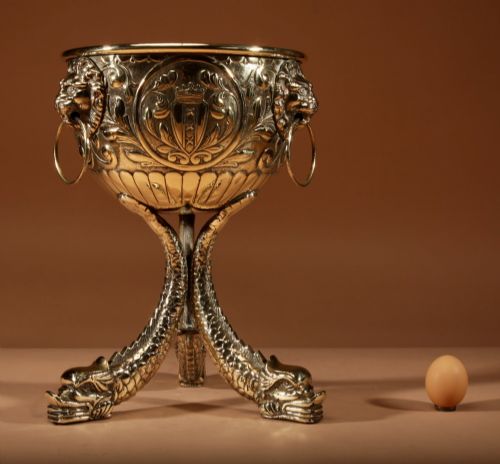
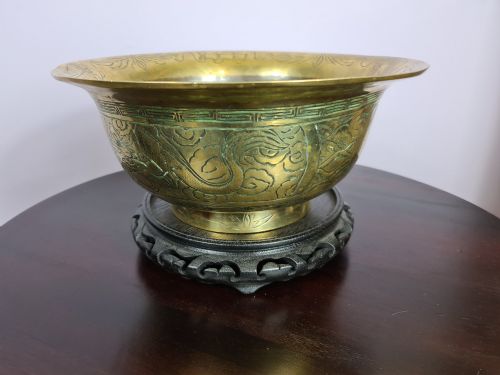
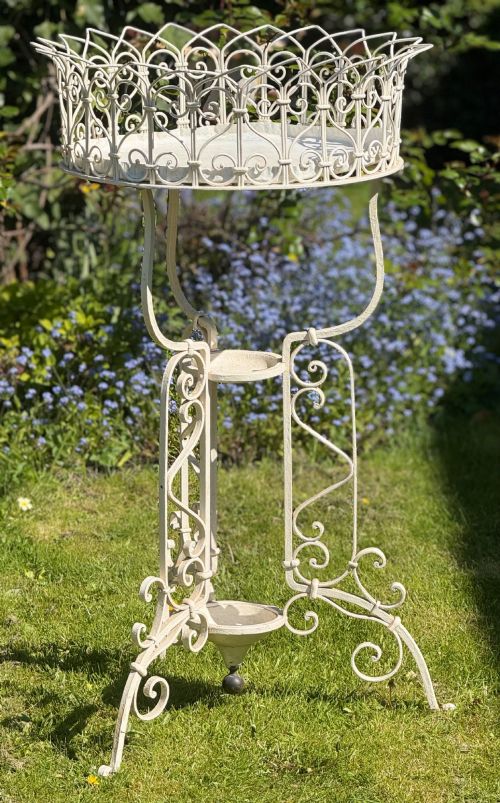
The selections span distinct configurations, ranging from multi-tiered wirework frames to single heavy cast iron urns on pedestals and brass bowls mounted on matching legs. Examples include French tables with fitted jardinieres, English scrollwork baskets, and sturdy three-tier stands designed for holding heavy pots.
Many items combine structural metal frameworks with decorative vessels made of copper, brass, or painted iron. These pieces reflect historical styles including French Rococo Revival, Arts and Crafts, Gothic Revival, and Neoclassical design.
How they were made
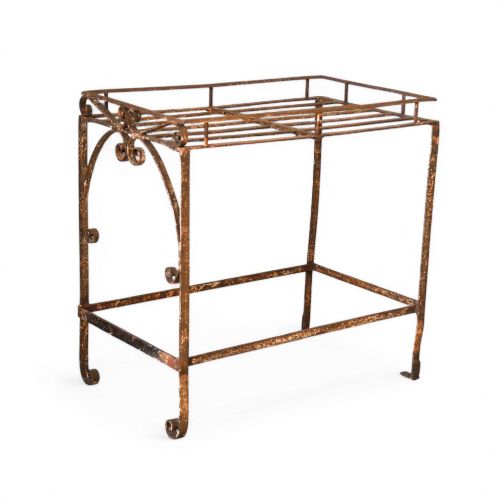
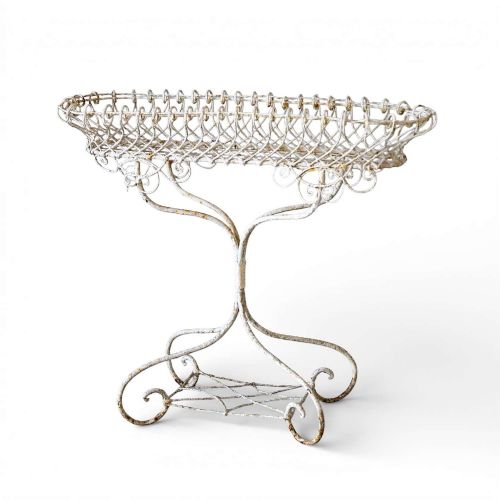
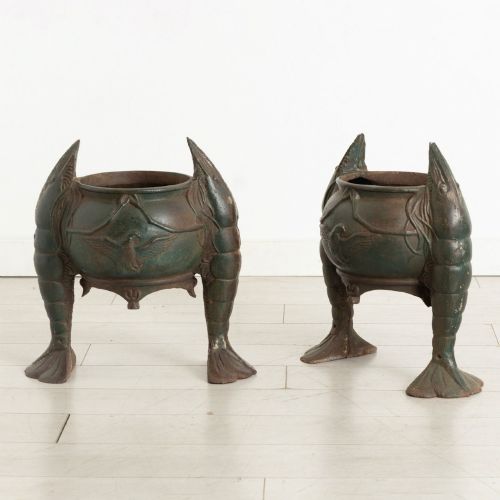
Makers utilised resilient metals such as cast iron, wrought iron, brass, and copper, often combining structural frames with decorative surface treatments like paint, ormolu mounts, and embossed detailing. Cast components provide heavy stability for garden urns, whilst lighter wirework and forged scrollwork form intricate tiered plant stands for conservatories.
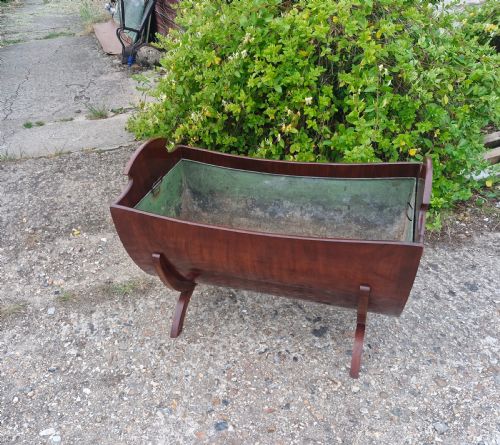
Joinery and assembly methods relied on traditional blacksmithing techniques, riveting, and casting, with some models incorporating fitted wooden bodies in walnut, mahogany, or satinwood alongside metal liners. Brass and copper elements were frequently beaten, spun, or cast, showing chased surfaces and applied decorative mounts.
Several stands double as umbrella holders or milk churns, proving Victorians loved multipurpose plant storage.
What varies in quality
The distinction between standard utility items and finer decorative examples lies in the crispness of the casting, the complexity of the scrollwork, and the weight of the chosen metal. Superior pieces display finely detailed surface ornaments, such as cast acanthus leaves or hand-embossed brass panels.
Design integration also separates ordinary stands from exceptional ones, particularly where metal frames, fitted botanical liners, and secondary materials like ormolu mounts or exotic wood veneers work together harmoniously.
The Metal Planter Stand Glossary
- Jardiniere
- A decorative pot or stand designed to hold growing plants or flowers. They appear in ceramic, brass, copper, and cast iron.
- Campana urn
- A bell-shaped garden vessel often mounted on a pedestal base. These classic forms frequently feature in nineteenth-century cast iron.
- Ormolu
- Gilded bronze mounts applied to furniture and decorative metalwork. This technique adds bright metallic highlights to walnut and ebonised stands.
- Wirework
- Formed metal rod construction used to create lightweight tiered stands and plant baskets. Edwardian and Victorian examples often employ this open technique.
- Dinanderie
- Objects made of beaten or cast brass and copper. These traditional European metalwares often feature embossed surface patterns.
Metal Planter Stand: Frequently Asked Questions
Where should I put a metal planter stand?
These stands suit conservatories, hallways, and living rooms where they elevate potted greenery off the floor. Garden-suited iron and cast versions work well on patios and porches.
Interior examples hold heavy floral displays or serve as decorative umbrella stands when fitted with appropriate liners.
How do I care for antique metal planters?
Dust iron and brass structures gently with a dry cloth to prevent moisture accumulation. Protect vulnerable wooden elements and painted finishes from standing water.
Use removable inner pots or saucers to water plants separately before placing them back into the metal stands.
Are these stands suitable for outdoor use?
Cast iron and wrought iron pieces tolerate garden conditions well, developing natural weathering over time. Painted or plated surfaces benefit from shelter during harsh winter weather.
Indoor brass and wirework designs remain better preserved within dry domestic environments or conservatories.
How do I date a metal planter stand?
Examine the manufacturing marks, construction joints, and stylistic motifs such as Arts and Crafts hand-beating or Victorian cast scrollwork. Regency and Georgian examples tend to feature lighter wirework or classical proportions.
Materials like cast iron, ormolu mounts, and specific wood veneers help narrow down the production period.