


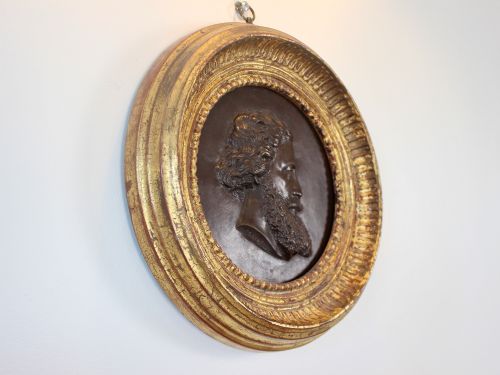

Metal Classical Sculptures
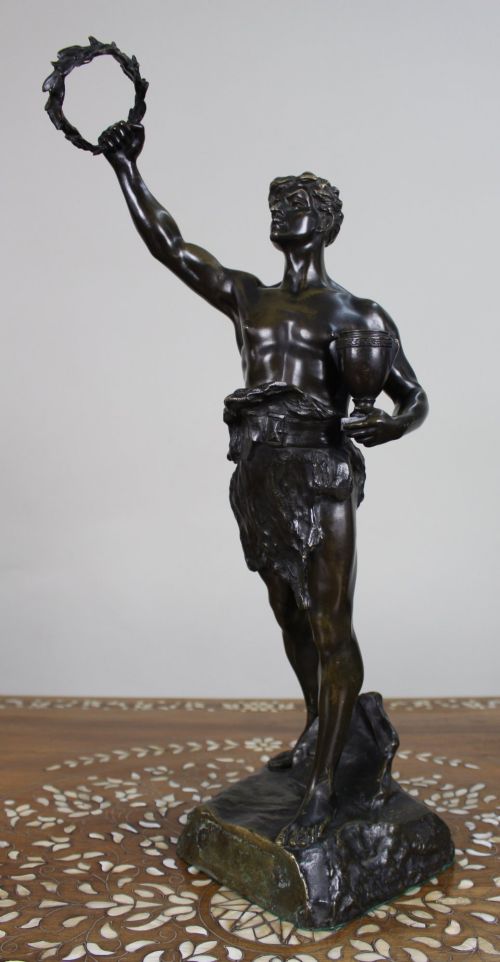
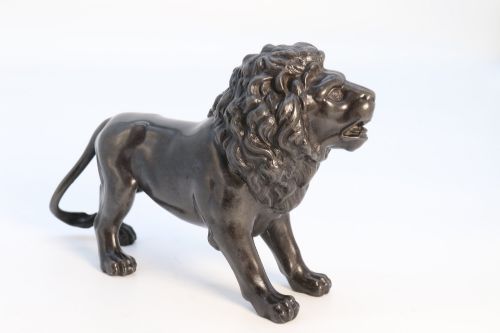
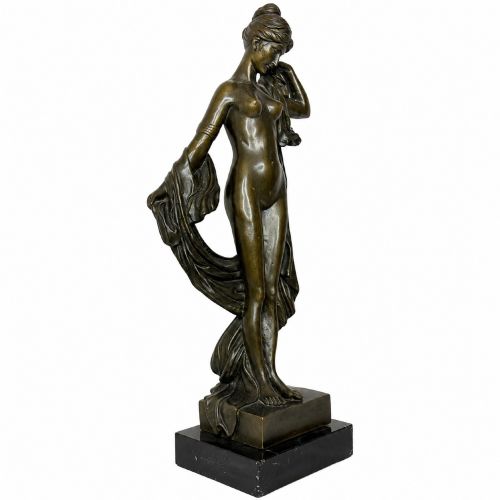
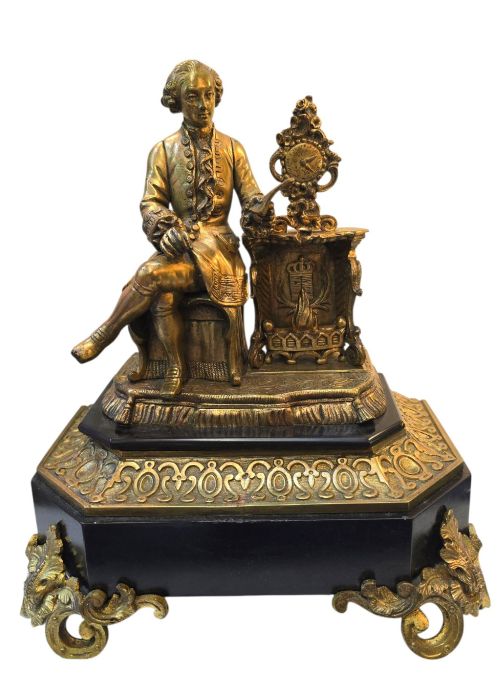
Metal classical sculptures bring antiquity and myth into domestic rooms through durable casts of bronze, iron and spelter.
Metal Classical Sculptures
Metal classical sculptures encompass figures, busts, vases and plaques drawing upon ancient Greek and Roman mythology, literature and history. Buyers encounter these primarily as nineteenth-century French and Italian foundry productions, alongside Grand Tour souvenirs and later twentieth-century interpretations.
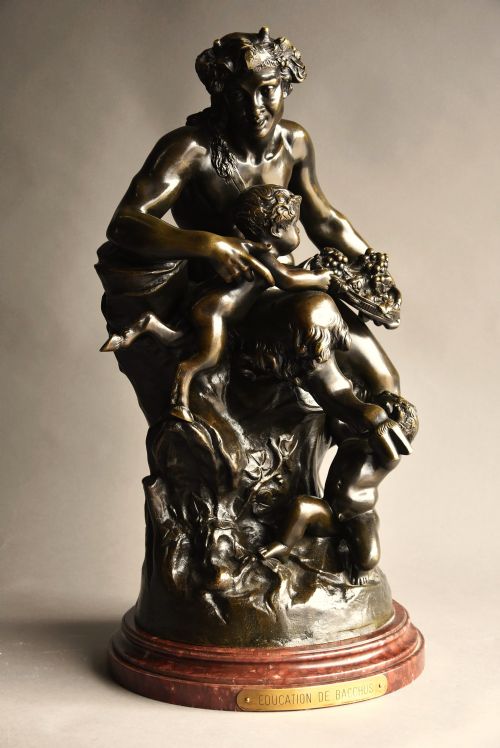
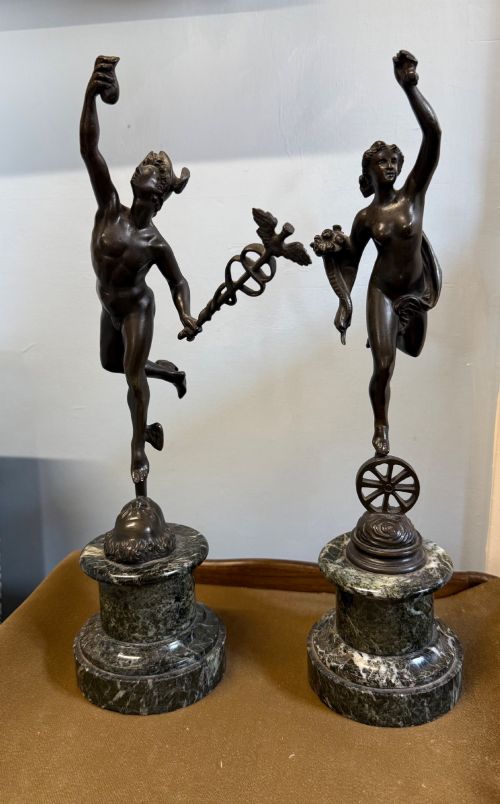
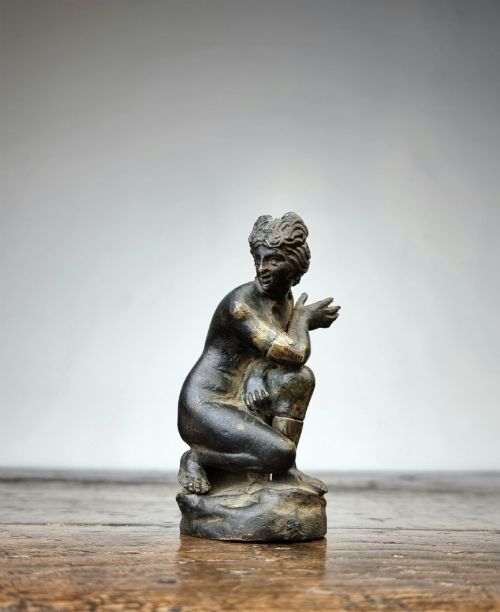
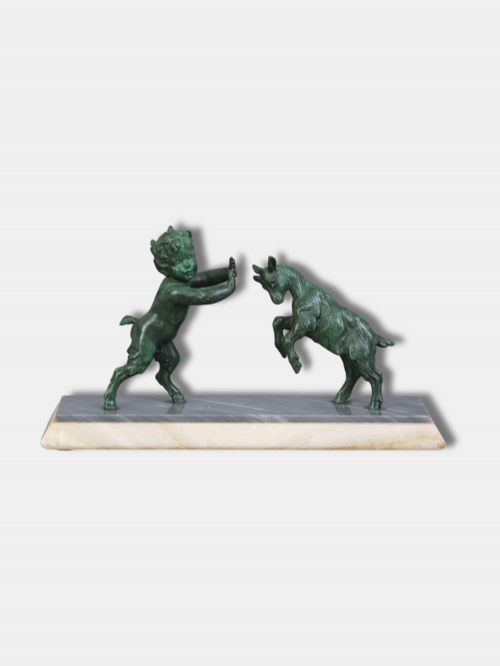
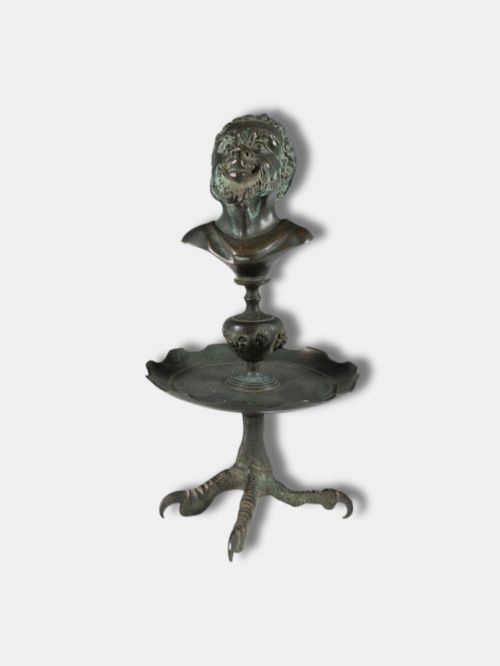
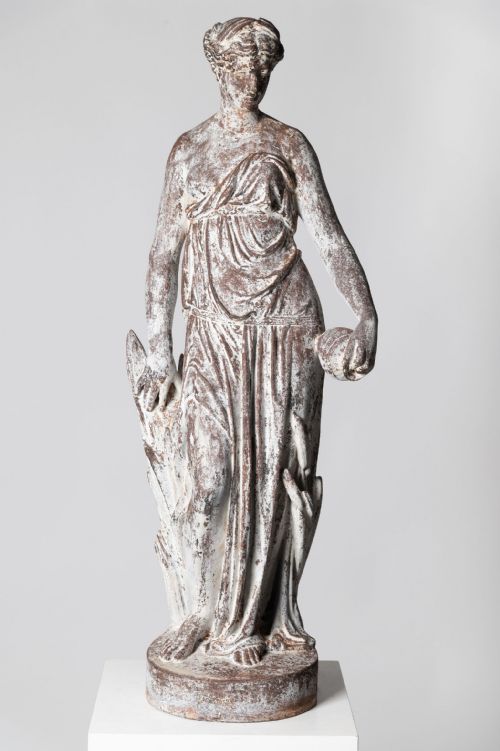
The subjects range from mythological deities, fauns and nymphs to historical portraits and reductions of celebrated antiquities like the Warwick Vase or Spinario. Forms extend beyond freestanding statues to include sculptural table lamps, oil lamps and architectural wall plaques cast in diverse metallic alloys.
Materials and Casting Methods
Foundries typically utilised the lost-wax method or sand-casting to shape molten bronze, brass, pewter, cast iron and zinc-based spelter. These figures frequently received chemical patination treatments to simulate aged surfaces, ranging from deep brown tones to green verdigris, while others were cold-painted or silvered.
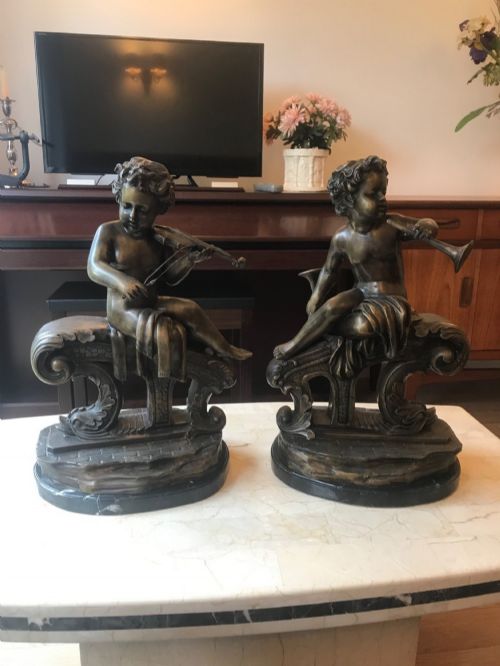
Many heavy bronze and spelter figures incorporate integrated or separate marble bases to provide stability and visual contrast. Relief plaques and decorative vessels demonstrate precise chasing and cold-working tools applied to the cast metal after removal from the mould.
Listings span periods from the seventeenth century through the Art Deco era, encompassing bronze, cast iron, pewter and patinated spelter.
Distinctions in Execution
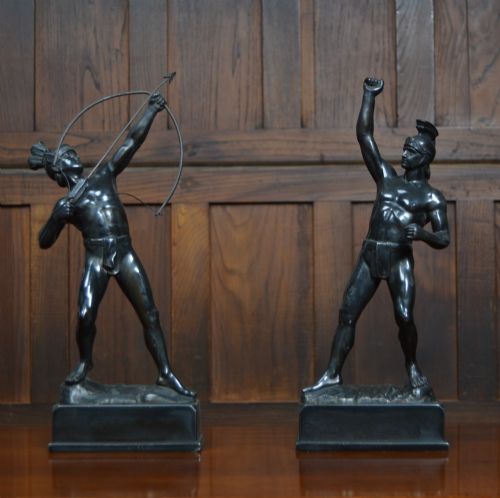
The reputation of the foundry and the clarity of artist or maker signatures provide additional indicators of standard, reflecting the oversight given during the reduction and casting process. Heavier weight, substantial bronze composition and well-fitted marble mountings consistently denote higher manufacturing investment.
Pierre le Faguays·Emile Carlier·Adolphe Jean Lavergne·Claire Colinet·Charles Cumberworth·Leonhard Posch
The Metal Classical Sculptures Glossary
- Grand Tour
- Souvenirs acquired by affluent travellers journeying through Italy and France during the eighteenth and nineteenth centuries, often comprising reduced bronze models of ancient monuments and sculptures.
- Spelter
- A zinc alloy utilised as a cheaper alternative to bronze for sculptural casting, frequently painted or bronzed to simulate more expensive metals.
- Patination
- The surface coloration or chemical film developed naturally over time or applied artificially by an artisan to enhance the visual depth of metalwork.
- Lost-wax casting
- A historic method where a wax model is melted from a mould and replaced with molten metal to achieve intricate detail.
- Cold-painted
- Pigment applied to a metal sculpture after casting and firing, rather than being fused in a kiln.
Metal Classical Sculptures: Frequently Asked Questions
What is a Grand Tour sculpture?
Grand Tour sculptures are miniature or reduced bronze replicas of famous classical antiquities, purchased by travellers touring European cultural centres in the nineteenth century.
These pieces served as academic keepsakes and decorative ornaments for libraries and studies, reflecting the classical education of their owners.
How do I tell bronze from spelter?
Bronze is heavier, rings with a clearer note when struck gently, and holds a warm, durable metallic tone beneath any patination. Spelter is a softer zinc alloy that feels lighter and shows a grey or white metal beneath chips in the surface coating.
Spelter figures also tend to bend more easily under pressure and often exhibit casting seams that are simpler than those found on fine bronze statues.
What subjects are most common?
Mythological figures such as Bacchus, Venus, satyrs, fauns and cherubs dominate the selection, drawn from classical Greek and Roman narratives. Portrait busts of historical personages and literary characters also appear frequently among nineteenth-century casts.
Architectural reductions, including ancient vases and animal studies, complete the standard repertoire of subjects found across these metallic works.