


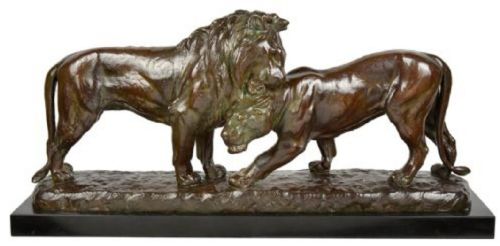

Patinated Metal Mantel Statues
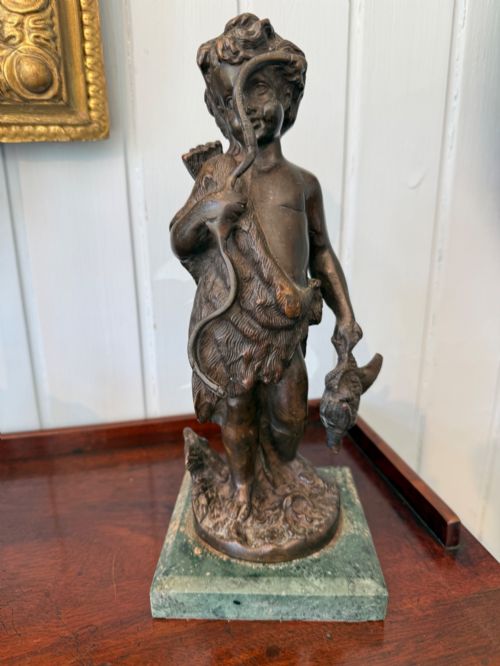
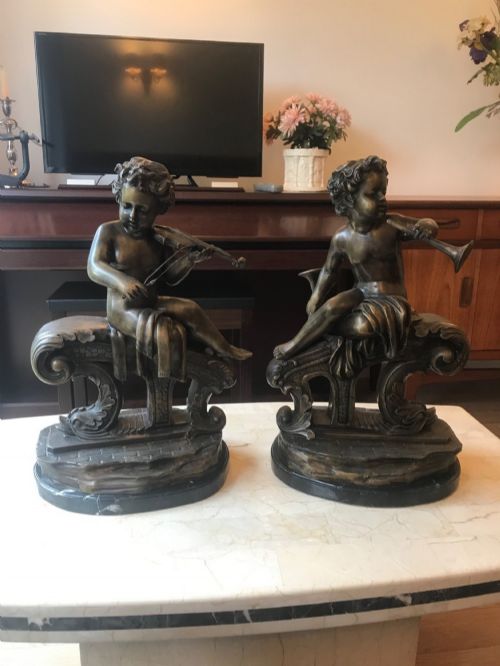
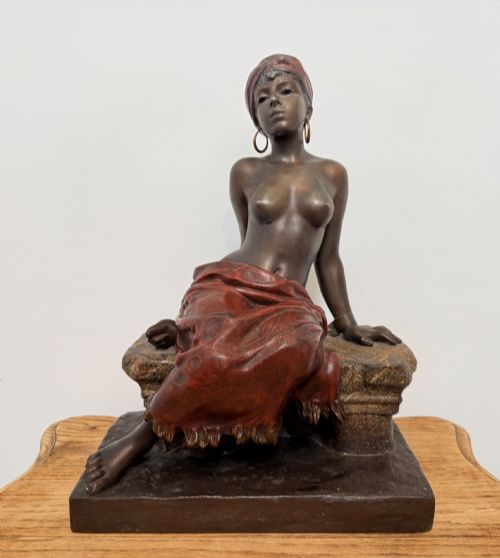
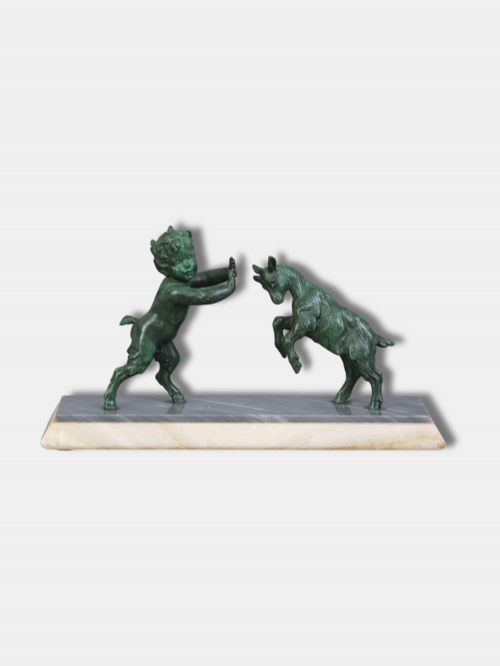
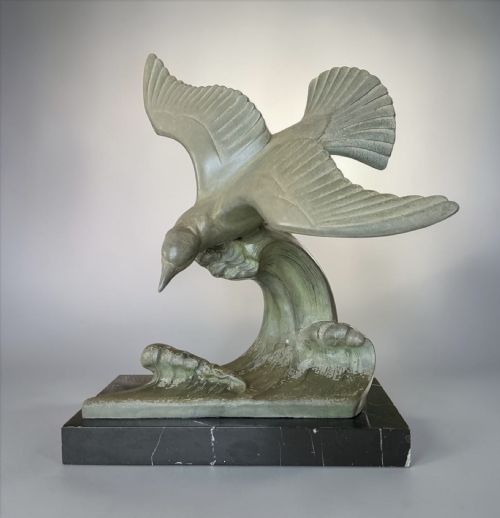
These patinated metal mantel statues bring figurative character to a room, ranging from classical cherubs to sleek Art Deco figures.
Patinated Metal Mantel Statues
When you search for patinated metal mantel statues, you find sculptural pieces designed to sit on a fireplace mantel or shelf. The selection here spans from the nineteenth century into the twentieth century, taking the form of figures, animals, and figural candlesticks.
You are most likely to meet French works from the Art Deco period alongside Victorian pieces. These objects include individual sculptures of dancers and animals, as well as matched pairs of figures and soldiers.
The subjects draw on classical mythology, naturalism, and modernist design. They function as decorative ornaments that capture the sculptural tastes of their respective eras.
Materials and construction methods
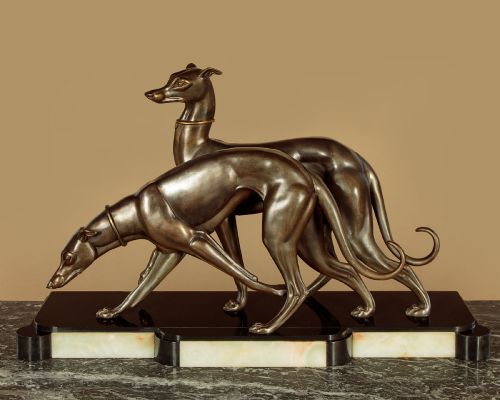
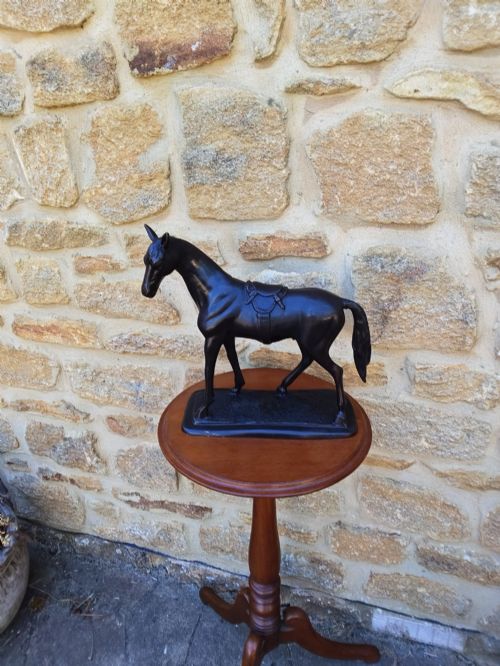
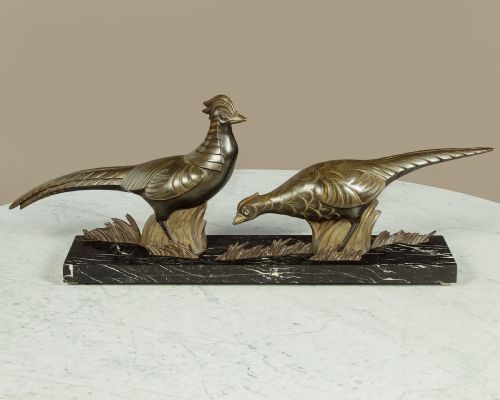
The pieces are cast in bronze, spelter, and patinated metal, often mounted onto bases of marble or onyx. Foundry workers poured molten metal into moulds to achieve intricate details such as animal plumage and drapery.
Surface patination was applied chemically or manually to darken the metal, creating bronze tones or aged finishes. Bronzed finishes on spelter were also utilised to give the appearance of more expensive metal.
Golden pheasants and trouser-clad dancers share shelf space with stoic Renaissance soldiers.
Qualities of craftsmanship and finish
The integration between the metal figure and its stone base influences the overall balance of the piece. Heavier patinated surfaces with consistent coloration hold greater visual depth than thin, worn finishes.
Josef Lorenzl·E Villanis·Emile Carlier·P. Sega·Louis Riche
The Patinated Metal Mantel Statues Glossary
- Patinated metal
- Metal treated with chemicals or heat to alter its surface colour and create an aged or protective finish. This layer gives the material its characteristic tone.
- Spelter
- A zinc alloy commonly used as a cost-effective alternative to bronze in nineteenth and twentieth-century figures. It accepts patination and bronzing to mimic heavier metals.
- Animalier
- A nineteenth-century artistic style focusing on the realistic depiction of animals. Sculptors in this tradition studied anatomy closely.
- Mantel piece
- An ornamental object designed to stand on the shelf above a fireplace. These items were sized for display in domestic interiors.
Patinated Metal Mantel Statues: Frequently Asked Questions
What is the difference between bronze and spelter?
Bronze is a durable copper alloy that takes fine detail and holds a rich patination over time. Spelter is a softer zinc alloy that served as a popular, lighter alternative for decorative figures.
Spelter pieces often show a applied bronze-coloured finish rather than solid metal coloration. You can distinguish them by weight and by checking beneath the base where the metal is exposed.
How do I clean patinated metal?
Dust these statues gently with a soft, dry cloth to remove surface particles. Avoid chemical cleaners and commercial polishes, which can strip away the historic patination.
Moisture and abrasive materials damage the metal surface permanently. Keeping them in stable indoor conditions protects the finish from degradation.
Were these figures always mounted on marble?
Many figures from the Art Deco period utilise shaped marble or onyx bases to provide stability and contrast. These stone plinths are characteristic of the 1930s aesthetic.
Earlier nineteenth-century pieces sometimes feature integral metal bases or wood plinths instead. The choice of base generally reflects the prevailing style of the manufacturing period.
How do I identify an Art Deco statue?
Art Deco statues typically feature streamlined human forms, stylised drapery, and geometric motifs. Common subjects include dancers, athletes, and sleek animals like greyhounds and pheasants.
The posture and clothing reflect the modern fashions of the 1920s and 1930s. Materials during this era frequently combined patinated metal with contrasting coloured marbles.