



Metal Ash Bucket
A metal ash bucket keeps hearths tidy with durable construction, bringing period character and practical storage to active firesides.
Metal Ash Bucket
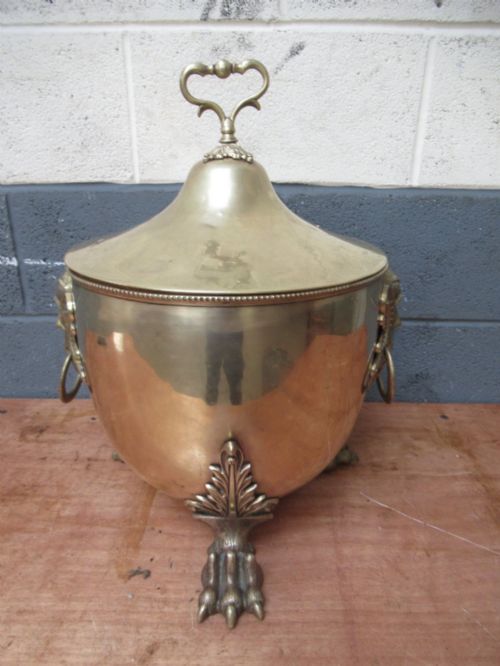
A metal ash bucket serves as a sturdy container for hearth debris, combining utility with decorative metalwork. These vessels appear in forms such as coal buckets, scuttles, pails, bins, and cauldrons designed to sit beside domestic fireplaces.
The pieces listed span periods from the Georgian era through Victorian, Edwardian, and Art Deco designs. Buyers frequently encounter nineteenth-century copper and brass examples alongside Arts and Crafts and Art Nouveau variations.
Materials and construction
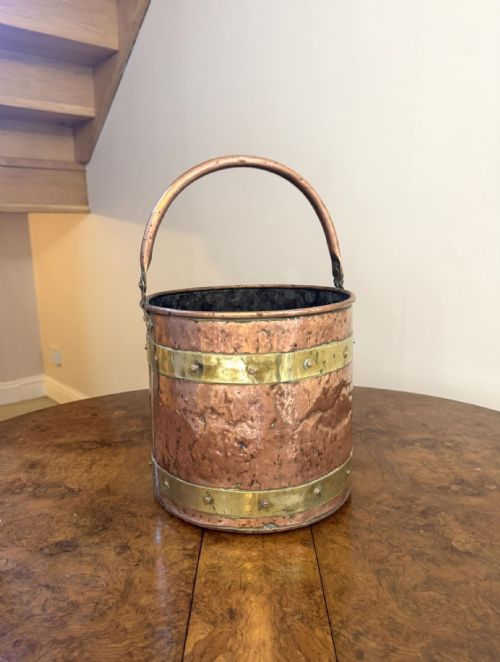
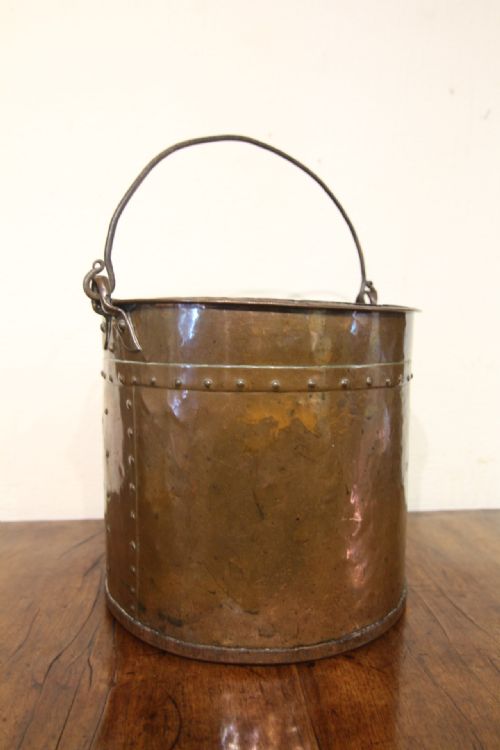
Metal ash buckets rely primarily on copper, brass, and iron, often featuring riveted seams, wrought iron handles, and timber elements. Workshops utilised heavy-gauge sheet metals, joining them with visible rivets or smooth seams to contain weighty fuel and ash.
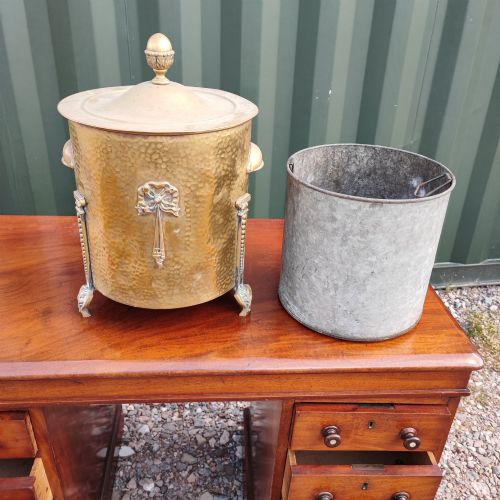
Surviving items demonstrate various surface finishes, from polished brass and hammered copper dinanderie to galvanised metal and patinated iron. Liners of wood or secondary metals frequently support the main structure to handle moisture and heat.
Current listings feature copper, brass, and wrought iron across Victorian, Edwardian, and Art Deco periods.
Evaluating quality
Quality rests upon metal gauge thickness, structural integrity, and hand-finished detailing such as hammered surfaces or decorative tavern scenes. Substantial weight and secure riveting indicate superior domestic manufacturing.
Design execution distinguishes standard utilitarian containers from artistic examples representing specific movements like Arts and Crafts or Art Nouveau. Original liners, intact handles, and balanced proportions elevate a piece above ordinary utility.
The Metal Ash Bucket Glossary
- Scuttle
- A metal container with a sloping mouth and a swinging handle designed for carrying coal or ash. This form allows easy tipping into hearth grates.
- Dinanderie
- An art form involving beaten and engraved brass, copper, or bronze objects. Items utilise this decorative metalworking technique for textured surface patterns.
- Riveted
- Joined together using metal bolts hammered flat at the ends. This method provides robust structural strength for heavy containers.
- Helmet scuttle
- A bucket shaped with an asymmetrical flared rim resembling a traditional helmet. The design directs fuel cleanly towards the fire.
Metal Ash Bucket: Frequently Asked Questions
What is a metal ash bucket?
A metal ash bucket is a utilitarian hearth vessel formed from copper, brass, or iron to store and transport fuel or fire waste. These containers combine practical metal construction with period decorative styles.
Craftsmen shaped these items into scuttles, bins, and pails intended for daily fireside service. Their sturdy build allowed them to withstand heavy daily use in period homes.
How do I date a metal ash bucket?
Dating relies upon stylistic markers such as Arts and Crafts hand-hammering, Art Nouveau motifs, or Georgian proportions. Material choices and manufacturing methods also indicate the period of origin.
Nineteenth-century pieces frequently showcase heavy copper construction with visible riveted seams. Later Edwardian and twentieth-century examples often introduce different handle attachments and liner materials.
Can I use an antique bucket for coal?
Many surviving vessels were built specifically for solid fuel storage and remain entirely functional for modern hearths. Checking the interior condition helps determine suitability for active use.
Some pieces benefit from modern or replacement liners to protect historic metalwork from moisture and abrasion. Gentle handling preserves the original patina and structural joins.
How do I clean copper and brass?
Maintaining these metals involves removing dust with a soft cloth while preserving the historic surface oxidation known as patina. Aggressive abrasive cleaning strips away age and character.
Specialist metal cleaners can reduce active tarnishing if a bright finish is desired, though many collectors prefer untouched surfaces. Regular dusting prevents debris accumulation in hammered textures and riveted joints.