

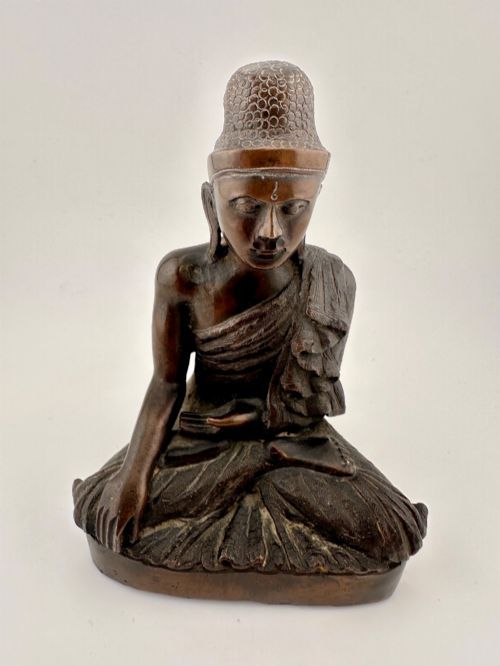
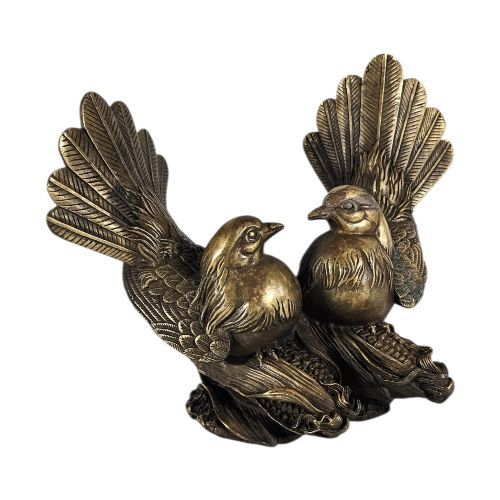
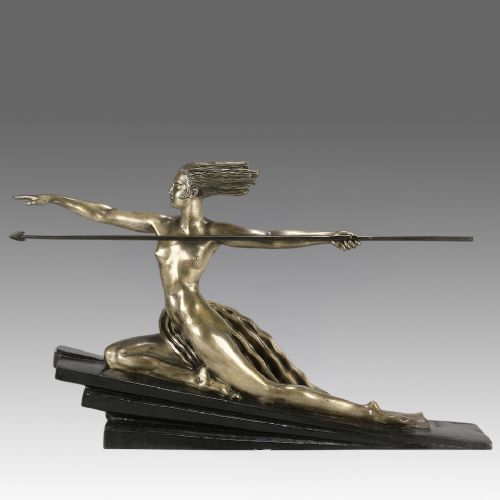
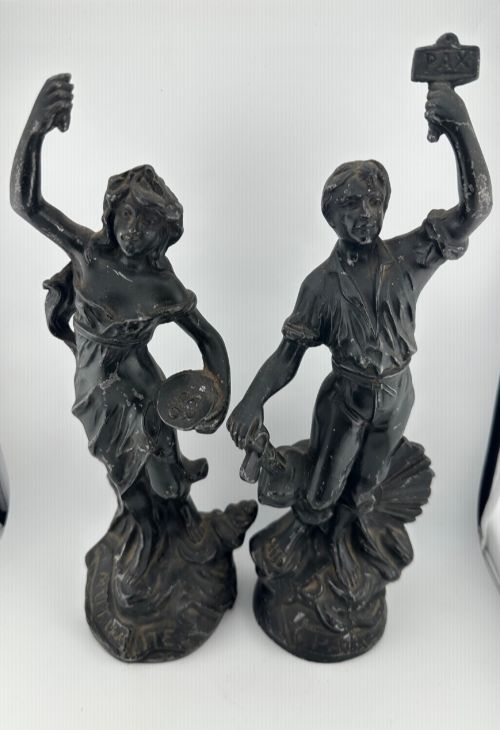





Metal Art Figure
These metal art figure examples span the late nineteenth century to the mid twentieth century, uniting diverse continental foundries and studio output.
Metal Art Figure
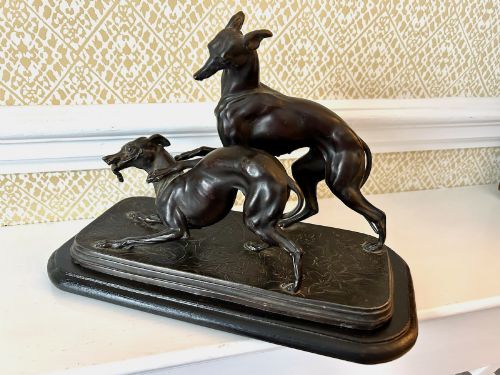
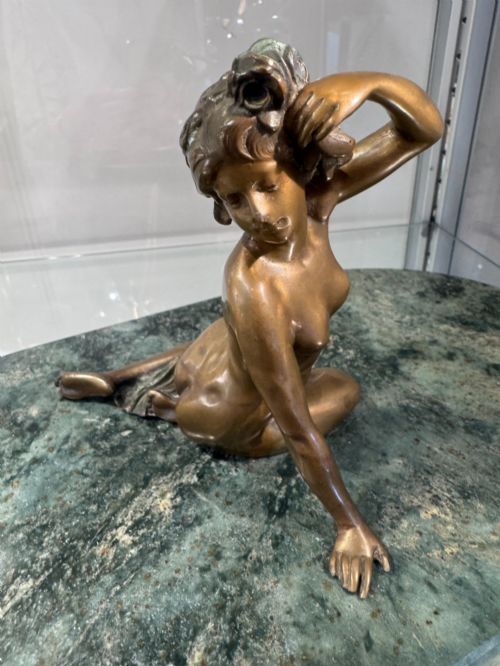
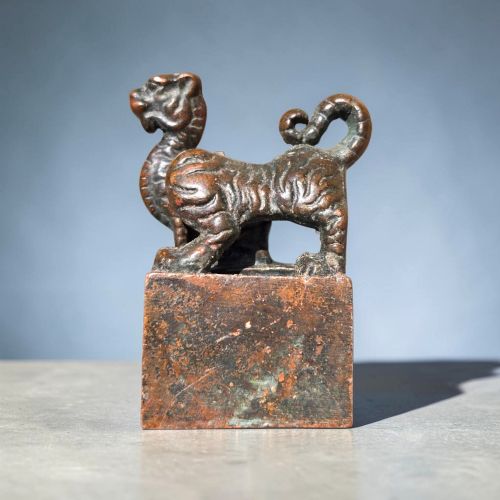
When you search for a metal art figure, you encounter sculptural works produced primarily during the late nineteenth and early twentieth centuries. These objects range from naturalistic animal studies and classical nudes to stylised dancers and allegorical subjects.
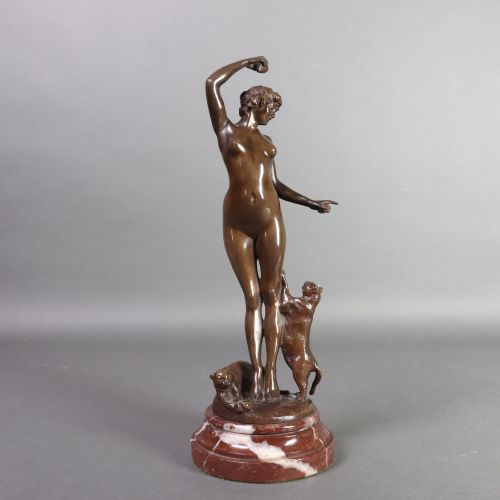
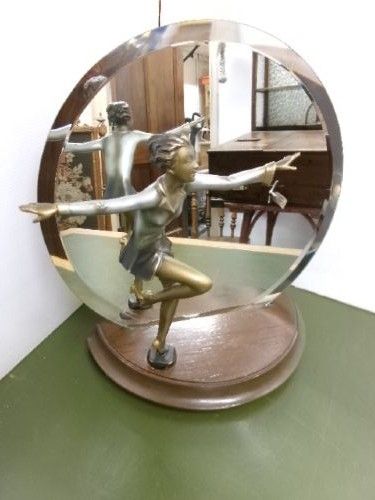
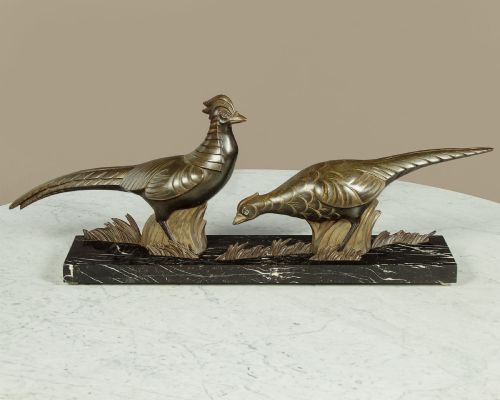
The versions most frequently met on this page include Art Deco spelter dancers, Art Nouveau bronze maidens seated on marble bases, and cold-painted bronze desk accessories. Subjects span European foundry output, orientalist studies, and utilitarian items such as bookends and mantel clocks.
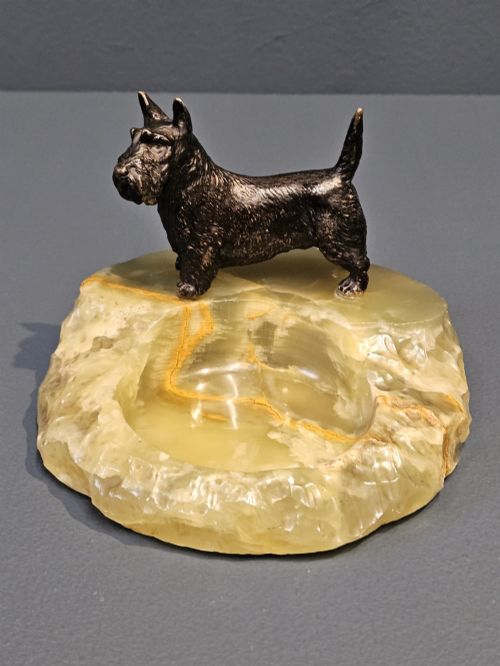
Pieces frequently incorporate bases of onyx, marble or wood, anchoring figures of varying scale intended for domestic display. Stylistic influences draw heavily upon French applied arts, Viennese cold-painted bronzes, and international expositions from the interwar period.
Materials and Casting Techniques
Foundries utilised bronze and spelter as primary metallic mediums, applying patination, cold-painting or gilt finishes to enhance surface detail. Spelter, a zinc alloy, provided an economical alternative to bronze while permitting intricate casting of Art Deco and Art Nouveau forms.
Cold-painting involved applying polychrome paint layers to finished bronze surfaces without subsequent firing, a technique prevalent in Viennese animalier and human figures. Mounts frequently integrated contrasting natural materials such as veined marble, onyx, or carved wood to support the metal compositions.
Metal Art Figure Retail Price Guide 2026
Typical asking prices for metal art figure among the pieces listed under this phrase on Sellingantiques today, from the lower quarter to the upper quarter. They describe what is for sale here now, not the wider market.
Materials appearing across current inventory include carved marble, onyx bases, crystal glass, and cloisonne enamel alongside cast metals.
Craftsmanship and Finish
Differentiation across the range rests upon the crispness of the original cast and the preservation of hand-applied surface treatments. Superior examples retain original cold-painted polychromy, smooth patination, and sharp chiselling that preserves the sculptor's intended textures.
Base construction and material selection also distinguish individual pieces, with dense marbles and integrated foundry marks indicating higher production standards. Lesser examples exhibit softened cast details, replacement finishes, or simpler white metal compositions lacking secondary chasing.
Gustave Dussart·Jean de Roncourt·E Villanis·Josef Lorenzl·Frederic Remington·L and F Moreau·Emile Carlier·Henri Godet·P Sega
The Metal Art Figure Glossary
- Spelter
- A zinc alloy commonly utilised for sculptural casting during the nineteenth and twentieth centuries. It served as a cost-effective substitute for bronze and took patination or paint finishes readily.
- Cold-painted bronze
- A method where bronze sculptures received polychrome paint details applied directly to the metal surface without kiln firing. This technique gained particular prominence in Viennese workshops.
- Patination
- The chemical or natural alteration of a metallic surface resulting in a distinct coloration. Foundries applied various solutions to bronze to produce deep browns, greens, or black tones.
- Art Deco
- A design movement prevalent during the 1920s and 1930s characterised by stylised geometry, streamlined silhouettes, and depictions of modern speed and dance. It succeeded the flowing organic lines of Art Nouveau.
- Art Nouveau
- An international style prominent around 1900 inspired by natural forms, plant motifs, and undulating lines. Sculptures from this period frequently feature sweeping female hair and floral integration.
Metal Art Figure: Frequently Asked Questions
What is spelter?
Spelter is a zinc-based alloy used extensively by European foundries to cast decorative figures and sculptural groups during the late nineteenth and early twentieth centuries. It offered a less expensive alternative to bronze.
Objects cast in spelter are typically lighter than bronze and frequently bear patinated or painted finishes designed to simulate more costly metals. They form a substantial portion of decorative desk items and shelf figures from the period.
How do I clean patinated metal?
Cleaning patinated metal requires gentle dusting with a soft, dry cloth to prevent accumulation of particulate matter. Moisture and chemical polishes strip away original patinas and historical finishes.
Preserving the integrity of the surface means avoiding abrasive cleaners entirely. Professional conservation advice should be sought if deeper cleaning becomes necessary.
What distinguishes Art Deco from Art Nouveau?
Art Nouveau figures, emerging around 1900, feature flowing organic lines, natural asymmetry, and motifs inspired by plants and hair. They emphasise organic fluidity and graceful movement.
Art Deco works from the 1920s and 1930s adopt geometric precision, angular symmetry, and stylised representations of machinery, athletes, and dancers. The two periods represent distinct shifts in twentieth-century applied arts.
Where were these figures displayed?
These figures populated middle and upper-class domestic interiors as mantelpiece ornaments, desk accessories, or library focal points. Many served functional roles as bookends, lamps, or ash trays.
Larger sculptures stood on dedicated pedestals or side tables within reception rooms. Smaller gilt and cold-painted bronzes decorated cabinets and writing surfaces.