

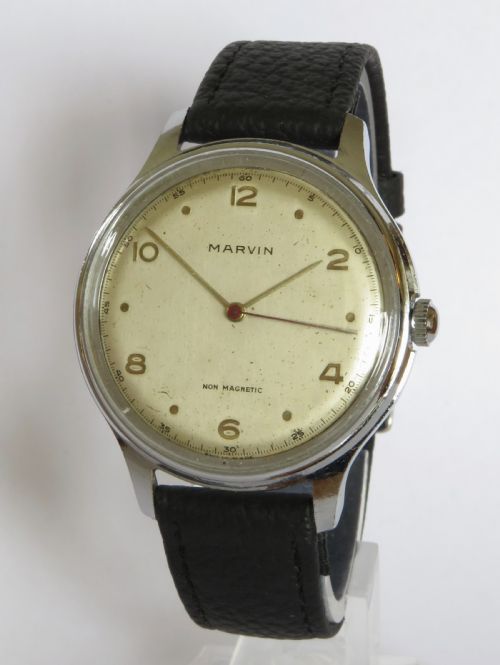
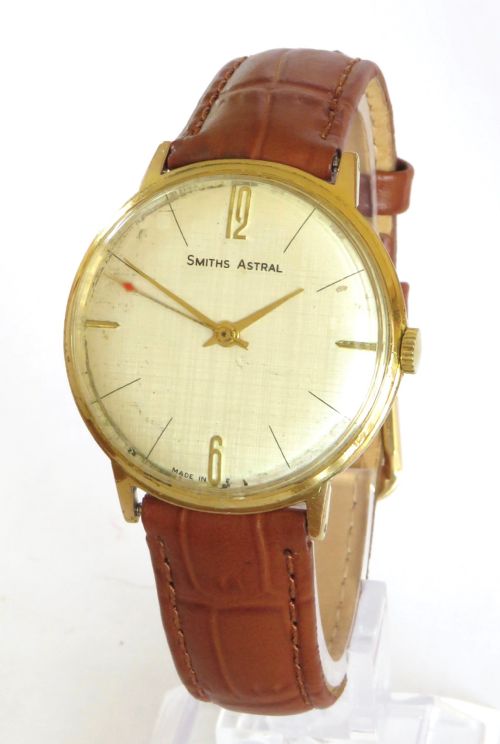
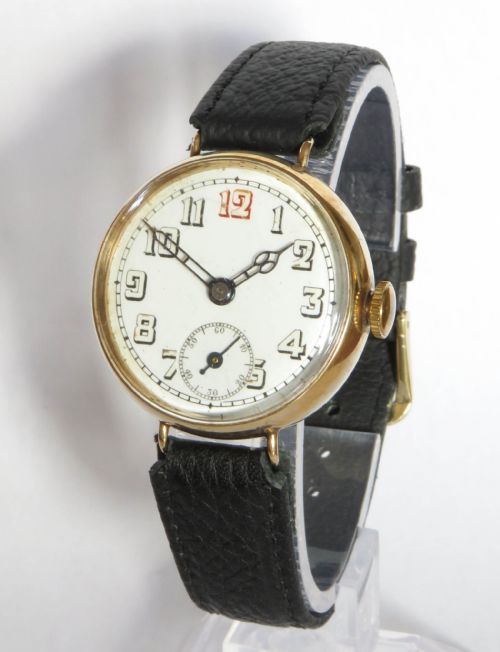
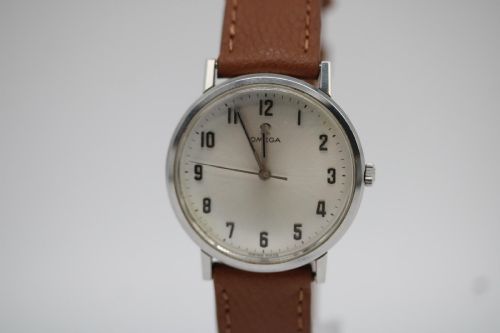
Mens Wrist Watch
A mens wrist watch brings mechanical precision and decades of quiet style straight to the wrist.
Mens Wrist Watch
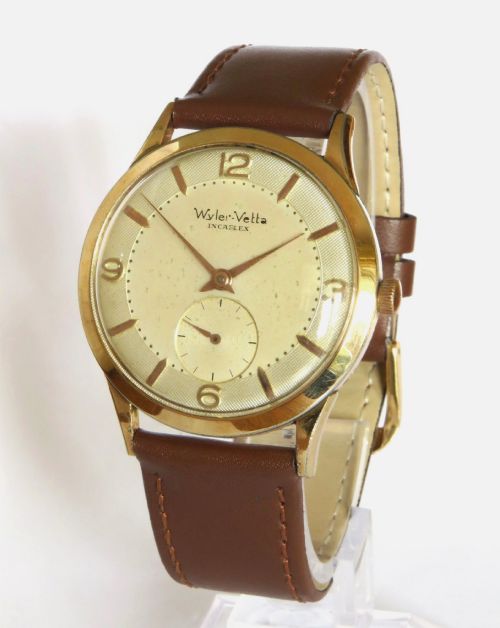
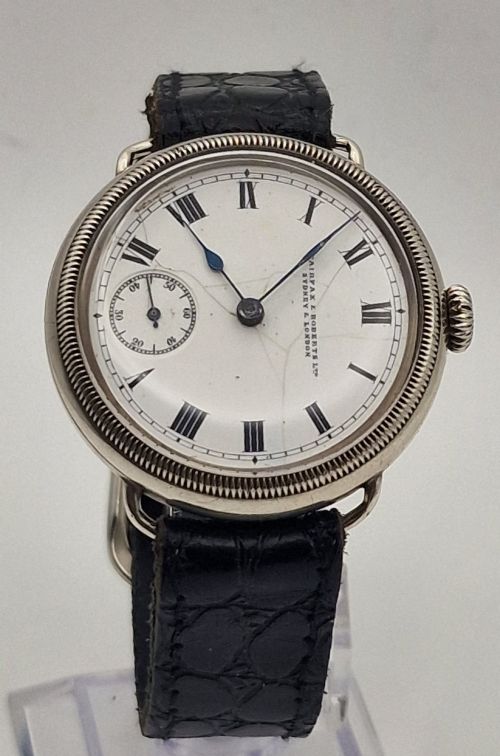
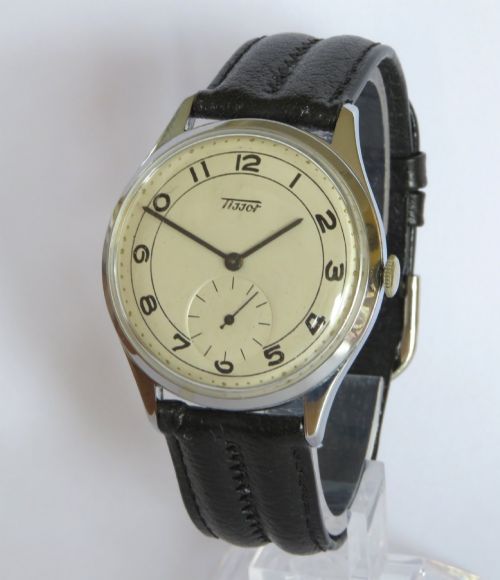
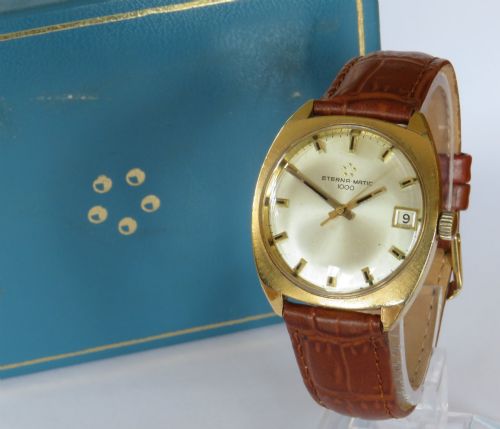
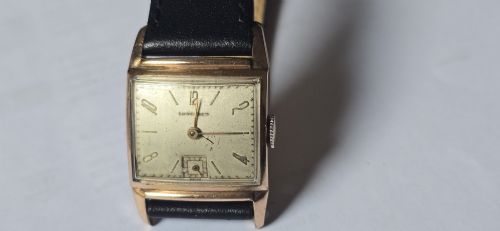
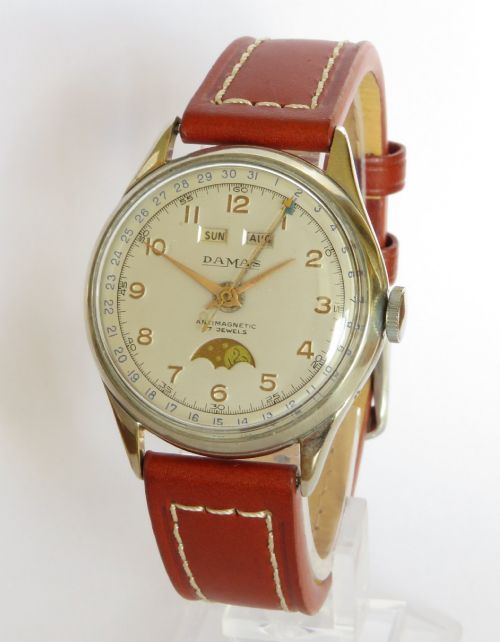
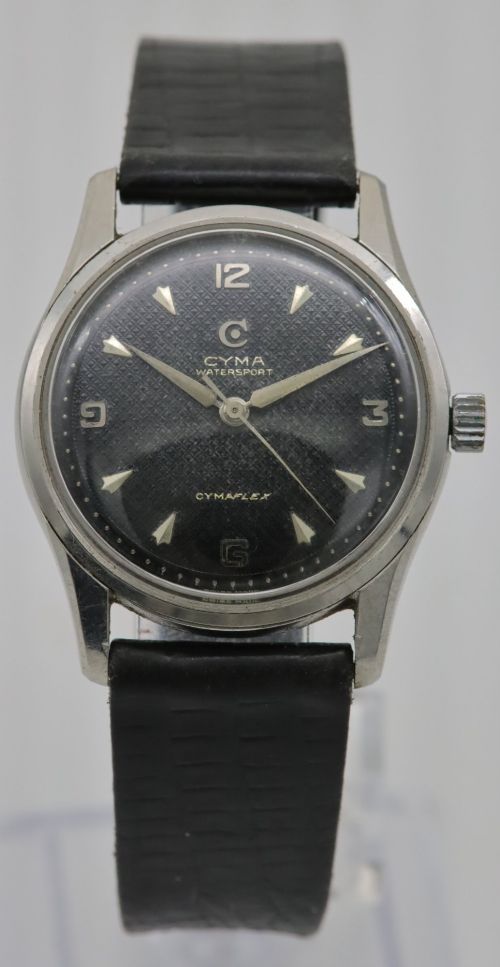
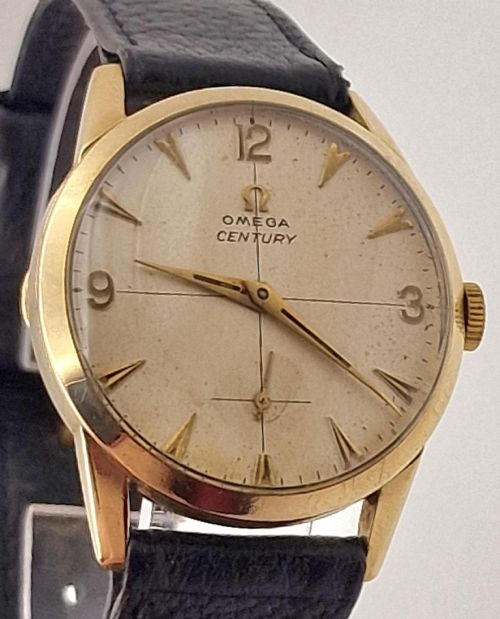
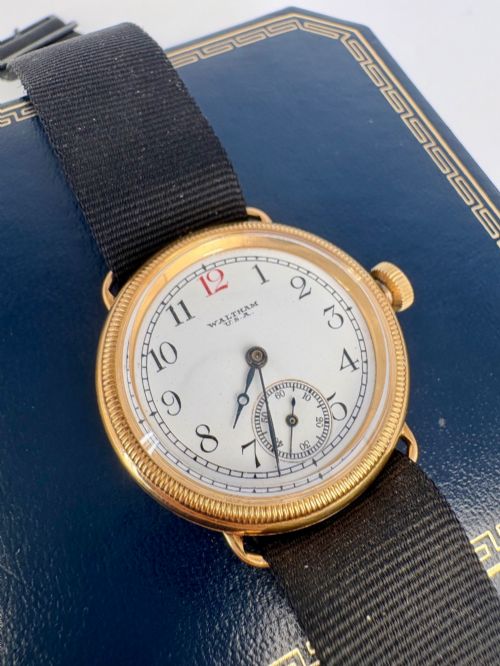
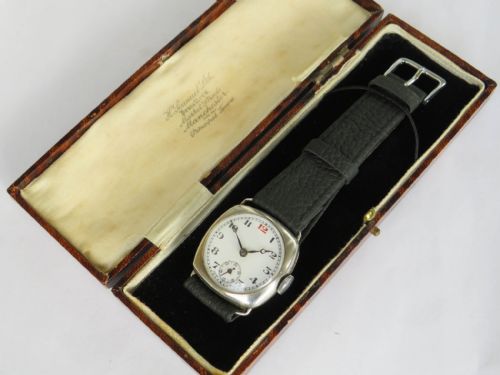
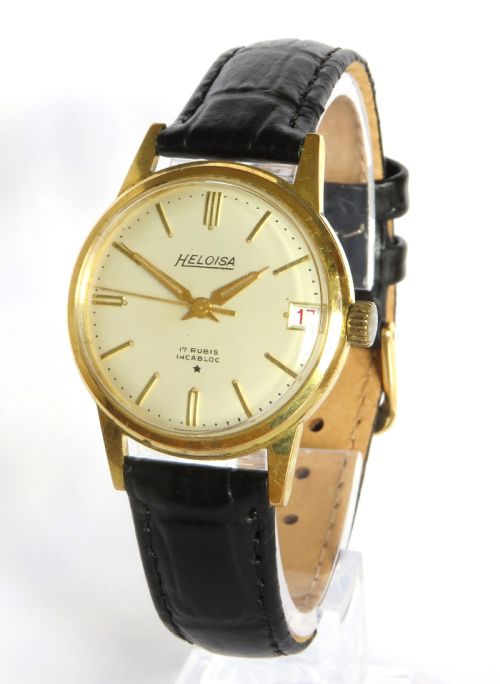
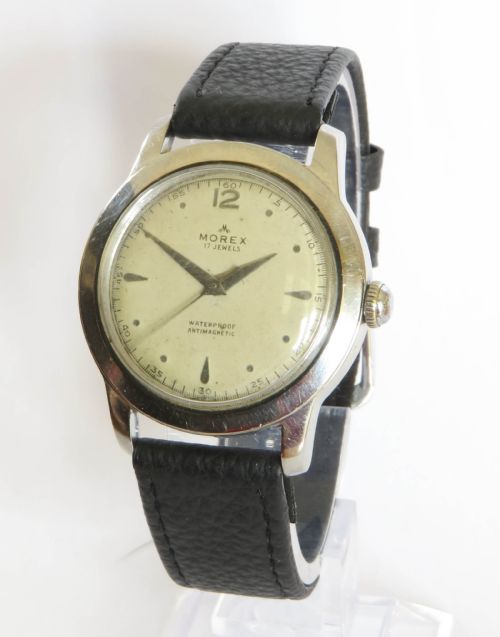
A mens wrist watch spans several decades of horological design, taking in the clean geometry of the 1930s through to the robust automatics of the 1960s. Buyers searching for a mens wrist watch frequently encounter mechanical timepieces driven by hand-wound or automatic movements housed in steel, gold plate, or solid gold.
The selection ranges from utilitarian military designs of the 1940s to refined dress pieces featuring signed dials and date complications. Swiss and British workshops feature prominently, offering everything from robust waterproof cases to slim dress calibres.
Materials and construction
Cases are formed from stainless steel, chrome, gold plate, or solid nine-carat and eighteen-carat gold, paired with durable leather straps or metal bracelets. Dials are protected by glass or acrylic crystals, often housing complex mechanical movements with jewelled lever escapements.
Movements rely on intricate gear trains, balance wheels, and mainsprings, with some examples utilising bumper automatics or rotor self-winding systems. Case backs are typically threaded or press-fit, designed to shield the internal mechanics from dust and moisture.
Mens Wrist Watch Retail Price Guide 2026
Typical asking prices for mens wrist watch among the pieces listed under this phrase on Sellingantiques today, from the lower quarter to the upper quarter. They describe what is for sale here now, not the wider market.
Listings span five decades from the 1920s to the 1970s, featuring both Swiss and British production.
Factors of distinction
Quality rests on the originality of the dial, the precision of the movement, and the integrity of the case geometry. Untouched dials with legible typography and unpolished case edges command attention from discerning collectors.
The sophistication of the internal calibre, whether a chronometer-grade Swiss movement or a robust local production, dictates the mechanical standing of each piece.
Smiths·Omega·Tudor·Cyma·Seiko·Bulova·Rolex·Longines
The Mens Wrist Watch Glossary
- Automatic
- A self-winding mechanical movement that uses a weighted rotor to tension the mainspring during everyday wrist movement. This system removes the need for daily manual winding.
- Calibre
- The specific manufacturer's designation for a particular watch movement design. Collectors use this number to identify the exact internal mechanism.
- Chronograph
- A watch equipped with a stopwatch function alongside its standard timekeeping display. Independent sub-dials track elapsed seconds and minutes.
- Crystal
- The transparent cover protecting the watch dial, shaped from glass or acrylic. Acrylic versions can often be polished to remove light surface scratches.
- Escapement
- The internal mechanism that controls the release of power from the mainspring to the gear train. It gives the watch its characteristic ticking sound.
Mens Wrist Watch: Frequently Asked Questions
How do I wind a vintage watch?
Turn the crown gently clockwise between your thumb and forefinger until you feel firm resistance. Stop immediately to avoid over-tensioning the mainspring.
For automatic models, gentle wrist movement powers the internal rotor, though a few initial turns of the crown help start the mechanism after a period of rest.
Can I wear my vintage watch daily?
Many vintage timepieces handle regular daily wear quite comfortably provided they receive proper mechanical servicing. Pairing a sturdy steel case with a flexible leather strap creates a reliable everyday companion.
Avoid exposing older pieces to heavy moisture or strong magnetic fields unless the case specifically indicates modern waterproof construction.
What is a bumper automatic movement?
A bumper automatic relies on a semi-circular weighted rotor that swings back and forth within a limited arc rather than spinning in a full circle. You can often feel a gentle tap against the internal spring buffers as your wrist moves.
This early self-winding technology represents an important transitional step in mid-century watchmaking before full rotor systems became standard.
How do I read a watch dial date?
Date displays typically appear through a small rectangular aperture cut into the dial, sometimes magnified by a cyclops lens on the crystal. Simple calendar models advance the date every twenty-four hours.
More complex calendar variants require manual adjustment at the end of shorter months to keep the calendar synchronised.