

Meiji Relief Vase
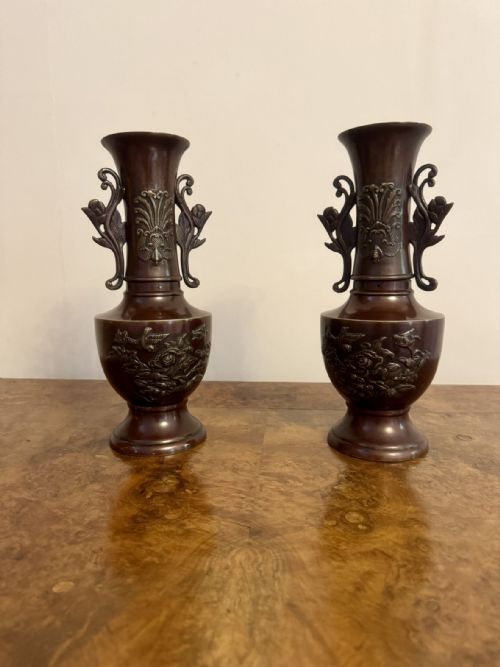
These pieces are meiji relief vases, bringing Japanese craftsmanship and detailed metalwork or pottery into a room.
Meiji Relief Vase
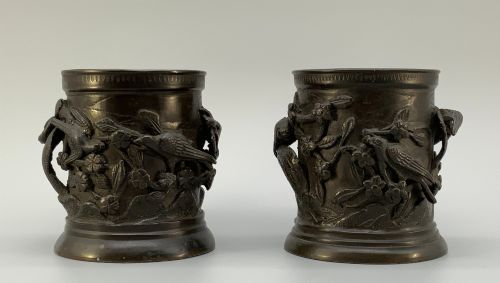
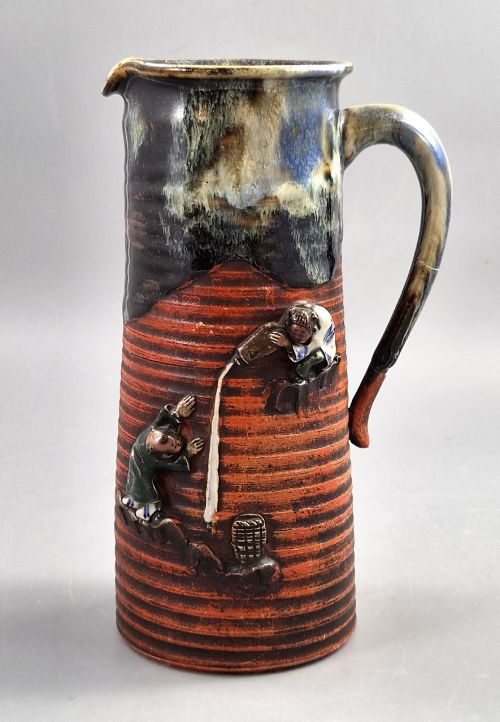
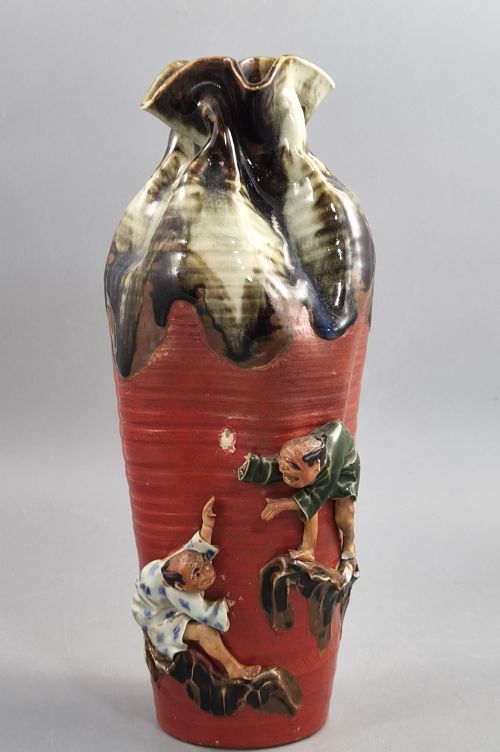
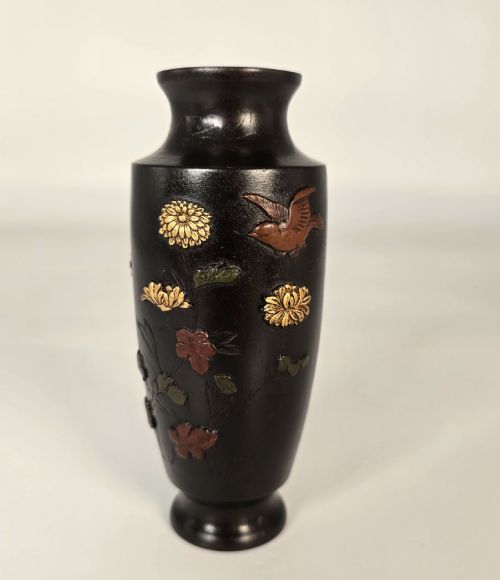
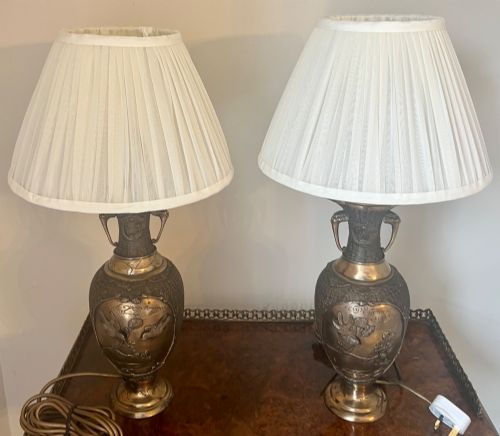
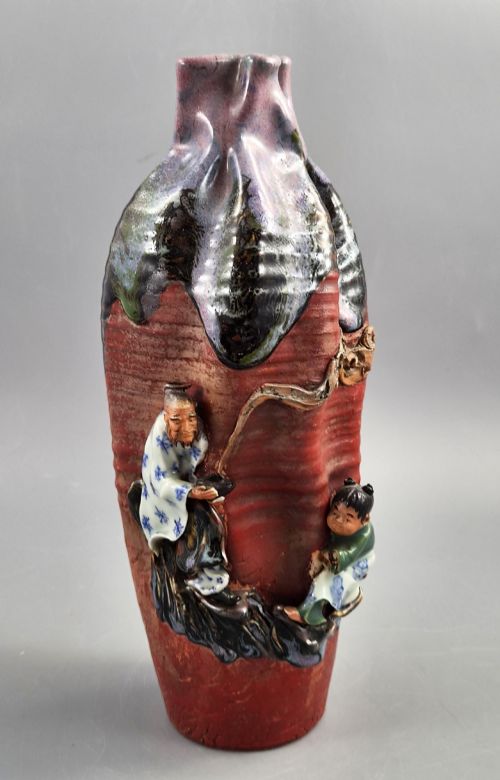
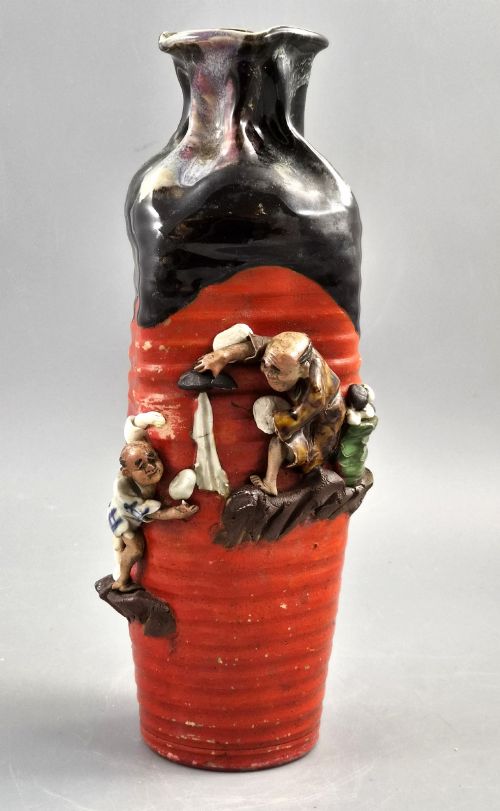
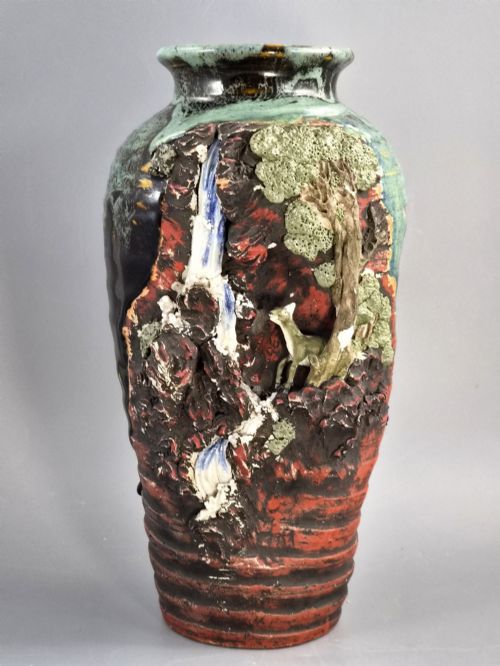
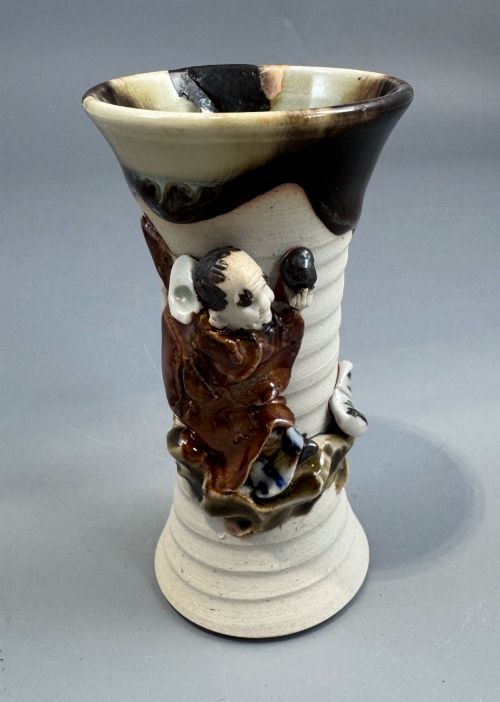
When searching for a meiji relief vase, you encounter Japanese decorative works produced during the Meiji period, spanning the late nineteenth and early twentieth centuries. These pieces encompass bronze vessels with raised metal details and distinct earthenware or stoneware pottery featuring applied sculptural figures.
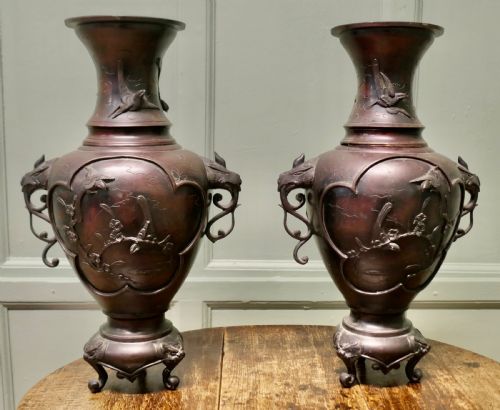
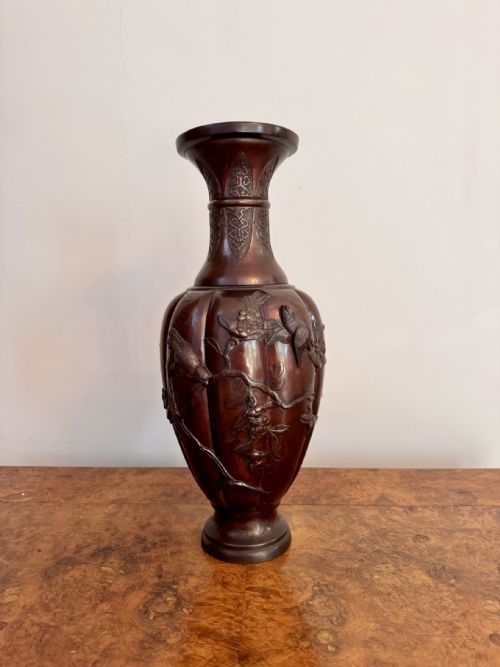
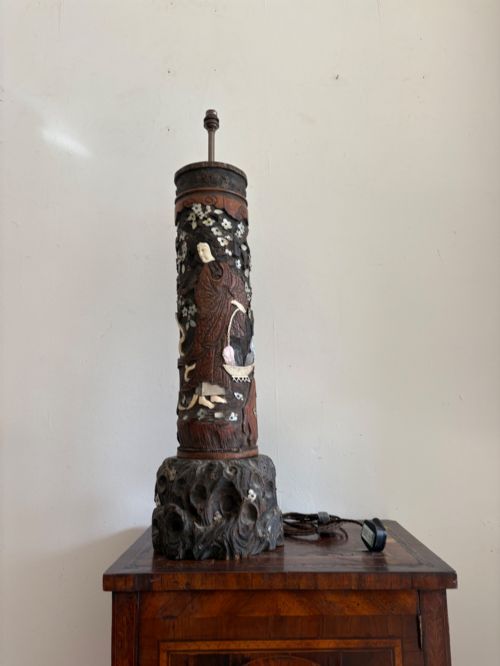
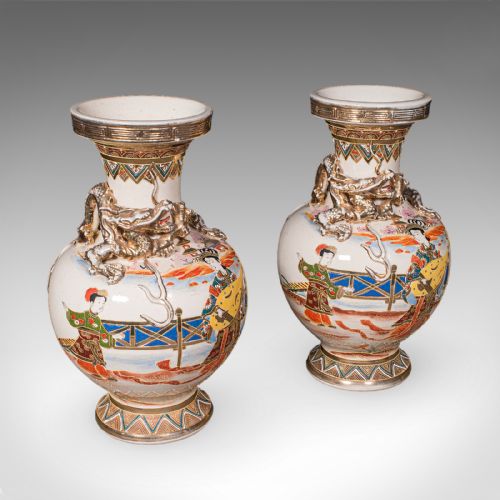
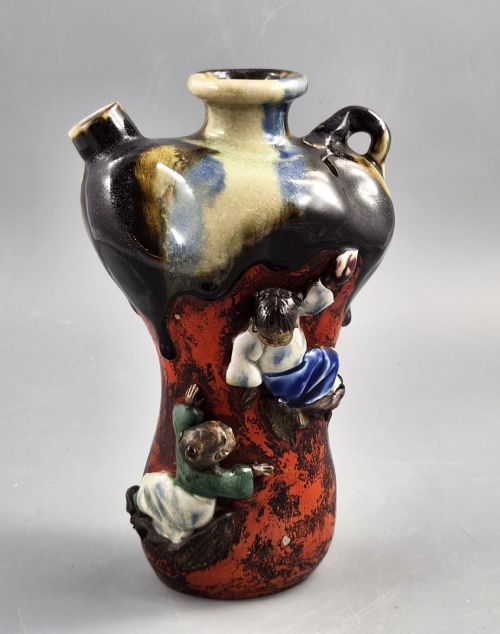
You are most likely to meet bronze vases displaying birds, blossom, or dragons, alongside Sumida Gawa art pottery with distinctive flambe glazes and modelled figures. Forms range from tall baluster urns and jardiniere pots to table lamps adapted from earlier vessels.
Originating from Japan during an era of significant artistic output for export and domestic markets, these items showcase diverse object types including decorative vases, pitchers, and twin-handle vessels. The selection bridges traditional metalcasting and expressive ceramic traditions.
What varies in quality
The distinction between standard production and the top of the range lies in the crispness of the casting and the depth of the relief work. Superior bronze examples display finely chased birds and foliage, whereas lesser pieces show softer, less defined surface detailing.
Ceramic quality is determined by the control of the glaze and the modelling of applied figures. Hand-applied figures on Sumida Gawa pottery that demonstrate individual expression and secure attachment represent higher execution than simplified or mass-moulded additions.
Some vessels feature tiny applied children peering over the rim, seemingly watching the room.
Inoue Ryosai·Makuzu Kozan II
The Meiji Relief Vase Glossary
- Meiji Period
- The era in Japanese history lasting from 1868 to 1912, characterised by opening trade and distinctive decorative arts. Pieces from this time often bear signatures or marks from prominent workshops.
- Sumida Gawa
- A type of Japanese art pottery originating near Tokyo, known for heavy glazes and applied sculptural figures. These vessels frequently feature pinched rims and textured surfaces.
- Flambe Glaze
- A richly streaked or mottled ceramic finish achieved through kiln firing variations. Colours typically transition between lavender, oxblood, and deep reds.
- Mixed Metal
- A decorative technique combining bronze, copper, and other metal alloys on a single object. This method creates contrasting metallic tones within the relief design.
- Jardiniere
- A large ornamental pot designed to hold plants or floral arrangements. In this context, they share the raised decorative motifs of contemporary vases.
Meiji Relief Vase: Frequently Asked Questions
How do I identify a Meiji period bronze vase?
Meiji period bronze vases are identified by their dark patination, dense casting weight, and raised motifs depicting birds, dragons, or floral sprays. Many incorporate mixed metal highlights or signatures from the maker.
Examining the base and interior often reveals traditional casting seams and ageing consistent with late nineteenth-century Japanese metalwork methods.
What is Sumida Gawa pottery?
Sumida Gawa pottery is a distinct type of Japanese ceramic featuring heavily textured glazes and applied sculptural figures of sages, children, or animals. These pieces often have a raw, unglazed clay body contrasting with dripping flambe finishes.
Originating around the turn of the twentieth century, they are frequently signed by the potter near the base.
Can these vases be used for fresh flowers?
Many of these vessels were created as decorative display items rather than functional water holders, particularly those with complex metal construction or delicate applied ceramic figures. Using them for dry arrangements protects the interior lining.
Checking the waterproof integrity of older bronze or earthenware bodies prevents moisture damage to the piece.
How should I display a bronze vase at home?
Bronze and mixed metal vases benefit from placement where directional light catches the raised relief details and patinated surfaces. Positioning them on sturdy, level tables or cabinets ensures stability given their considerable weight.
Keeping them away from direct heat sources preserves the stability of the metal and any applied patination.