





Meiji Porcelain Wall Dish
A meiji porcelain wall dish brings vibrant hand-painted colour and intricate traditional artistry directly into modern interiors.
Meiji Porcelain Wall Dish
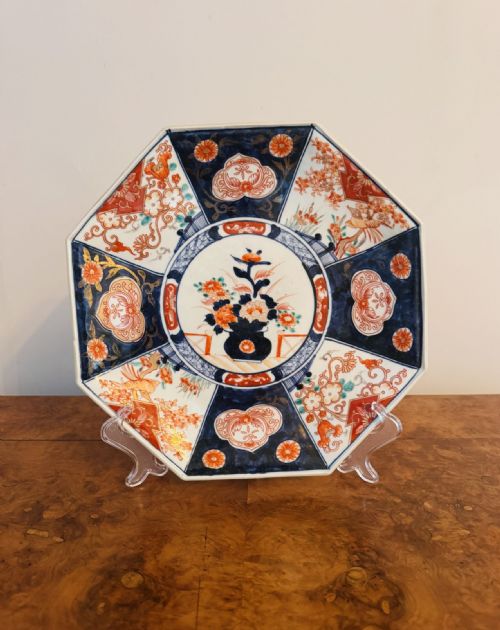
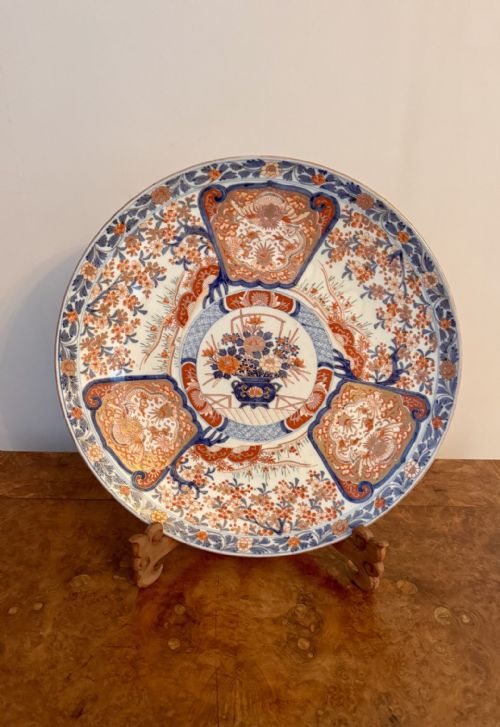
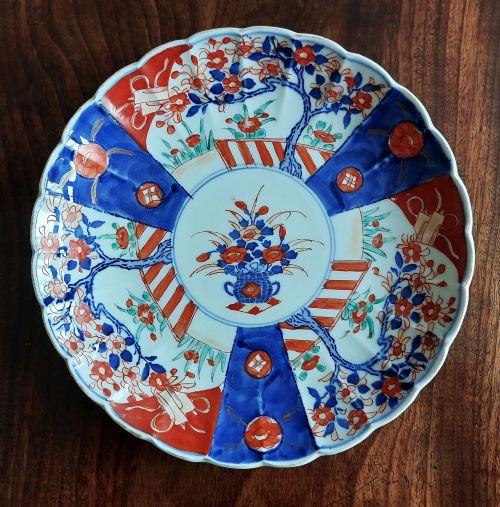
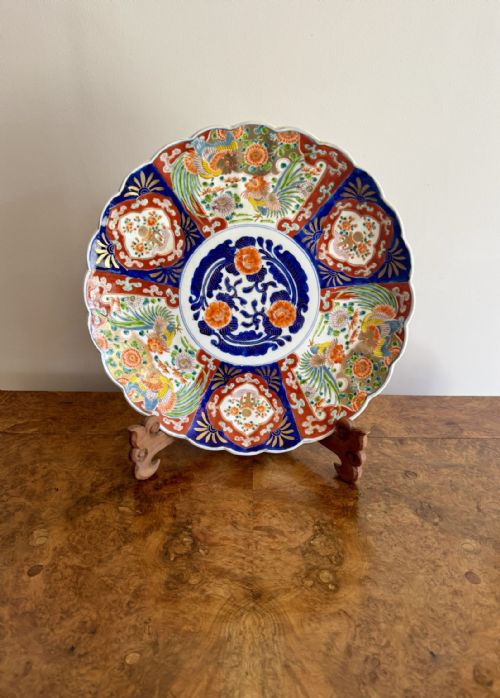
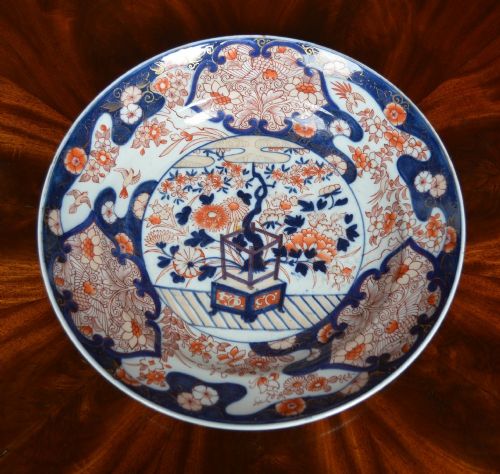
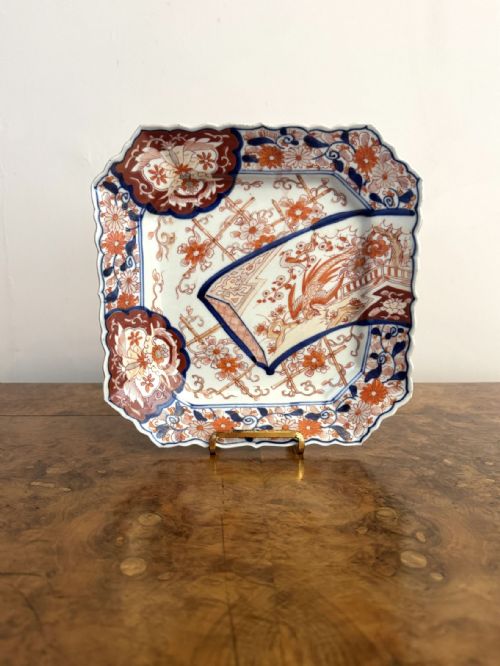
A meiji porcelain wall dish typically takes the form of a decorative plate, charger or oval dish produced during the late nineteenth and early twentieth centuries. These objects reflect the rich craft traditions of Japan during the Meiji period, alongside associated periods such as Taisho and Victorian eras.
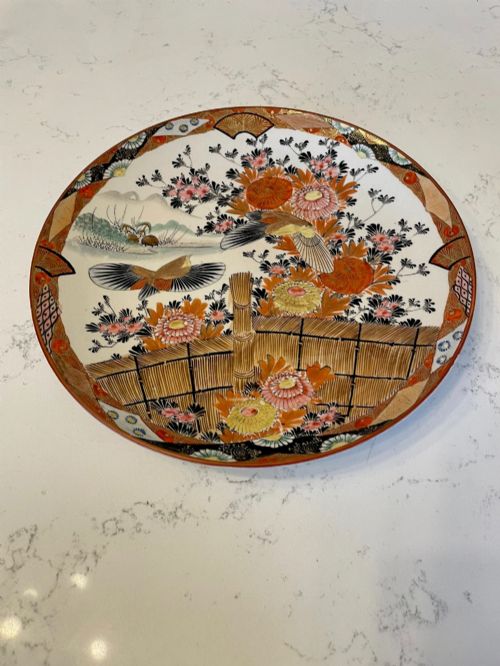
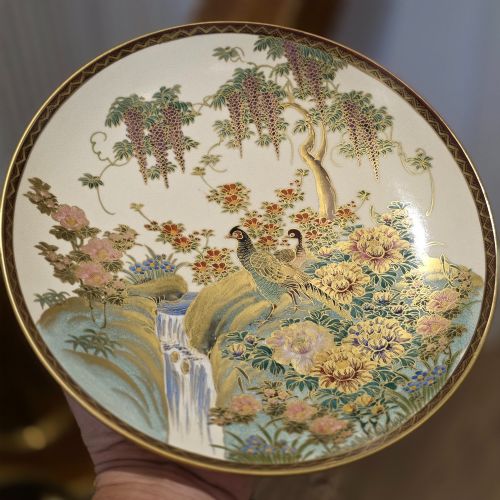
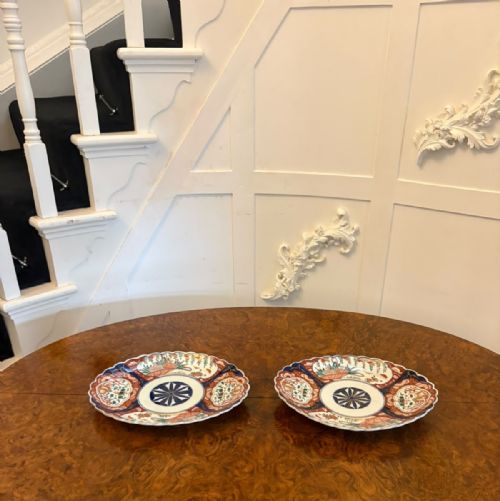
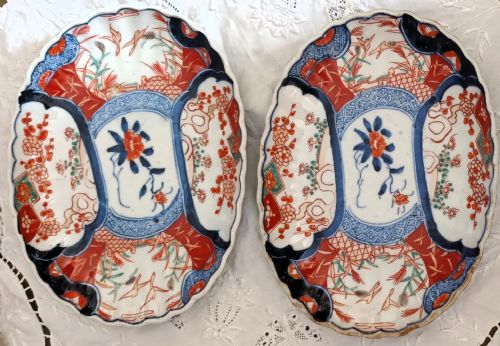
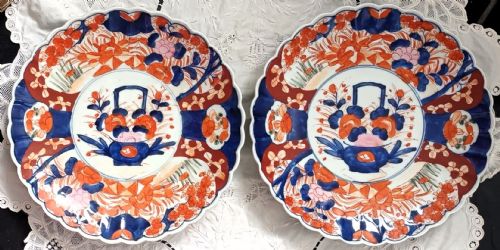
The selection here consists largely of Japanese Imari wares, alongside Satsuma, Kutani and Arita pieces. Buyers will find individual plates, matched pairs and larger sets intended for wall hanging or surface display.
Forms range from standard round chargers and scalloped edges to square plates and oval dishes. Many incorporate traditional motifs such as exotic birds, peacocks, wisteria, peonies and the Seven Lucky Gods.
How they were made
These items rely on ceramic and porcelain bodies decorated with cobalt underglaze, enamel and sometimes gold leaf or gilt. Makers applied pigments directly to the fired clay before adding clear or coloured glazes to achieve a durable finish.
Certain examples utilise specialised techniques like Totai Shippo, combining porcelain with cloisonne tree bark effects. Hand painting remains standard across the range, requiring precise brushwork for intricate botanical and figural scenes.
Listings feature porcelain, earthenware, enamel, and gold leaf applied across the nineteenth and early twentieth centuries.
What varies in quality
Quality rests primarily on the crispness and complexity of the hand-painted decoration, where finer brushwork and richer enamel palettes distinguish superior examples. The density and symmetry of motifs, from exotic birds to elaborate floral arrangements, dictate the visual depth of each dish.
The choice of body material and secondary elements such as gold leaf application also separates standard output from exceptional pieces. Heavier chargers and unusual shapes, including square or scalloped formats, often demonstrate greater ambition in production.
Koshida
The Meiji Porcelain Wall Dish Glossary
- Imari
- A style of Japanese porcelain featuring a distinct palette of cobalt blue and iron red, frequently augmented with gold.
- Charger
- A large decorative plate traditionally used for formal display rather than dining.
- Satsuma
- A type of Japanese earthenware or porcelain with a crackle-glaze finish, often heavily decorated with enamel and gilt.
- Totai Shippo
- A technique where enamel cloisonne is applied over a ceramic or porcelain core rather than metal.
- Arita
- The Japanese town and surrounding region long recognised as the birth-place of Japanese porcelain production.
Meiji Porcelain Wall Dish: Frequently Asked Questions
How do I hang a heavy charger?
Displaying a large plate safely requires a dedicated wall bracket or spring-loaded wire hanger designed to distribute weight evenly across the base and rim.
Ensure the fixing is anchored securely into solid walling rather than plasterboard alone to support the porcelain securely.
Can these dishes be used for food?
These historical items function primarily as decorative art objects rather than practical tableware for daily dining.
Older glazes and iron-based pigments are best preserved by avoiding direct contact with acidic foods and dishwashers.
What defines the Meiji period?
The Meiji era spans from eighteen sixty-eight to nineteen twelve, marking a period of rapid modernisation and international export for Japanese craftsmanship.
Porter and ceramic production during this time balanced traditional regional styles with techniques developed for Western markets.
How do Imari and Satsuma differ?
Imari wares use a vitrified porcelain body painted predominantly in cobalt blue and rust red with gilding. Satsuma pieces typically utilise a softer earthenware body with a fine crackle glaze beneath dense polychrome enamel work.