



Meiji Metal Sculpture
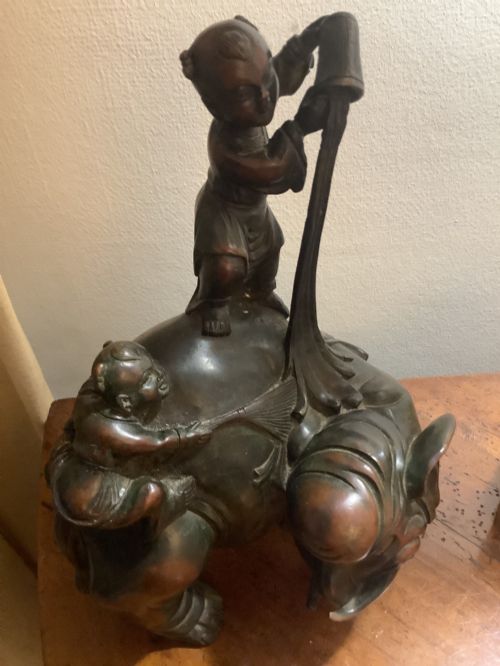
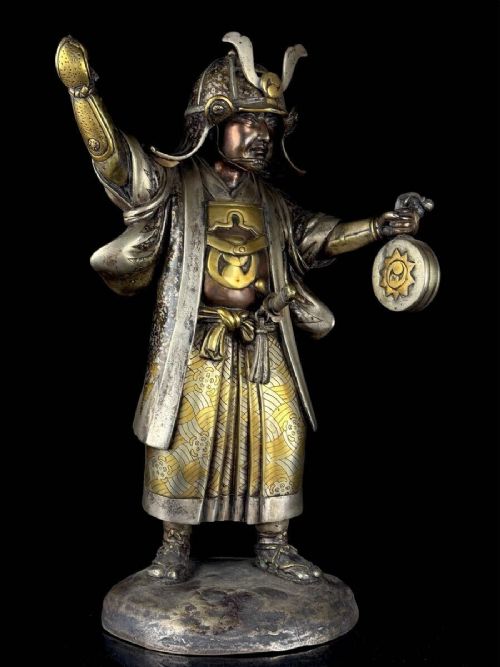
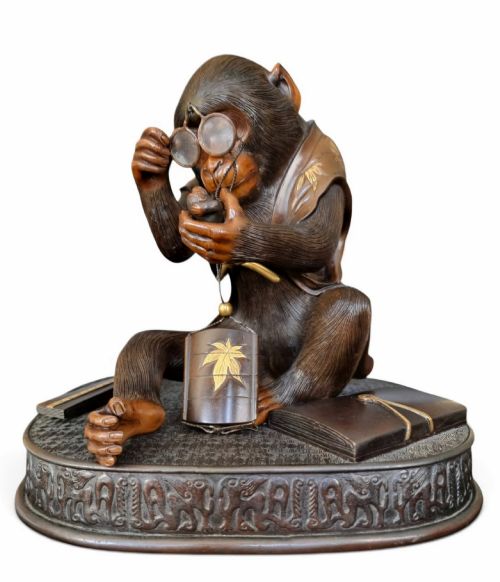
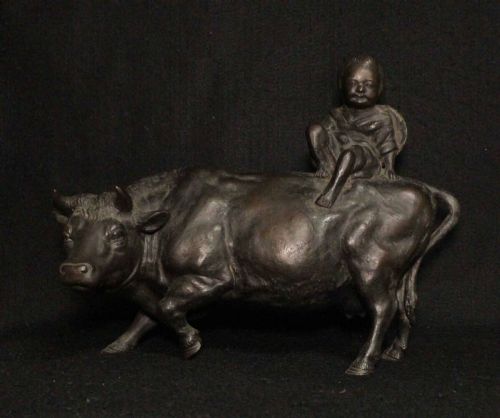
Meiji metal sculpture brings together extraordinary Japanese craftsmanship and naturalistic animal or figure subjects from the late nineteenth and early twentieth centuries.
Meiji Metal Sculpture
When you search for meiji metal sculpture, you are looking at nineteenth-century Japanese works spanning the Meiji period, primarily taking the form of okimono, vases, and figures. These pieces represent a golden age of metalwork where artisans rendered subjects from nature, mythology, and daily life with astonishing fidelity.
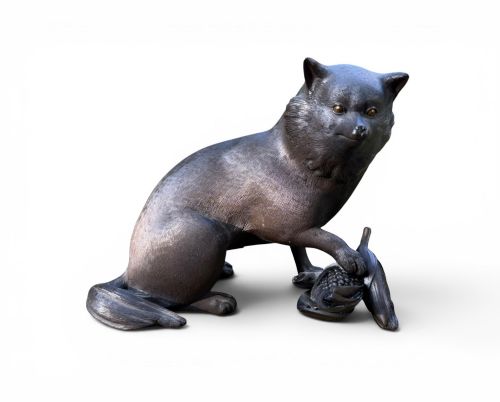
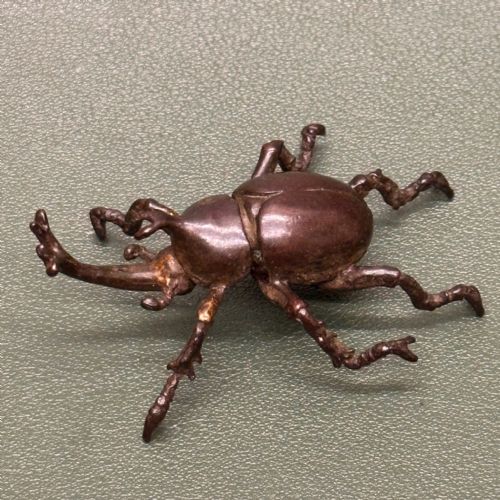
You are most likely to meet bronze and mixed metal okimono depicting animals such as monkeys, frogs, beetles, and birds, alongside larger garden statuary and decorative vases. The forms range from small cabinet pieces to monumental temple vessels and life-size animal figures.
The objects originate from the Meiji period and the decades immediately following, drawing upon distinct Japanese aesthetic traditions and the concurrent European interest in Japonisme. They serve as enduring examples of virtuoso casting and patination.
What varies in quality
The distinction between ordinary and exceptional work lies in the naturalism of the modelling and the finesse of the surface finish. Top-tier pieces capture muscular tension, feather texture, or anatomical precision with absolute conviction, whereas lesser examples can appear stiff or formulaic.
Signature work by known masters or distinguished workshops commands greater regard through superior metallurgical control, subtle mixed-metal contrasts, and deeply considered composition. The depth and longevity of the original patination further separate standard decorative items from museum-standard sculptures.
Meiji Metal Sculpture Retail Price Guide 2026
Typical asking prices for meiji metal sculpture among the pieces listed under this phrase on Sellingantiques today, from the lower quarter to the upper quarter. They describe what is for sale here now, not the wider market.
A French Bulldog cast in bronze during the nineteenth century proves that Meiji artisans could capture grumpy pet expressions just as well as mythical beasts.
Unno Shomin·Genryusai Seiya
The Meiji Metal Sculpture Glossary
- Okimono
- A Japanese ornamental object designed for display on a shelf or in a tokonoma alcove. These sculptures typically depict animals, figures, or legendary subjects in lively poses.
- Patinated Metal
- Metal treated with chemical solutions or heat to alter its surface colour and finish. This technique protects the underlying bronze or copper while creating rich visual depth.
- Mixed Metal
- An alloy or composite construction utilising multiple metals such as bronze, copper, and brass within a single piece. Artisans used this to create contrasting colours and textures without painting.
- Japonisme
- A late nineteenth-century European artistic movement inspired by Japanese art and design. It heavily influenced Western collectors and shaped how these metal sculptures were appreciated abroad.
- Garden Statuary
- Large-scale outdoor figures, urns, and planters cast to withstand external environments. These monumental pieces include life-size geese and temple vases.
Meiji Metal Sculpture: Frequently Asked Questions
What is an okimono?
An okimono is a standalone decorative sculpture meant for display in a domestic setting rather than a formal shrine. They were produced in great numbers during the Meiji period for both local and export markets.
These pieces range from tiny, detailed animals to substantial human figures and mythological subjects, carved or cast with immense care.
What defines the Meiji period?
The Meiji period spans the reign of the Emperor Meiji from 1868 to 1912, marking a time of rapid modernisation and increased artistic exchange with the West. Japanese metalworkers adapted traditional samurai sword-fitting techniques to decorative sculpture.
This era produced some of the most technically demanding metalwork in Japanese history, driven by international exhibitions and foreign demand.
Are articulated sculptures movable?
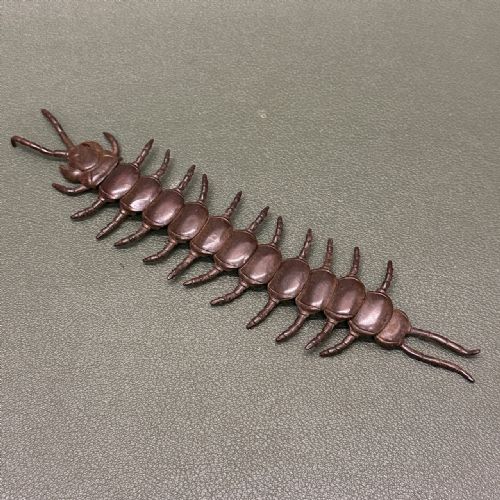
Yes, certain animal sculptures such as centipedes, beetles, and snakes feature articulated joints that allow segments to flex naturally. Artisans hinged individual metal plates together beneath the surface to mimic living movement.
These flexible creations represent some of the highest technical achievements of nineteenth-century Japanese metalworkers.
Where were these pieces displayed?
Smaller okimono and vases were typically displayed inside homes on wooden stands or within decorative alcoves. Larger bronze figures and garden urns were intended for courtyards, verandas, and landscaped gardens.
European collectors also incorporated them into Victorian drawing rooms, where they sat alongside other exotic items of the period.