




Meiji Kutani Porcelain
These Japanese works of art bring vibrant colour and intricate storytelling into any room through painted porcelain.
Meiji Kutani Porcelain
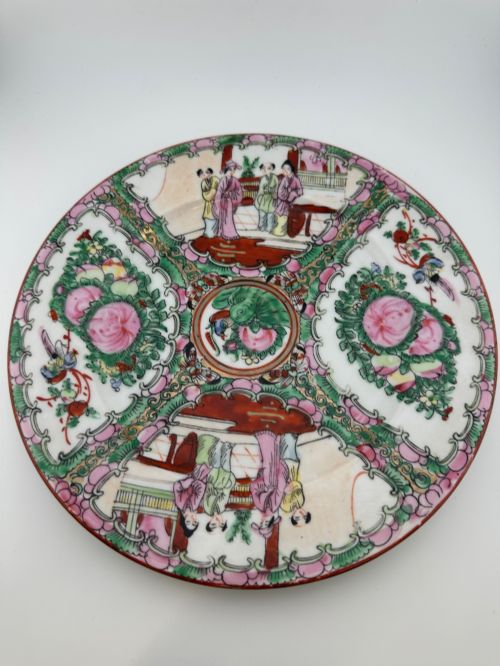
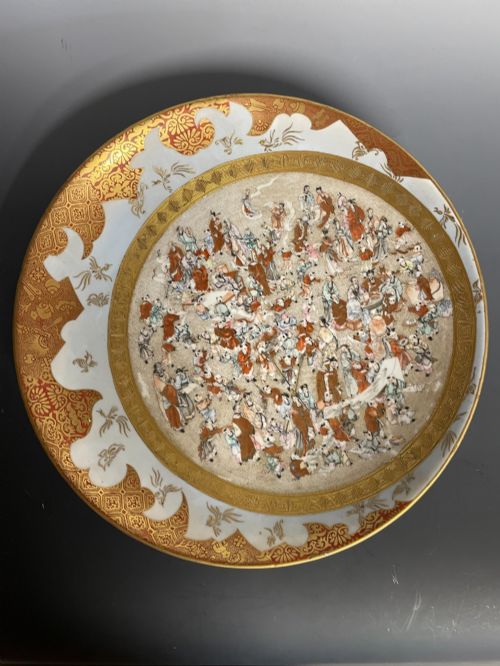
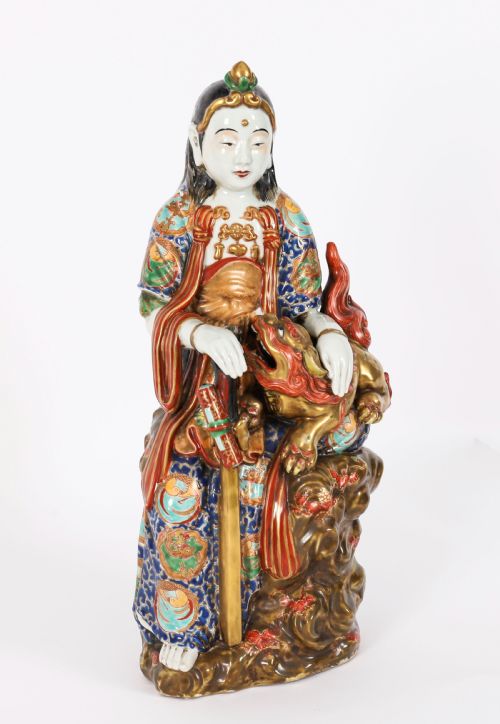
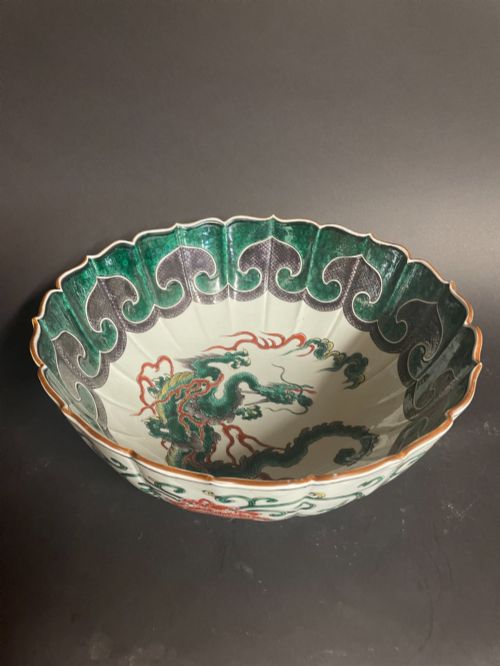
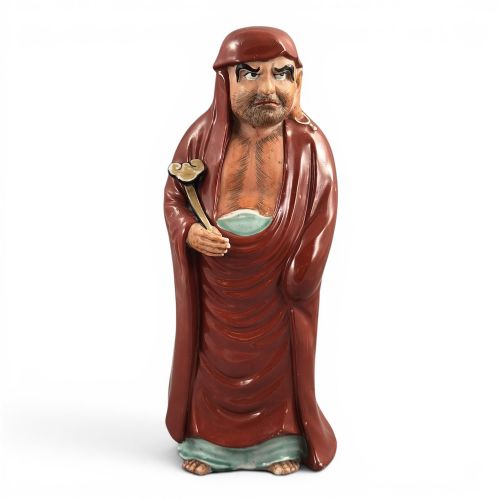
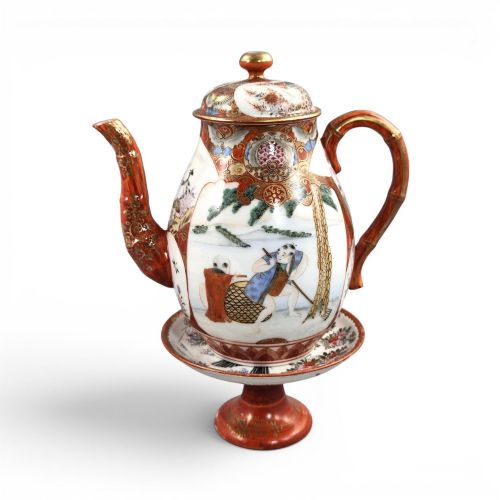
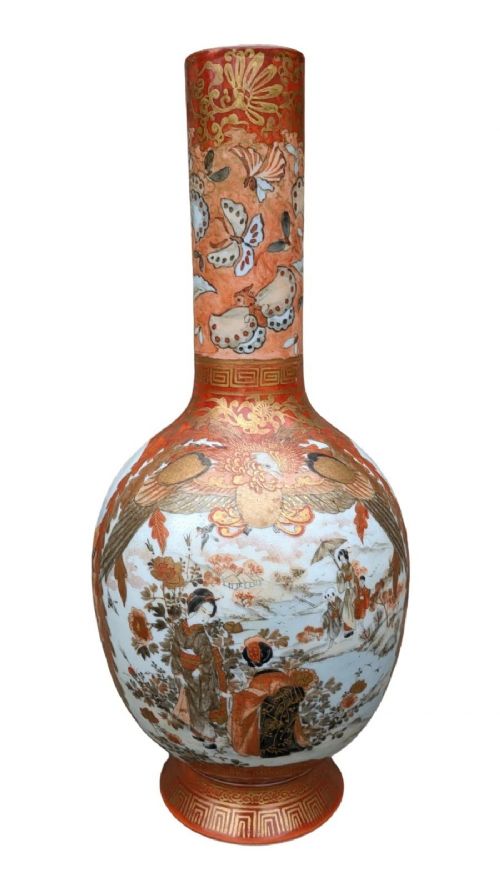
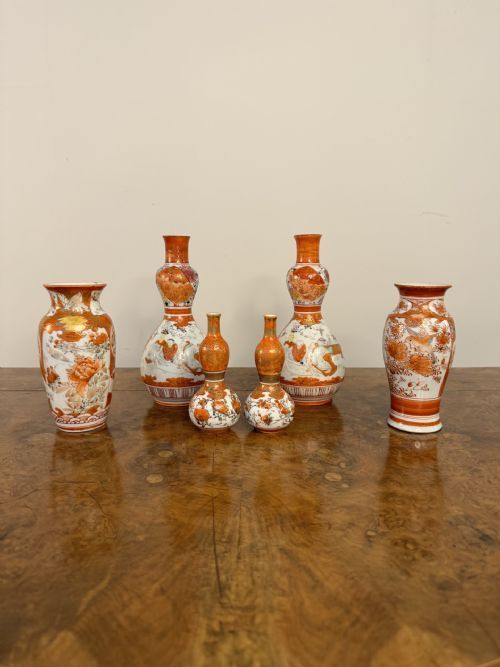
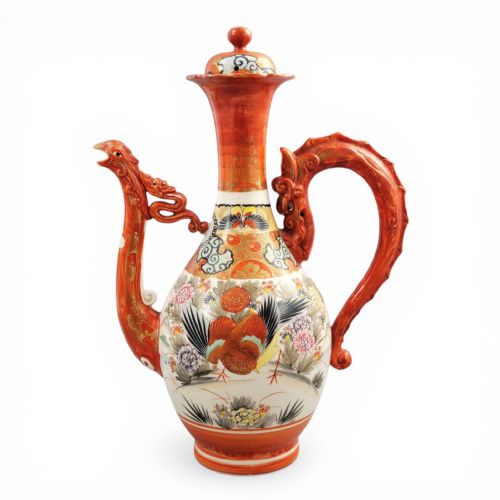
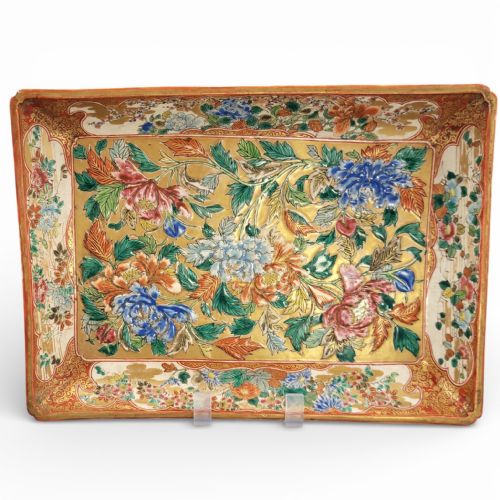
Collectors seeking meiji kutani porcelain encounter a diverse array of objects created during the late nineteenth and early twentieth centuries. The selection encompasses large decorative chargers, chargers, and vessels alongside detailed figurative sculptures of deities, animals, and mythological figures. Vases and ewers dominate the forms, frequently decorated with complex pictorial scenes or traditional motifs.
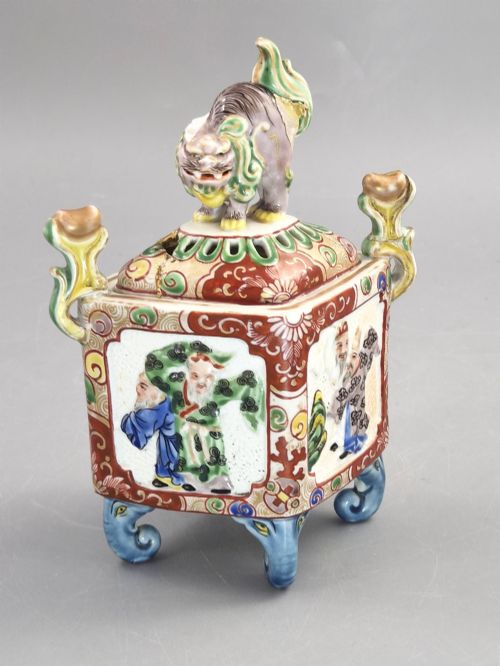
Vessels span from miniature bowls to substantial palace jars, whilst incense burners and tabletop lamps demonstrate practical applications of the ceramic art. Pieces often incorporate specific sculptural elements such as lion handles or elephant head feet. The items originate from traditional production centres in Japan, reflecting both domestic aesthetic shifts and international export tastes of the period.
Evaluating the standard of execution
The degree of refinement in the painted brushwork largely distinguishes standard production from exceptional examples. Superior pieces display precise line work, harmonious colour saturation, and balanced compositions that integrate complex patterns without crowding the form. The application of raised enamel and gold leaf requires steady control to maintain crispness and depth across the design.
Sculptural integrity also defines the upper tiers of the tradition, particularly in three-dimensional figures and animal okimono where anatomical precision and expressive details are paramount. The clarity of firing, stability of the glaze, and definition of moulded elements contribute significantly to the overall impact of the object. Workshop attribution and legible signature marks further elevate the standing of individual pieces.
Cats and temple lions gaze out eternally from glazed ceramic forms.
Kinrin Workshop·Juzan
The Meiji Kutani Porcelain Glossary
- Kutani
- A style of Japanese porcelain traditionally produced in Kaga province, widely recognised for its rich enamel decoration and extensive use of gold. The wares encompass both utilitarian vessels and highly decorative display pieces.
- Moriage
- A ceramic technique where liquid clay slip is piped onto the surface to create raised decorative patterns before glazing and firing. This method adds a distinct tactile element to vases and figures.
- Okimono
- A standalone Japanese display figurine intended for placement on a shelf or in a traditional alcove. These sculptures frequently depict animals, deities, or historical figures.
- Koro
- A traditional Japanese incense burner, often featuring a pierced lid and decorative tripod or multi-footed base. They are frequently modelled with mythical beasts as finials.
- Shishi
- A mythical guardian lion or Foo dog frequently utilised as a decorative motif or sculptural handle on vessels and figures. The creature symbolises protection and strength.
Meiji Kutani Porcelain: Frequently Asked Questions
How do I identify meiji kutani porcelain?
Examine the piece for characteristic red and gold enamels combined with fine porcelain bodies produced during the late nineteenth century. Many items feature hand-painted figural scenes or nature motifs alongside painted signature marks on the base.
Look closely at the surface texture for raised slip work known as moriage. The presence of detailed pictorial panels and traditional Japanese subjects further supports attribution to this period.
Where were these ceramics made?
These wares originated in the Kaga province of Japan, where local kilns produced ceramics for both domestic use and the expanding export market. Production centres utilised regional clays and traditional glazing methods that evolved throughout the nineteenth century.
Export demand strongly influenced the scale and decorative styles of items sent abroad during this era. Workshops adapted traditional aesthetics to appeal to international collectors while maintaining distinct regional characteristics.
How should I clean my porcelain?
Dust surfaces gently with a soft, dry cloth to prevent the accumulation of particles on delicate enamel and gold leaf decorations. Avoid harsh chemical cleaners or abrasive sponges that might damage the overglaze painting.
Keep pieces away from direct sunlight and areas prone to extreme temperature fluctuations to protect the ceramic body and any associated wooden stands. Professional consultation is recommended for stubborn marks or structural concerns.
What subjects appear on these pieces?
Decorations frequently feature traditional Japanese deities, legendary heroes, and scholarly figures associated with longevity and good fortune. Animals such as cats, tigers, and mythical lions also appear regularly across various vessel forms and standalone sculptures.
Botanical themes, including peonies and plum blossoms, form intricate backgrounds for narrative scenes or stand alone as primary design elements. Geometric panels and landscape views complete the diverse repertoire of surface ornamentation.