
Meiji Japanese Ceramics
Meiji Japanese ceramics bring together intricate porcelain, earthenware and enamel work spanning the nineteenth and early twentieth centuries.
Meiji Japanese Ceramics
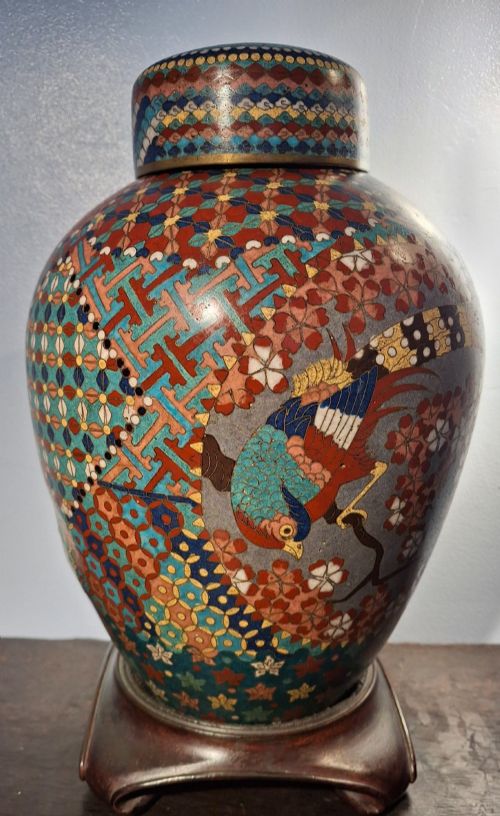
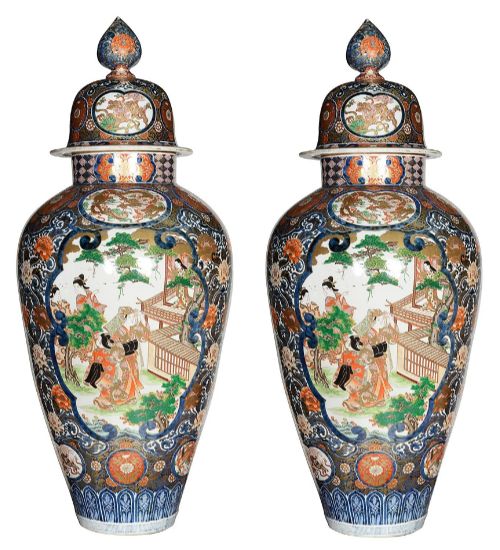
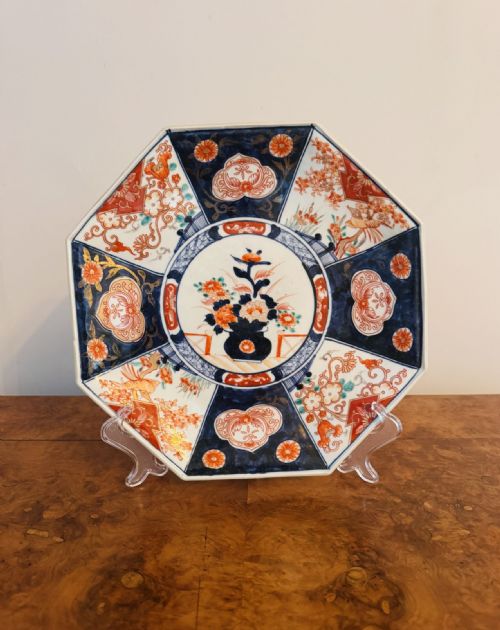
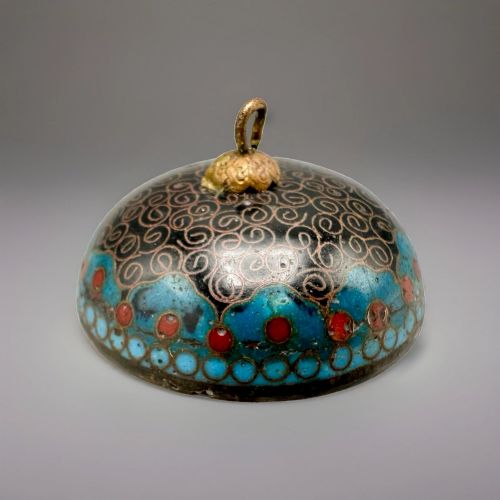
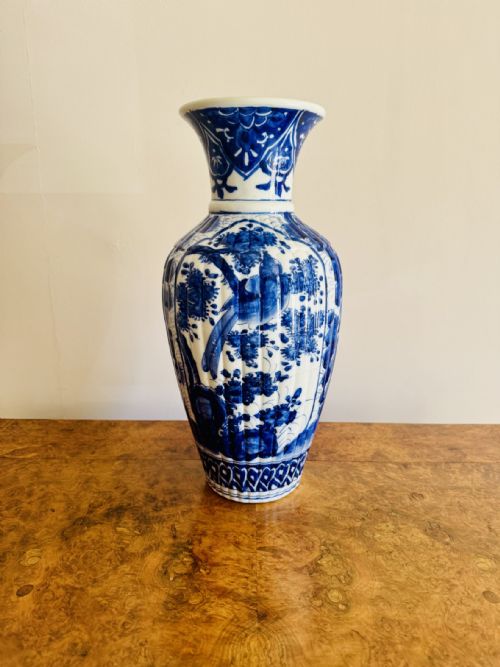
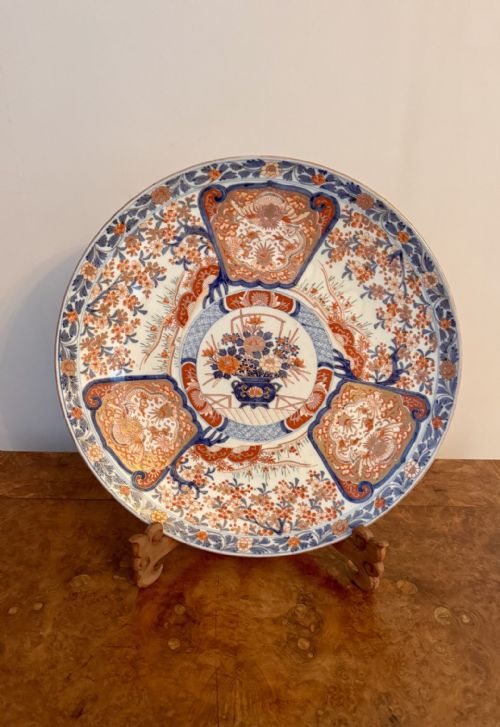
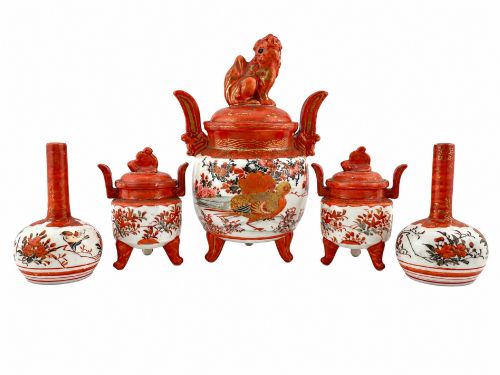
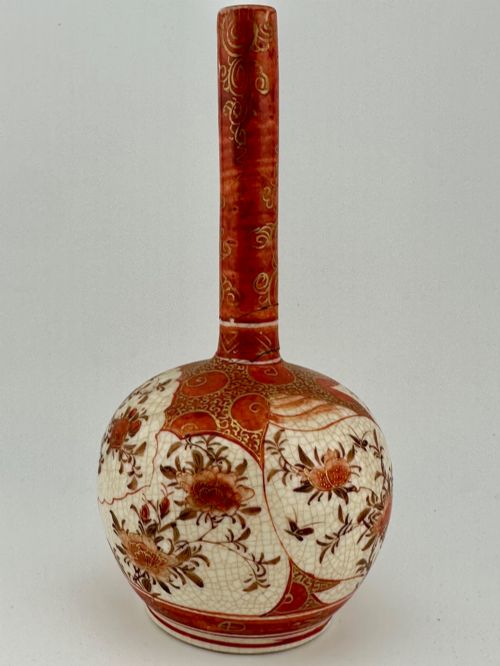
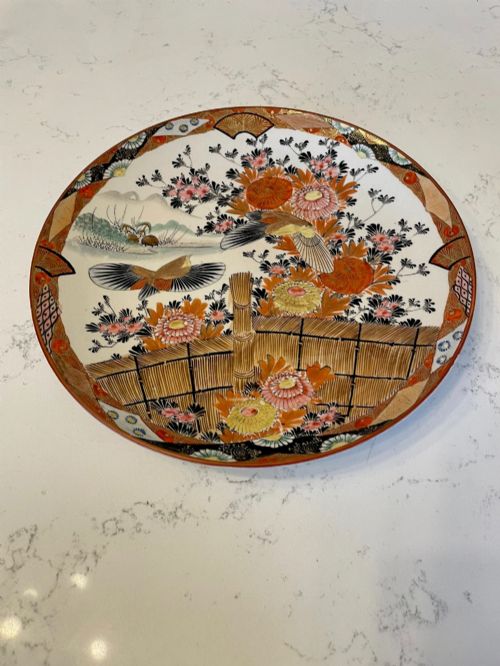
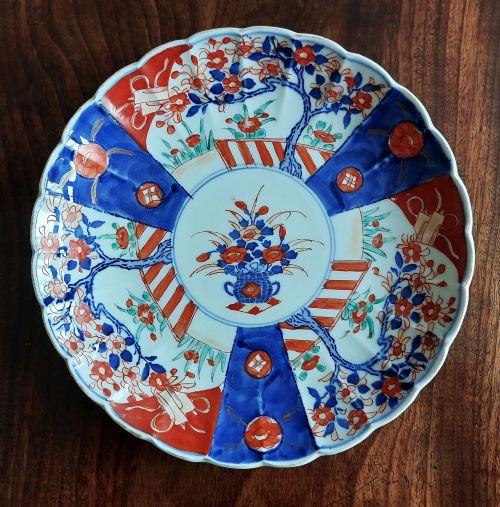
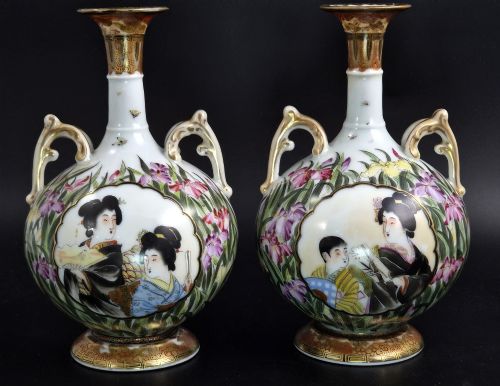
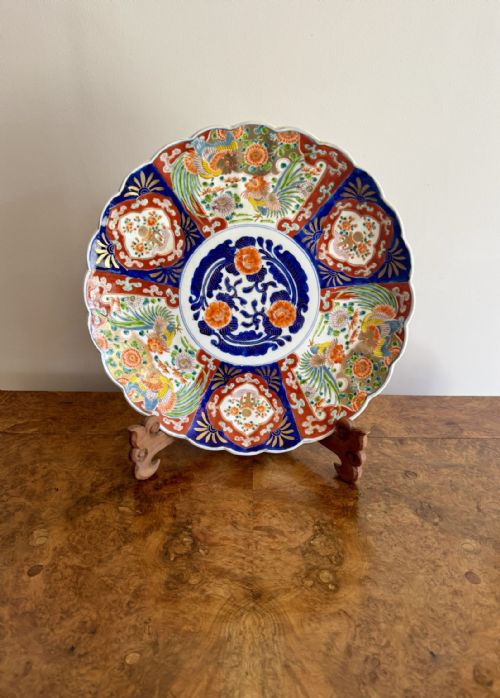
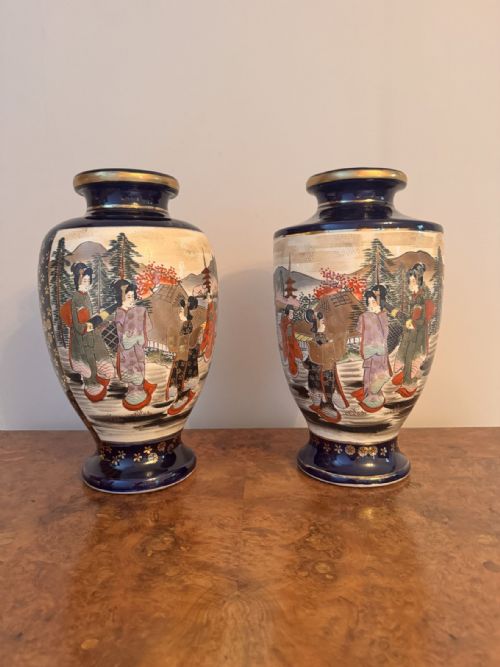
When you search for meiji japanese ceramics, you encounter a diverse array of decorative vessels and figures originating from Japan during the Meiji period and surrounding eras, including the late Victorian and Edwardian spans. The selection on this page centres heavily on Japanese Imari plates, chargers and floor-standing vases, alongside Satsuma ware and Kutani porcelain.
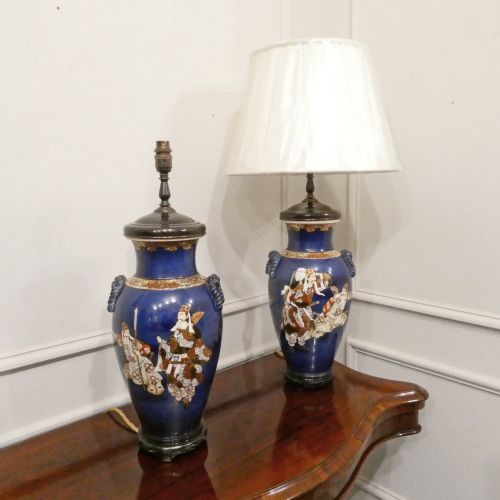
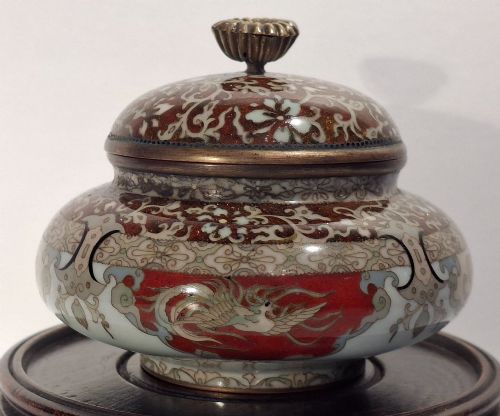
Vessels take many forms, from large lidded jars and garnitures to delicate bowls, dishes with scalloped edges, and incense burners known as koro. Table lamps, okimono figures and specialised pieces such as tea caddies and Sumida Gawa pitchers also appear frequently across these listings.
The objects bridge traditional Japanese aesthetics with techniques influenced by international export demands of the late nineteenth and early twentieth centuries. Pieces span from the 1850s through to the Taisho transition, reflecting both everyday domestic utility and elaborate decorative arts.
How they were made
Potters and artisans utilised porcelain and earthenware as the primary structural bases, shaping vessels by hand or on the wheel before applying detailed underglaze and overglaze decoration. Enamel, gold leaf, and gilt provide rich surface colouration, while specific styles feature textured flambe glazes and terracotta elements.
Satsuma ware employs a characteristic cream-coloured earthenware body with a fine network of crackle glaze, subsequently painted with complex figural or floral scenes often heightened with gold. Imari porcelain relies on deep cobalt blues combined with iron red and gilt highlights, fired at high temperatures to achieve a durable vitreous finish.
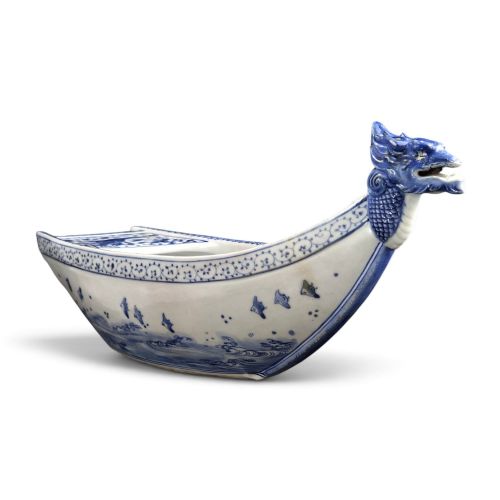
Several pieces abandon traditional circular boundaries entirely, taking the lively form of a swimming fish or a shell.
What varies in quality
The distinction between standard export items and superior pieces rests in the precision of the brushwork, the depth of the glaze, and the intricacy of the modelling. Master works demonstrate deliberate control in fine facial expressions on figural pieces and exact symmetry in geometric borders.
Application of gold leaf and enamel also separates tiers of production, with finer examples showing heavy, raised gilding and carefully blended palette transitions rather than flat, stencilled patterns. The weight and balance of larger forms, such as floor-standing vases and heavy chargers, indicate the stability of the original firing.
Inoue Ryosai·Maruni Kobe·Shozan·Kizan·Ban-ni·Kinkozan·Inoue Ryōsai
The Meiji Japanese Ceramics Glossary
- Imari
- A style of Japanese porcelain decorated in underglaze blue, iron red, and gilt, named after the port from which it was shipped.
- Satsuma
- A type of earthenware with a pale, crackled ivory glaze, typically decorated with polychrome enamels and gilding.
- Kutani
- Japanese porcelain or pottery known for its bold colour palettes, frequently featuring greens, blues, purples, and reds.
- Okimono
- A Japanese decorative freestanding figurine or carving designed for display on a shelf or in a tokonoma alcove.
- Koro
- A traditional incense burner featuring a pierced lid, often supported on decorative feet and fitted with figurative handles.
- Sumida Gawa
- Pottery characterised by heavily textured or flambe glazes with applied figural relief scenes, often modelled by specific named artists.
Meiji Japanese Ceramics: Frequently Asked Questions
How do I identify Satsuma ware?
Satsuma ware is recognised by its distinctive ivory-coloured earthenware body covered in a fine network of microscopic glaze cracks. Artisans painted these surfaces with detailed figures, landscapes, and floral motifs, frequently layering them with rich gold leaf.
Unlike non-porous porcelain, this earthenware feels slightly warmer to the touch and prioritises intricate decorative storytelling over utility.
What is the difference between Imari and Kutani?
Imari porcelain relies on a strict palette of underglaze cobalt blue, rusty iron red, and abundant gilt highlights arranged in dense geometric and floral panels. Kutani pieces often deploy a wider, more experimental range of enamel colours, including vibrant greens and purples, frequently depicting narrative scenes or bold botanical studies.
While both originated as prominent export wares, their visual impact remains distinct due to Imari's reliance on blue-and-red symmetry versus Kutani's painterly freedom.
Where were these ceramics displayed?
During the Meiji period, large chargers, floor-standing vases, and garniture sets were designed to anchor the decor of prominent rooms in both Japanese households and Western drawing rooms. Smaller dishes, koro incense burners, and bowls sat on tables, cabinets, or dedicated display stands.
Export demand meant many of these objects travelled to European and American homes, where they influenced contemporary aesthetic movements.
How should I care for antique Japanese ceramics?
Keep these pieces away from direct sunlight to protect delicate overglaze enamels and gold leaf from fading over time. Dust gently with a dry, soft cloth, avoiding commercial cleaning liquids or immersion in water, particularly for earthenware bodies with crackle glazes.
Stable indoor humidity prevents stress on older ceramic structures and helps preserve the integrity of applied decorative reliefs.