





Meiji Export Porcelain
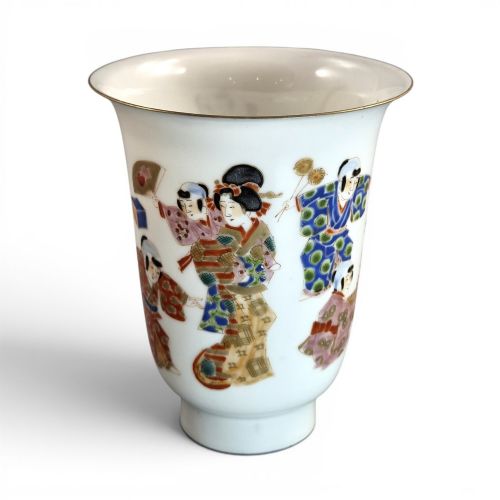
Meiji export porcelain gathers the vibrant plates, deep bowls and tall vases made for Western markets during the late nineteenth and early twentieth centuries.
Meiji Export Porcelain
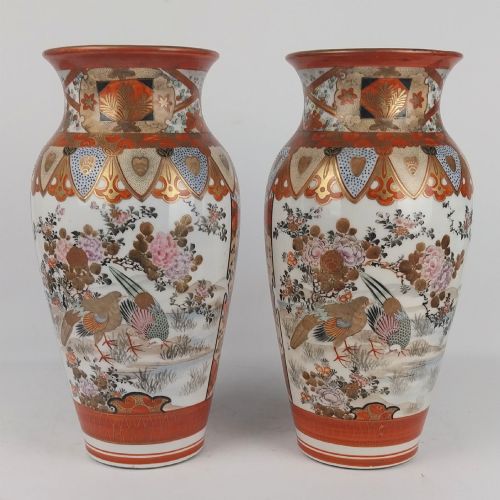
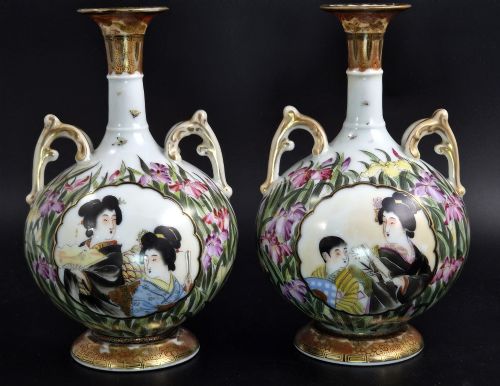
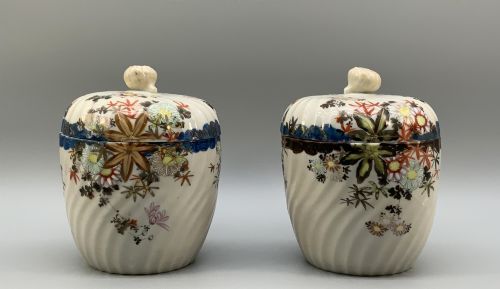
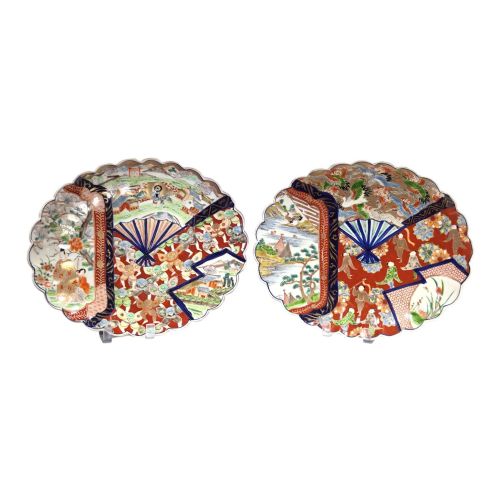
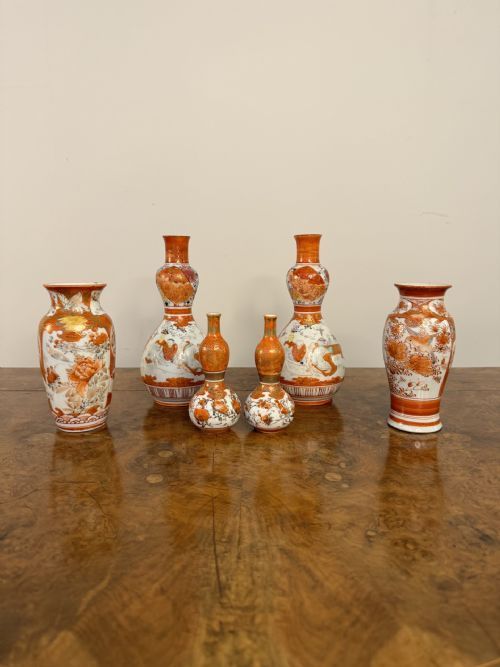
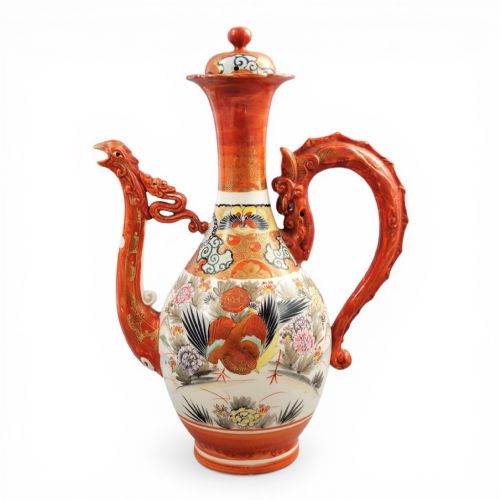
When you search for meiji export porcelain, you are looking at items created in Japan across the nineteenth century, the Victorian era, the Edwardian period and up to the nineteen-twenties. These pieces include large chargers, scalloped plates, lidded jars, ewers and decorative bowls.
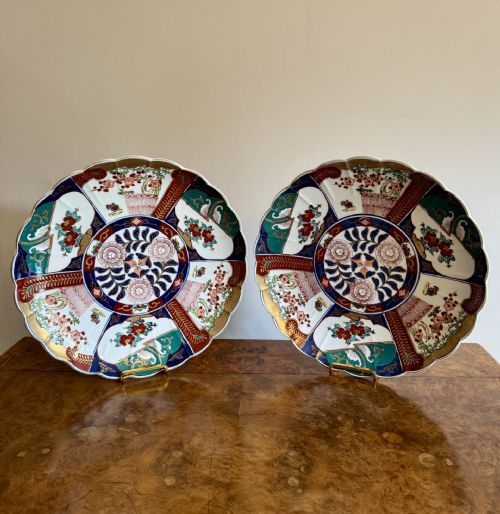
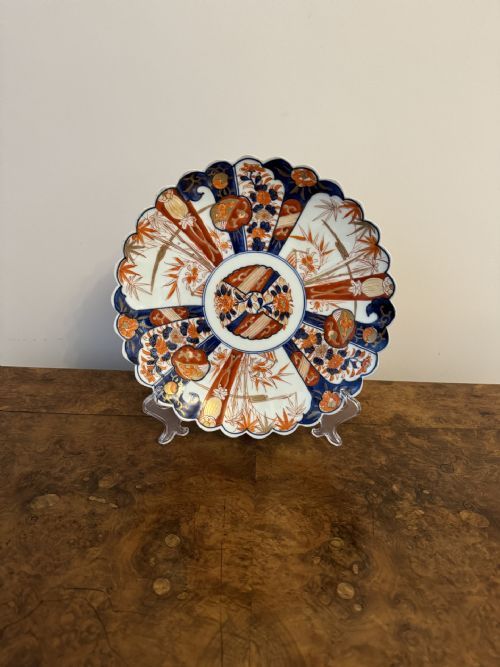
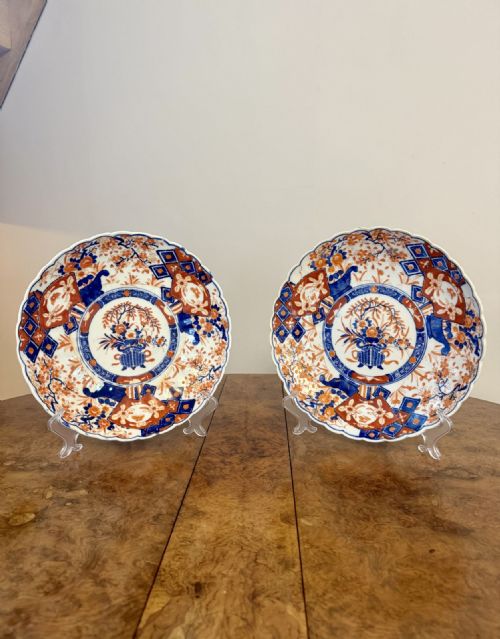
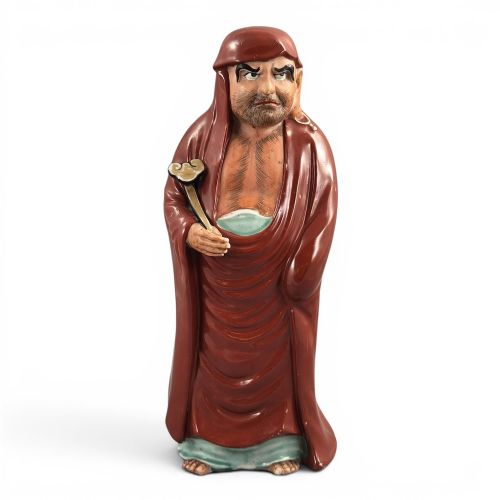
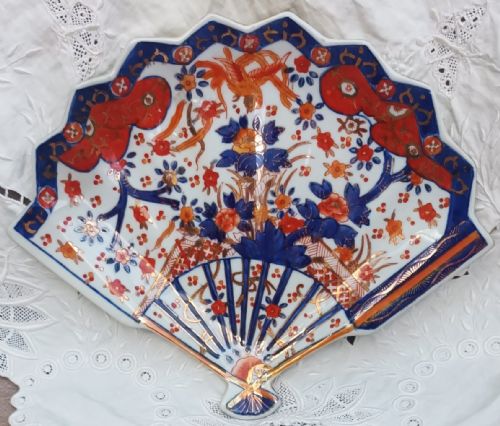
The version you are most likely to meet on this page is Japanese Imari, often featuring intricate floral decoration and rich palettes. Alongside these are Satsuma earthenware vessels, Kutani figures and delicate eggshell porcelain vases produced for international buyers.
How they were made
Potters shaped ceramic and porcelain clays into vessels, plates and figures before applying detailed glazes and enamel painting. Many pieces received generous applications of gold leaf and gilding to highlight intricate motifs of birds, dragons and samurai.
Workshops utilised specialised firing techniques in centres such as Arita, Kyoto and Kutani to achieve the distinct colours and durable bodies characteristic of export wares.
Meiji Export Porcelain Retail Price Guide 2026
Typical asking prices for meiji export porcelain among the pieces listed under this phrase on Sellingantiques today, from the lower quarter to the upper quarter. They describe what is for sale here now, not the wider market.
Listings feature items spanning the nineteenth century, Victorian era, Edwardian period and the nineteen-twenties in porcelain and earthenware.
What varies in quality
Quality in meiji export porcelain rests upon the precision of the enamel painting and the crispness of the porcelain body. Pieces attributed to notable makers display superior hand-painted detail in subjects like exotic birds and battle scenes compared to standard commercial output.
The sophistication of the gilding and the balance of the overall form distinguish ordinary decorative items from exhibition quality vases and chargers.
Takasaka Toemon·Hichozan Shinpo·Hododa·Kinkozan·Hattori
The Meiji Export Porcelain Glossary
- Imari
- A style of Japanese porcelain decorated in underglaze blue, iron red, and gold, named after the port from which it was shipped.
- Satsuma
- A type of Japanese earthenware with a ivory-coloured, crackled glaze that is typically decorated with polychrome enamels and gold.
- Kutani
- Japanese pottery and porcelain known for bold designs and vibrant colour palettes, particularly iron red and gold.
- Okimono
- A Japanese freestanding ornamental figure designed for display on a shelf or in a tokonoma alcove.
- Mon
- A Japanese heraldic badge or crest used to identify families, clans or prominent manufacturing houses.
Meiji Export Porcelain: Frequently Asked Questions
What is meiji export porcelain?
Meiji export porcelain encompasses decorative ceramics created in Japan during the Meiji period and adjacent eras specifically for international markets.
These objects range from everyday export plates to exhibition quality vases and chargers featuring traditional Japanese motifs.
How do I identify Imari pieces?
Imari wares are readily identified by their distinctive palette combining underglaze blue with rusty iron red and touches of gold.
They frequently display complex floral and geometric patterns across chargers, bowls and scalloped plates.
What is Satsuma ware?
Satsuma ware is a distinct category of earthenware characterised by a pale, finely crackled glaze that serves as a canvas for elaborate enamel scenes.
These pieces often incorporate family crests and detailed figural subjects executed in rich gilt work.
How do I display these ceramics?
Large chargers and decorative plates suit wall mounting or display on sturdy stands to showcase their intricate border patterns.
Vases and lidded jars look best on stable surfaces where their painted panels and gilded details catch the light.