


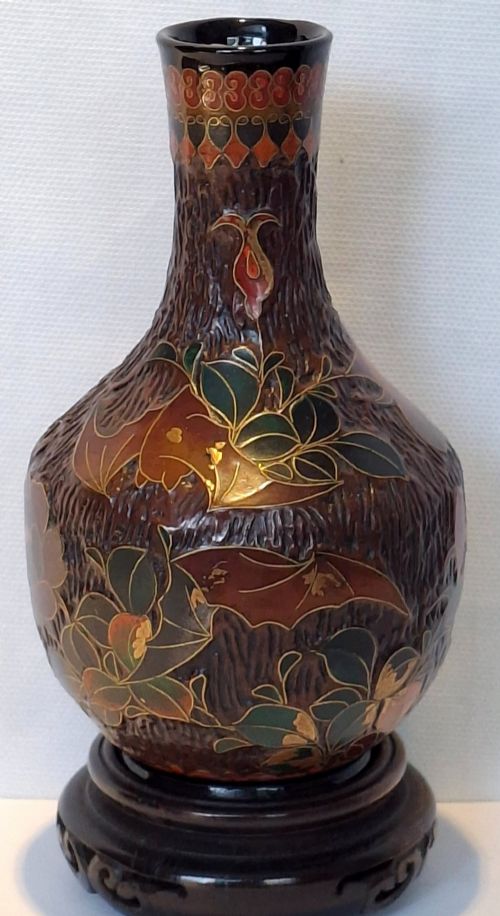
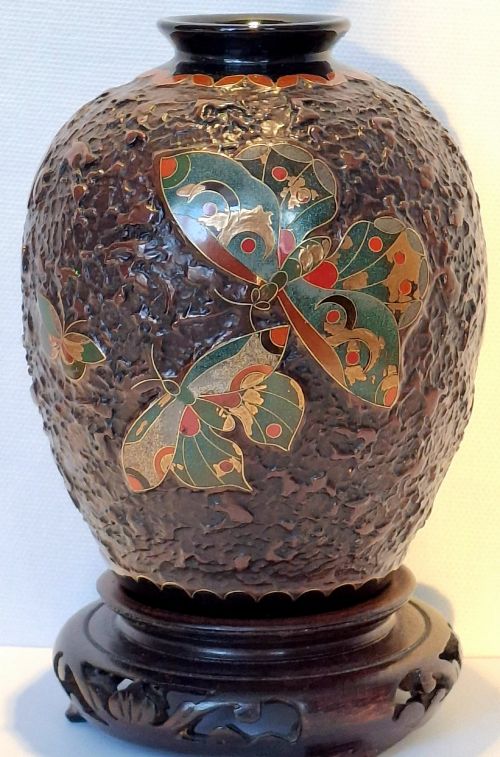
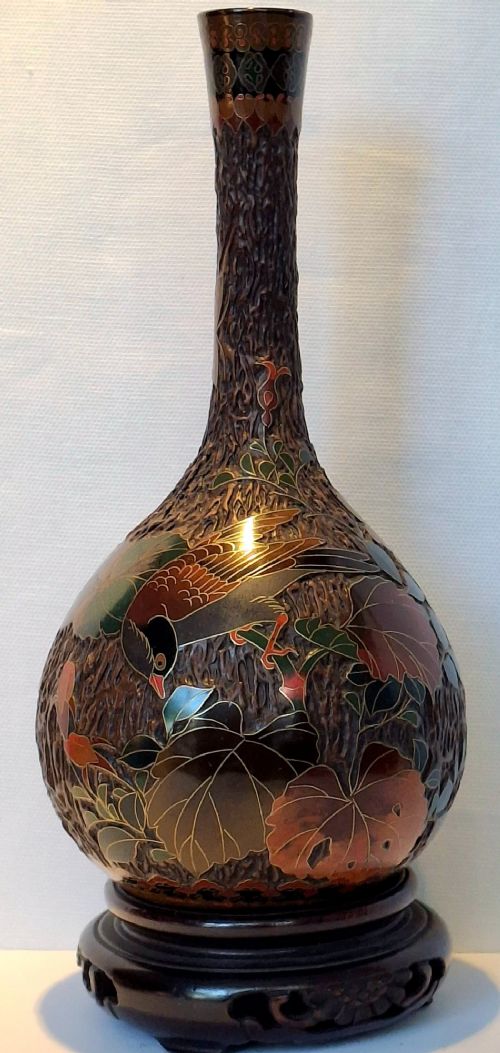
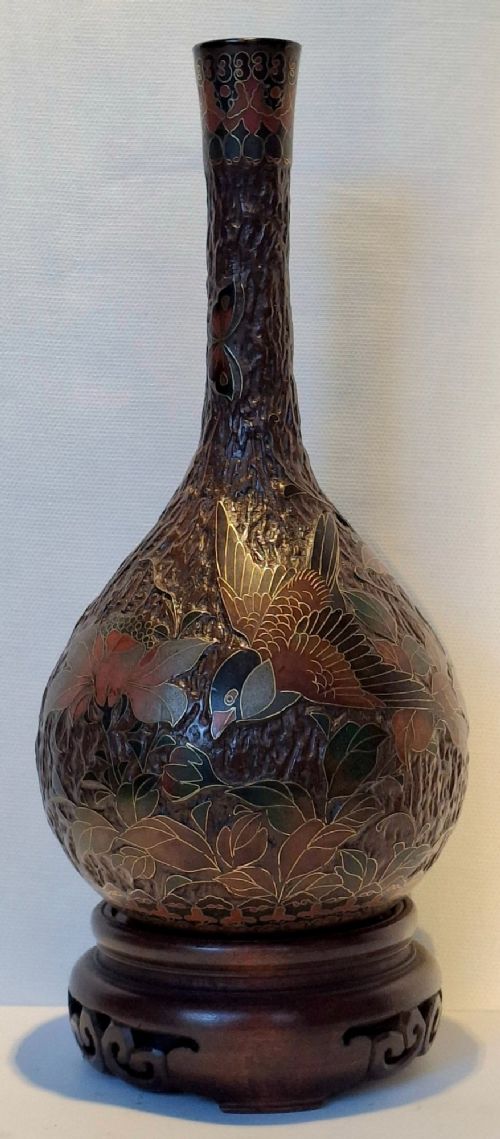
Meiji Cloisonne Porcelain
These Japanese meiji cloisonne porcelain pieces are remarkable works of artistry, bringing intricate metal wire enamel directly onto ceramic bodies for your collection.
Meiji Cloisonne Porcelain
Meiji cloisonne porcelain refers to distinct Japanese ceramic objects decorated with enamel held by fine wires, frequently known as totai shippo. These striking items span the late Edo period through the Meiji period, capturing a transformative era of decorative arts.
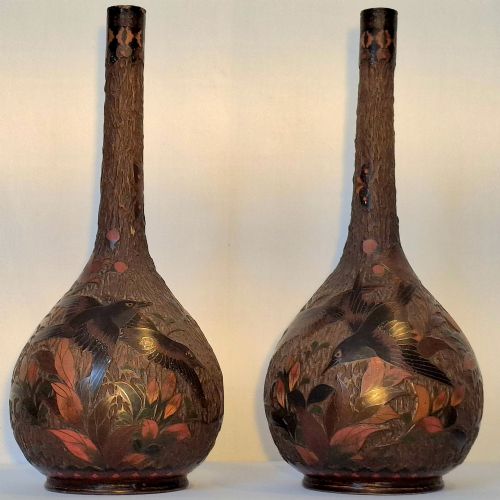
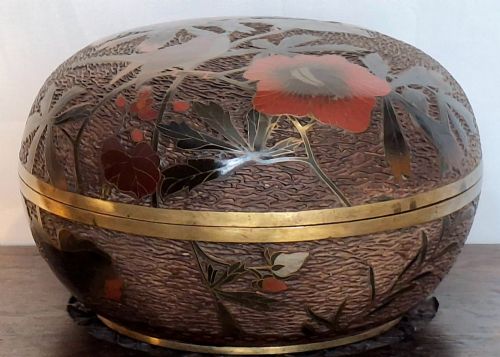
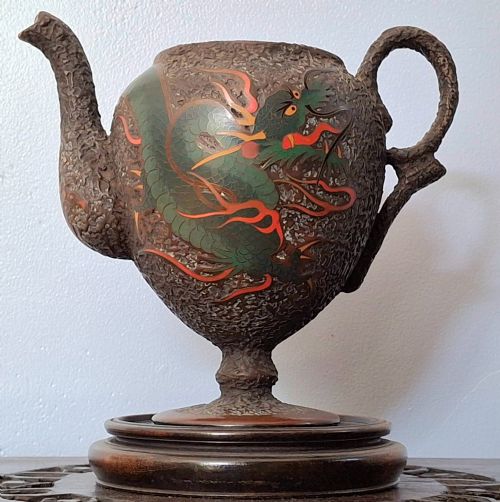
The selections available here showcase significant forms ranging from large decorative chargers and platters to vases, teapots, and round boxes. You will frequently encounter intricate tree bark textures alongside classic motifs like cranes, dragons, birds, flowers, and the phoenix.
The origins trace directly to Japanese workshops working extensively during the nineteenth century. The pieces bridge traditional ceramic traditions with advanced metalwork techniques to create enduring display objects.
How they were made
Artisans built these objects using porcelain or ceramic bodies as the foundation before applying intricate metal wire, including copper and brass. These wires formed delicate cellular compartments known as cloisons to hold the coloured enamel fillings.
The distinct totai shippo technique involved applying enamel directly to a porcelain base rather than a traditional metal body. Some select examples further incorporate cinnabar lacquer or the kintsugi technique to enhance the finished surface.
Meiji Cloisonne Porcelain Retail Price Guide 2026
Typical asking prices for meiji cloisonne porcelain among the pieces listed under this phrase on Sellingantiques today, from the lower quarter to the upper quarter. They describe what is for sale here now, not the wider market.
Materials documented across the collection include porcelain, ceramic, enamel, copper wire, brass, and cinnabar lacquer.
What varies in quality
Quality rests upon the precision of the wirework and the complexity of the design laid across the porcelain body. Pieces featuring detailed tree bark ground textures alongside intricate depictions of dragons, bats, or butterflies demonstrate superior execution.
The presence of artist signatures adds significant distinction to individual chargers, vases, and teapots. Overall scale and the successful integration of subsidiary techniques like cinnabar lacquer or kintsugi further elevate specific examples above standard production.
The Meiji Cloisonne Porcelain Glossary
- Totai shippo
- A Japanese technique where cloisonne enamel is applied directly to a porcelain or ceramic body rather than a traditional metal base. This method allows light to interact with the translucent enamel over the ceramic.
- Cloison
- A tiny compartment formed by soldering thin metal wires, such as copper or brass, to the surface of the object before filling them with enamel paste. The wire outlines the final pictorial design.
- Charger
- A large decorative plate intended primarily for display rather than for serving food at the table. These substantial pieces often serve as the focal point of a room.
- Kintsugi
- A traditional method of repairing broken ceramics with a lacquer dusted or mixed with powdered gold, silver, or platinum. It highlights the mended areas as part of the object's history.
- Cinnabar lacquer
- A carved red material derived from the tree sap of the lacquer tree, sometimes combined with enamel and porcelain elements on these decorative vessels.
Meiji Cloisonne Porcelain: Frequently Asked Questions
What is meiji cloisonne porcelain?
Meiji cloisonne porcelain refers to Japanese decorative items produced during the nineteenth century where enamel is applied to a ceramic body using metal wires. These works combine pottery and metalwork traditions.
Items range from large wall chargers to delicate vases and teapots featuring detailed motifs of birds, dragons, and floral scenery.
How do you display large chargers?
Large chargers are typically showcased on sturdy plate stands or mounted securely on walls to highlight their intricate enamel work. Their generous proportions make them ideal focal points in a study or living area.
Ensure they are placed away from high-traffic zones to protect the delicate wire and enamel surface from accidental bumps.
What is totai shippo?
Totai shippo is the specific Japanese term for cloisonne executed on a porcelain or ceramic foundation instead of a copper base. This distinct method creates a unique visual depth beneath the coloured enamels.
You will find this technique used on many nineteenth-century vases, boxes, and chargers.
How are periods identified?
Periods are determined by examining the manufacturing techniques, stylistic motifs, and material composition characteristic of nineteenth-century Japanese workshops. Pieces date from the late Edo period through the Meiji period.
Signed works and specific surface textures, such as simulated tree bark, help narrow down the production era.