



Meiji Bronze
Meiji bronze pieces bring finely detailed Japanese metalwork, sculpture and cloisonné enamel from the late nineteenth and early twentieth centuries into modern interiors.
Meiji Bronze
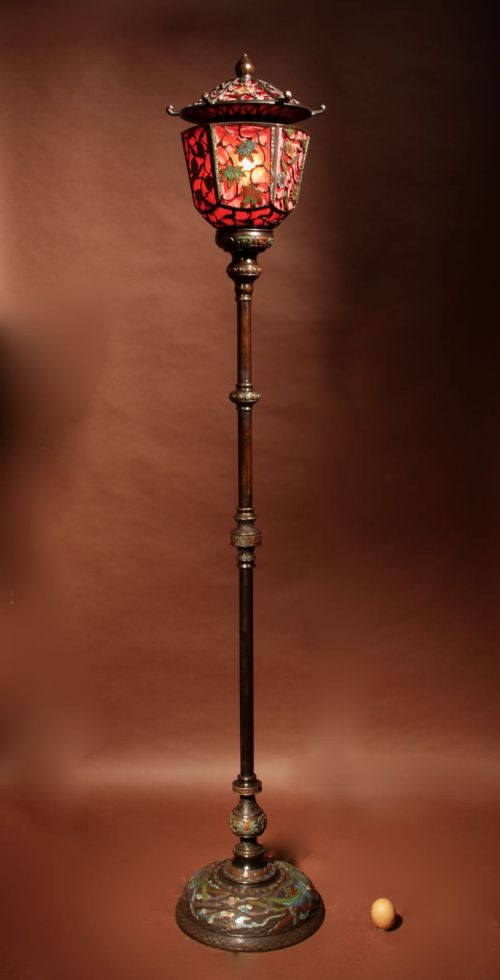
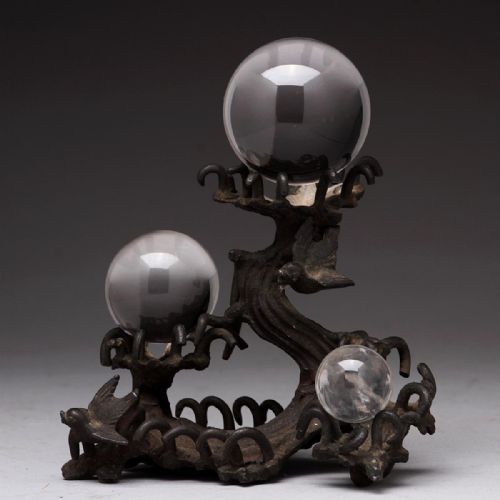
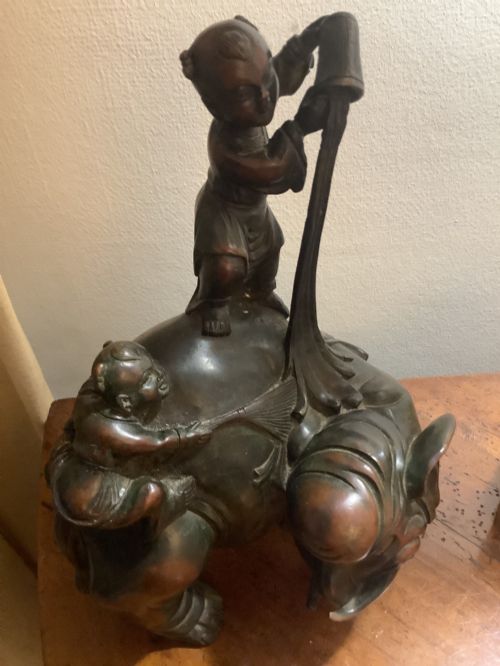
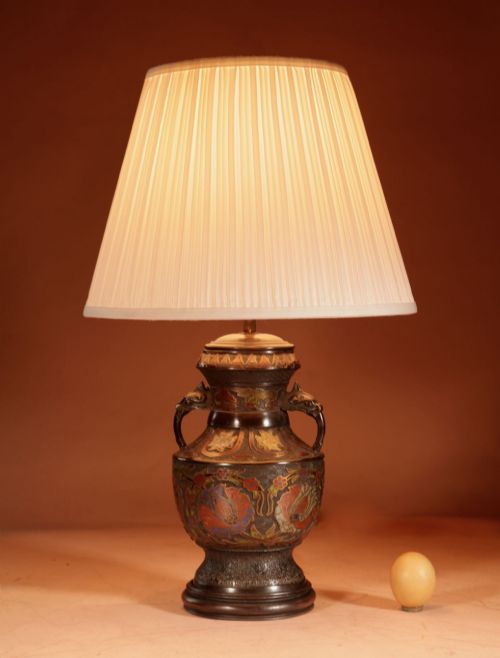
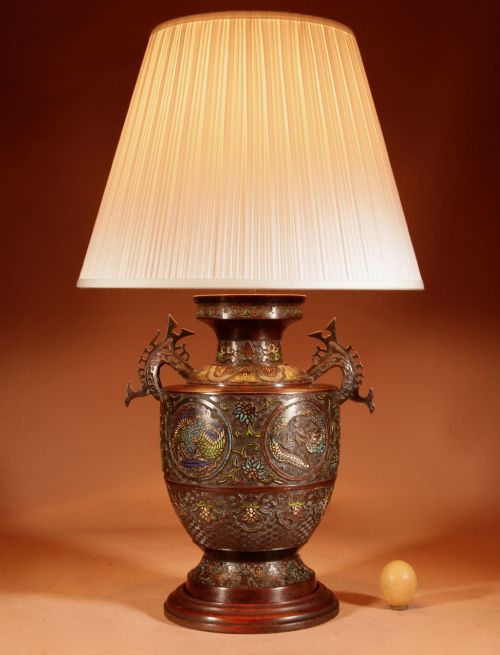
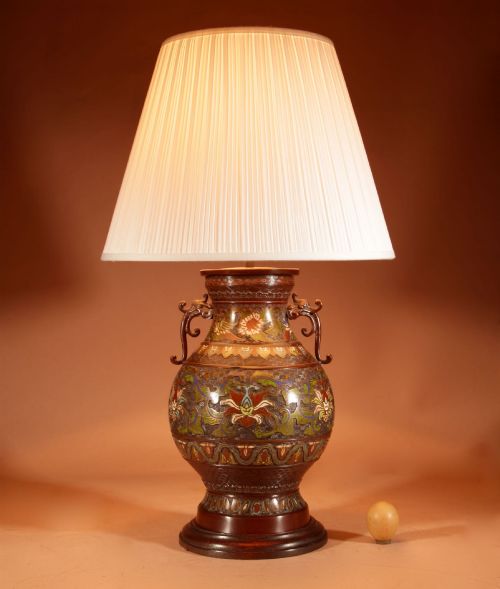
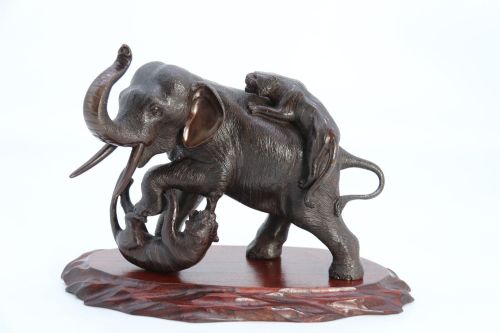
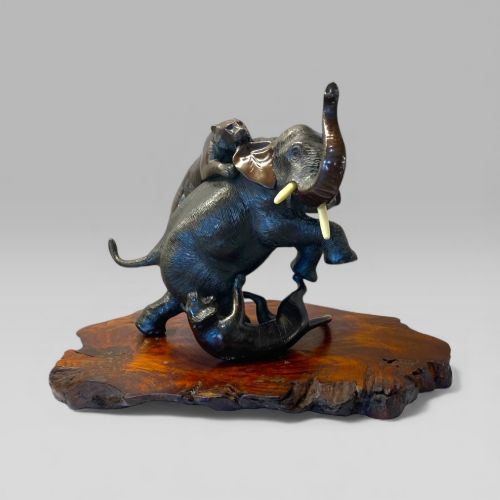
When you search for meiji bronze, you encounter objects created during the Meiji period, spanning from the late nineteenth century to the early twentieth century. The selection on this page centres on sculptural figures, animal okimono, vases, incense burners, and table lamps originating from Japan.
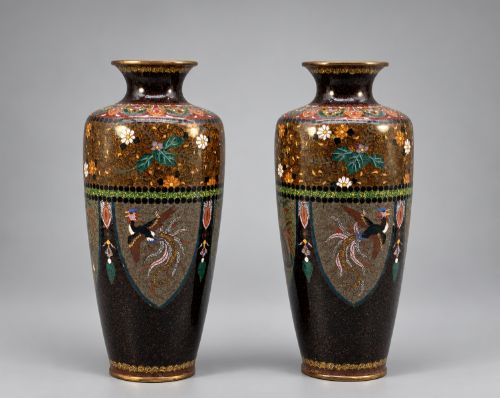
The most common forms you meet include patinated bronze vases decorated with birds and blossom, sculptural animal groups such as sleeping puppies or monkeys, and larger vessels like jardinières and hibachi bowls. These items range from small cabinet pieces to substantial floor lamps and decorative chargers.
Makers and workshops utilised traditional casting methods alongside advanced metalworking techniques to produce works that reflect both native Japanese aesthetics and the Victorian taste for orientalism. Many pieces incorporate mixed metals, enamel details, and inlaid motifs depicting dragons, koi, or scenes from daily life.
Materials and technique
The objects listed record the use of bronze, brass, and copper, frequently enhanced through patination to achieve deep, rich brown or black surface tones. Artisans applied chemical treatments and controlled heat to create varied patinas on animal sculptures and vessel surfaces.
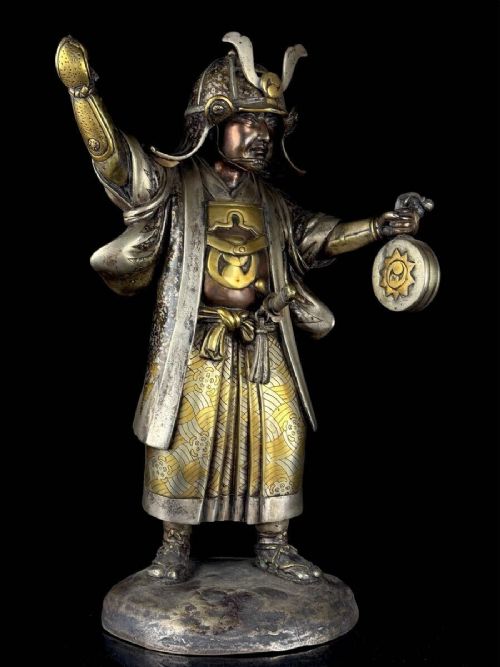
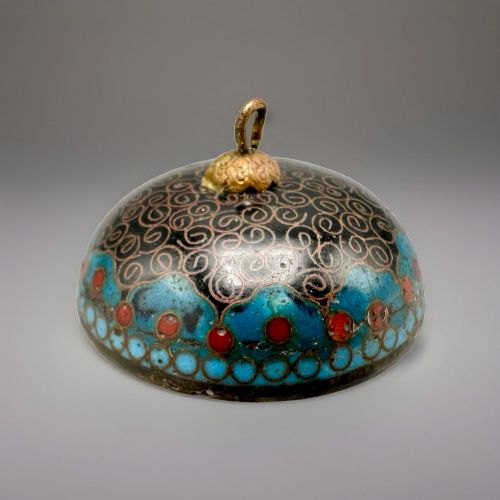
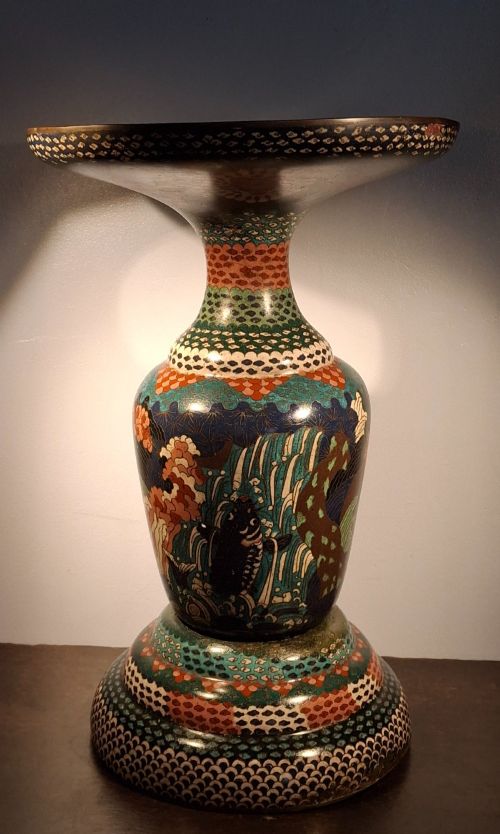
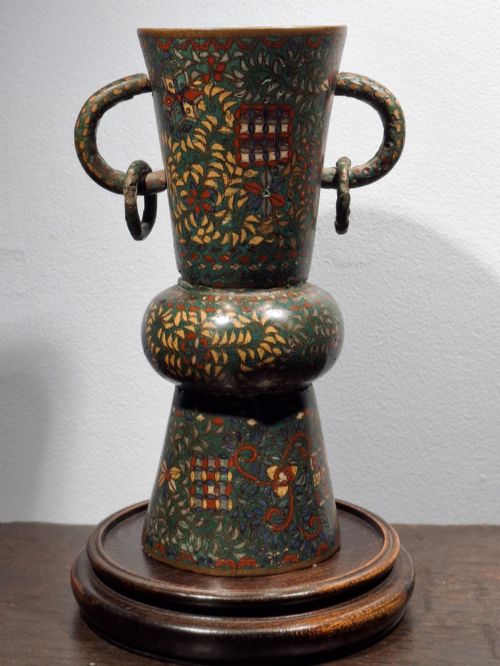
Mixed-metal work, known as takazōgan, involves inlaying contrasting metals such as gold, silver, and shakudo into the bronze body to delineate feathers, foliage, and garments. Cloisonné and champlevé enamel techniques add vibrant panels of colour, enclosing vitreous pastes within soldered wire cells or recessed troughs.
Casting was executed using the lost-wax method for complex sculptural forms like figures, birds, and animals, allowing for intricate rendering of fur, plumage, and facial expressions. Vessels and hardware such as door pulls were formed through skilled casting and subsequent hand-finishing, chiselling, and polishing.
Meiji Bronze Retail Price Guide 2026
Typical asking prices for meiji bronze among the pieces listed under this phrase on Sellingantiques today, from the lower quarter to the upper quarter. They describe what is for sale here now, not the wider market.
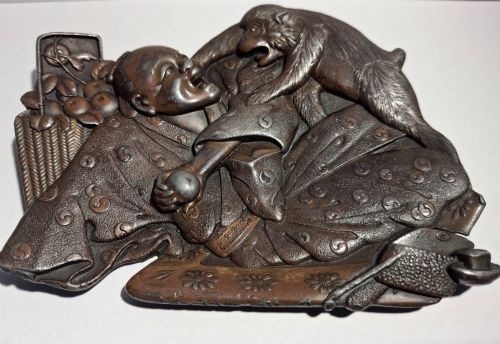
Scholarly monkeys, sleeping puppies, leaping koi, and wrestling tanuki populate these bronzes, proving Meiji artisans had a wonderful sense of humour.
Distinctions in quality
Complexity of construction distinguishes standard production from masterworks, particularly in mixed-metal inlay and cloisonné work where alignment and wire-thinning demand extreme precision. Heavier, more substantial metal gauges and secure, balanced assembly in lamps and multi-part vessels indicate superior workshop standards.
Kakuha Kanzaemon·Mitsumoto·Tsukamoto Hikokichi·KANASAWA·Jomi Eisuke·Shosai
The Meiji Bronze Glossary
- Okimono
- A Japanese ornamental statue or object for display, typically placed in an alcove or on a shelf. These small sculptures often depict animals, figures, or folk heroes.
- Cloisonne enamel
- A decorative metalwork technique where wire partitions are soldered to a metal base to create cells filled with enamel paste. These are subsequently fired and polished smooth.
- Shakudo
- An alloy of copper and a small amount of gold that develops a dark blue-black patina when treated. It is frequently used for inlay work in mixed-metal Japanese art.
- Hibachi
- A traditional Japanese heating device or brazier, often rendered in heavy bronze or ceramic during the Meiji period for decorative interior use.
- Koro
- A traditional Japanese incense burner, usually featuring a pierced cover to allow scented smoke to escape from the bowl.
Meiji Bronze: Frequently Asked Questions
What is an okimono?
An okimono is a decorative Japanese sculpture designed for display in a domestic interior rather than for a formal religious shrine. These pieces range from carved ivory and wood to cast bronze figures of animals, scholars, and daily workers.
During the Meiji period, bronze okimono became highly popular for export, showcasing the immense skill of Japanese metalworkers to Western collectors.
How do I care for antique bronze?
Antique bronze requires gentle dusting with a soft, dry cloth to prevent the accumulation of grit in recessed details. Avoid using liquid polishes, abrasive cloths, or chemical cleaners, as these can strip the historical patination.
Keep the pieces away from direct sunlight and areas of high humidity to protect any delicate enamel or mixed-metal inlays applied to the surface.
Are these lamps original?
Many bronze table lamps and floor lamps listed from this era started as decorative vessels, incense burners, or architectural elements that were later converted for electrical use. This practice of conversion was common as homes transitioned to electric lighting while retaining a taste for oriental antiques.
When examining a lamp, look closely at how the bronze body accommodates the electrical fittings without compromising the structural integrity of the original casting.
How do I identify the Meiji period?
The Meiji period corresponds strictly to the reign of Emperor Meiji, lasting from 1868 to 1912. Objects from this era often bridge traditional Japanese motifs with techniques developed to satisfy the Victorian export market.
Look for signature plaques, characteristic patination styles, and subject matter such as native wildlife, mythical dragons, and genre scenes depicting agricultural or domestic life.