




Meiji Bronze Figurine
A meiji bronze figurine brings the skilled foundry work of late nineteenth and early twentieth century Japan directly to a desk or shelf.
Meiji Bronze Figurine
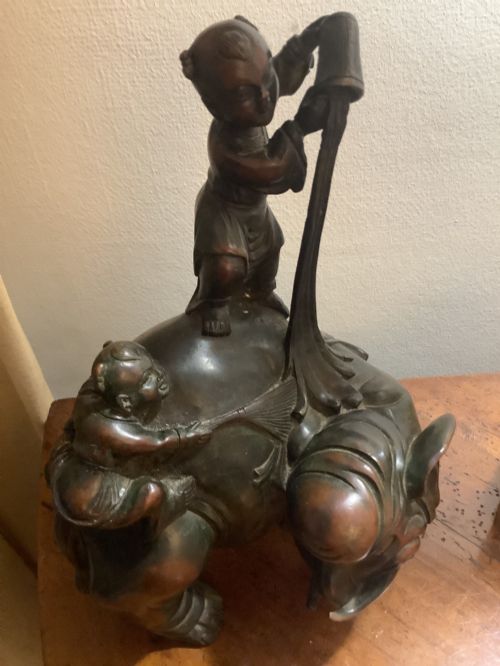
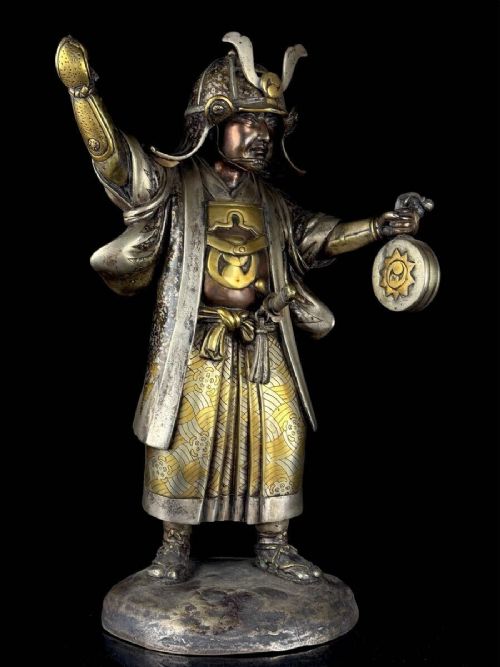
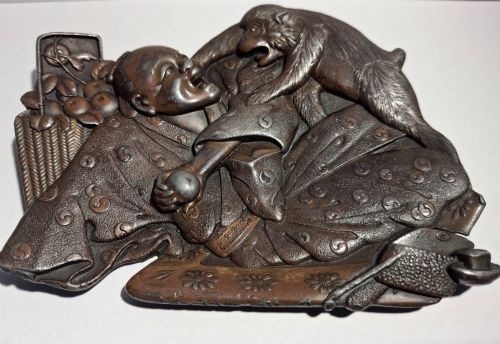
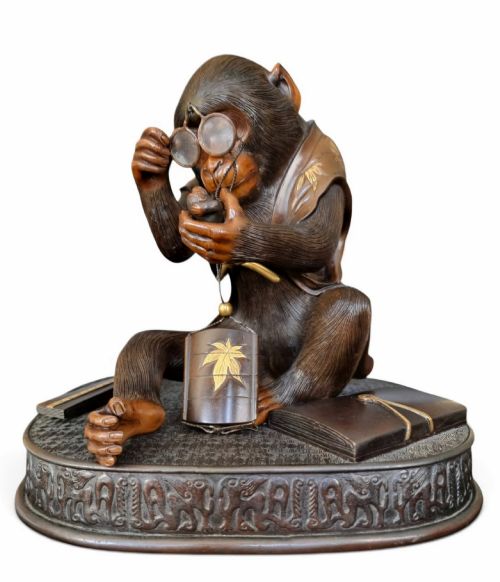
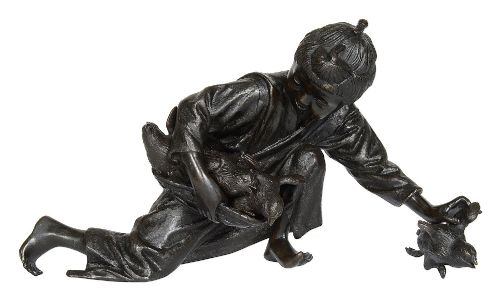
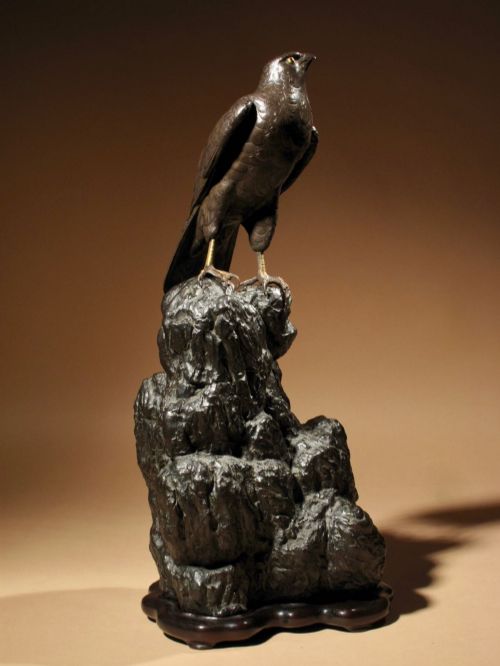
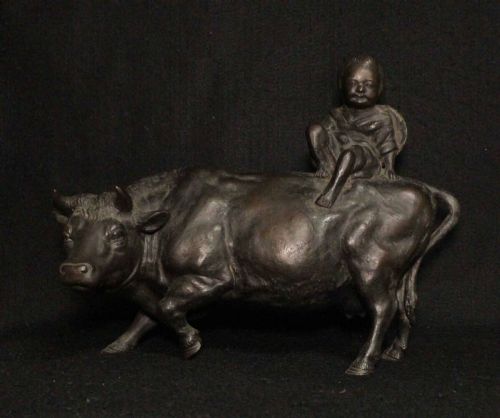
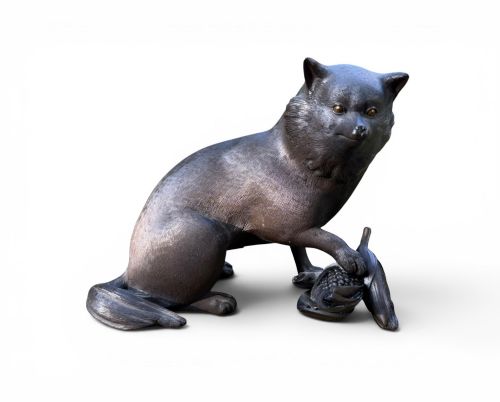
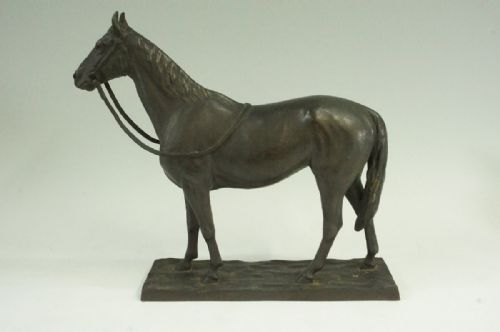
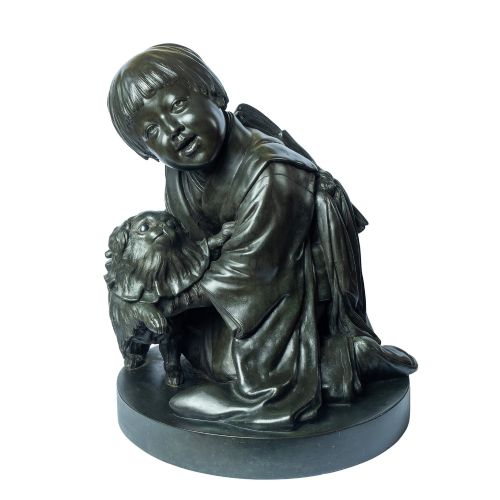
A meiji bronze figurine captures subjects ranging from animals and figures to anthropomorphic scenes created during the Meiji period. The selection includes okimono, sculptures, and small decorative studies that demonstrate the diverse output of Japanese metalworkers.
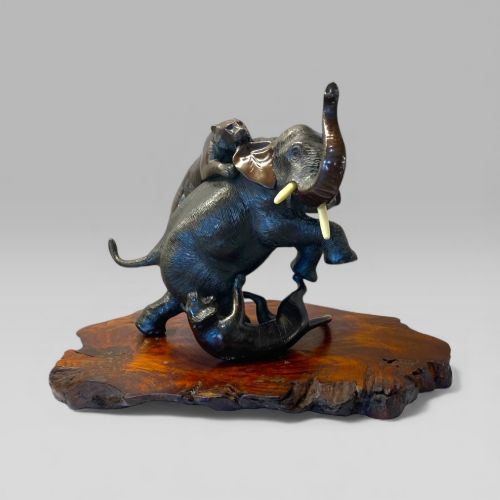
Most examples date from the late nineteenth and early twentieth centuries, spanning periods from roughly eighteen eighty to nineteen twenty. These pieces take the form of monkeys, elephants, tigers, birds, and human figures engaged in daily tasks.
Makers often cast these works in bronze, patinated bronze, or mixed metals, occasionally incorporating gold inlay, wood, or bone elements. The resulting objects serve as standalone sculptures or detailed tabletop ornaments.
How they were made
Certain pieces incorporate secondary materials such as hardwood bases, bone, and lacquer to complete the composition. Artisans achieved varied surface textures through chemical patination and meticulous chasing of the metal surface.
Meiji Bronze Figurine Retail Price Guide 2026
Typical asking prices for meiji bronze figurine among the pieces listed under this phrase on Sellingantiques today, from the lower quarter to the upper quarter. They describe what is for sale here now, not the wider market.
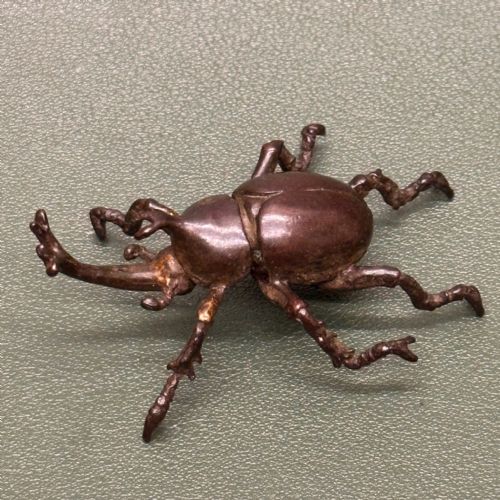
A bronze rhinoceros beetle stands ready for inspection alongside traditional scholar monkeys and French bulldogs.
What varies in quality
The degree of fine chiselling in the fur, feathers, and facial expressions separates standard foundry pieces from exceptional works. Master carvers and metalworkers achieved a lifelike presence through precise attention to anatomy and movement.
The complexity of the composition also dictates the standing of a piece, particularly in multi-figure okimono involving interacting animals or detailed human subjects. The integration of mixed metals and secure patination further distinguishes the better examples.
Mitsumoto·Masaaki·Kunio Itô·Unno Shomin·Haruyama Shunzan·Miyao
The Meiji Bronze Figurine Glossary
- Okimono
- A Japanese display object designed for placement on a shelf or in a tokonoma alcove. These sculptures range from small animal studies to complex figural groups.
- Takazōgan
- High-relief inlay technique where metal details stand proud of the background surface. This method adds depth and texture to mixed-metal decorative elements.
- Patinated bronze
- Bronze treated with chemical solutions to produce specific surface colours and tones. This finish protects the metal while enhancing visual contrast.
- Mixed metals
- The combination of different metallic alloys, such as bronze, copper, and silver, within a single object. Artisans utilise this technique to create naturalistic colour variations.
- Meiji Period
- The era of Japanese history spanning from eighteen sixty-eight to nineteen twelve. This period marked a peak in the export and technical refinement of decorative metalwork.
Meiji Bronze Figurine: Frequently Asked Questions
What is a meiji bronze figurine?
These items are sculptural metal objects cast in Japan during the late nineteenth and early twentieth centuries. They depict animals, mythological figures, and people in daily pursuits.
Craftsmen produced them as decorative okimono for interior display. Their subjects range from single birds to complex groupings of elephants and tigers.
How were these figures used?
Original owners placed these sculptures on tables, desks, and shelves as decorative art objects. Many served as standalone okimono meant to be appreciated close up.
Some pieces doubled as functional items like ashtrays or trinket dishes. They were intended for quiet contemplation within a traditional interior setting.
How do I care for bronze?
Dust the surface gently with a soft, dry cloth to prevent the accumulation of grit. Avoid using commercial metal polishes or liquids that can strip the original patina.
Keep the piece away from direct sunlight and damp environments to protect the metal and any inlaid wood or bone. Minimal handling preserves the historic surface finish.
How can I tell the period?
Examine the style of casting, surface patination, and subject matter for characteristics of late nineteenth and early twentieth century Japanese metalwork. Signatures or marks can sometimes indicate specific makers active during the Meiji era.
Material choices like mixed-metal alloys and applied patination offer further clues to the manufacturing date. Comparing the anatomical detail helps distinguish nineteenth-century work from later reproductions.