
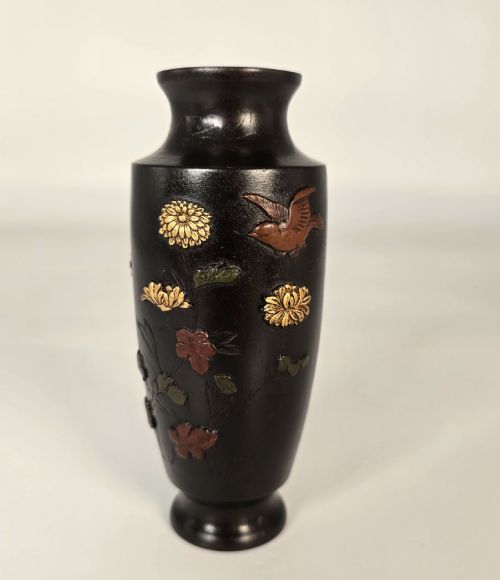


Meiji Art Metalwork
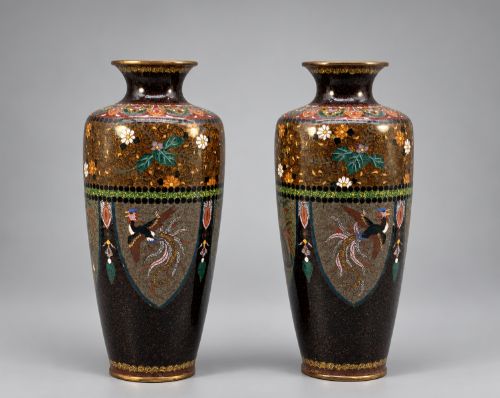
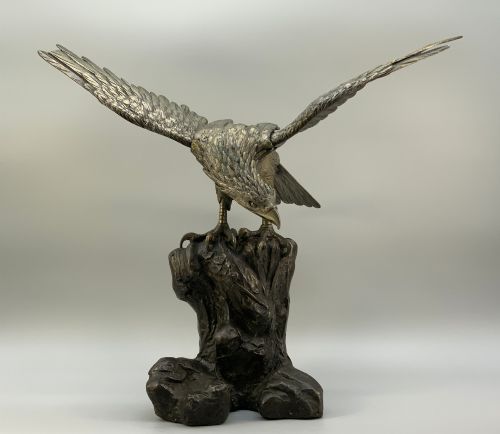
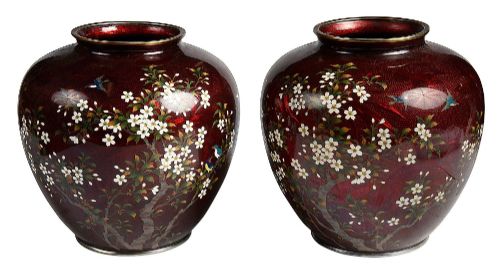
These pieces of meiji art metalwork bring together Japanese bronze, copper and cloisonné enamel from the nineteenth and early twentieth centuries.
Meiji Art Metalwork
Meiji art metalwork encompasses decorative objects produced in Japan during the late nineteenth and early twentieth centuries, spanning from the 1870s to the 1910s. When you search for this phrase, you encounter vessels, chargers and sculptures that reflect traditional Japanese craftsmanship adapted for international tastes.
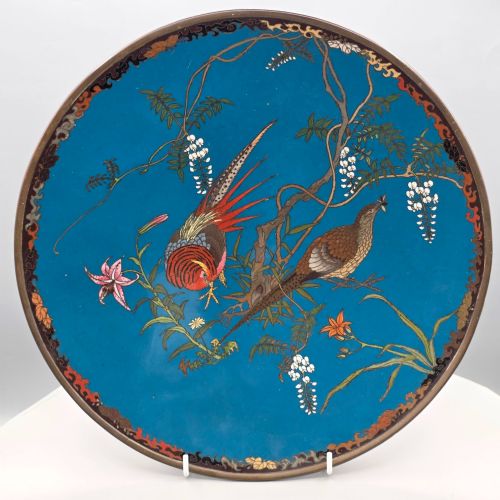
The most common forms on this page are vases, plates and lidded pots executed in bronze or detailed with cloisonné enamel. These items often feature natural motifs such as birds, dragons and peonies, alongside sculptural figures and architectural garden pieces.
Originating directly from the Meiji period, these works range from patinated bronze vessels to complex mixed metal creations incorporating silver foil and gold inlay. They capture a definitive era of Japanese metalworking history defined by intense technical experimentation.
How they were made
The primary technique relies on casting bronze, copper and brass into intricate forms such as vases, censers and jardinières. Makers applied patination to the metal surfaces to achieve deep tonal contrasts and varied textures.
Cloisonné enamel work involves soldering thin metal wires to form cells on a copper or bronze base, which are then filled with coloured enamel pastes and fired. Mixed metal pieces further integrate different metal alloys alongside gold inlay and silver foil to build complex pictorial designs.
Materials recorded across the current inventory include bronze, copper, brass, cloisonné enamel, gold inlay and silver foil.
What varies in quality
The distinction between standard production and masterwork pieces rests entirely on the precision of the metal casting and the execution of the surface decoration. Finer works display meticulous control in their cloisonné wirework and subtle tonal shifts across patinated bronze.
Depth of detail in the subject matter, such as feathered birds or layered floral motifs, separates ordinary decorative items from superior examples. The integration of mixed metals and the clarity of inlaid gold or silver details further elevate the standing of a piece.
The Meiji Art Metalwork Glossary
- Cloisonne Enamel
- A decorative technique where metal wires are soldered to a base to create compartments filled with enamel paste. This method produces vibrant coloured patterns across vases and chargers.
- Okimono
- A Japanese freestanding sculpture designed for display on a shelf or in a tokonoma alcove. These figures often depict animals or historical subjects in bronze.
- Patinated Bronze
- Metal treated with chemicals or heat to alter its surface colour and finish. This process creates deep brown, green or dark patinas on vessels and plaques.
- Mixed Metal
- An approach combining different metallic alloys like copper, brass and bronze within a single object. It creates contrasting colour schemes across the body of the piece.
- Charger
- A large decorative plate intended for display rather than dining use. These items frequently feature elaborate enamel or engraved pictorial scenes.
Meiji Art Metalwork: Frequently Asked Questions
What is meiji art metalwork?
These pieces are decorative Japanese metal objects produced during the Meiji period, encompassing cast bronzes and cloisonné enamels.
They include vessels, chargers and sculptures that combine traditional metalworking techniques with intricate natural and folklore motifs.
How were these bronzes used?
Most bronze vessels and jardinieres served as ornamental display items within domestic interiors or gardens. Many chargers and plaques were specifically created for decorative exhibition.
Sculptural okimono figures were placed on stands or shelves as focal points in traditional interior settings.
How do I date these pieces?
Dating relies on stylistic markers and manufacturing methods associated with the late nineteenth and early twentieth centuries. Pieces often align with specific decades between the 1870s and 1910s based on material combinations and design.
Changes in patination styles and the evolution of cloisonné wirework help separate earlier works from later productions.
Where should I display them?
These metalworks suit stable surfaces away from direct moisture, allowing their patinas and enamel colours to catch natural light. Vases and chargers benefit from placement on dedicated stands or open shelves.
Larger bronze sculptures and garden items can be housed individually to highlight their structural forms and casting detail.