







Medieval Carved Wooden Figure
A medieval carved wooden figure brings centuries of devotion, portraiture, and craft straight into a room through carved timber.
Medieval Carved Wooden Figure
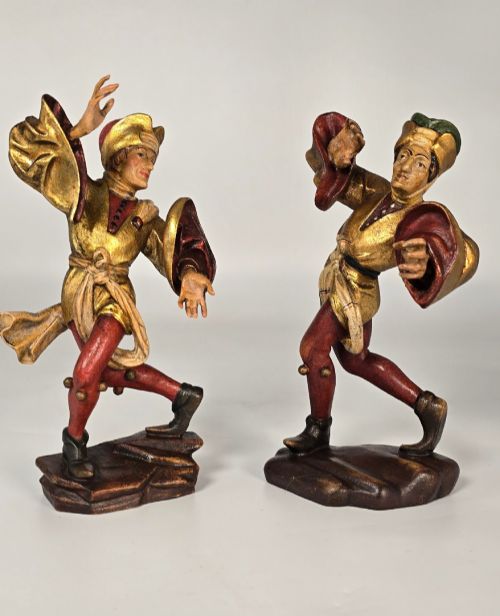
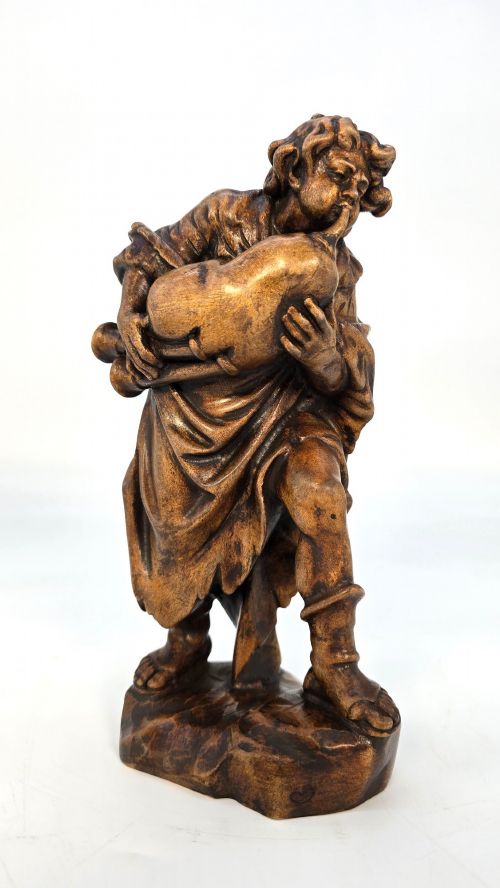
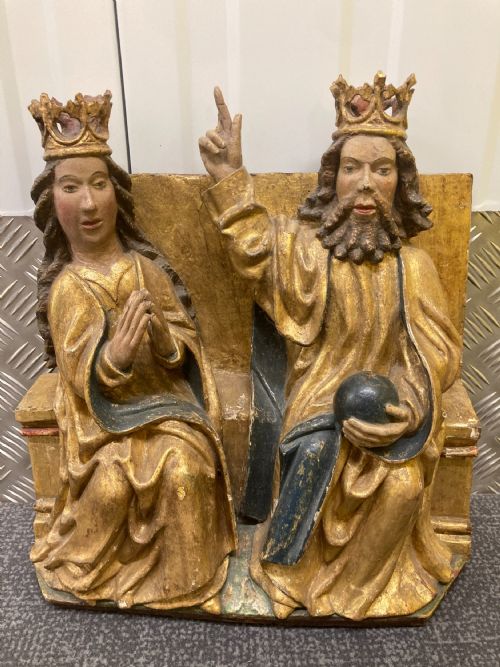
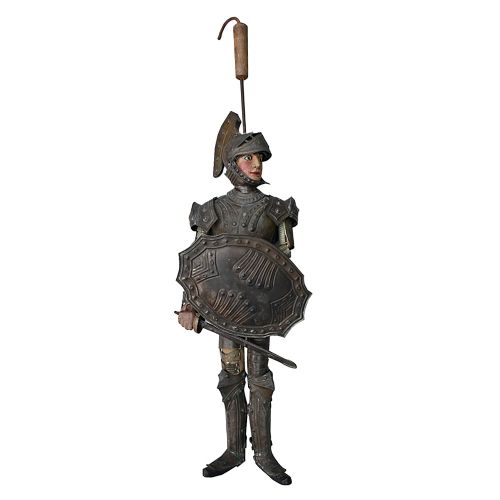
A medieval carved wooden figure represents sacred and secular subjects fashioned by European hands centuries ago, encompassing saints, donors, and biblical groupings. When examining a medieval carved wooden figure on this page, the buyer encounters everything from pre-sixteenth century church statues to later nineteenth and twentieth century interpretations. Forms range from solitary oak saints and Madonna figures to complex groupings like the Pieta and Anna Selbdritt.
The regional diversity spans German, Flemish, French, and Swiss workshops, touching upon Gothic, Renaissance, and Black Forest styles. Surviving fragments sit alongside complete panel sculptures and freestanding wall carvings, demonstrating the varied contexts these devotional works originally occupied. Subjects include bishops, angels, holy families, and musicians, each telling a distinct story of historical woodcarving.
What varies in quality
The sculptural depth and expressiveness of the carving dictate the distinction between standard workshop output and masterwork execution. Facial articulation, the natural fall of textile folds, and the preservation of original polychrome or surface patination determine the standing of each piece.
Proportion and anatomical understanding shift across regions and periods, with earlier continental carvings often displaying greater emotional intensity in figures such as saints and mourners. The integrity of the surviving wood, structural stability, and the authenticity of historic finishes further separate exemplary survivals from later revivals.
Medieval Carved Wooden Figure Retail Price Guide 2026
Typical asking prices for medieval carved wooden figure among the pieces listed under this phrase on Sellingantiques today, from the lower quarter to the upper quarter. They describe what is for sale here now, not the wider market.
Sculptures range from pre-sixteenth century church figures to twentieth-century Black Forest interpretations of Swiss subjects.
The Medieval Carved Wooden Figure Glossary
- Polychrome paint
- Decoration applied to sculpture using multiple colours. This traditional finish brought devotional figures to vivid life in medieval churches.
- Giltwood
- Timber treated with gold leaf or gold paint. Surviving traces highlight the former opulence of liturgical carvings.
- Pieta
- A subject showing the Virgin Mary cradling the dead body of Christ. This poignant iconography recurs frequently in continental wood sculpture.
- Anna Selbdritt
- A devotional representation showing Saint Anne, the Virgin Mary, and the Christ Child together. This subject appears in late medieval northern European carving.
- Donor figure
- A sculpture depicting the patron or donor of a religious artwork. These figures often kneel in prayer alongside saints.
Medieval Carved Wooden Figure: Frequently Asked Questions
Are these figures painted or bare wood?
Examples survive in both states, with some retaining original polychrome paint and gold leaf while others show exposed oak or limewood.
Centuries of cleaning or deliberate stripping often account for the bare timber seen on many historic pieces today.
Where were these carvings originally displayed?
Most devotional sculptures originated in churches, private chapels, or shrines as altarpieces, wall figures, or devotional groups.
Later nineteenth and twentieth-century items often reflect domestic decorative tastes inspired by earlier Gothic and Black Forest traditions.
How should I care for antique wood?
Maintain stable indoor humidity levels and keep wooden sculptures away from direct heat sources and strong sunlight.
Dust gently with a dry, soft cloth and avoid applying modern polishes or oils to historic, untreated surfaces.