

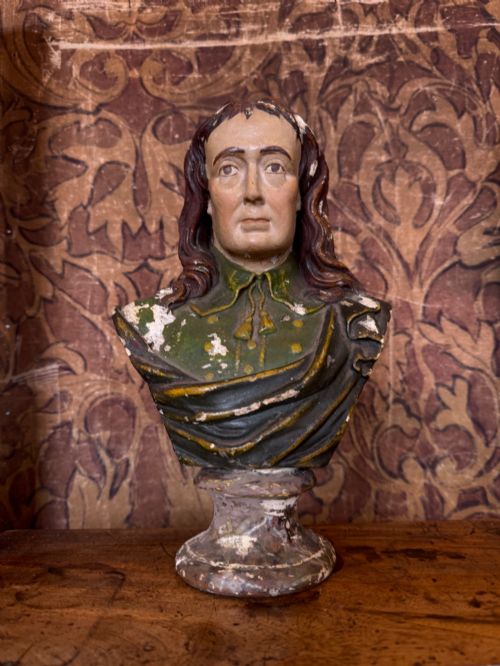
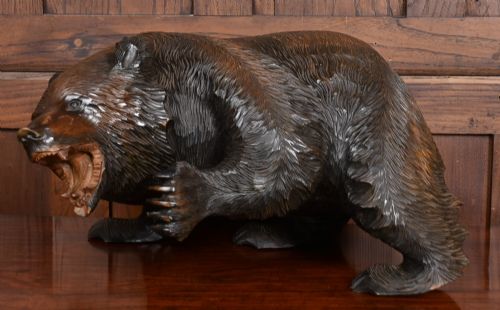


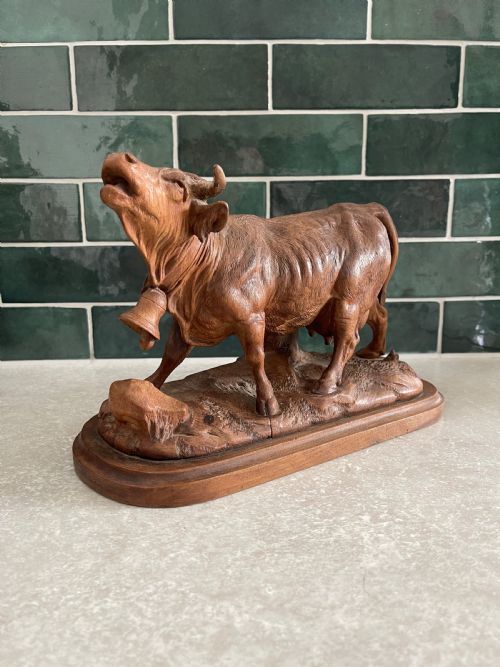





Brown Carved Wood Statuette
These brown carved wood statuette examples bring sculptural warmth and regional character to any room, spanning centuries of global craftsmanship.
Brown Carved Wood Statuette
A brown carved wood statuette encompasses figurative sculptures and decorative objects shaped from various timbers across multiple centuries. When you examine this selection, you encounter subjects ranging from domestic animals and wildlife to historical figures and mythological deities.
The objects originate from diverse traditions, including European Black Forest workshops, Japanese Meiji period studios, Georgian British carvers, and African tribal makers. These pieces function primarily as cabinet displays or tabletop ornaments, bringing tactile presence and distinct cultural narratives into an interior.
Materials and construction methods
Carvers utilise dense timbers such as boxwood, walnut, oak, and assorted hardwoods to achieve intricate detail without structural failure. The natural grain of the wood dictates the direction of the cuts, while dark stains and surface polishes deepen the rich brown tones of the material.
Makers employ hand-held gouges and chisels to execute undercut forms, fur textures, and facial expressions directly from the block. Artisans often combine these carved wooden elements with contrasting materials like ivory, or finish surfaces with subtle wax treatments.
Brown Carved Wood Statuette Retail Price Guide 2026
Typical asking prices for brown carved wood statuette among the pieces listed under this phrase on Sellingantiques today, from the lower quarter to the upper quarter. They describe what is for sale here now, not the wider market.
Materials across these listings include boxwood, walnut, oak, and various dense hardwoods.
Determining quality in carved wood figures
The distinction between ordinary and exceptional work lies in the anatomy, depth of undercut, and expressive vitality of the carving. Superior pieces demonstrate an intimate understanding of the subject, whether capturing the muscular tension of a draught horse or the calm posture of a human figure.
Anatomy rendered with proportional precision and confident chisel marks elevates a piece above rigid, mechanical production. The handling of textural elements, such as animal pelts or drapery folds, reveals the carver's technical skill and artistic discipline.
Simon Troger·Tomochika
The Brown Carved Wood Statuette Glossary
- Black Forest carving
- A style of wooden sculpture originating from Switzerland and Germany during the nineteenth century, known for realistic depictions of bears and woodland animals. These items frequently utilise walnut or linden wood.
- Okimono
- A Japanese decorative figurine designed for display on a household altar or within a traditional living space. The form encompasses detailed carvings of animals and figures.
- Animalier
- A nineteenth-century artistic genre focusing on the realistic portrayal of animals. Sculptors in this tradition emphasise natural movement and physical power.
- Hardwood
- Timber derived from broad-leaved trees that provide dense, durable material for intricate sculpture. These woods resist splitting and take a fine polish.
Brown Carved Wood Statuette: Frequently Asked Questions
How do I clean a wooden statuette?
Dust the surface gently with a soft, dry natural bristle brush to prevent particle accumulation in deep crevices.
Avoid using water, liquid cleaners, or modern silicone polishes, as these substances can degrade the wood surface and lift original finishes.
Where should I place these carvings?
Position your sculpture away from direct sunlight and heat sources, such as radiators, which cause the timber to dry out and split.
Stable indoor humidity levels protect the structural integrity of the wood and preserve the depth of the dark stains.
How do I distinguish Black Forest pieces?
Look for characteristic European subjects like bears, ibex, and agricultural animals rendered in dark walnut or linden wood with high textural realism.
These pieces typically date from the nineteenth or early twentieth century and originate from alpine manufacturing centres.
What is an okimono?
An okimono is a Japanese standalone decorative sculpture produced for interior display rather than religious ritual use.
Meiji period examples frequently depict natural subjects like rabbits, tigers, or human figures with exceptional carving precision.