


Mechanical Wind Clock
These mechanical wind clock examples range from portable carriage designs to robust mantel pieces, offering traditional timekeeping driven by springs and gear trains.
Mechanical Wind Clock
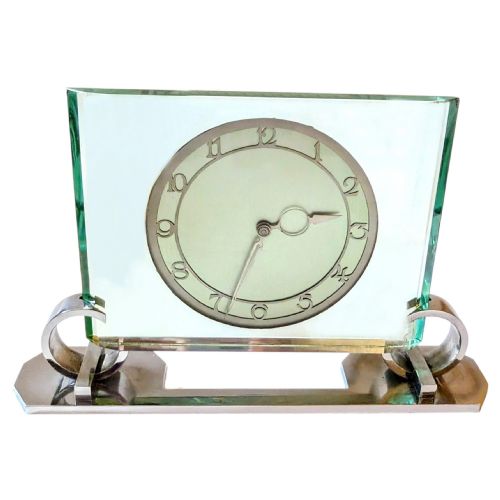
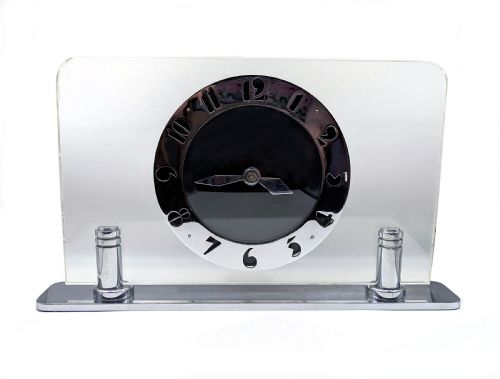
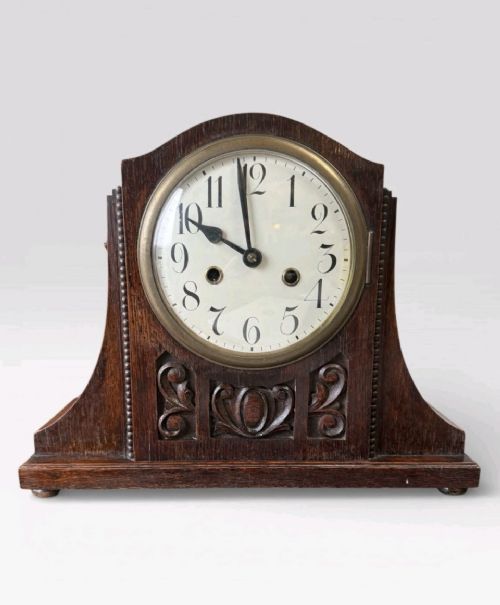
When searching for a mechanical wind clock, buyers encounter a diverse selection of timepieces spanning the nineteenth and twentieth centuries, including traditional carriage clocks, bracket clocks, and mantel pieces. Carriage clocks feature prominent glass panels within brass or gilt bronze housings, while mantel clocks showcase styles from Victorian through Art Deco periods.
Most items on this page lean heavily towards carriage clocks housed in brass or metal cases, alongside oak, walnut, and mahogany mantel clocks. Smiths Clockmakers and L Epee represent notable firms among the available variations.
Materials and construction methods
Makers utilised durable metals such as brass, nickel, chrome, steel, and gilt bronze alongside glass panels to construct sturdy cases that protected delicate internal escapements and gear trains. Wood selections for larger bracket and mantel clocks include oak, walnut, and mahogany.
Some heavy carriage clocks spent decades packed away as unissued shop stock, waiting quietly for a buyer.
What separates standard pieces from the finest examples
Quality rests in the complexity of the movement, such as the inclusion of repeater mechanisms, alarms, or twin fusee configurations, alongside the precision of the case metalwork and glass fitting. Heavy brass cases, refined enamel dials, and signed movements by established makers distinguish superior items from standard production pieces.
The integrity of the original components and the crispness of decorative brass detailing also dictate the standing of a piece. Well-preserved carriage clocks with original platforms and clear maker signatures command greater interest.
Smiths Clockmakers·L Epee·Mappin and Webb·Bravingtons Ltd of London·Jaeger LeCoultre·Kienzle
The Mechanical Wind Clock Glossary
- Carriage clock
- A portable spring-driven timepiece originally designed for travelling. These pieces typically feature brass frames with glass panels allowing a view of the internal movement.
- Fusee
- A conical pulley used in mechanical clocks to maintain even force on the gear train as the mainspring unwinds. This mechanism ensures more accurate timekeeping throughout the power reserve.
- Repeater
- A complication that strikes the hours and quarters when a lever or button is pressed. Such movements often sound the time on gongs or bells.
- Gorge case
- A specific stepped-top brass case design common on quality nineteenth-century carriage clocks. It provides a distinct architectural profile to portable timepieces.
- Bracket clock
- A traditional shelf or table clock originally built with a bracket for support. These wooden-cased pieces often house fusee movements.
Mechanical Wind Clock: Frequently Asked Questions
How do I wind a mechanical clock?
Wind the mainspring using the designated key or winding arbor until you feel firm resistance, taking care not to overwind the mechanism. Each clock may require specific handling depending on whether it utilises a standard spring barrel or a fusee chain.
Ensure you turn the key in the correct direction indicated by arrows or standard horological practice for that particular movement type.
What is the difference between a carriage clock and a mantel clock?
Carriage clocks are smaller, portable timepieces encased in brass and glass with an integrated carrying handle on top. They were originally designed for travellers during the nineteenth century.
Mantel clocks are larger, heavier stationary pieces housed in wood or metal designed to sit permanently on a shelf or mantelpiece.
How do repeaters work?
A repeater mechanism strikes the hours and fractions of hours on demand when a lever is activated by the user. This function was particularly useful before electric lighting made checking a dial easy in the dark.
Five-minute repeaters and ting-tang variations offer different auditory sequences to indicate the exact time.
What materials are typical for these clock cases?
Brass and gilt bronze dominate the portable carriage clock category, frequently paired with bevelled glass panels to expose the internal gear train. Wooden housings utilise oak, walnut, and mahogany for traditional bracket and mantel clocks.
Nickel, chrome, and steel also appear on later twentieth-century desk and world time pieces.
How do I date an antique mechanical clock?
Dating relies on stylistic clues, case architecture, signature engravings, and the specific evolution of escapement technology inside the movement. Victorian, Edwardian, and Art Deco design motifs offer clear chronological markers for when a piece was manufactured.
Maker signatures and retail stamps can also narrow down the production era significantly.