


Masons Ironstone Bowls
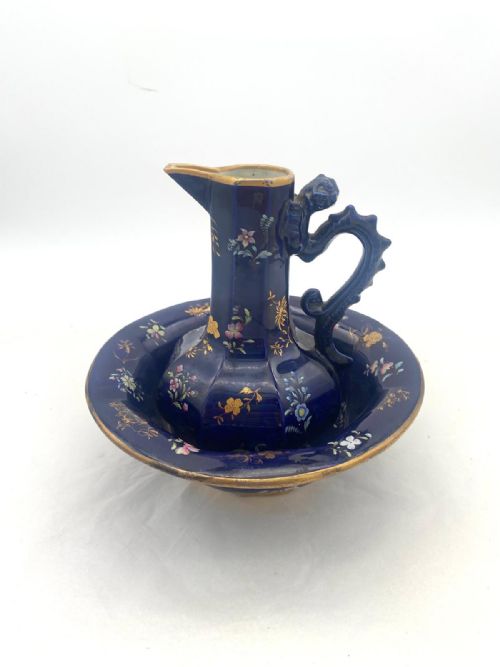
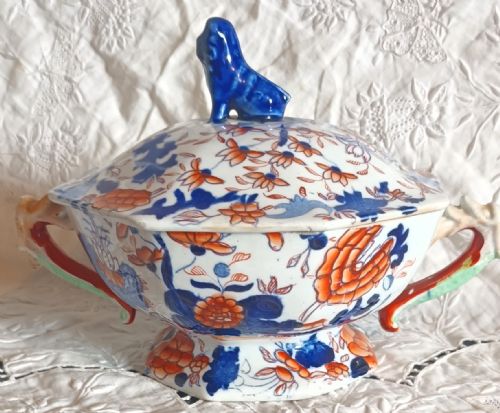
These masons ironstone bowls combine dense ceramic body with rich enamelling, offering the durability of ironware and the refined appearance of porcelain.
Masons Ironstone Bowls
When you search for masons ironstone bowls, you encounter robust serving vessels and tableware produced across the nineteenth century. These pieces bridge the gap between heavy earthenware and delicate porcelain, designed for both practical dining and ornamental display.
The selection on this page centres on nineteenth century examples, spanning the Georgian and Victorian eras. You will find comports, footed bowls, soup bowls, and large covered vessels showing distinct regional and stylistic influences.
Forms range from simple utilitarian bowls to elaborate handled tureens and fruit comports. Many pieces display specific decorative motifs such as Chinoiserie, Mandarin patterns, and Indian Grasshopper designs.
How they were made
Makers utilised a durable ceramic body known as ironstone, composed of earthenware clay mixed with slag of ironstone, feldspar, and china stone. This dense mixture was moulded or thrown before being fired at high temperatures to create a hard, vitrified surface.
Potters applied intricate surface designs using hand-painted enamels, transfer printing, and rich gilding. Details like gold leaf and coloured glaze enhanced the motifs, which often drew inspiration from imported East Asian ceramics.
The listings show nineteenth-century ironstone incorporating ceramic, enamel, gold leaf, and glaze across Georgian and Victorian periods.
What varies in quality
The standard of a piece rests largely on the precision of the moulding and the artistry of the hand-applied decoration. Finer examples display crisp relief moulding alongside carefully executed polychrome enamels that remain vibrant across the surface.
The application of gold leaf and the complexity of patterns such as Chinoiserie or Mandarin differentiate standard productionware from superior exhibition pieces. Superior weight and glaze consistency also signal a higher grade of manufacture.
The Masons Ironstone Bowls Glossary
- Ironstone
- A patented ceramic body developed to provide a tough, chip-resistant alternative to porcelain while retaining a refined white finish. It absorbs little moisture and accepts enamels readily.
- Comport
- A decorative footed bowl or dish raised on a pedestal, traditionally used for serving fruit or sweetmeats at the table. These pieces often feature wide rims and moulded handles.
- Chinoiserie
- A decorative style reflecting European interpretations of Chinese and East Asian artistic traditions. It frequently incorporates motifs of figures, pagodas, and exotic foliage.
- Porringer
- A small, shallow bowl with one or two horizontal handles, historically used for broths and porridges. In ironstone, these often survive as decorative cabinet items.
- Mandarin pattern
- A polychrome enamel design featuring traditional Chinese figures in domestic or garden settings, bordered by intricate floral motifs.
Masons Ironstone Bowls: Frequently Asked Questions
Are masons ironstone bowls safe for daily use?
While these nineteenth-century vessels were originally made for dining and serving, age and historic enamels mean modern use requires care. Hand washing preserves the delicate gold leaf and coloured enamels.
Sudden temperature changes can stress the ceramic body and historic glaze. Displaying them or reserving them for special occasions protects the surface decoration from wear.
How do I identify a Georgian piece?
Georgian examples typically date from the early nineteenth century and often feature early patent marks alongside robust ironstone bodies. The styling frequently leans towards Regency elegance and detailed Chinoiserie schemes.
Later Victorian pieces tend to adopt heavier forms and different palette combinations. Comparing the stylistic motifs helps place an item within its specific nineteenth-century period.
What is the difference between a comport and a bowl?
A comport is raised on a distinct foot or pedestal, designed to elevate fruit or decorative arrangements above the table surface. Standard bowls sit flat on a base or low foot rim.
Comports often feature wider, more ornamental rims intended for display. Both share the same durable ironstone ceramic construction.