

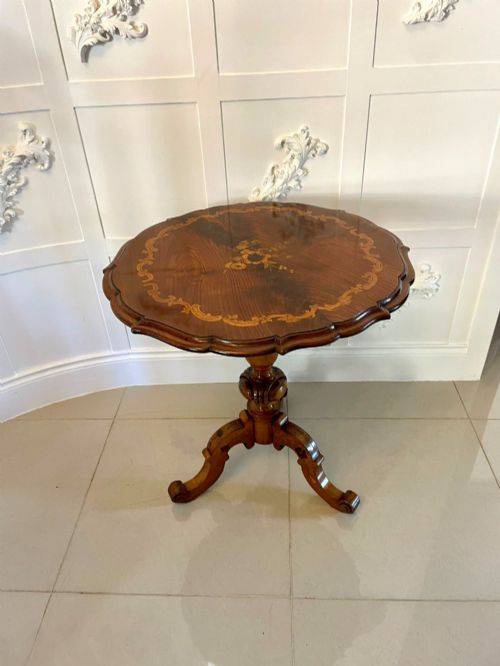
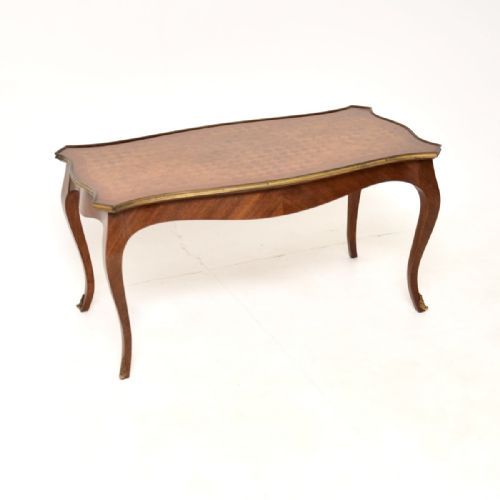
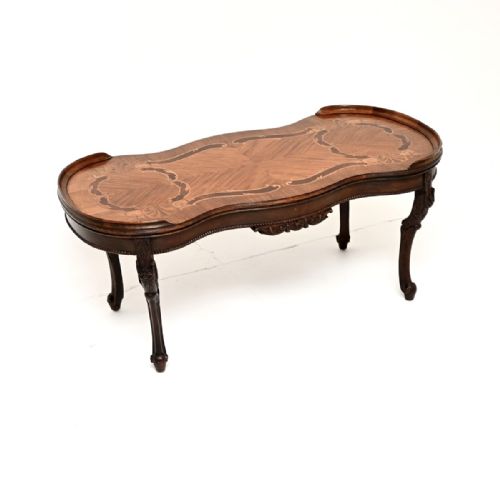
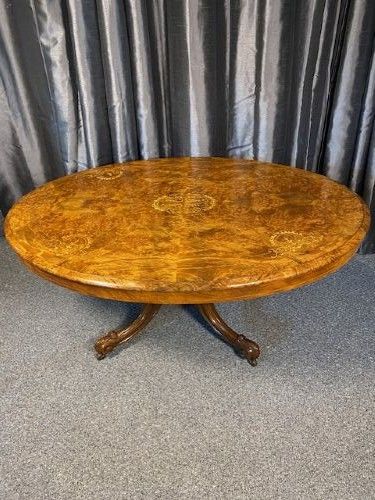

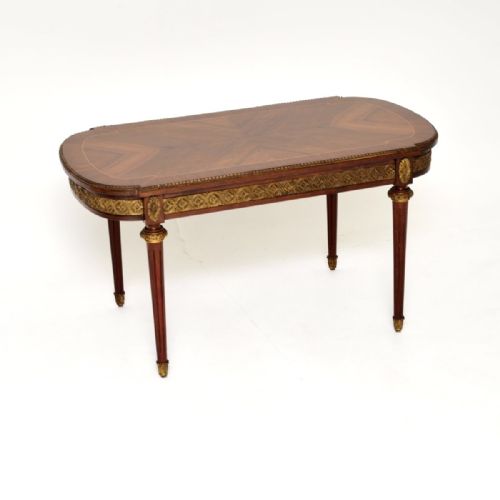

Marquetry Walnut Tea Table
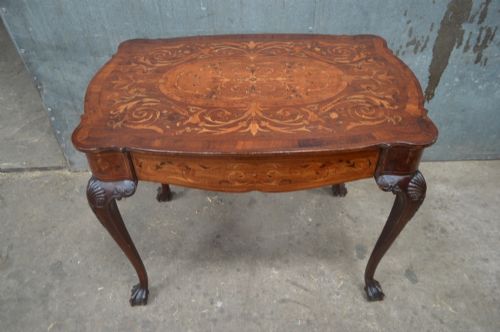
A marquetry walnut tea table brings intricate floral and geometric imagery onto rich timber surfaces, offering a practical yet decorative centrepiece for the room.
Marquetry Walnut Tea Table
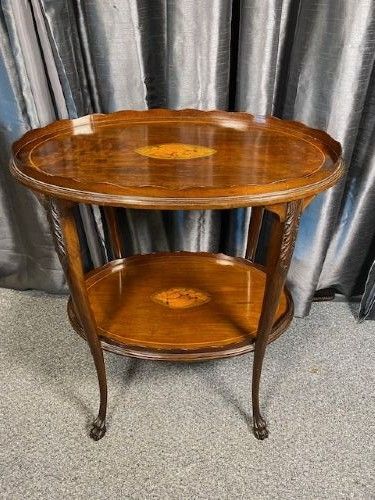
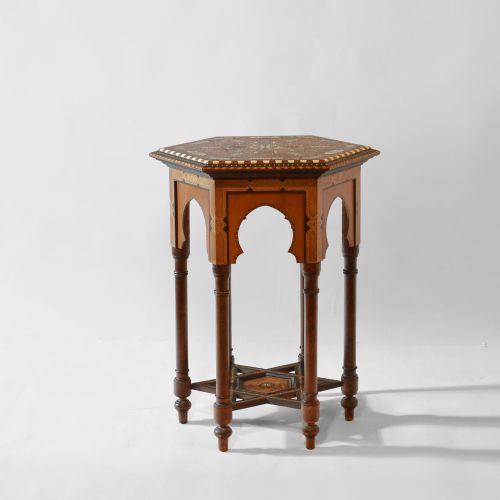
A marquetry walnut tea table combines the rich figuring of walnut timber with detailed pictorial inlays, taking forms such as occasional, card, centre, and tilt-top tea tables. These pieces emerge predominantly from the nineteenth century, including Victorian and Edwardian periods, alongside eighteenth-century Dutch examples.
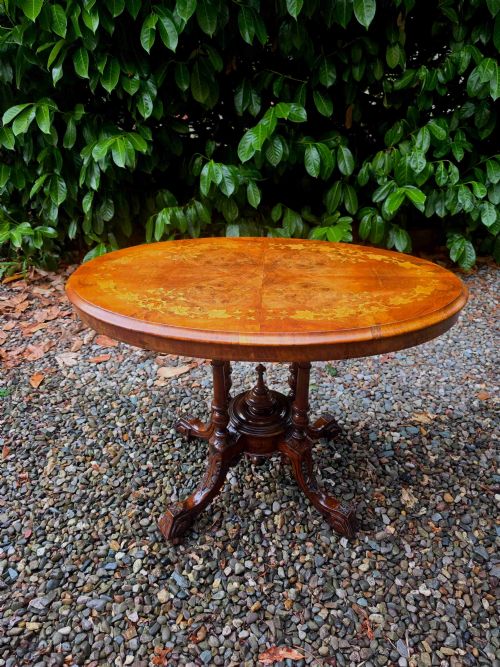
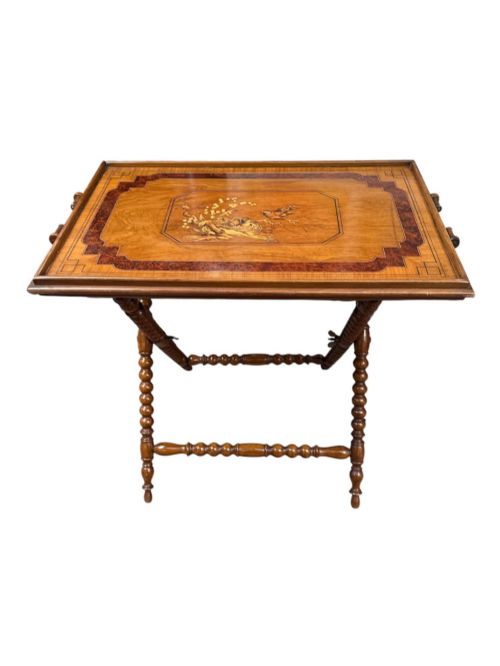
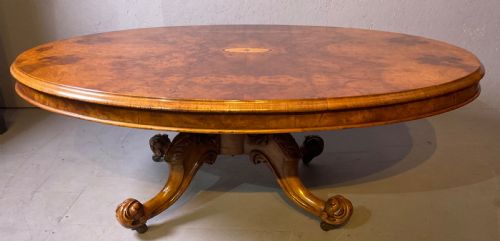
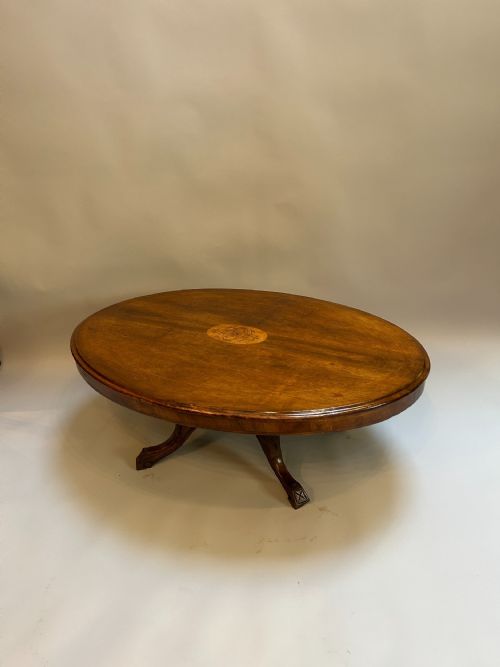
Buyers seeking this phrase most commonly encounter Victorian burr walnut examples featuring intricate floral or geometric marquetry. These range from oval lamp and coffee tables to games and card tables with folding tops.
How They Were Made
Craftsmen built these tables using a solid timber carcase or frame overlaid with burr walnut veneers, which provided heavily figured, swirling grain patterns. The decorative surfaces relied on precision-cut veneers of contrasting timbers such as fruitwood and boxwood, assembled into pictorial marquetry or geometric parquetry patterns.
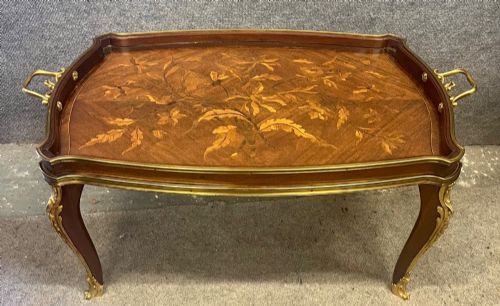
Many examples incorporate cast brass mounts, ormolu details, and turned or hand-carved wooden bases to support the inlaid tops. Some tables integrate specialised folding mechanisms for games or tilting mechanisms for storage.
Some tables double as card and games boards, proving that Victorians enjoyed a quiet flutter alongside their afternoon brew.
What Varies in Quality
The sophistication of the veneer work largely determines the standing of a marquetry walnut tea table. Finely executed pictorial scenes featuring diverse contrasting woods represent a higher standard than repetitive geometric patterns.
The underlying timber selection also dictates value, with heavily burred walnut grain showing superior depth compared to plain walnut boards. Additionally, crispness in hand-carved wooden bases and the integration of quality ormolu or brass mounts elevate the piece.
The Marquetry Walnut Tea Table Glossary
- Marquetry inlay
- Decorative patterns formed by fitting small pieces of veneer into a prepared surface. This technique allows for complex floral and pictorial designs across the tabletop.
- Burr walnut
- Timber taken from the growth excrescences of a walnut tree, producing highly twisted and mottled grain patterns. It forms the primary visual field for many nineteenth-century tables.
- Ormolu
- Gilt bronze mounts applied to furniture for decorative effect. These metal ornaments appear on French and English pieces from the period.
- Parquetry
- Geometric wood inlay patterns resembling mosaics. Unlike pictorial marquetry, parquetry uses angular shapes such as cubes and triangles.
- Teapoy
- A small stand or table originally designed to hold tea caddies. Nineteenth-century examples often feature lidded compartments and inlaid walnut construction.
Marquetry Walnut Tea Table: Frequently Asked Questions
What is a marquetry walnut tea table?
A marquetry walnut tea table is a small decorative table featuring figured walnut wood adorned with intricate wood-veneer inlays depicting flowers, birds, or geometric patterns.
These pieces date largely from the eighteenth and nineteenth centuries, including Victorian and Edwardian periods, and take various forms such as tilt-top, card, and occasional tables.
How were these tables used originally?
These tables served primarily for serving tea or hosting indoor parlour games like cards, utilising folding or tilt-top mechanisms to save space when not in use.
Wealthy households also utilised them as centre tables or display surfaces for ornaments in drawing rooms and parlours.
How do I care for a walnut table?
Protect the polished walnut surface from direct sunlight and excessive heat to prevent the delicate fruitwood and boxwood inlays from lifting or fading.
Apply occasional appropriate wax polish and dust gently with a soft dry cloth to maintain the timber's natural lustre.
How can I tell the period of the table?
Dating relies on examining the construction methods, timber types, and stylistic indicators such as Rococo Revival curves or Louis XV influence.
Nineteenth-century Victorian and Edwardian examples often feature machine-sawn veneers and specific hardware, whereas eighteenth-century pieces show hand-cut joinery and distinct Dutch marquetry motifs.