

Marquetry Cupboard Cabinet
A marquetry cupboard cabinet combines precise wood inlay with useful storage, bringing decorative depth and period character into a room.
Marquetry Cupboard Cabinet
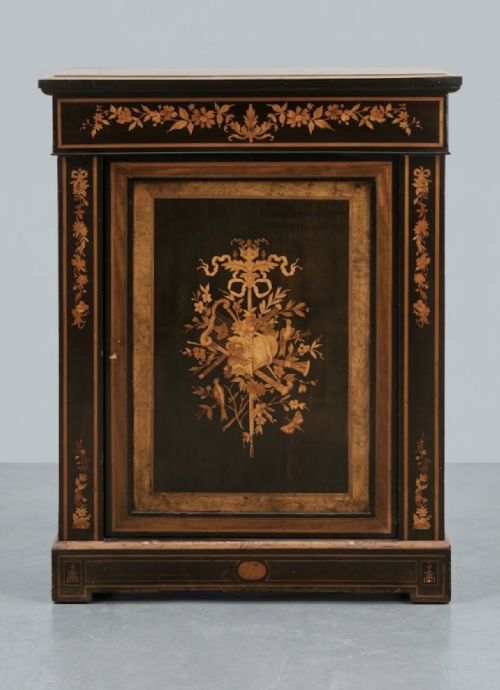
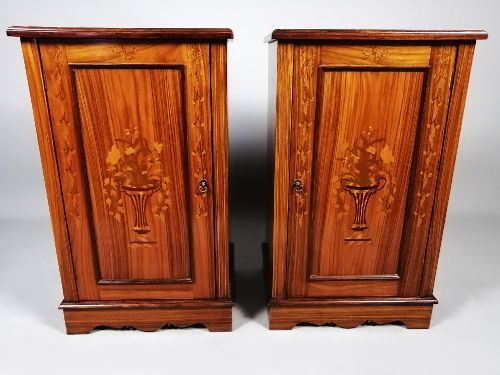
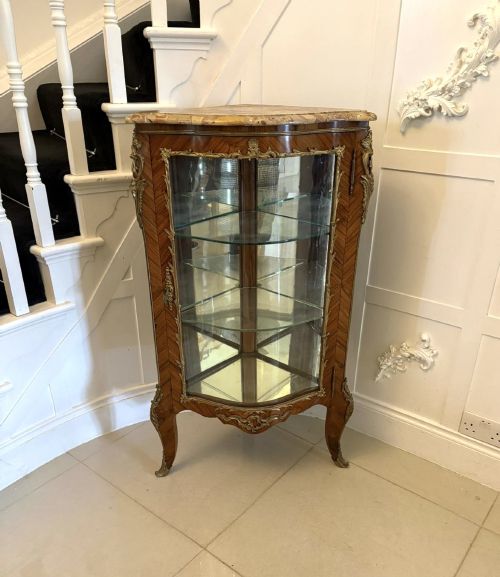
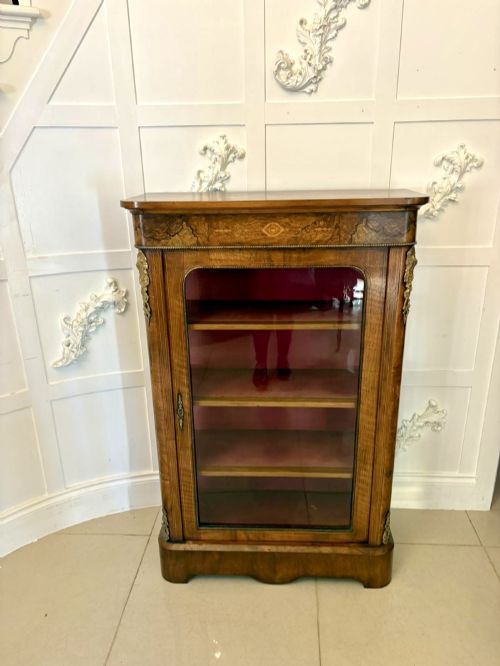
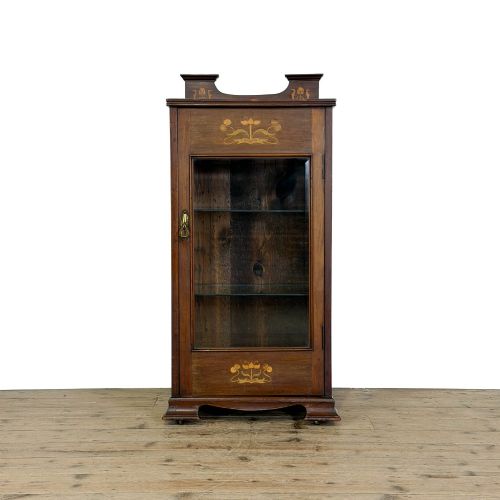
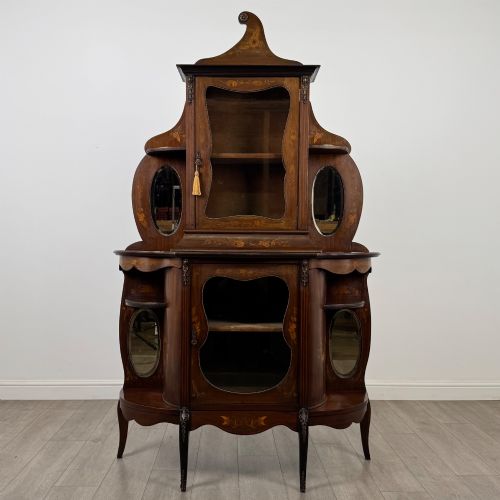
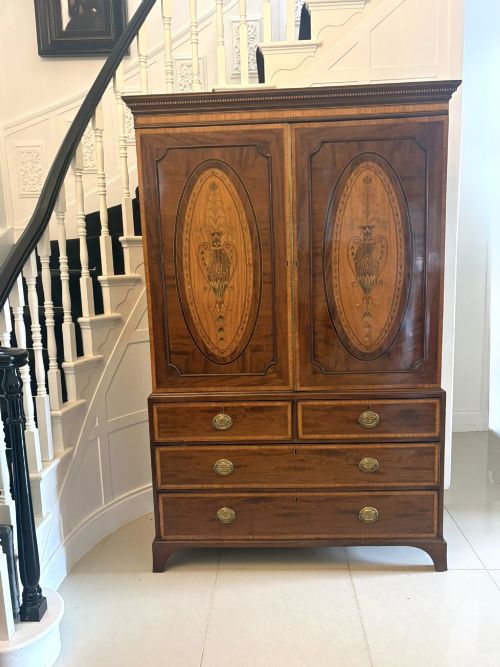
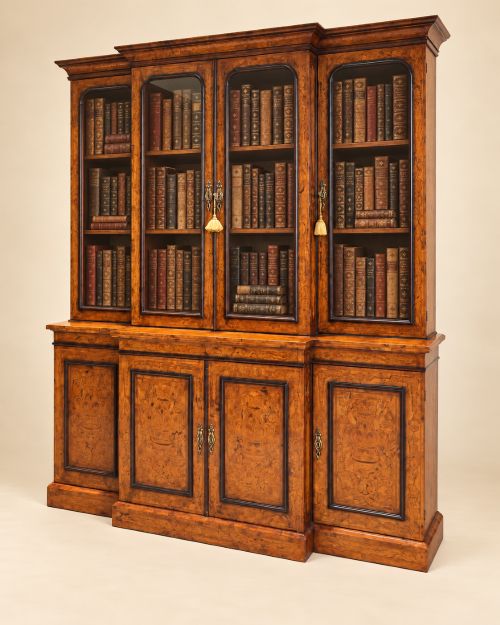
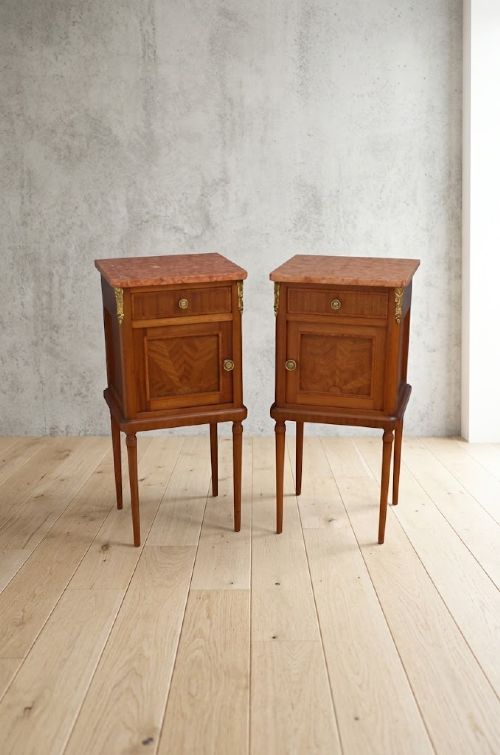
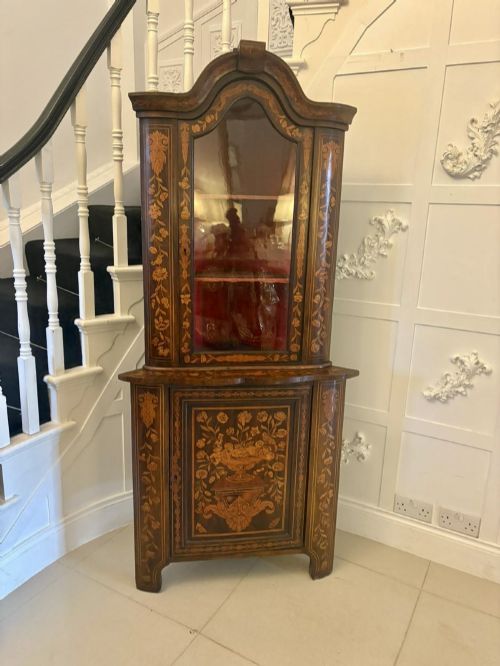
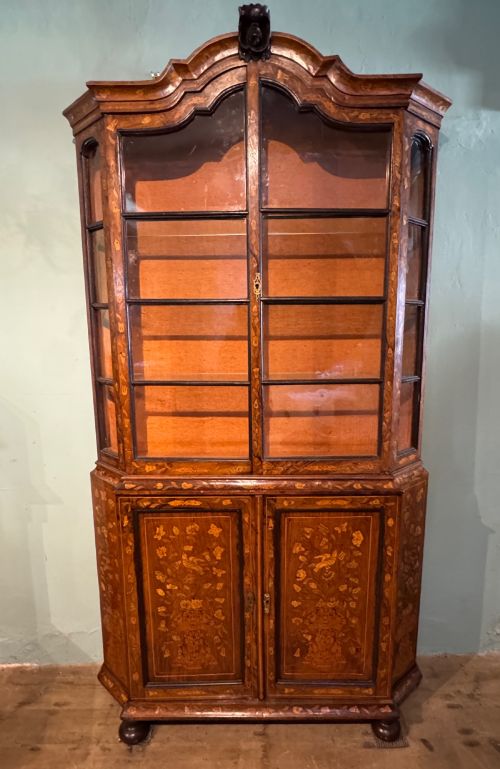
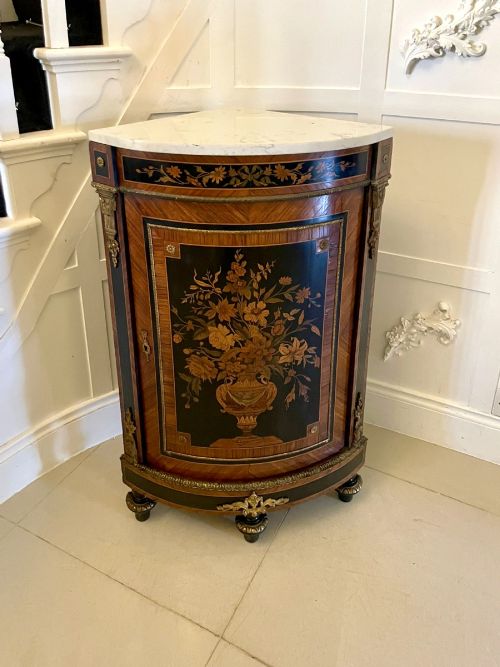
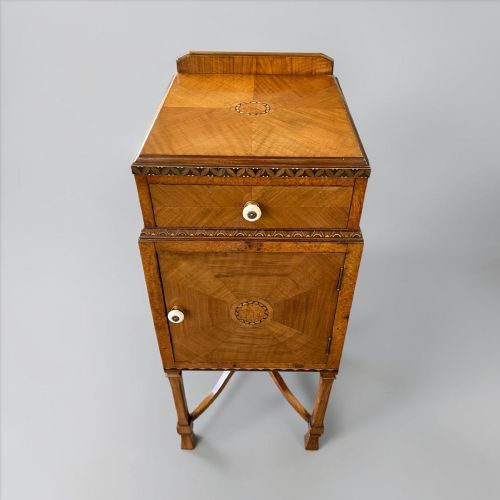
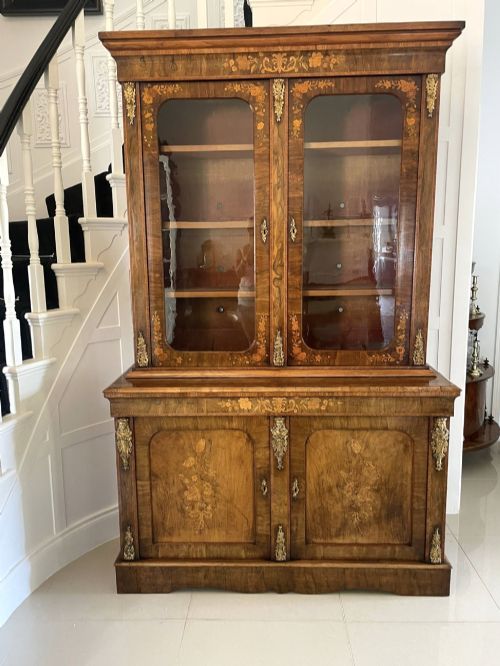
A marquetry cupboard cabinet brings together intricate veneer work and practical storage, appearing in forms such as display cabinets, corner cabinets, bedside tables, and linen presses. Pieces span multiple centuries, with significant representation from the Victorian, Edwardian, and Georgian periods alongside 18th-century Dutch examples.
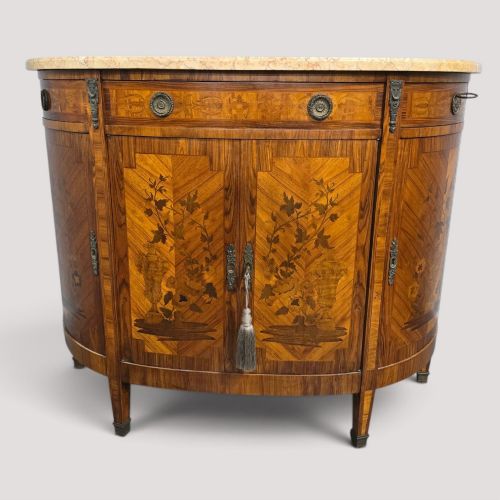
Buyers encounter varied regional expressions, including French Louis XVI style pieces featuring marble tops and Dutch Baroque wall cabinets with floral inlay. The selection ranges from narrow pier cabinets designed for compact spaces to large breakfront bookcases and standing double-height corner units.
The objects serve diverse domestic functions, acting as bedside storage, book repositories, and glazed display cases for ceramics. This variety ensures that different room proportions and interior schemes find a suitable match.
Materials and Construction
Cabinet makers utilised foundational timbers such as mahogany, walnut, burr walnut, satinwood, and rosewood to build the structural carcase. Surface decoration relies on marquetry techniques, incorporating contrasting woods and floral or geometric veneer patterns.
Many examples integrate decorative details like ormolu mounts, brass hardware, glazed doors, and marble tops. Secondary woods provide internal stability, while specialist workshops applied intricate ebonised finishes and pewter inlay on specific Continental pieces.
The selection includes regional variations such as Dutch Baroque, French Louis XVI style, and Sheraton Revival.
Assessing Craftsmanship
The refinement of the marquetry design separates standard production from exceptional examples, distinguishing simple geometric banding from elaborate, finely rendered floral motifs. Precision in the fit of the veneers and the crispness of the surrounding timber mouldings indicate the level of workshop skill.
The choice of primary timber influences the visual impact, with highly figured burr walnut and rich satinwood displaying superior depth compared to plain secondary veneers. Structural hardware, such as chased ormolu mounts and original brass fittings, further defines the grade of the piece.
Edwards and Roberts
The Marquetry Cupboard Cabinet Glossary
- Marquetry
- The decorative technique of applying pieces of veneer to a structure to form ornamental designs and pictures. Artisans cut various coloured woods to fit precisely together before gluing them to the carcase.
- Pier Cabinet
- A low or tall cabinet designed to stand against the wall between windows. These narrow pieces often feature glass doors and internal shelving for display.
- Linen Press
- A large standing cupboard traditionally used for storing folded garments and household textiles. Upper sections typically contain sliding trays while lower compartments offer drawer space.
- Ormolu
- Gilded bronze ornamentation applied to furniture mounts and feet. The technique involves treating bronze with an amalgam of gold before firing.
- Encoignure
- A French corner cabinet designed to fit neatly into domestic angles. These units frequently feature curved fronts and decorative veneer work.
Marquetry Cupboard Cabinet: Frequently Asked Questions
What is a marquetry cupboard cabinet?
A marquetry cupboard cabinet is a storage piece decorated with fitted wood veneers that form floral, pictorial, or geometric patterns. These items combine utility with decorative surface work.
They appear as bedside chests, corner units, and display cabinets across various historical periods.
How were these cabinets used originally?
These cabinets served multiple domestic functions for storing textiles, displaying valued possessions, or holding bedside necessities. Glazed versions protected books and ceramics from dust.
Larger linen presses accommodated household linens while smaller bedside variants held personal items.
How do I date a marquetry cabinet?
Dating relies on identifying the underlying timber, structural construction methods, and stylistic cues such as hardware and veneer motifs. Georgian and Victorian pieces often show distinct proportions and carving details.
Regional characteristics, like Dutch floral inlay or French ormolu mounts, also point to specific periods of manufacture.
How do I care for inlaid wood furniture?
Inlaid wood furniture requires stable indoor humidity levels and protection from direct sunlight to prevent veneer lifting or fading. Regular dusting with a soft, dry cloth preserves the polished surface.
Avoid placing damp items directly onto the timber or marble tops to protect the underlying structure.