


Marquetry Cabinet on Chest
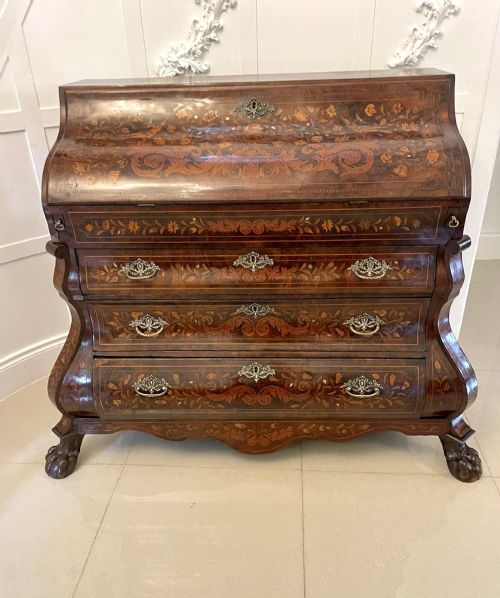
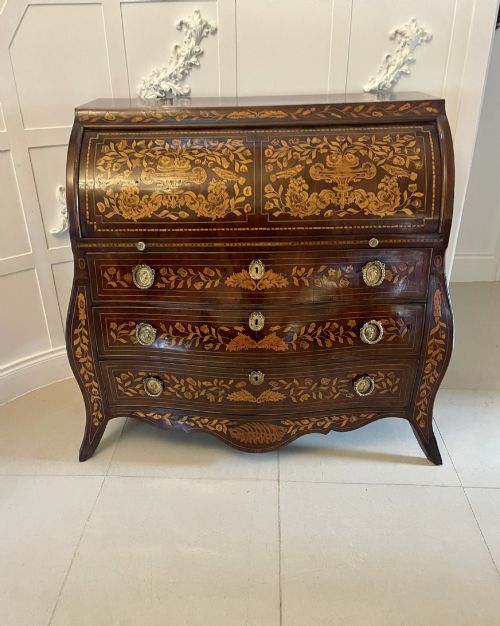
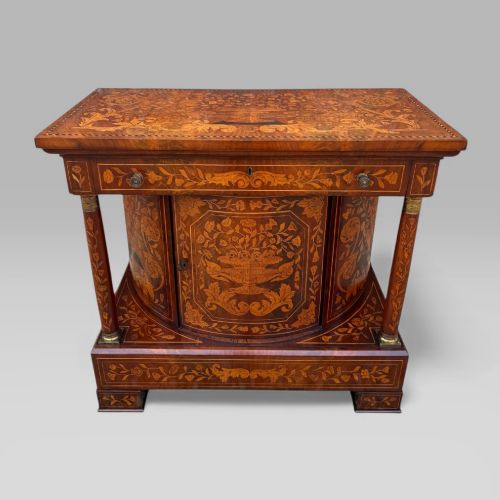
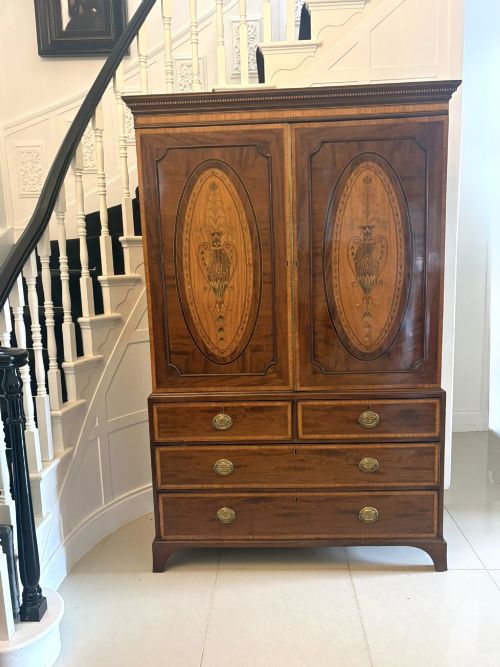
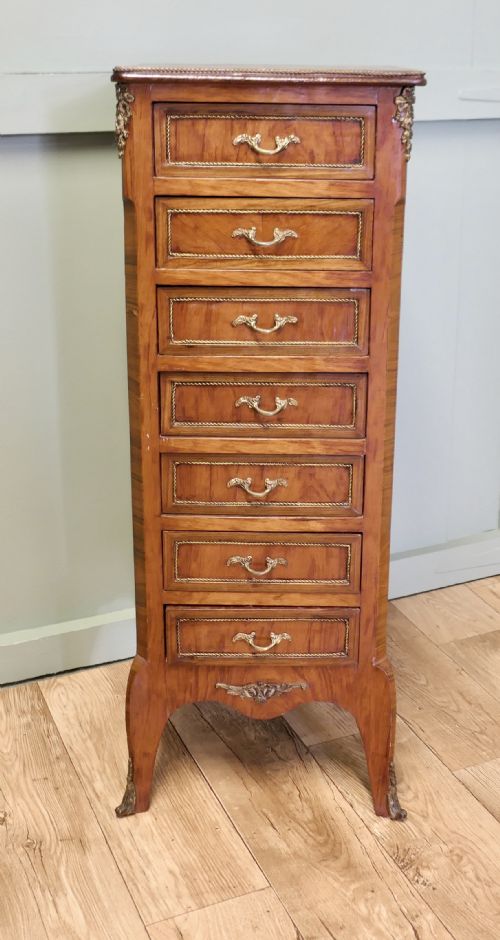
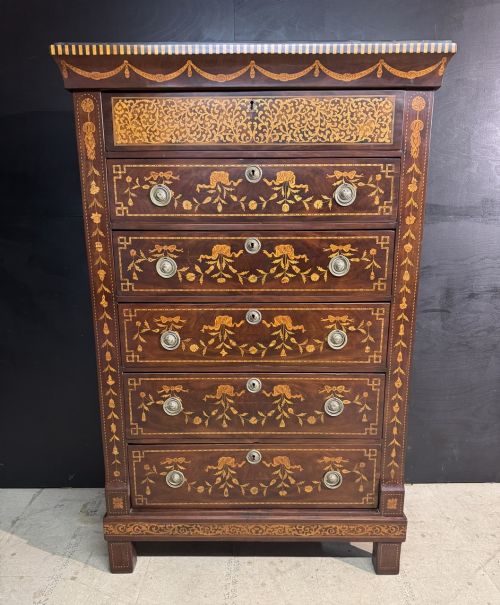
These marquetry cabinet on chest pieces unite intricate floral inlays with elevated storage, offering a commanding focal point for any interior.
Marquetry Cabinet on Chest
A marquetry cabinet on chest combines a tall upper storage compartment with a lower chest of drawers, creating a substantial piece designed for display and utility. These items frequently emerge from eighteenth-century Dutch workshops and later revival periods, showcasing elaborate decorative schemes across their facades.
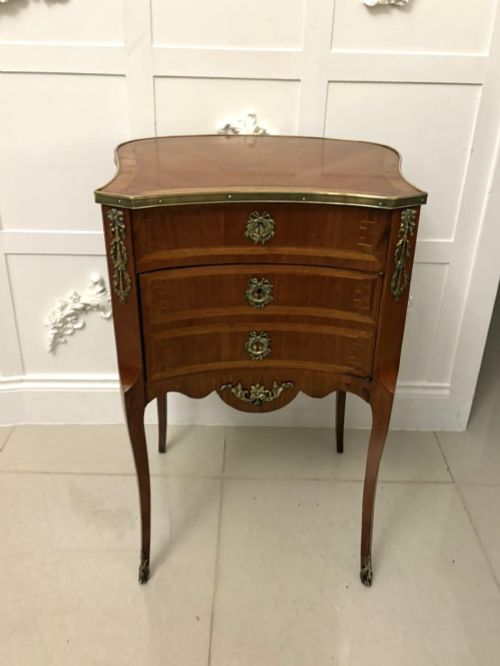
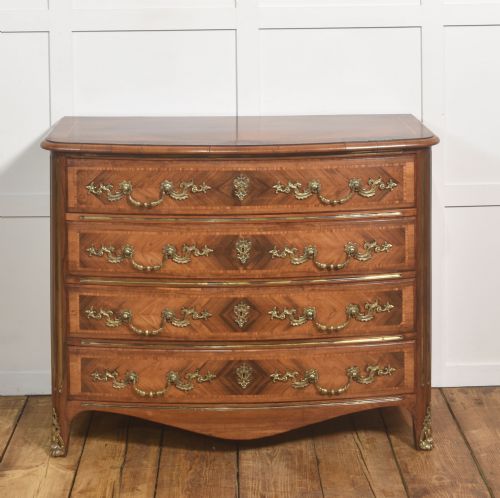
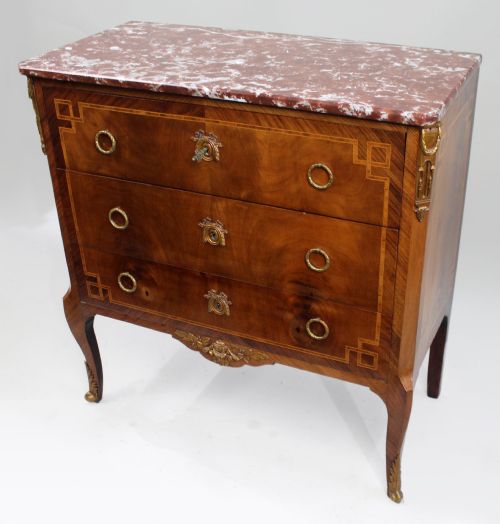
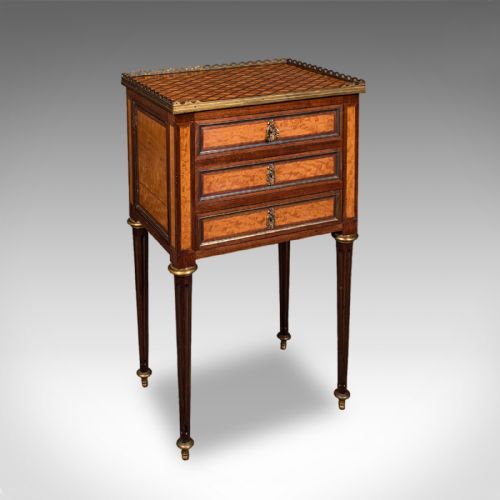
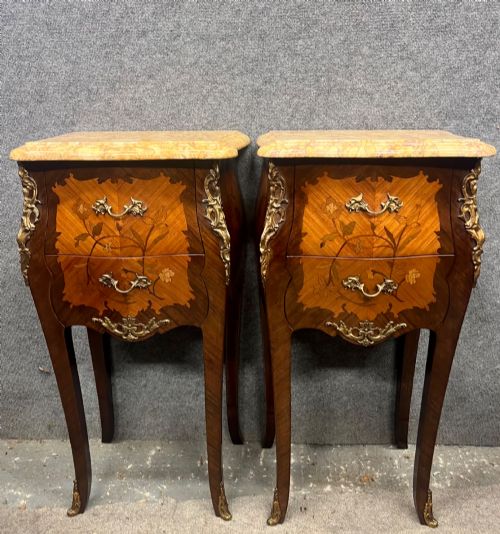
The version most commonly encountered on this page is the walnut or mahogany Dutch marquetry piece, often displaying dense floral patterns. Alongside these tall forms, buyers frequently find commodes, side cabinets, and bedside chests sharing similar inlaid techniques.
The lineage extends from seventeenth-century Baroque examples through Georgian iterations to early twentieth-century interpretations. Each period adapts the foundational cabinet on chest blueprint with distinct proportions and regional decorative vocabularies.
How They Were Made
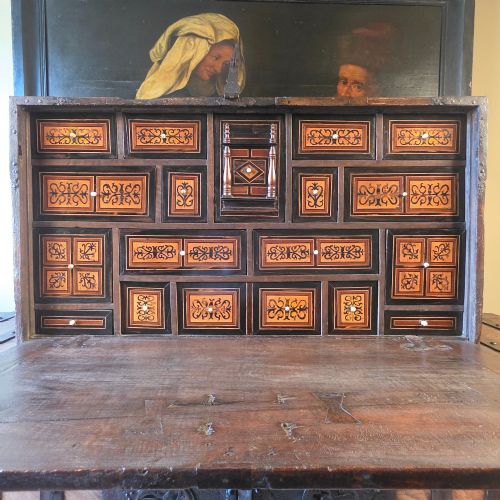
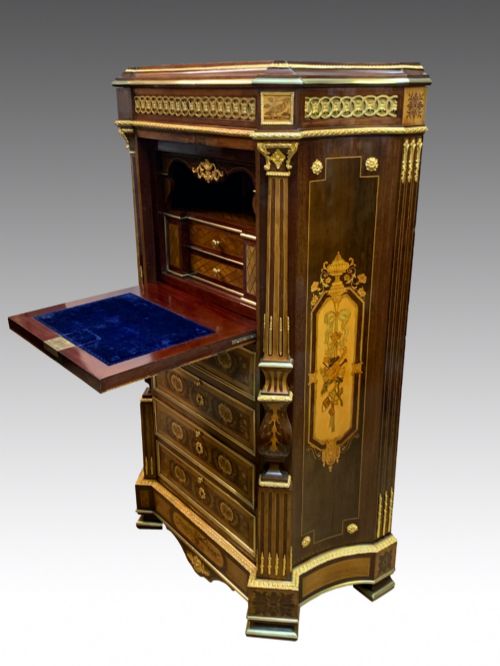
Craftsmen built structural carcases from foundational timbers like walnut, mahogany, and fruitwood, applying finely sliced veneers to every visible surface. Cabinetmakers then set contrasting woods, pewter, and brass into recessed channels to build up complex pictorial or floral motifs.
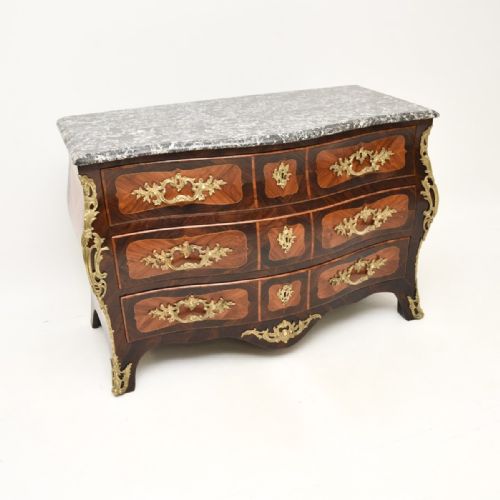
Surface ornamentation relied on meticulous hand-cutting, where individual pieces of light satinwood, darker walnut, and exotic kingwood fitted together like puzzles before gluing. Ormolu mounts, marble tops, and glass panels frequently finished the pieces, adding structural weight and contrasting textures to the timber bodies.
Listings feature walnut, mahogany, and kingwood timbers paired with marble and ormolu mounts across multiple centuries.
What Varies in Quality
The distinction between ordinary and exceptional examples rests upon the precision of the veneer work and the depth of the floral detailing. Superior pieces maintain crisp alignment where individual petals and stems meet, whilst lesser items exhibit wider gaps filled with dark putty.
Secondary timbers and internal construction reveal the maker's discipline, with top-tier workshops utilising solid drawer linings and hand-cut dovetails. The integration of high-grade hardware, such as cast ormolu mounts and heavy brass handles, further separates standard production items from masterworks.
Jacques Bircklé·Maison Krieger·Druce & Co.·Sormani·Edwards & Roberts
The Marquetry Cabinet on Chest Glossary
- Marquetry
- A decorative technique where small pieces of veneer are arranged to form pictorial or floral patterns on a carcase. Craftsmen cut multiple layers of wood simultaneously to ensure tight joints.
- Cabinet on Chest
- A tall furniture form featuring an upper enclosed section resting upon a lower base of drawers. This configuration maximises vertical storage space.
- Ormolu
- Gilded bronze mounts applied to furniture edges and feet for decorative accent. The technique involves treating brass or bronze with an amalgam of gold.
- Kingwood
- A dense, heavily figured exotic timber utilised in high-end veneering across eighteenth and nineteenth-century pieces. Its dark brown tones feature distinct golden stripes.
- Bombe
- A swelling, outward-curving profile characteristic of continental furniture design. This undulating contour requires advanced steaming and shaping of the wood.
Marquetry Cabinet on Chest: Frequently Asked Questions
What is a marquetry cabinet on chest?
A marquetry cabinet on chest is a dual-section storage item featuring detailed wood inlay across its doors and drawer fronts. It combines a display or storage cabinet sitting directly upon a lower chest of drawers.
These pieces served historically to store linens, documents, or valuables in prominent rooms. Their intricate floral designs made them as much works of art as functional furniture.
How do I care for a walnut cabinet?
Keep walnut and marquetry furniture away from direct sunlight and steady heat sources to prevent the delicate veneers from drying and lifting. Maintain a stable indoor humidity level.
Apply high-quality beeswax sparingly and buff gently with a soft cloth to nourish the wood. Avoid using modern aerosol sprays or silicone polishes.
Are these pieces eighteenth century?
Many examples date from the eighteenth century, particularly those originating from Dutch and English workshops. These authentic items display period construction methods and aged patination.
Later revival periods also produced similar forms during the nineteenth and early twentieth centuries. Checking secondary timbers and joinery helps confirm the exact era of manufacture.
Where were these cabinets placed?
These imposing items traditionally stood in principal reception rooms, grand hallways, or formal bedchambers where guests could admire their craftsmanship. Their elevated profile made them central anchors for interior decoration.
In modern settings, they function effectively in dining rooms or living spaces as statement storage pieces. They provide generous vertical capacity without occupying excessive floor space.