




Maritime Seascape Painting
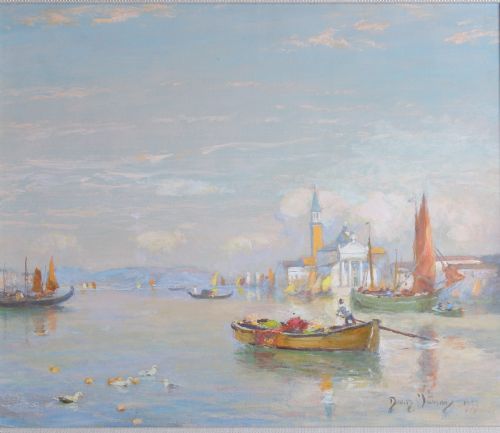
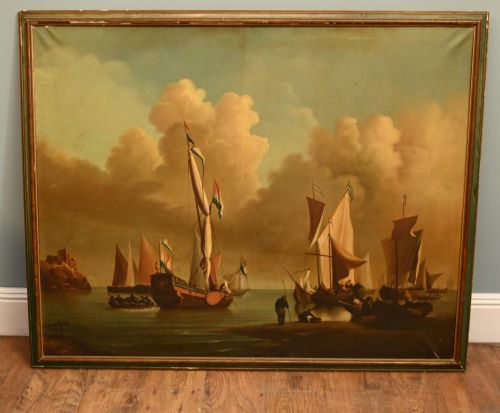
When you search for a maritime seascape painting, you are looking at coastal views, bustling harbours, and open water captured across the nineteenth and twentieth centuries.
Maritime Seascape Painting
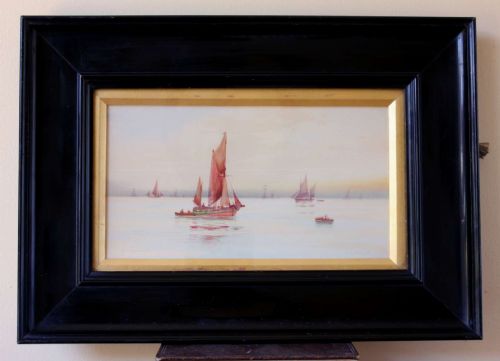
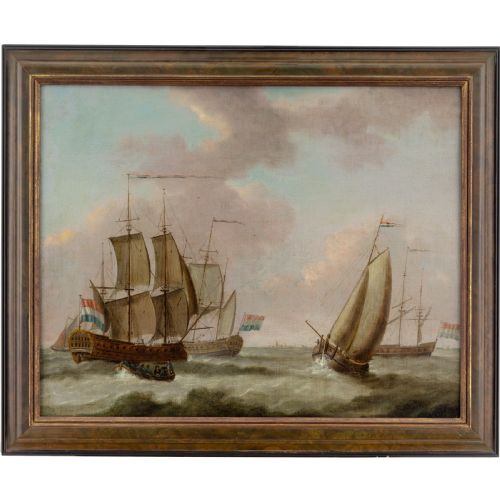
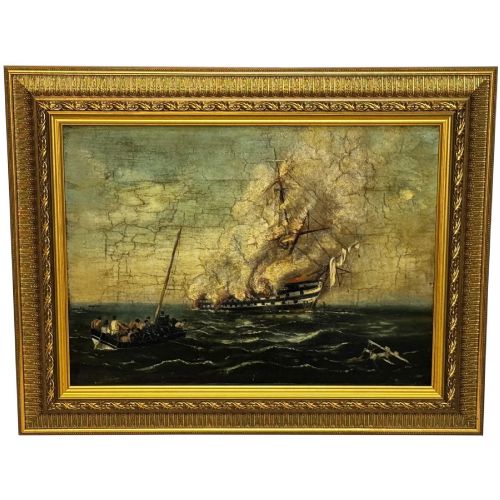
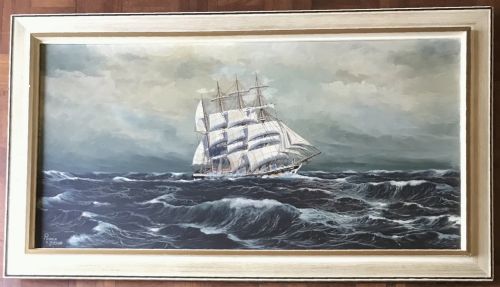
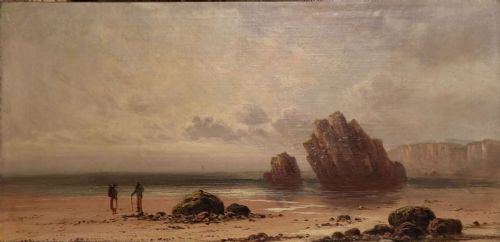
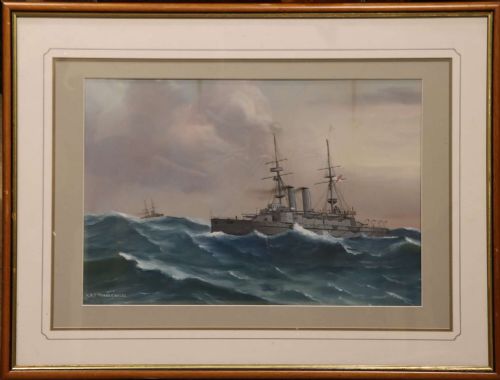
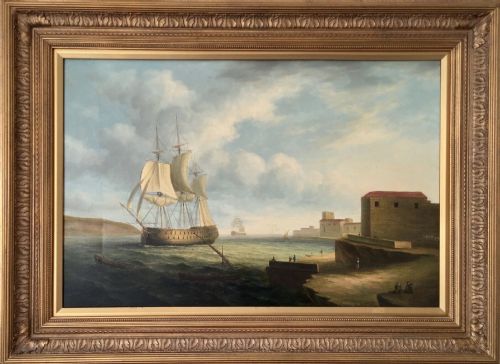
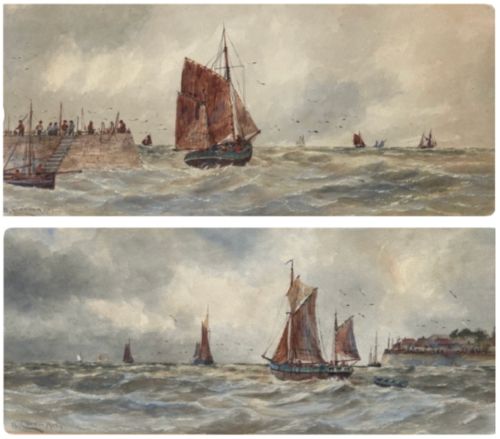
A maritime seascape painting records the movement of water, coastal weather, and the vessels that navigated British and international shores. You will encounter works ranging from busy Victorian ports and calm estuaries to dramatic storms on open seas.
The pieces on this page appear in various formats, predominantly as framed watercolours on paper or oil paintings on canvas and board. Artists focused on specific atmospheric conditions, capturing sunrise, sunset, or moonlight across the water.
Many examples document specific locations, such as London's Waterloo Bridge, Cornish fishing harbours, or foreign ports visited by merchant and naval ships. They offer a direct window into historical maritime activity and coastal topography.
Materials and techniques
Artists utilised oil paint for rich textures and deep tones, often working on stretched canvas, wooden panels, or prepared boards. Oil mediums allowed painters to build up impasto layers to depict churning waves and dramatic cloudscapes.
Watercolour on paper suited lighter, more immediate studies of coastal light, particularly favoured for rapid plein air work in harbours and seaside towns. Gouache and ink also appear, providing sharp details for rigging and architecture.
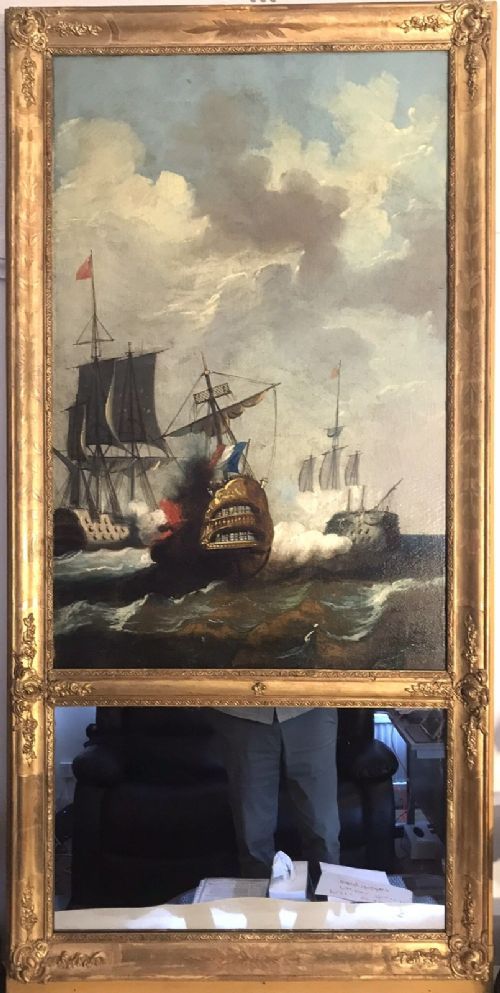
Surviving works are typically housed in period frames made of wood, frequently finished with gilt decoration to complement the palette of the painting within.
Listings feature works spanning from the seventeenth century through to the late twentieth century, utilising oil, watercolour, and gouache.
What distinguishes finer works
Quality rests primarily on the artist's command of marine anatomy, atmospheric perspective, and the fluid movement of water. Superior paintings demonstrate an accurate understanding of ship rigging, hull construction, and tidal behaviour.
Compositional balance separates standard decorative pieces from accomplished works of fine art, particularly in how the artist handles the horizon line and the interplay of light on the sea. Stronger examples use tone and brushwork to create genuine depth and atmosphere rather than relying on formulaic repetition.
James Hardy·Kenneth Cozens·James Orrock·William Cannon·Eugène-Louis Gillot·William McAlpine·Charles Edward Dixon·Eric Tufnell·William Banks Fortescue·John Rose Miles·James Kay·Frank Watson Wood·Thomas William Morley·Bonaventura Peeters·Frank William Scarbrough·F Corpuz·Peter Brannan·Francis Moltino·Hector Caffieri·Bernard Benedict Hemy·Thomas Creswick·Lucy Pratt·Willem Bos·TB Hardy·John Wilson Carmichael
The Maritime Seascape Painting Glossary
- Impasto
- Paint applied thickly to a canvas or board so that it stands out from the surface, creating visible brush or knife marks. This technique is often used in maritime scenes to give physical weight to crashing waves or billowing sails.
- Plein air
- The practice of painting outdoors to capture direct observations of natural light and weather. Many nineteenth-century coastal watercolours were produced this way on location at fishing ports.
- Gouache
- An opaque water-based medium that provides solid blocks of colour and crisp detail. It is frequently found combined with traditional watercolour in marine sketches.
- Panel
- A rigid wooden support used by artists in place of stretched canvas. Panels offered a stable surface for detailed oil sketches executed on location.
Maritime Seascape Painting: Frequently Asked Questions
How do I date a maritime painting?
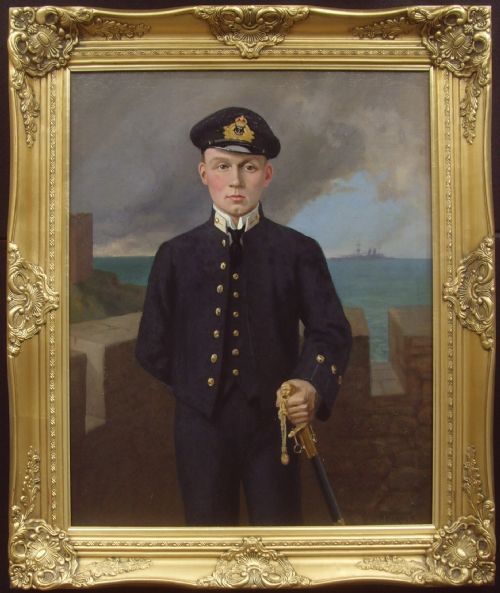
Dating relies on stylistic clues, artist signatures, and the specific vessel types depicted within the composition. Fashion in ship design, naval uniforms, and shore architecture often provides a narrow window of creation.
Paper watercolours from the nineteenth century display different ageing characteristics compared to twentieth-century boards or synthetic canvases. Frame styles also offer supplementary clues, though many works were reframed later in their lifespan.
Where should I hang a seascape?
These paintings suit spaces with steady ambient light, away from direct, harsh sunlight that can fade watercolours or discolour varnish on oil works. Placing them at eye level allows you to appreciate the fine details of rigging and brushwork.
Rooms with neutral wall colours help the varied blues, greys, and warm sunset tones of maritime art stand out. Ensure the room humidity remains stable to protect older wooden panels and paper supports.
What is the difference between oil and watercolour marine art?
Oil paintings on canvas or panel offer rich colour depth and textured brushwork that handle dramatic storms and dark night scenes effectively. They are generally more robust than works on paper.
Watercolours provide a lighter, luminous quality well-suited to bright coastal daylight and subtle atmospheric mists. They require protective glass framing to prevent moisture damage and fading over time.
How do I identify different types of historical ships?
Identifying vessels depends on counting masts, observing sail configurations, and noting the presence of steam funnels or paddle wheels. Nineteenth-century works frequently show transitional periods where steam power began replacing traditional canvas rigging.
Naval warships possess distinct structural silhouettes compared to merchant vessels or local fishing smacks. Painters often recorded these technical details with great precision, making them useful for historical identification.