


Maritime Scientific Instruments
Maritime scientific instruments are precision tools designed for navigation and measurement at sea, prized by collectors for their intricate engineering and historical craftsmanship.
Maritime Scientific Instruments
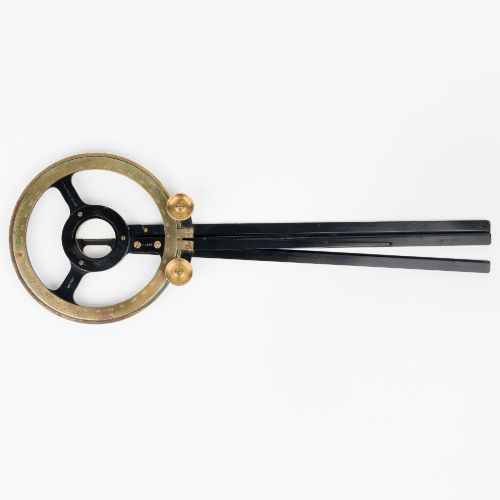
When you search for maritime scientific instruments, you encounter tools designed to measure atmospheric conditions, time, and position on the water. These objects represent the practical equipment used by navigators, explorers, and scientists across several centuries.
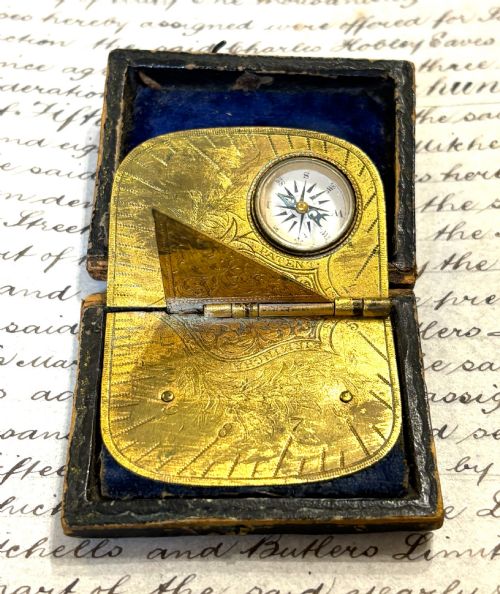
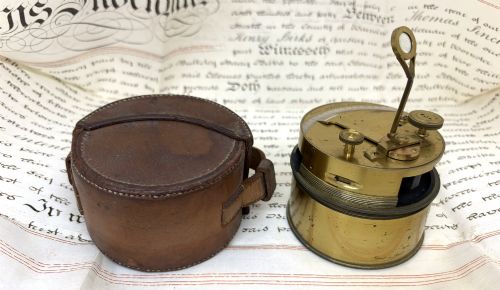
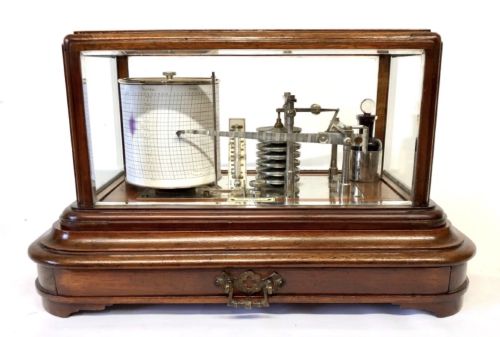
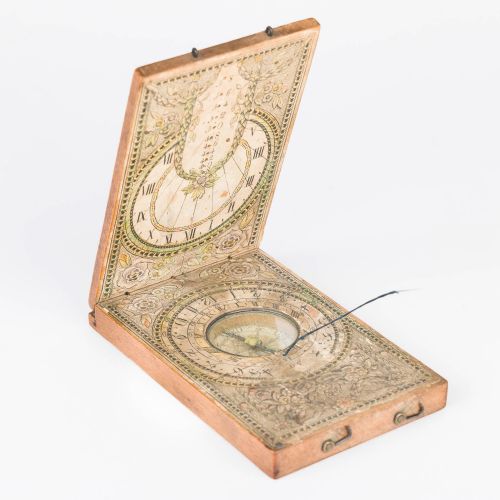
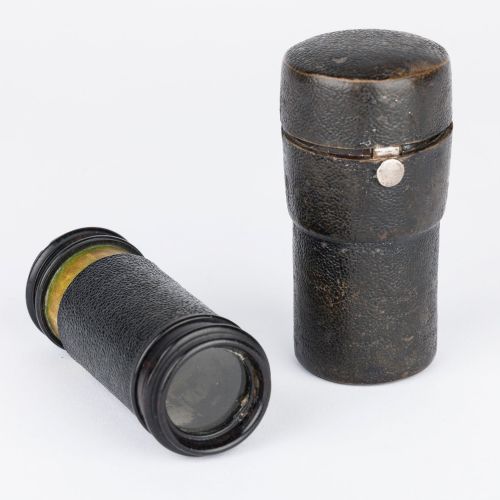
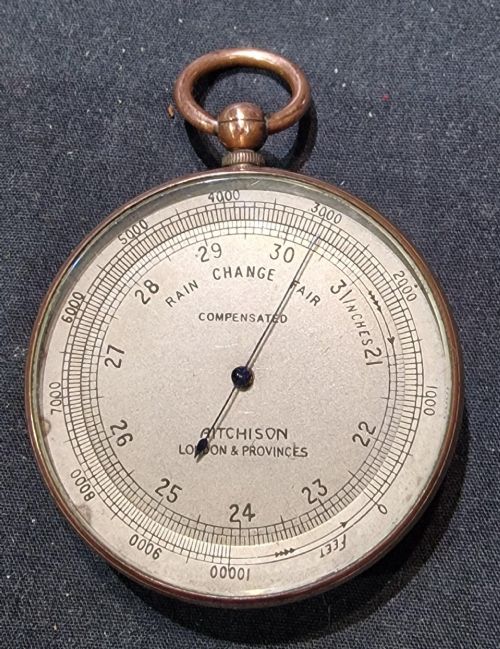
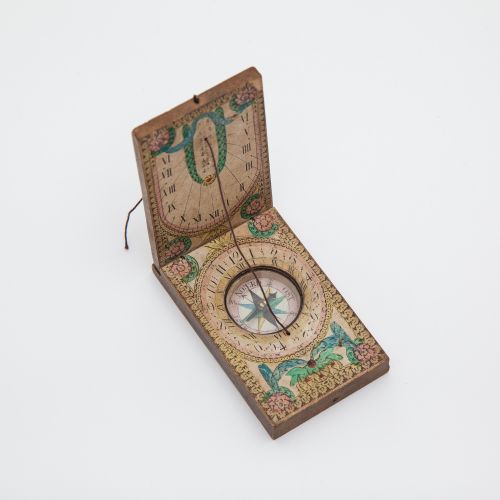
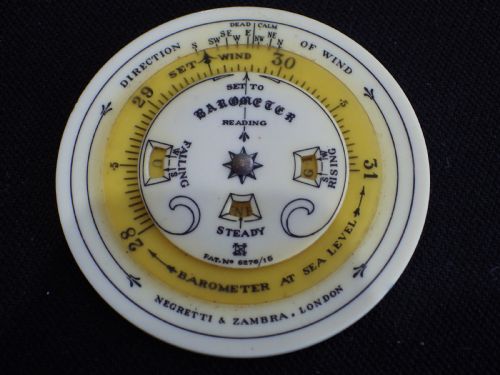
The selections available include portable sundials, pocket barometers, marine stick barometers, and brass telescopes. Pocket and folding instruments sit alongside larger desk and tabletop pieces.
The items span the Georgian, Victorian, and Edwardian periods, reflecting the technological advancements of those eras. Brass, mahogany, and glass dominate the forms that appear on this page.
Materials and Construction
Makers utilised heavy brass for structural components and optical tubes, ensuring durability against moisture and sea air. Silvered metal dials provide clear, legible graduations for instruments like barometers and compasses.
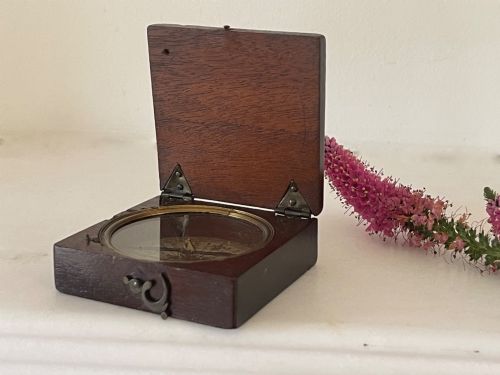
Timber housings in mahogany, rosewood, and beech protect delicate mechanisms during travel. Leather dressings on telescope barrels offer a secure grip for users on moving decks.
Listings feature scientific instruments spanning the Georgian, Victorian, and Edwardian periods, constructed from brass, mahogany, leather, and glass.
Assessing Quality
Quality rests in the precision of the engraving on dials and the clarity of the optics within lenses. Finer pieces demonstrate fluid mechanical movement without slack in the gears or fittings.
The integrity of secondary materials, such as original leather cases and intact glass panels, distinguishes superior examples. Maker signatures engraved into the metal elevate the standing of an instrument.
Negretti & Zambra·W. & T. Gilbert·Clarkson London·Newton & Co·L. Casella·M Pillischer
The Maritime Scientific Instruments Glossary
- Aneroid barometer
- An instrument that measures atmospheric pressure without liquid, using a flexible metal box. These devices became common during the Victorian period for predicting weather changes.
- Theodolite
- A precision instrument mounted on a tripod for measuring horizontal and vertical angles. Surveyors and navigators utilised them for mapping and charting.
- Spyglass
- A small, handheld refracting telescope with multiple sliding draws. They were essential for spotting landmarks or other vessels at a distance.
- Marine stick barometer
- A tall, mercury-filled barometer designed to withstand the motion of a ship. They hang in gimbals to remain vertical as vessels pitch and roll.
- Artificial horizon
- A device used with a sextant to determine altitude when the natural sea horizon is obscured by fog or darkness. They frequently employed black glass or reflective liquids.
Maritime Scientific Instruments: Frequently Asked Questions
How do I read a marine barometer?
Marine barometers indicate changes in atmospheric pressure through a moving needle on a graduated dial or a mercury column in a glass tube. Higher readings generally correspond to settled weather, while falling pressure signals approaching storms.
Historical barometers often include vernier scales for precise readings. Observers adjusted a manually set index pointer to track whether pressure rose or fell since the last check.
Were these instruments used at sea?
Many of these pieces served practical duties aboard naval vessels, merchant ships, and exploration expeditions. Telescopes and compasses faced harsh maritime conditions, which explains the durable brass and leather construction.
Other items, such as tabletop barographs and library compasses, remained in shore-based offices or observatories. Their design reflected the same precision engineering required for oceanic navigation.
How do I date a brass telescope?
The number of draws provides an initial indication of date, alongside the materials used for the barrel and lens housing. Engraved signatures identifying the maker and their business address help narrow the production decade.
Stylistic shifts in the typeface and the inclusion of protective leather casing also assist in dating. Georgian instruments often display simpler lines, while late Victorian examples incorporate more complex adjustments.
How should I maintain brass instruments?
Keep brass instruments away from damp environments to prevent corrosion and verdigris from forming on the metal surfaces. Dust lenses gently with a soft brush rather than liquid cleaners to preserve optical coatings.
Store wooden cases and leather-dressed spyglasses in stable temperatures to avoid warping or cracking. Periodically check mechanical joints to ensure smooth movement without forcing stuck threads.