
Maritime Art Painting
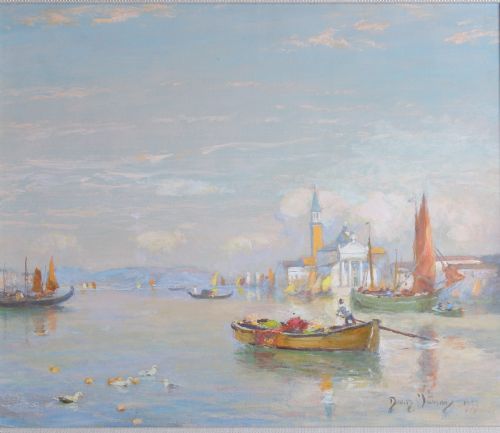
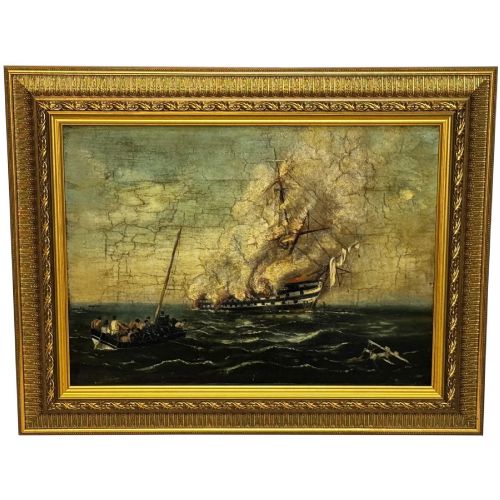
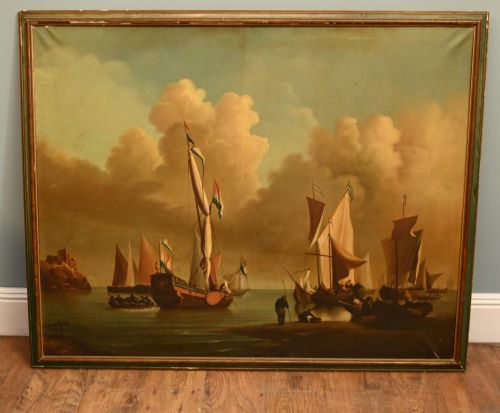
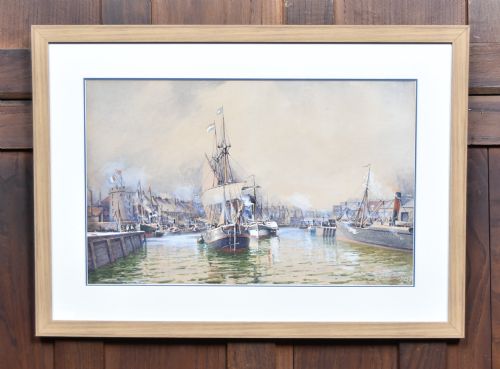
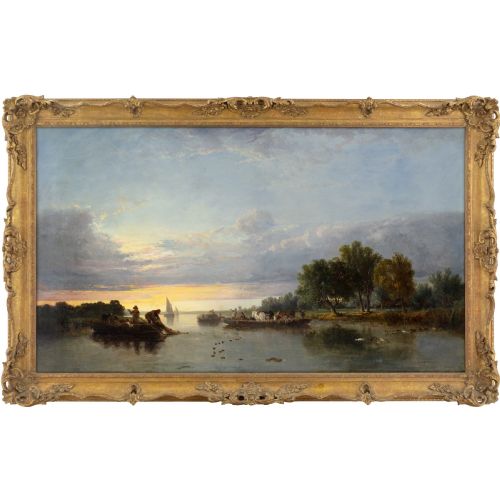
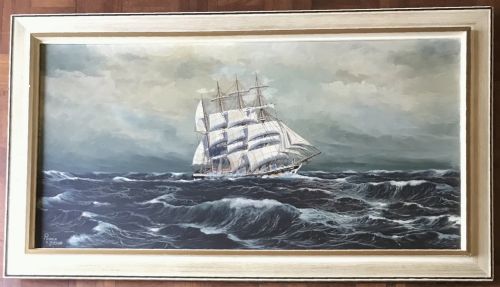
When you search for maritime art painting, you enter a world of oil canvases and watercolours capturing ships, coastal shores and naval engagements.
Maritime Art Painting
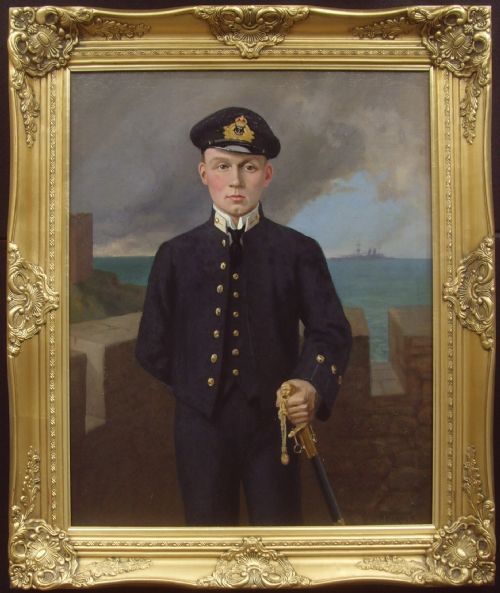
Maritime art painting covers works depicting ships, harbours, coastal scenes and naval history across multiple centuries. Buyers searching for maritime art painting most frequently encounter nineteenth-century canvases and early twentieth-century watercolours.
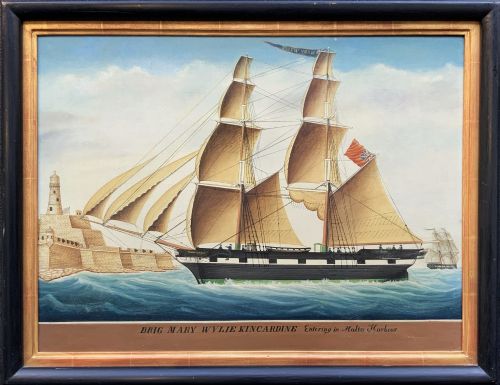
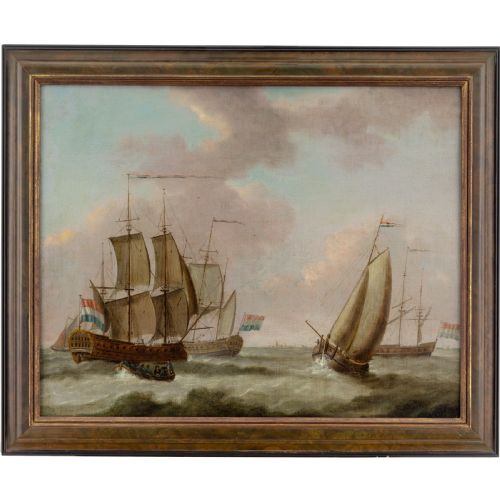
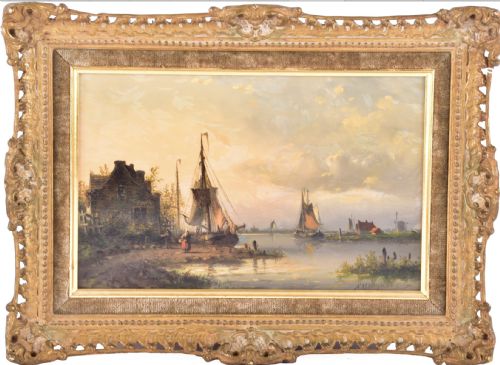
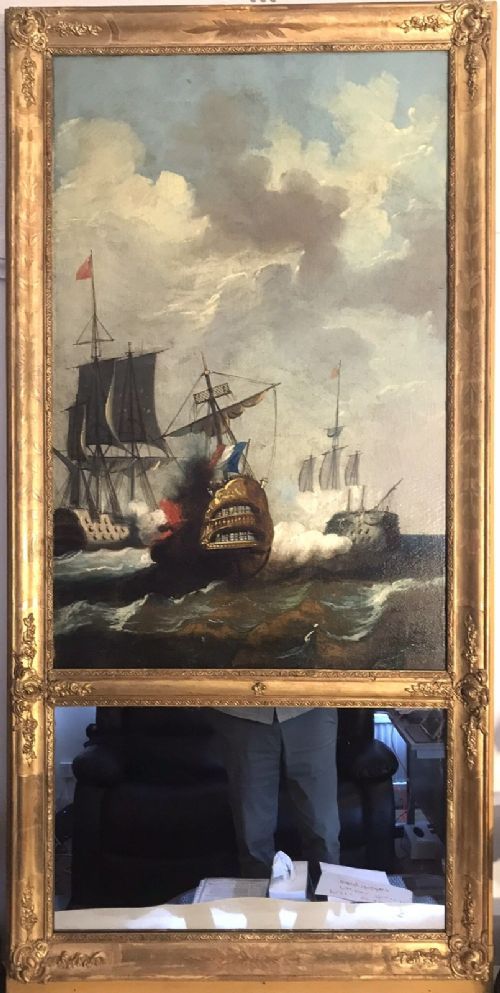
The subjects range from rolling seas and merchant brigs to detailed portraits of specific vessels like the Brig Mary Wylie or HMS Bombay. Works extend from British coastal views to Dutch shipping scenes and French trumeau mirrors featuring inset seascapes.
Materials and techniques
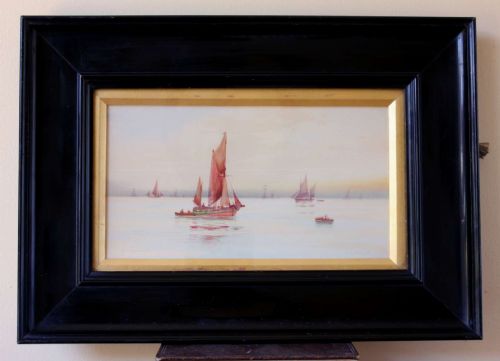
Artists traditionally utilised oil paint on canvas or panel to capture the heavy textures of stormy seas and the sheen of light on water. Watercolour and gouache on paper appear frequently for lighter coastal sketches and detailed harbour views.
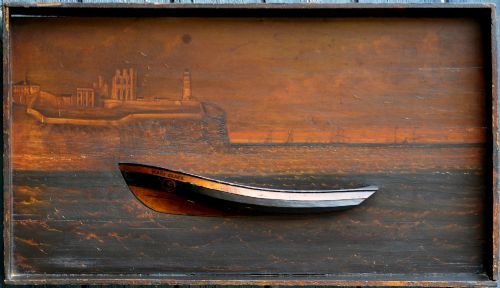
Support materials include wood panels, stretched canvas and heavy paper, often housed within gilt wood frames. Some folk art examples incorporate mixed materials, such as carved wood hulls paired with painted maritime backgrounds.
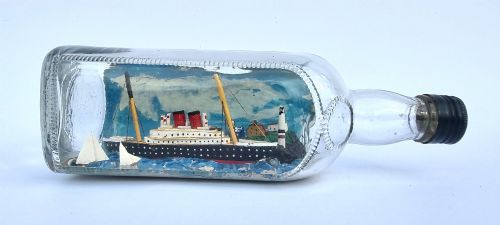
Object types range from traditional framed oil paintings and works on paper to dimensional items like ships in bottles and trumeau mirrors.
Markers of quality
Quality rests upon the artist's command of atmospheric light, fluid motion and maritime anatomy. Stronger works render rigging, hull structures and turbulent water with precise observation rather than generic formula.
Condition of the painted surface and preservation of the paper or canvas influence the integrity of the piece. Works retaining their original gilt wood frames and clear signatures by recorded painters carry greater historical weight.
Sir David Murray RA·GM Avondale·William Woolard·Samuel Harry Hancock·Nicolaas Martinus Wijdoogen·Edward Williams·H. Medlycott·James Hardy·Kenneth Cozens·James Orrock·William Cannon·R Leyton·Hans Harlander·James Smetham·Eugène-Louis Gillot·William McAlpine·Reginald Arthur Borstel·Lemuel Francis Abbott·B. Nash·Edward Mills·James E. Aitken·John E. Aitken·Eric Tufnell·William Banks Fortescue
The Maritime Art Painting Glossary
- Oil on Canvas
- Pigment mixed with drying oil applied to a woven fabric support stretched across a wooden frame. This medium allowed artists to build rich textures and deep tones.
- Watercolour
- Paint made of water-soluble pigments suspended in a water-based solution, typically applied to paper. It permits translucent washes of light across coastal skies.
- Gouache
- An opaque water-based paint containing pigment and a binding agent, often used alongside watercolour for highlights and solid colour blocks.
- Trumeau Mirror
- An antique wall mirror featuring a painted or carved panel set above the glass. In maritime examples, the upper panel contains a seagoing scene.
Maritime Art Painting: Frequently Asked Questions
What subjects appear in these paintings?
The subjects include sailing ships in heavy seas, naval battles, bustling ports and quiet coastal villages. Artists documented specific vessels, merchant ships and naval engagements alongside everyday fishing boats.
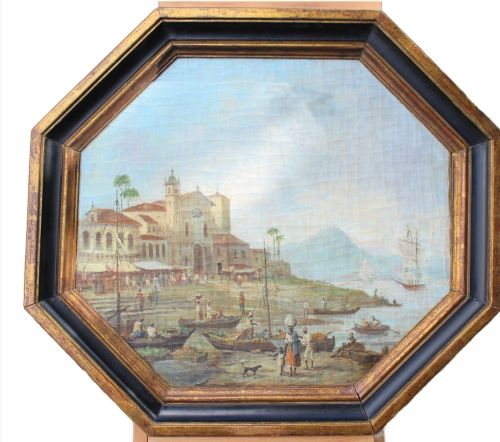
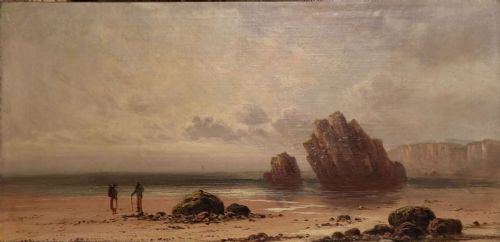
Views extend from British harbours and London bridges to foreign ports like Rio de Janeiro and Valletta. Coastal landscapes with cliffs and figures feature alongside detailed ship portraits.
How do I date a maritime painting?
Dating relies on stylistic evidence, artist signatures, costume details of any figures present, and the type of vessel depicted. Rigging styles and ship architecture changed noticeably between the eighteenth and twentieth centuries.
Materials such as handmade paper, canvas weaves and framing styles provide additional chronological clues. Inscribed dates or signatures matching known artist working periods help narrow the timeframe.
Where were these artworks displayed?
Period works typically hung in the parlours of maritime merchants, ship captains' homes and naval offices. They served as personal connections to sea voyages and maritime commerce.
Today, these pieces suit studies, living rooms and hallways, where their historical subjects complement traditional or eclectic interiors. Framed works require placement away from direct sunlight to protect pigments.