

Maritime Box
A maritime antique box offers a tangible link to seafaring history, built to endure ocean voyages and long expeditions.
Maritime Box
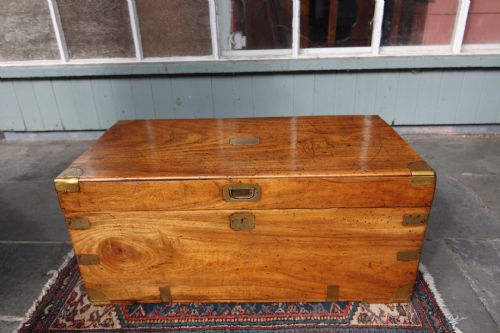
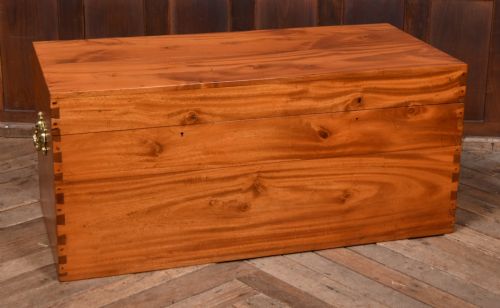
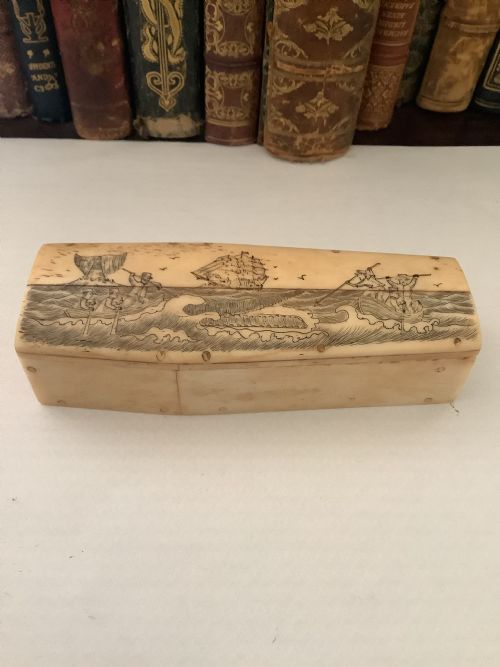
A maritime antique box encompasses sturdy camphor wood and teak chests designed for travel, alongside intricate scientific instruments and cased dioramas. These objects originate primarily from the Georgian, Victorian and early twentieth-century periods, reflecting the practical needs of officers, merchants and explorers.
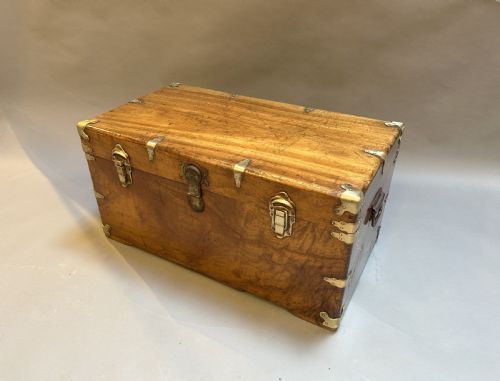
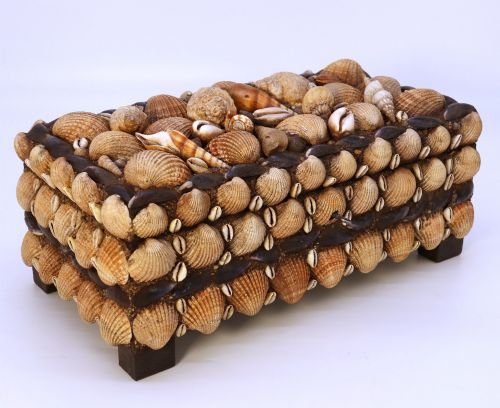
Camphor wood chests and campaign trunks dominate the selections, alongside smaller scientific instrument boxes and ship dioramas. Buyers encounter everything from massive iron-bound dowry chests to delicate pocket compasses and shellwork trinket boxes.
Materials and Construction
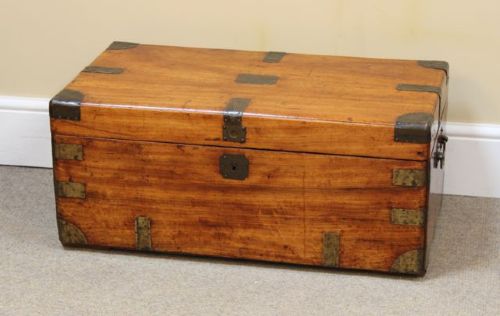
Makers utilised durable timbers such as camphor wood, teak and mahogany, selected for their resistance to humidity and insect damage during long voyages at sea. These woods are typically joined with tight corners and reinforced to withstand heavy transit.
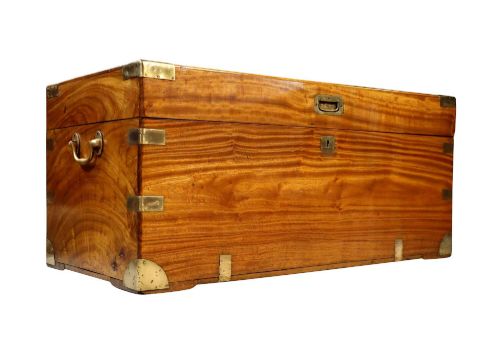
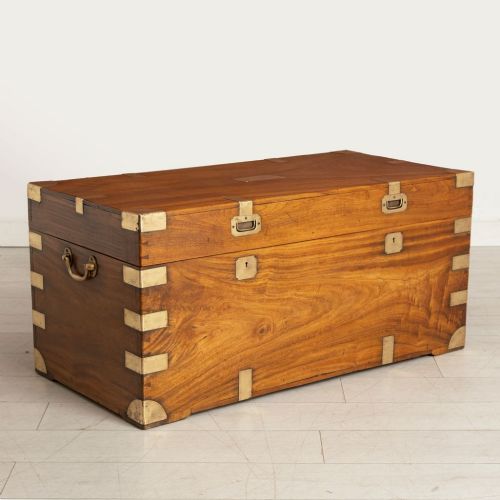
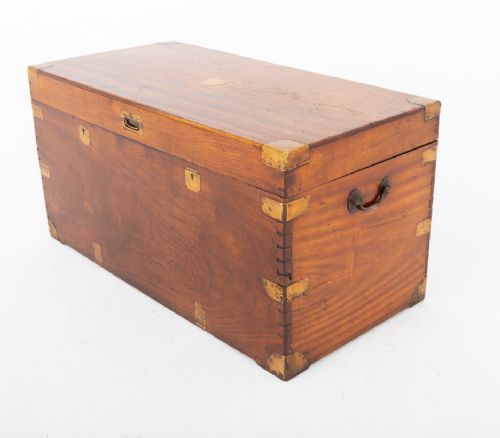
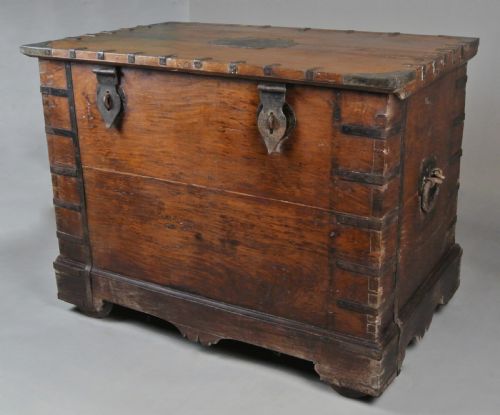
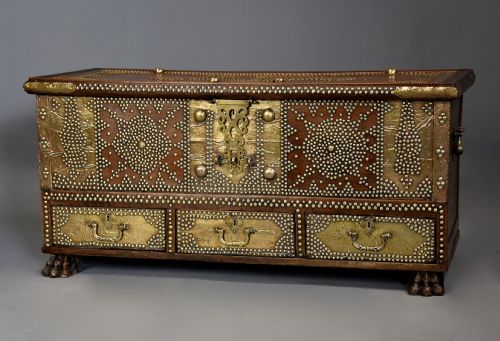
Brass corners, straps and flush-fitting handles were integrated to protect the edges of trunks and chests while allowing them to pack tightly into ships and carriages. Iron bindings and locks provided additional structural security for valuable cargo and personal effects.
Materials span brass, iron, glass, paint, pine, teak, and camphor wood across various storage trunks and scientific boxes.
Assessing Quality
Quality rests upon the integrity of the original brass hardware and the tightness of the timber joinery, where lesser examples display crude replacement fittings or warped planks. Superior pieces retain matching flush handles, original locks and untouched surface patination.
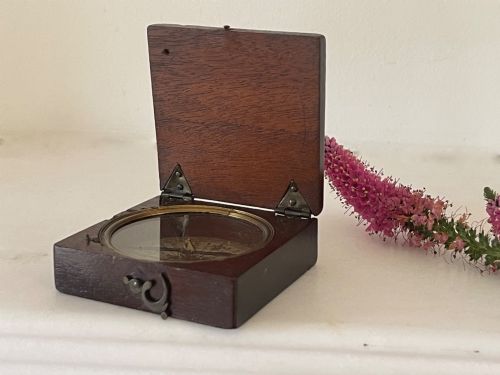
The precision of internal components dictates the value of scientific instruments, while the detail and depth define the appeal of framed dioramas. Finer examples show careful hand-carving and authentic maritime rigging rather than hasty assembly.
Mercer of London·Negretti & Zambra·Thomas Mercer·Litherland Davies Of Liverpool·Samuel Porter·Elkington & Co
The Maritime Box Glossary
- Campaign chest
- A modular storage chest built in two or more sections with recessed brass handles, designed for military officers on the move. These pieces dismantled easily for transport across rough terrain.
- Chronometer
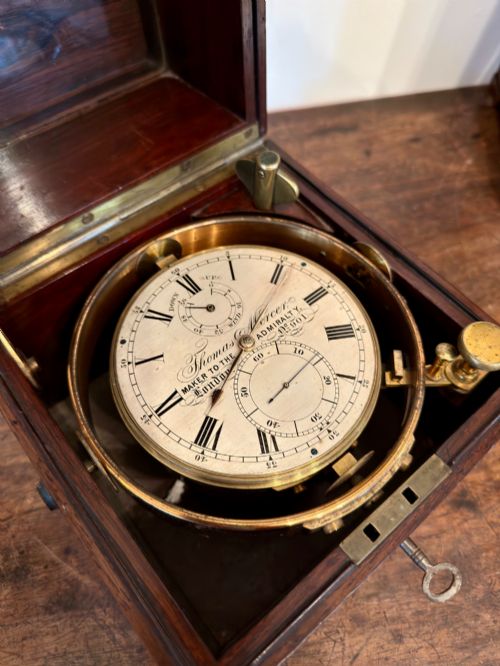
- A highly accurate marine timekeeper used for celestial navigation at sea. These precision instruments were housed in gimbaled wooden boxes to counteract the motion of a rolling ship.
- Diorama
- A three-dimensional scenic representation featuring model ships set against painted backgrounds. Maritime examples frequently depict named vessels under full sail within glazed wooden cases.
- Zanzibar chest
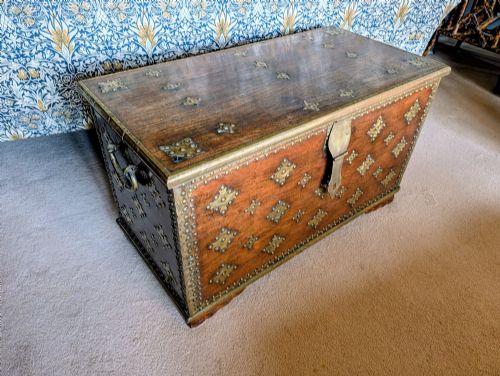
- A heavy storage trunk featuring elaborate brass studding and strapwork, originating from East African trade routes. They were prized for storing textiles and valuables aboard merchant vessels.
- Trinity House
- The official general lighthouse authority for England, Wales, and the Channel Islands. Money boxes associated with this institution typically feature distinctive maritime marquetry and inlay.
Maritime Box: Frequently Asked Questions
How were campaign chests used?
Campaign chests served as portable wardrobes and desks for military officers and administrators travelling across the British Empire.
Built in stacked sections with flush brass handles, they were designed to strap onto pack animals or fit securely into ships.
Are marine chronometers still accurate?
Marine chronometers are complex mechanical instruments that require professional servicing to maintain precise timekeeping over extended periods.
While many retain their delicate internal balance wheels and escapements, collectors generally display them as historical scientific artefacts rather than daily timepieces.
How do I date a teak maritime chest?
Dating relies upon examining the construction methods, the style of the brass hardware, and the type of secondary timbers used inside the drawers.
Nineteenth-century examples frequently feature hand-cut dovetails and heavy brass corner straps, whereas later pieces show standardised machine-made components.
How should I clean a camphor wood box?
Cleaning requires a soft, dry cloth to remove dust from the carved surfaces and polished brass fittings without disturbing the aged patina.
Avoid harsh chemical sprays and excessive moisture, as modern cleaners can strip the natural oils and the characteristic aroma from the wood.