




Marbled Base Sculpture
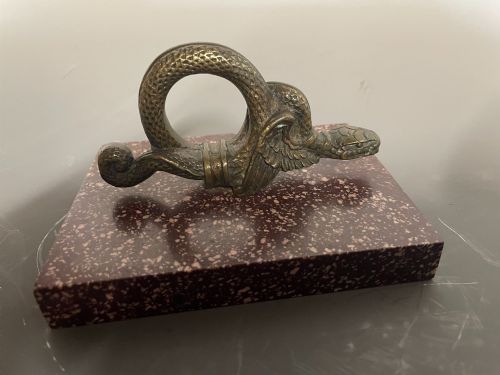
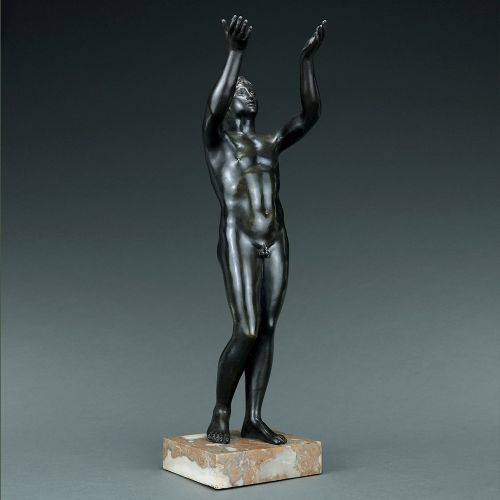
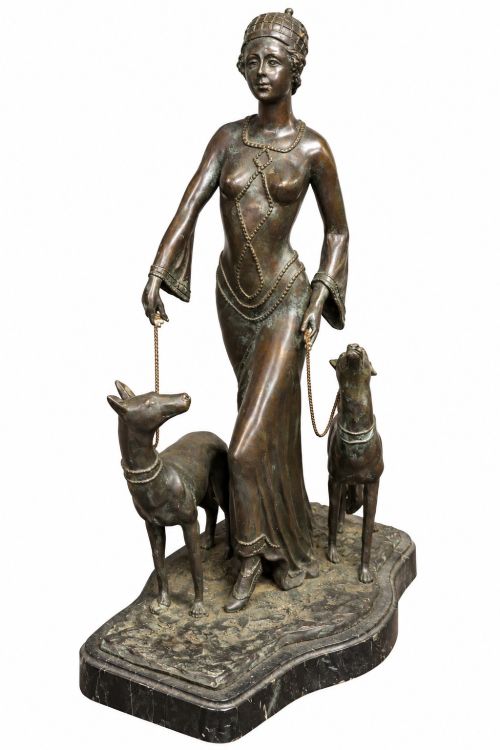
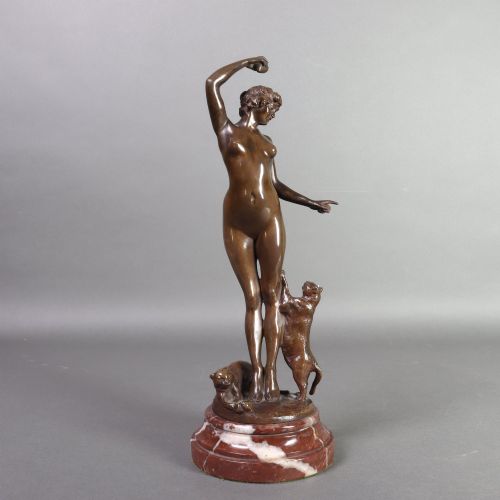
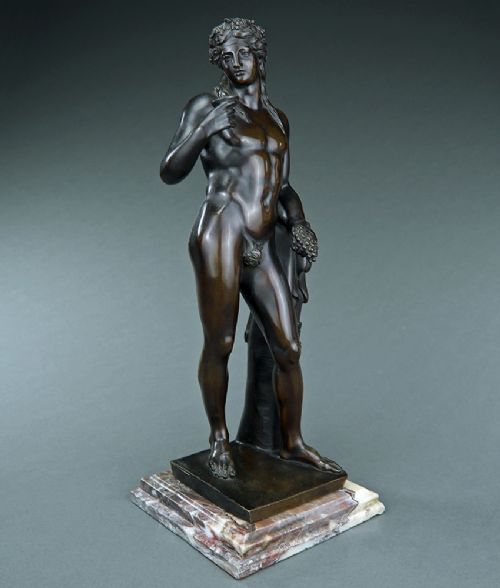
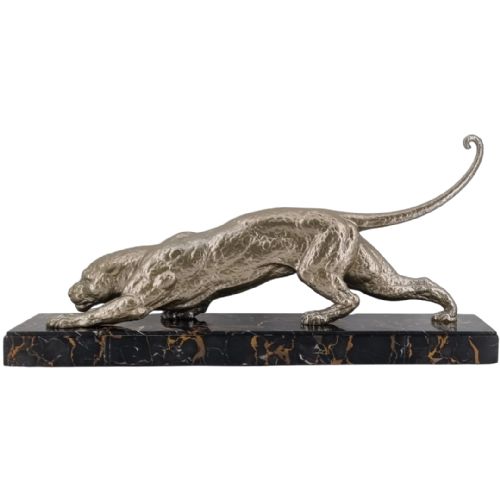
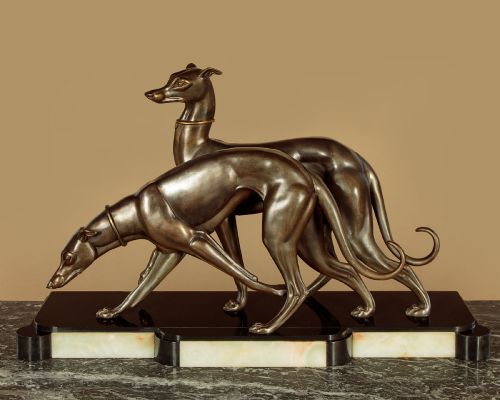
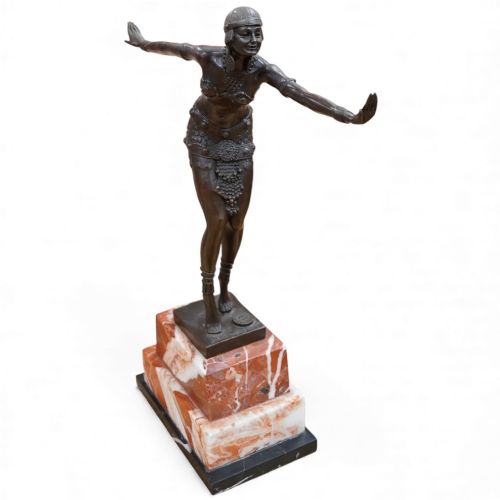
A marbled base sculpture brings together cast metal figures and polished stone plinths, offering a classic union of weight and detail.
Marbled Base Sculpture
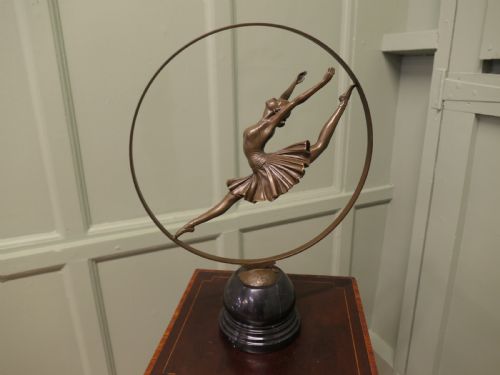
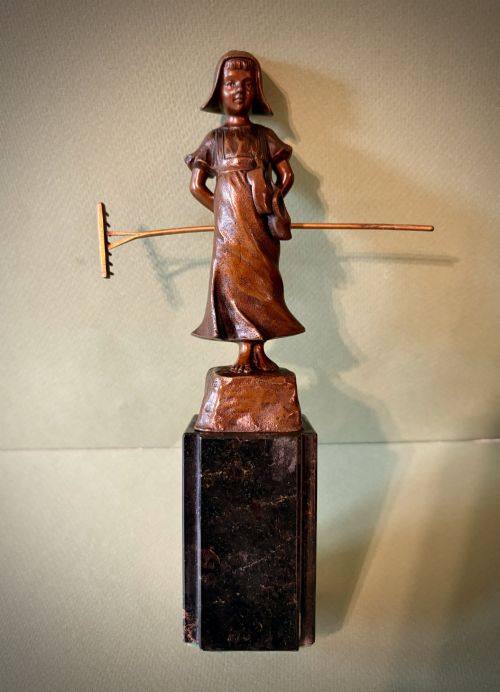
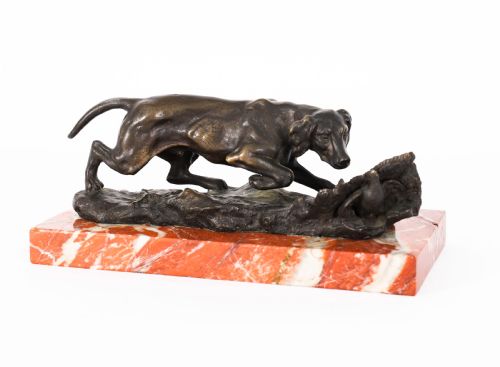
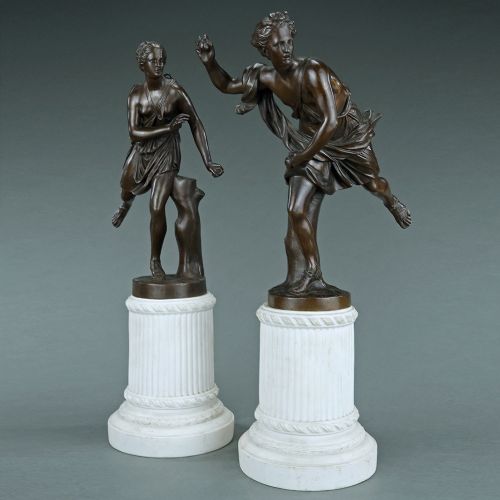
When you search for marbled base sculpture, you encounter figural works cast in bronze, gilt bronze, brass, and patinated metal mounted onto heavy stone plinths. The figures span subjects from classical mythology and historical portraits to animalier studies of hunting dogs, stags, and big cats.
The pieces on this page originate predominantly from the nineteenth century and the early twentieth century, taking forms such as standalone table sculptures, bookends, mantel clocks, and desk lamps. Neoclassical and Grand Tour subjects sit alongside Art Nouveau dancers and Art Deco animal studies.
Makers and foundries from France, Austria, and Italy produced these works using natural stone foundations like fossil marble and Siena marble. The stone base provides a stable footing that elevates the metalwork, a convention common in European sculpture of the period.
How they were made
Makers cast figures in bronze, brass, or patinated metal using traditional methods, occasionally applying cold paint, enamel, or gilt highlights to the surface. Sculptors then chased and detailed the metal by hand before mounting the finished figure onto a cut and polished marble plinth.
Stone bases were shaped from blocks of marble, sometimes selected in contrasting colours or fossiliferous varieties to complement the metal subject. The metal figures were secured to these heavy plinths using threaded rods, pins, or screws fitted through the base.
Listings feature 19th-century and early 20th-century works spanning Art Deco, Neoclassical, and Animalier styles in bronze, gilt bronze, and marble.
What varies in quality
Quality rests in the crispness of the metal chasing and the depth of the foundry work, which determines how cleanly fingers, feathers, and facial expressions are rendered. Lesser castings appear soft and rounded in the details, while finer works retain sharp anatomical lines and clear signatures.
The selection and preparation of the marble plinth also distinguish the pieces, with uniform cuts, smooth bevels, and interesting mineral patterns marking out superior examples. Poorer stones may show rough saw marks, chips, or ill-fitting mountings where the metal meets the mineral.
Carl Kauba·Barbedienne·Bruno Zach·Pierre le Faguays·Ferdinand Preiss·Hans Müller·Emile Carlier·Demetre Chiparus·Henri Godet
The Marbled Base Sculpture Glossary
- Animalier
- A nineteenth-century artistic movement focused on the realistic depiction of animals, particularly predators, horses, and dogs in dynamic poses.
- Grand Tour
- Souvenirs and classical reproductions purchased by travellers in Italy during the eighteenth and nineteenth centuries, often cast in bronze on marble bases.
- Cold painted
- A method where paint is applied to cold metal without firing, common in Austrian bronze figures from the early twentieth century.
- Ormolu
- Gilt bronze produced by applying a finely ground high-carat gold mercury amalgam to a bronze object, creating a rich golden surface.
- Patinated metal
- Metal treated with chemicals, heat, or acids to produce a specific surface colour and tone, protecting the base material while defining the shadows.
Marbled Base Sculpture: Frequently Asked Questions
Were these always mounted to stone?
Many nineteenth and twentieth-century cabinet bronzes were designed specifically to be secured to stone plinths for stability and balance. The heavy marble base anchored dynamic figures that might otherwise topple.
Some pieces were cast as integrated single units where the rock or plinth is part of the bronze casting itself, while others were bolted onto separate marble slabs.
How can I tell the period?
Dating relies on the stylistic markers of the metalwork, such as the flowing organic lines of Art Nouveau or the sharp geometric styling of Art Deco. The casting technique, patina type, and the style of the signature also provide clues to the era of production.
Examine the underside of the marble base and any visible fixings, as older screws and hand-cut threads differ from modern mechanical fasteners.
Can I place them near sunlight?
Direct sunlight can cause cold-painted finishes and certain patinas to fade or alter over time, particularly on delicate polychrome surfaces. Position your sculpture away from windows and direct heat sources like radiators.
Stable indoor temperatures protect both the metal and the stone from thermal shock, which can stress the adhesive or mechanical joints securing the figure to the base.