
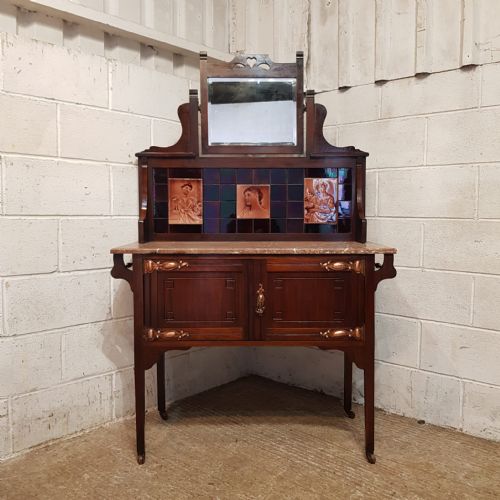
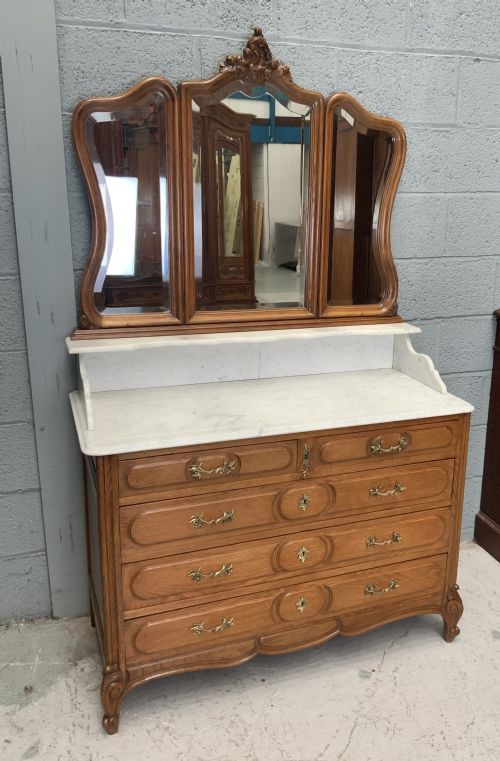


Marble Top Dressing Table
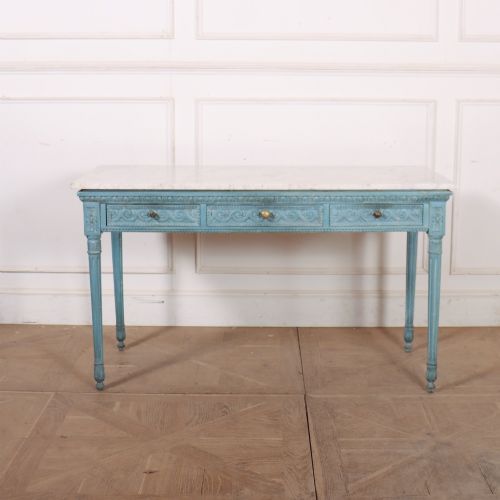
A marble top dressing table combines solid timber framing with a cool stone slab, offering both a functional basin surface and period elegance.
What these pieces are
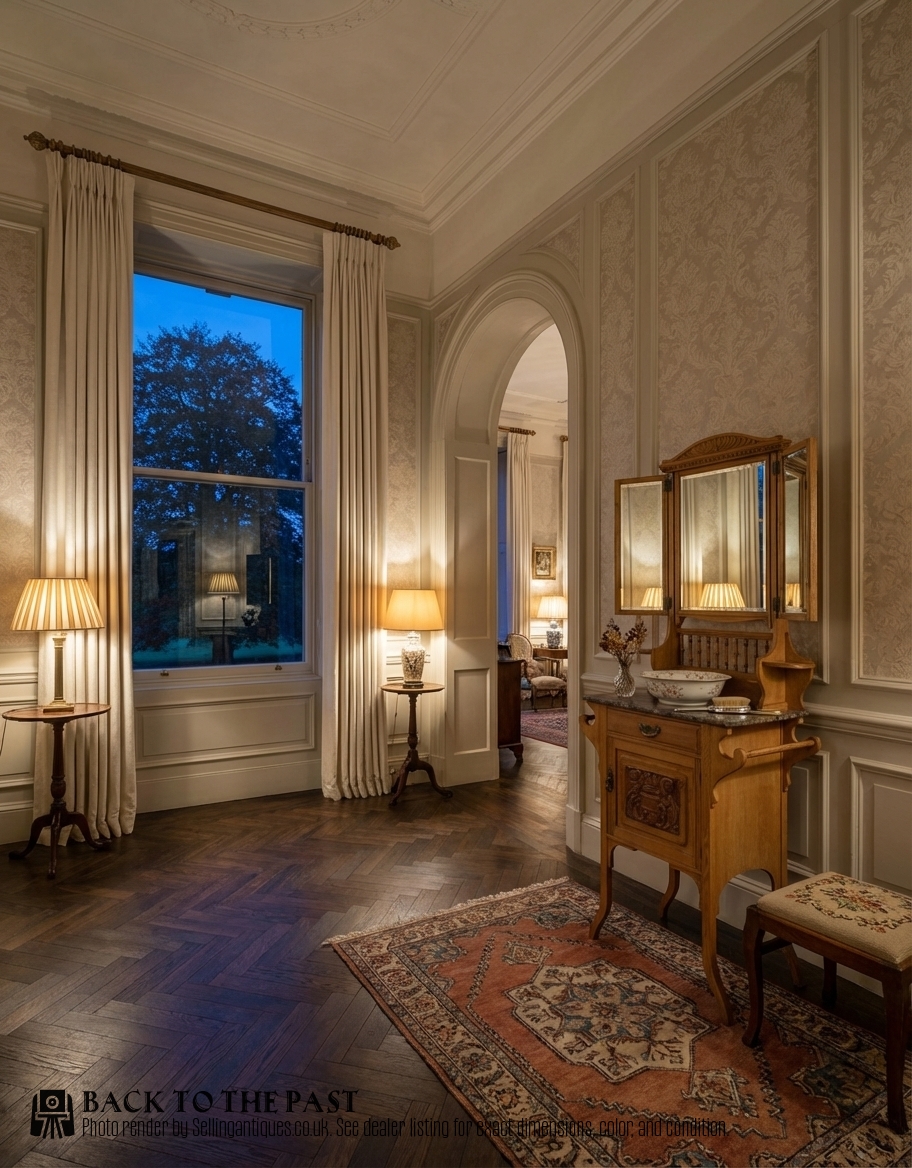
A marble top dressing table brings together traditional cabinetry and hard stone surfaces across several distinct historical periods. These pieces frequently double as washstands or dressing stands, merging bedroom furniture with practical bathroom utility.
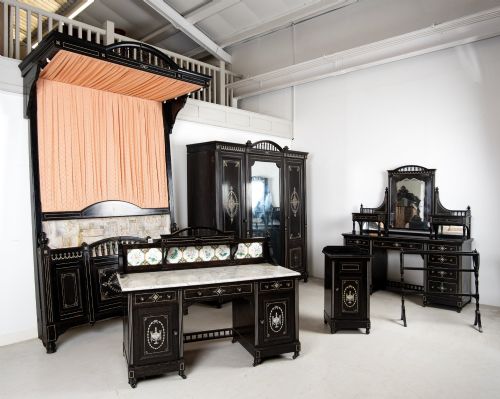
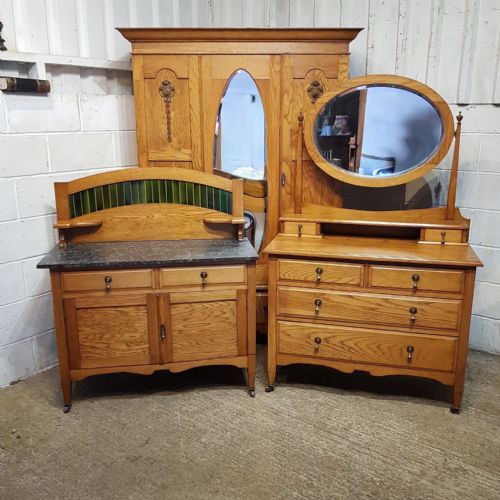
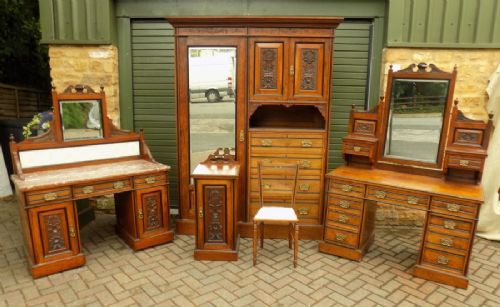
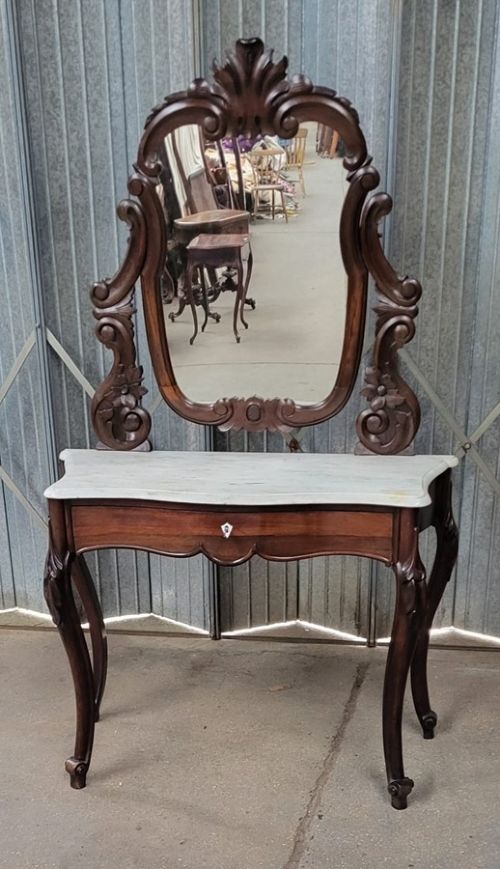
The inventory leans heavily towards 19th-century examples alongside 18th-century French designs. Buyers encounter styles ranging from Victorian and Edwardian Arts and Crafts to Rococo Revival and Aesthetic Movement interpretations.
How they were made
Cabinet makers constructed the foundational frames using dense timbers like mahogany, oak, walnut, rosewood, satinwood, ash, and pine. Selected woods were often enhanced with parquetry, crossbanding, or delicate inlay work.
The signature marble slabs were quarried, cut, and polished to fit precisely onto the wooden carcass, sometimes featuring distinctive inclusions like annonite. Additional hardware incorporated cast brass handles and glass components to complete the assembly.
Retail Price Guide 2026
Typical UK retail prices for marble top dressing table, calculated from the Sellingantiques database of over a million retail prices indexed since 2003. This retail price guide relies exclusively on Sellingantiques data; no external sources or auction records are used, so the figures do not describe the wider market.
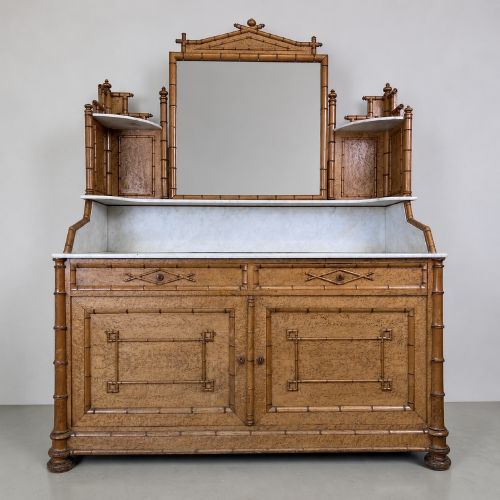
Several pieces embrace the Victorian enthusiasm for botanical mimicry through hand-carved faux bamboo frames.
What varies in quality
Quality rests heavily on the harmony between the timber carcase and the geological character of the marble slab. Superior examples feature well-figured woods like flamed mahogany or burr amboyna paired with thick, beautifully veined stone.
Edwards and Roberts·Heal and Son·Johnstone and Jeanes
The Marble Top Dressing Table Glossary
- Duchesse washstand
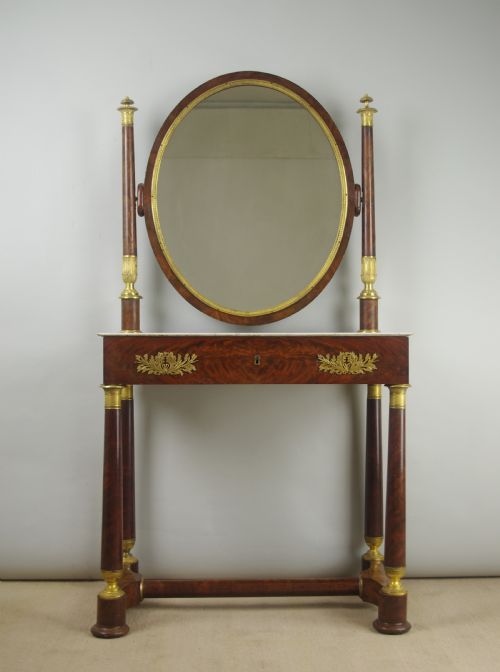
- A combined washing and dressing unit featuring a marble top, often accompanied by a large adjustable mirror.
- Faux bamboo
- A decorative technique where hardwood is carved and painted to imitate natural bamboo stems, popular in late nineteenth-century pieces.
- Parquetry
- Geometric wood veneer mosaics arranged in repeating patterns across the surface of the dressing table frame.
- Swing mirror
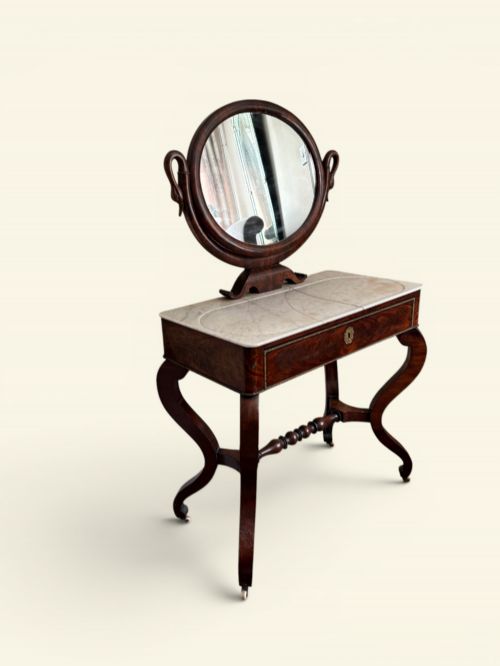
- A pivoting glass plate mounted on vertical supports above the table top, allowing the user to adjust their angle of reflection.
- Lowboy
- A small operational table with drawers, occasionally adapted to serve the same bedroom function as a dressing table.
Frequently Asked Questions
How do I protect the marble top?
Marble is porous and susceptible to staining from acids, oils, and standing water. Use coasters and protective mats beneath any bottles or cosmetics placed on the surface.
Clean the stone regularly using a damp cloth and neutral soap, avoiding harsh chemical cleaners or abrasive scouring pads that dull the polished finish.
Can I use this as a washstand?
These versatile pieces historically functioned as washstands, dressing stands, and lowboys. The stone surface naturally resists water spills, making it suitable for modern bathrooms or bedrooms.
Ensure any plumbing or basins added do not compromise the structural integrity of the antique timber frame or original marble slab.
Are the marble tops fixed in place?
Most marble slabs on these tables rest loose upon the wooden frame under their own considerable weight. This design allowed for easier transport and cleaning during the nineteenth century.
Take care when moving the furniture to lift off the stone slab first to prevent tipping or accidental chipping of the edges.