

Marble Sculpture Bust
A marble sculpture bust captures historical figures, literary characters, and classical deities in carved stone.
Marble Sculpture Bust
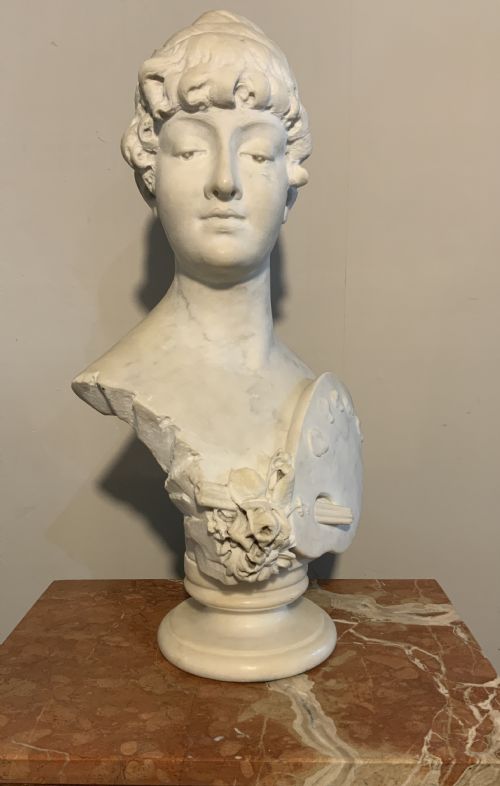
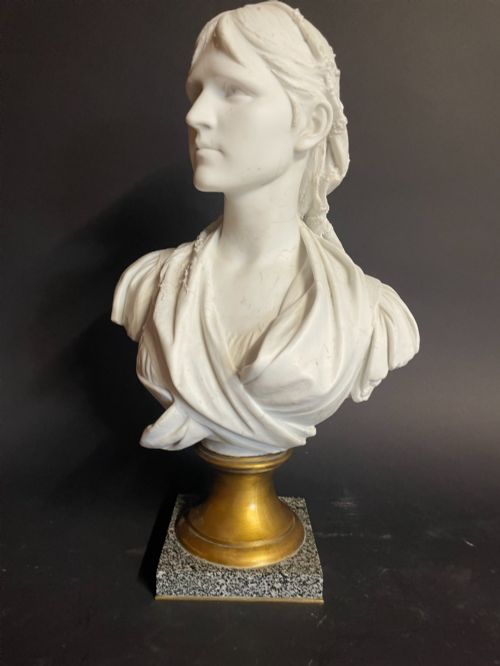
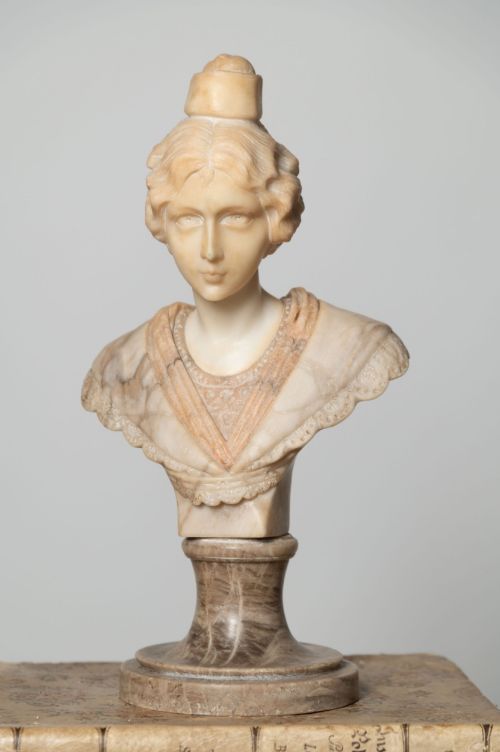
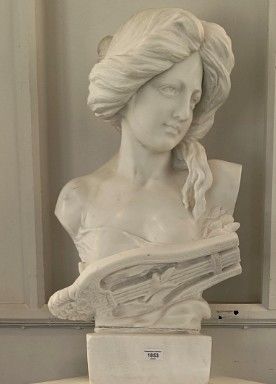
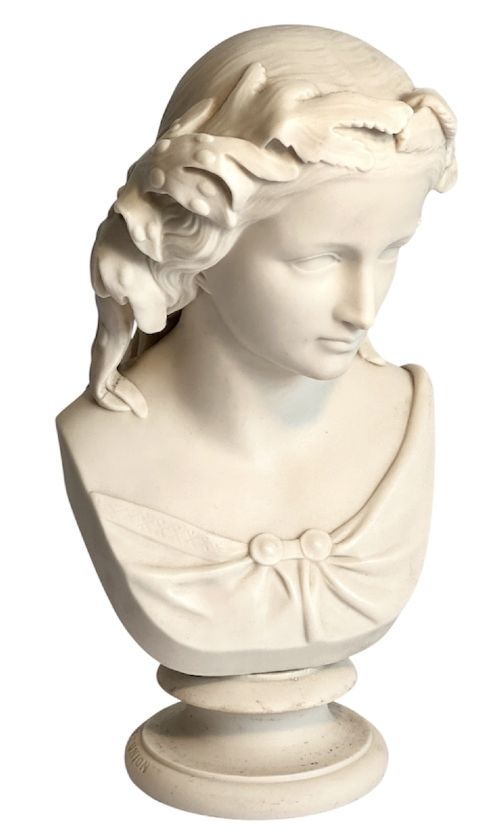
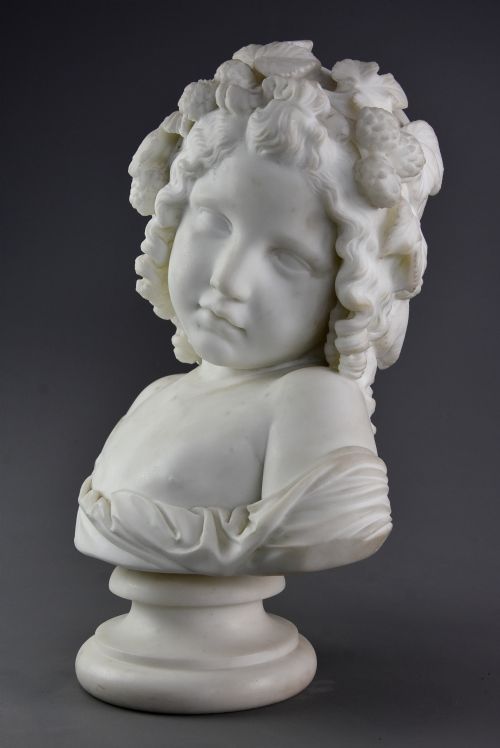
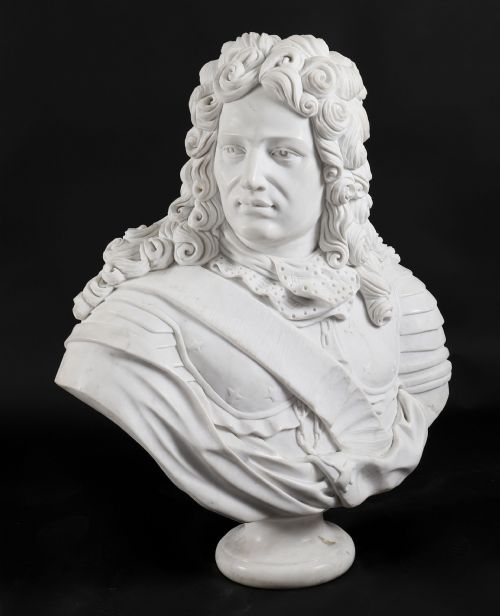
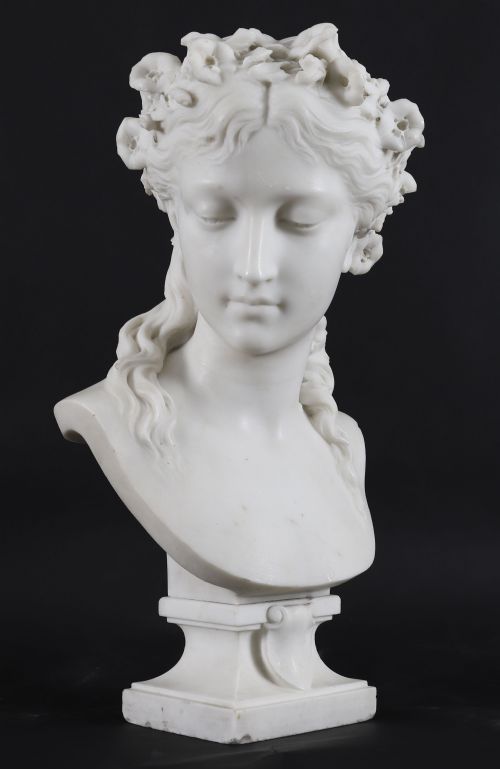
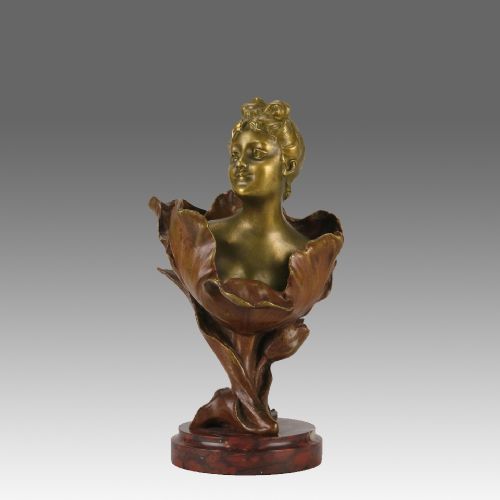
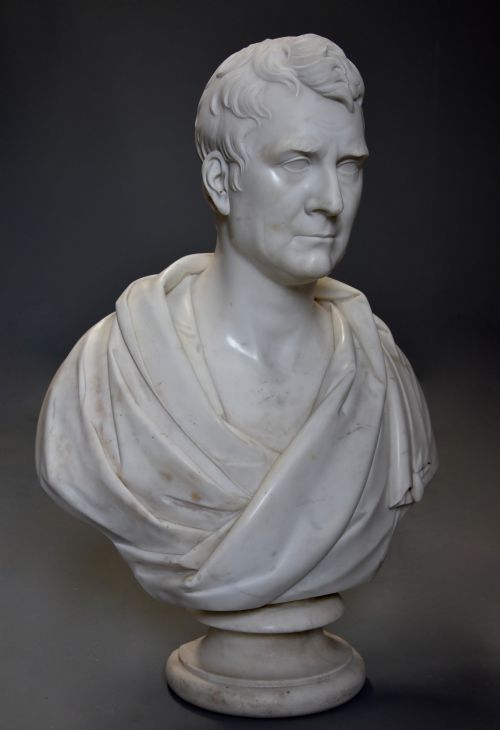
A marble sculpture bust depicts the head, neck, and shoulders of a subject, ranging from historical figures and literary heroes to mythological deities and anonymous sitters. These works frequently draw on Neoclassical, Victorian, and Art Nouveau aesthetics, reflecting shifts in portraiture and classical revival over successive centuries. The most common examples encountered on this page date from the nineteenth century, often carved in white Carrara marble or paired with contrasting materials.
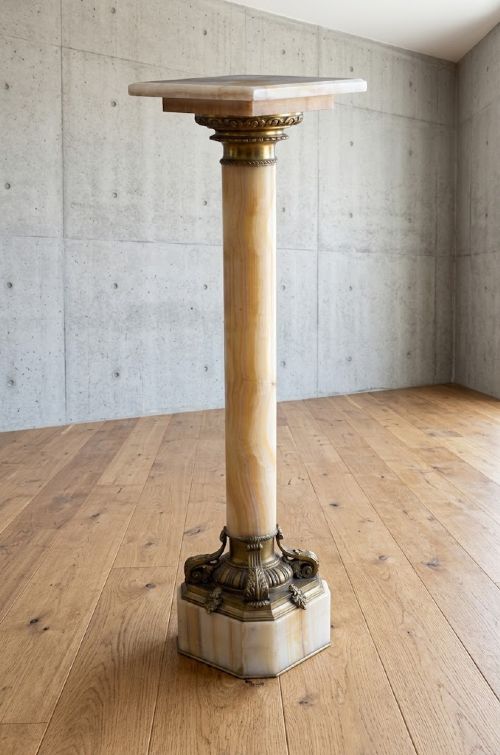
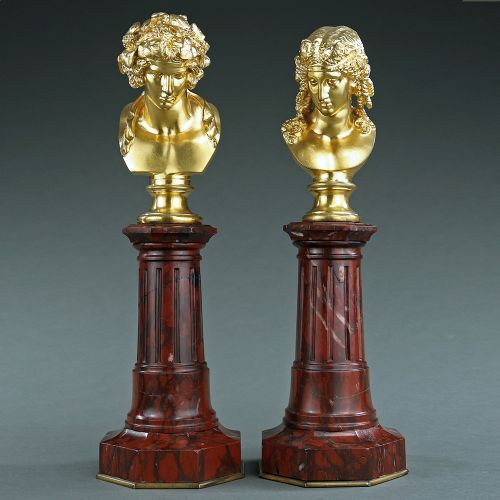
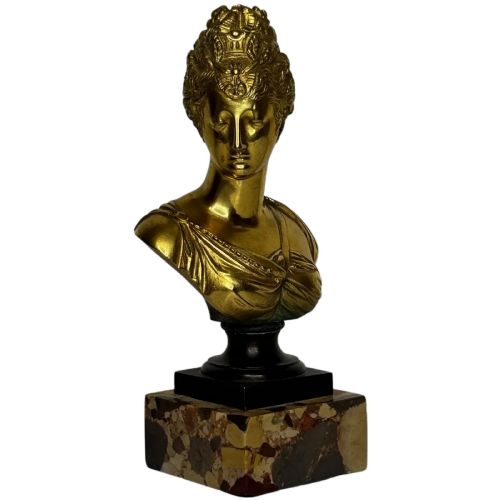
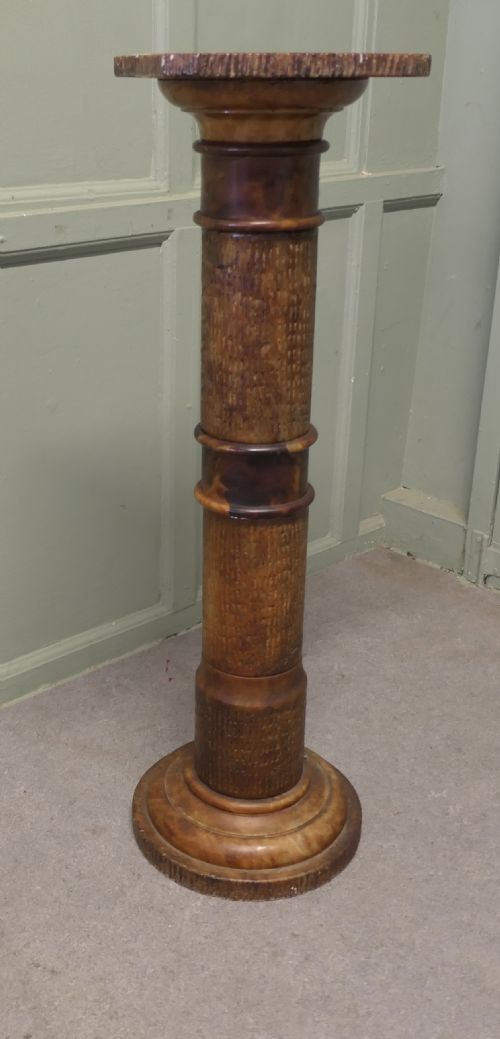
Makers and sculptors produced these pieces across Britain, France, and Italy, catering to domestic interiors, libraries, and grand galleries. Portrait subjects span statesmen and nobility alongside idealized female forms and classical philosophers such as Dante Alighieri. Pedestals, columns, and gilt bronze mounts frequently accompany the stone carvings, elevating the display height and presence of the bust within a room.
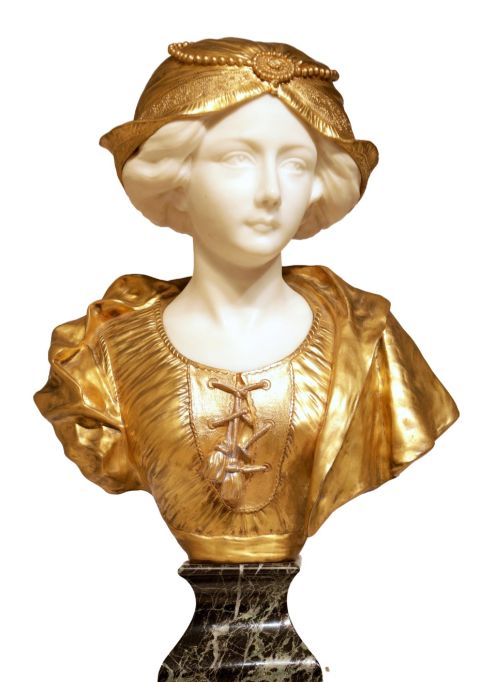
The scale of these works varies from small library pieces designed for bookshelves to monumental civic portraits commissioned to commemorate public figures. Alabaster and bronze frequently appear alongside or in combination with the primary stone, introducing colour variations and contrasting textures. Through these diverse formats, each piece records the portraiture conventions of its specific period of origin.
Materials and carving techniques
Surface finishing involved meticulous hand polishing to create smooth, skin-like textures on the marble contrasted with textured hair or matte garments. Signatures and foundry marks were often incised directly into the stone or metal base by the artist or workshop upon completion. Patination techniques were applied to bronze elements to achieve deep dark tones or polished golden highlights.
Several ladies immortalized in stone wear elaborate braided hairstyles that required hours of meticulous hand-chiselling by the sculptor.
Distinctions in craftsmanship
The fidelity of anatomical rendering and the depth of undercut detail in the hair and drapery separate master carvers from routine studio output. Superior pieces capture subtle expressions and lifelike skin tension in the stone, whereas lesser examples remain stiff and generalized in execution. The quality of the marble itself, free from unwanted inclusions or fractures, dictates the longevity and visual impact of the carving.
The integration of secondary materials, such as finely chased ormolu collars, bronze plinths, and inscribed signatures of known sculptors, elevates the standing of a piece. Balanced proportions between the bust and its supporting column or base demonstrate deliberate artistic design rather than hurried assembly.
Affortunato Gory·Eugene Aizelin·Henri Godet·George Minne
The Marble Sculpture Bust Glossary
- Carrara marble
- A type of white or blue-grey marble from the city of Carrara in Italy, widely utilised for classical sculpture.
- Ormolu
- A gilded bronze application used for decorative mounts, collars, and bases on nineteenth-century sculptures.
- Alabaster
- A fine-grained mineral stone, softer than marble, prized for its translucent quality in carved female busts.
- Patination
- The surface coloration or film developed on bronze through age or chemical treatment to enhance visual depth.
- Neoclassical
- A style spanning the eighteenth and nineteenth centuries that revived classical Greek and Roman artistic forms and subjects.
Marble Sculpture Bust: Frequently Asked Questions
Where were marble bust sculptures displayed?
These pieces traditionally occupied libraries, hallways, and grand reception rooms in nineteenth-century homes, placed upon dedicated pedestals, columns, or library shelves.
Their substantial weight required sturdy furniture supports or stone plinths to ensure safe exhibition within domestic interiors.
How do I care for antique marble?
Dust the stone regularly with a soft, dry cloth and avoid applying household detergents, oils, or waxes that can penetrate porous surfaces.
Harsh cleaners risk dulling the hand-polished finish achieved by the original carver over a century ago.
What subjects are most common?
Subjects range from classical Greek deities and allegorical figures to historical statesmen, literary icons, and unidentified portrait sitters.
Nineteenth-century sculptors frequently favoured mythological themes alongside contemporary civic leaders and noblemen.
Are these pieces signed by artists?
Many examples feature engraved signatures, monograms, or foundry stamps incised directly into the marble or bronze elements near the base.
Unsigned pieces remain common, often representing studio work produced for the broader nineteenth-century art market.