
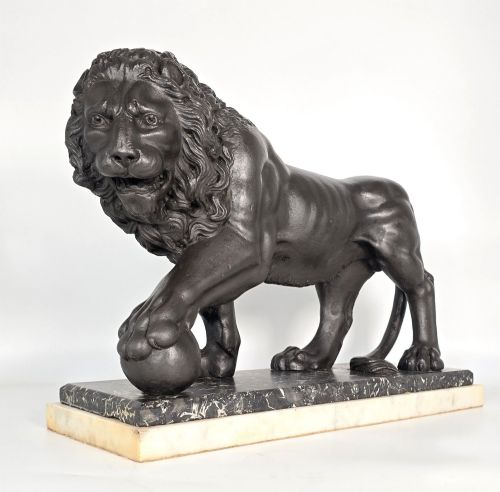
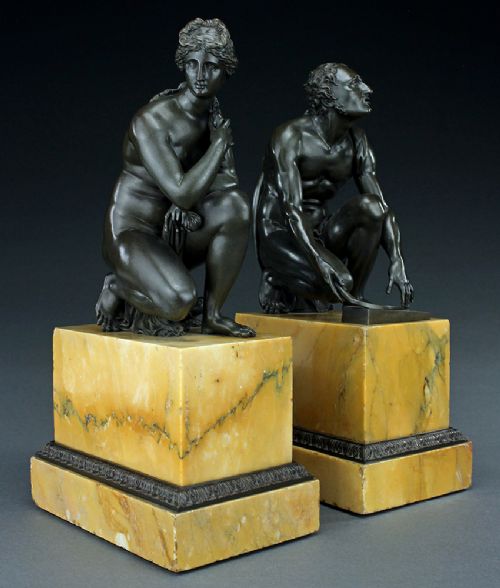
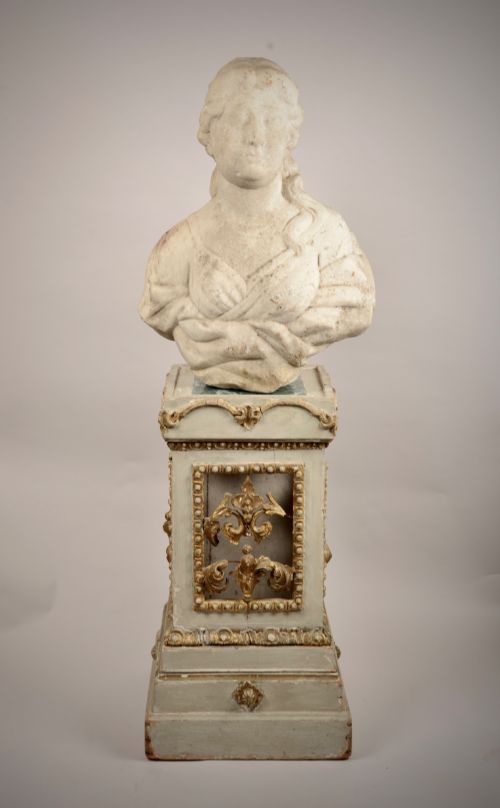
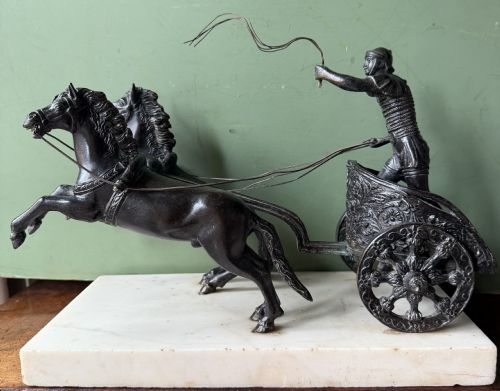


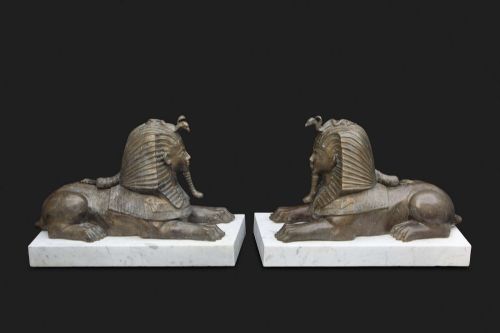

Marble Plinth Statue
These marble plinth statue pieces combine sculpted metal or stone figures with solid stone bases, bringing classical presence and rich texture into a room.
Marble Plinth Statue
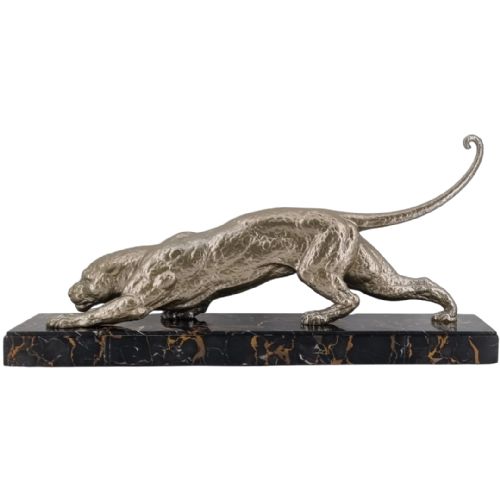
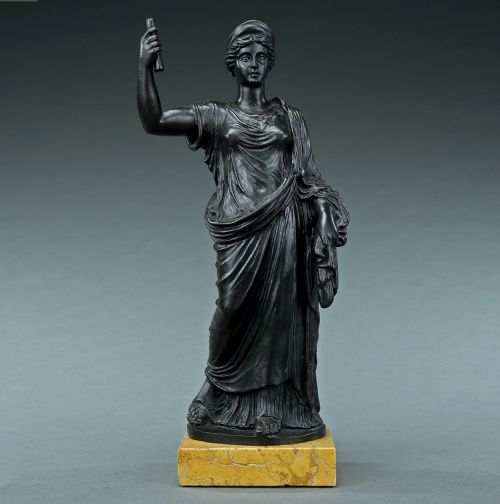
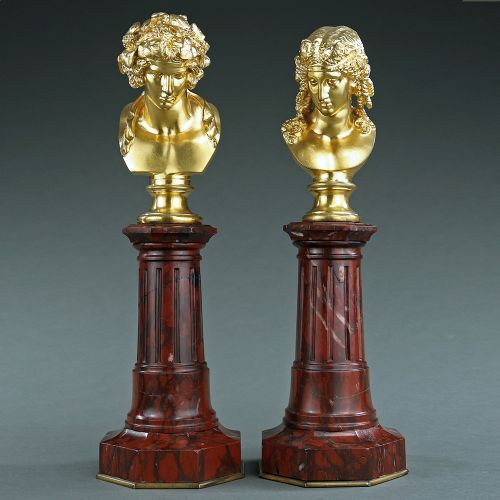
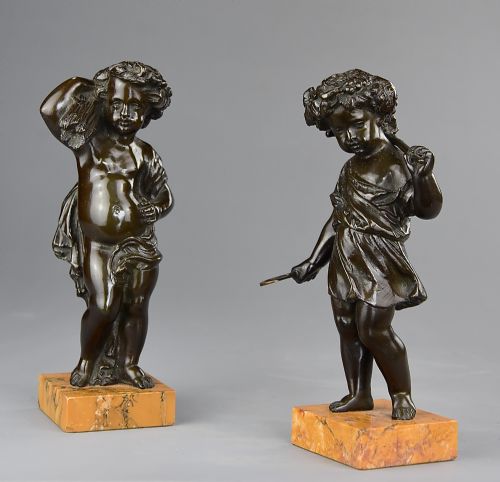
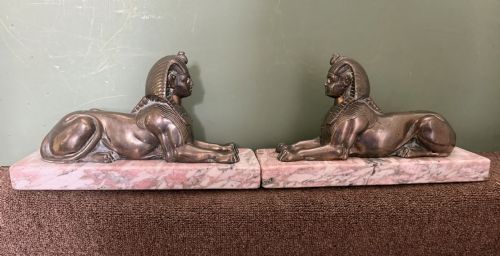
When you search for a marble plinth statue, you are looking at figural sculptures, busts, and animals securely mounted upon heavy stone bases. These works range from ancient-style Grand Tour souvenirs to Art Deco dancer figures and Egyptian Revival sphinxes.
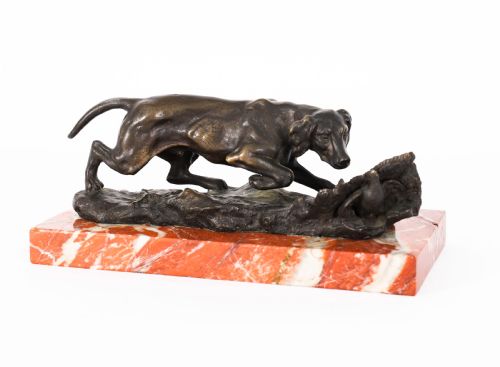
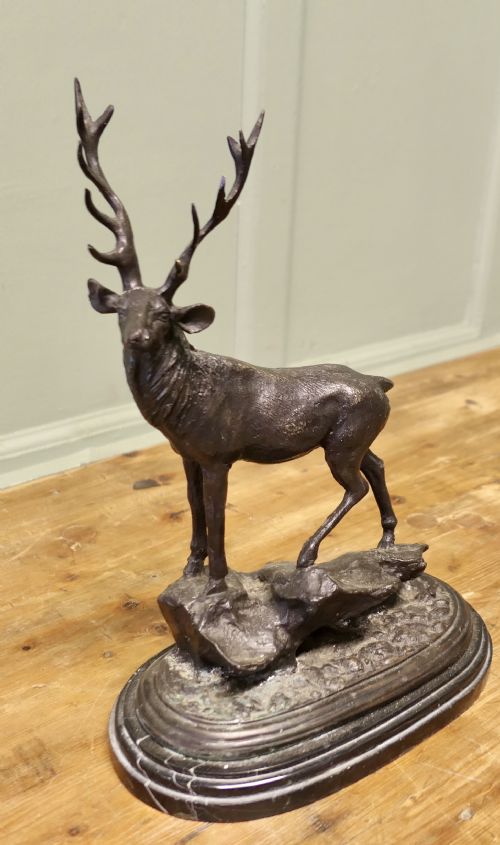
The most common versions on this page pair a cast bronze or spelter figure with a polished marble, onyx, or Siena stone plinth. They span periods from the nineteenth century through the early twentieth century, reflecting neoclassical, animalier, and modernist tastes.
Sculptures take many forms, including mythological deities, historical literary figures, sporting dogs, and human dancers. Each piece unites the organic weight of the mineral base with the detailed modeling of the upper subject.
How They Were Made
Figures are typically cast in bronze, gilt bronze, or spelter utilising traditional foundry methods, then finished with patination, cold painting, or silver plating. Artisans shape the stone bases from solid blocks of marble, onyx, or alabaster, turning and polishing the surfaces to a smooth finish.
Makers mount the metal sculptures to the stone plinths using threaded pins, bolts, or concealed fixings drilled directly through the marble. Ormolu mounts, cast brass collars, and gilt details are frequently added to accent the junction between the figure and the stone base.
Materials recorded across the inventory include Carrara marble, onyx, ormolu, spelter, and patinated bronze.
What Varies in Quality
Quality rests in the crispness of the metal chasing and the depth of the foundry work on the upper figure. Superior examples display sharp musculature, delicate facial expressions, and hand-finished details that cheaper commercial castings omit.
The choice and preparation of the stone base also determine the standard of the piece. Dense, richly veined Carrara or Siena marble plinths cut with precise geometric edges elevate a work far above those set on plain painted timber or inferior faux stone.
Carl Kauba·Josef Lorenzl·Claude Michael Clodion·Fritz Kochendorfer
The Marble Plinth Statue Glossary
- Ormolu
- Gilt bronze mounted onto furniture, clocks, or stone bases. This decorative technique involves applying a fine layer of gold amalgam to cast bronze.
- Grand Tour
- Eighteenth and nineteenth-century travel souvenirs collected by Europeans across Italy and Greece. These small-scale bronzes and carved marbles emulate classical antiquities.
- Spelter
- A zinc alloy commonly utilised as an economical alternative to bronze for sculptural figures. It takes patination well but possesses a lighter weight than copper alloys.
- Animalier
- A nineteenth-century sculptural style focused on realistic depictions of animals in natural poses. Works often feature hunting dogs, stags, and lions mounted on stone plinths.
- Carrara Marble
- A white or blue-grey stone quarried in Tuscany, favoured for classical busts and architectural plinths. Its fine grain permits intricate carving.
Marble Plinth Statue: Frequently Asked Questions
What is a marble plinth statue?
A marble plinth statue is a sculptural figure mounted directly onto a solid stone base. These pieces combine cast metals or carved stone subjects with heavy mineral pedestals.
Such works function as decorative table ornaments, desk accessories, and mantel displays. They provide an architectural anchor for the detailed figures resting above.
How do I date a marble plinth statue?
Dating relies on examining the casting technique, the material composition of the base, and the stylistic clothing or subject matter. Nineteenth-century pieces frequently employ grand tour motifs or deep patinated bronzes.
Twentieth-century examples often shift toward Art Deco geometry, spelter construction, and onyx bases. Maker signatures or foundry stamps etched into the metal also help establish an accurate period.
Where were these statues originally displayed?
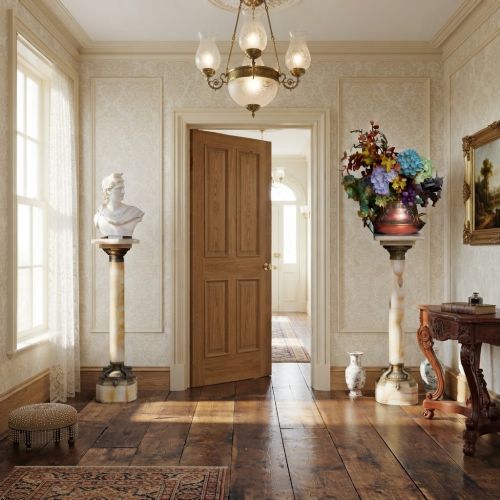
Nineteenth and early twentieth-century owners placed these sculptures on library desks, mantelpieces, and dedicated pedestals within domestic interiors. They served as scholarly conversation pieces or decorative art in middle and upper-class homes.
Grand tour items specifically commemorated travels through classical sites in Italy. They brought academic prestige and refined taste into private studies and drawing rooms.
How should I clean the marble base?
Clean the stone base using a soft, dry microfiber cloth to remove surface dust. Avoid abrasive cleaners, harsh chemicals, or excess water that can penetrate unsealed porous marble.
For stubborn marks, a damp cloth with mild soap can be used, followed immediately by drying. Keep metal polishes away from the stone surface to prevent staining.