
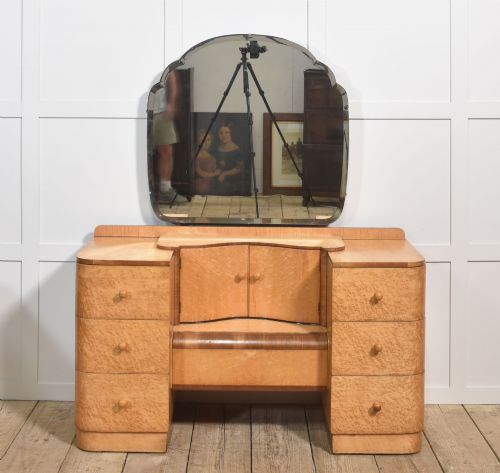
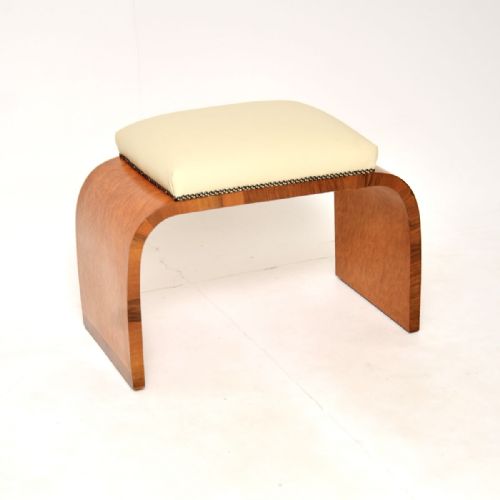


Maple Vanity Table
A maple vanity table brings striking grain and quiet elegance to a bedroom, pairing practical surface space with distinct period character.
Maple Vanity Table
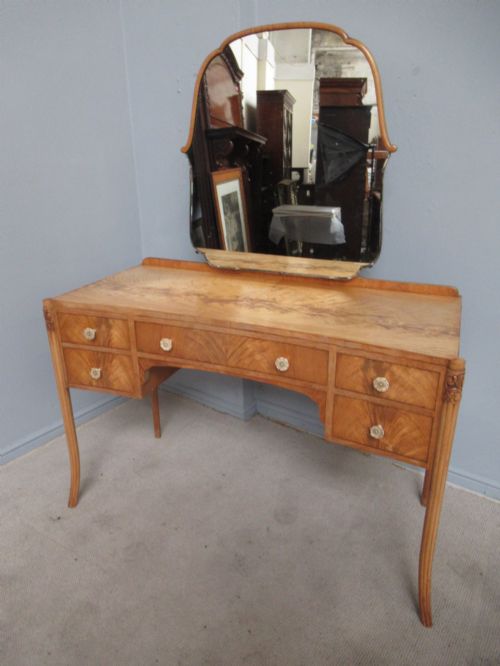
A maple vanity table serves as a dedicated space for grooming and dressing, appearing across diverse periods from the Georgian era to the height of the Art Deco movement. These pieces combine functional drawers and mirrors with the pale, figured warmth of timber.
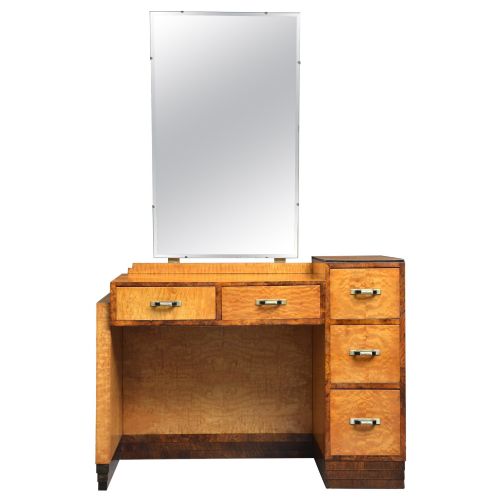
Buyers will most frequently encounter examples from the nineteen-thirties showcasing clean geometric lines and striking birdseye grain. Alongside standard dressing tables, related forms such as washstands and dressing mirrors occasionally surface.
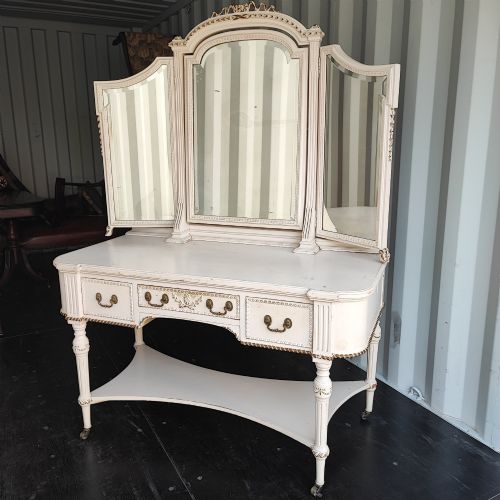
Origins span English workshops like Maple and Company, French cabinet makers, and Swedish designers, offering a wide spectrum of aesthetic influences from Louis XVI revival to stark Modernism.
Materials and Construction
Makers utilised select hardwoods, predominantly employing birdseye maple and plain maple veneers over sturdy secondary timbers. Contrasting woods such as walnut and mahogany frequently appeared in banding or secondary sections.
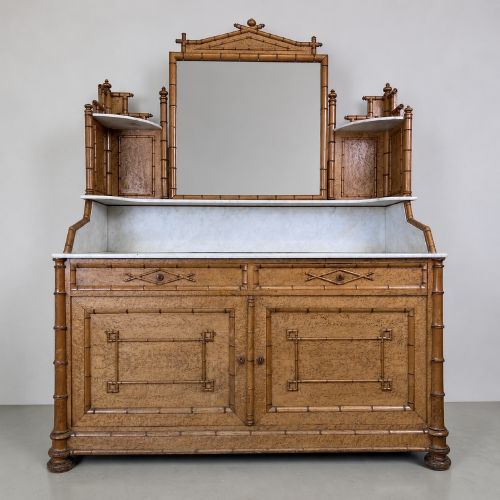
Mirrors form an integral component of these pieces, utilising bevelled glass supported by pivoting frames or triple-plate arrangements. Additional detailing incorporates brass hardware, marble tops on washstand variants, and inset leather writing surfaces.
Some adventurous makers even combined faux-bamboo framing with birdseye maple panels for an unexpectedly exotic bedroom statement.
Assessing Quality and Craftsmanship
The distinction between standard production and exceptional work lies in the selection and bookmatching of the maple veneer. Superior examples display symmetrical, highly figured grain patterns that wrap seamlessly around drawer fronts and edges.
Structural integrity and original hardware dictate overall worth, with notable firms employing precise dovetail joinery and heavy, integrated mirrors. The presence of original polished finishes rather than modern overcoats preserves the subtle tone of the wood.
Harry and Lou Epstein·Maple and Co
The Maple Vanity Table Glossary
- Birdseye maple
- A figure in maple wood that resembles tiny, swirling eyes packed together. This desirable pattern occurs naturally in the grain and is highly prized for decorative veneer work.
- Art Deco
- A design style of the nineteen-twenties and thirties characterised by sleek lines, geometric shapes, and modern materials. Pieces from this era often emphasise streamlined functionalism.
- Dovetail joinery
- A method of locking wooden boards together using interlocking wedge-shaped fingers. It represents traditional cabinet-making skill and ensures enduring drawer strength.
- Bookmatching
- A technique of laying down adjacent veneer sheets so that they mirror each other. This creates symmetrical patterns that highlight the natural movement of the timber grain.
Maple Vanity Table: Frequently Asked Questions
How do I date a maple vanity table?
Dating relies heavily on stylistic cues, construction methods, and hardware. Pieces from the Georgian period show hand-cut joinery and simpler proportions, while nineteen-thirties examples feature streamlined Moderne curves and distinctive veneers.
Examining the mirror backing, drawer construction, and secondary woods provides further clues to the decade of manufacture. Makers' stamps or labels, when present, offer definitive confirmation of origin.
Can I use a vanity table as a desk?
Many vanity tables function effectively as writing desks, particularly those originating from the early twentieth century or larger Georgian forms. Kneehole clearances and surface depths generally accommodate a chair and a laptop comfortably.
However, buyers should check the interior height of the drawers to ensure adequate legroom. Adding a protective glass top preserves fragile wood surfaces during daily writing use.
How do I care for birdseye maple veneer?
Maintenance requires keeping the wood away from direct sunlight and excessive moisture to prevent fading and veneer lifting. Regular dusting with a soft, dry cloth maintains the polished sheen without buildup.
Avoid commercial silicone sprays, opting instead for occasional applications of quality beeswax paste where appropriate. Placing felt pads under objects prevents scratches on the delicate top surface.
What is the difference between a vanity and a dressing table?
The terms are often used interchangeably, though a vanity traditionally emphasises a fixed or pivoting mirror paired with cosmetic storage. Dressing tables historically encompass a broader range of furniture designed for personal preparation and grooming.
Both forms prioritize surface area and drawer space, varying primarily in regional naming conventions and stylistic flourishes across different eras.