

Manual Wind Dress Watch
A manual wind dress watch offers a direct connection to mechanical timekeeping through daily winding.
Manual Wind Dress Watch
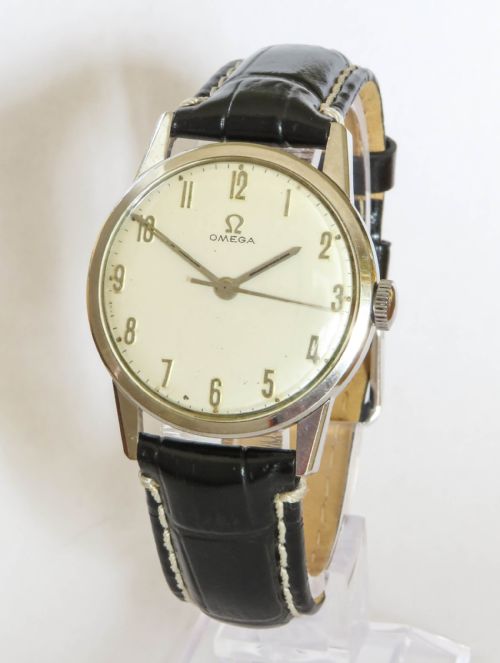
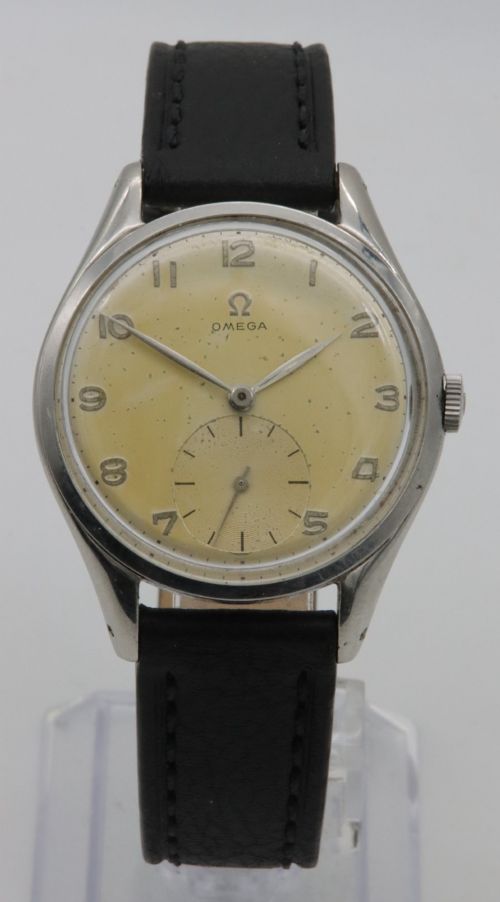
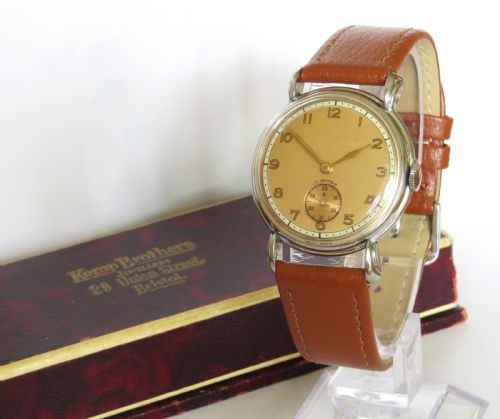
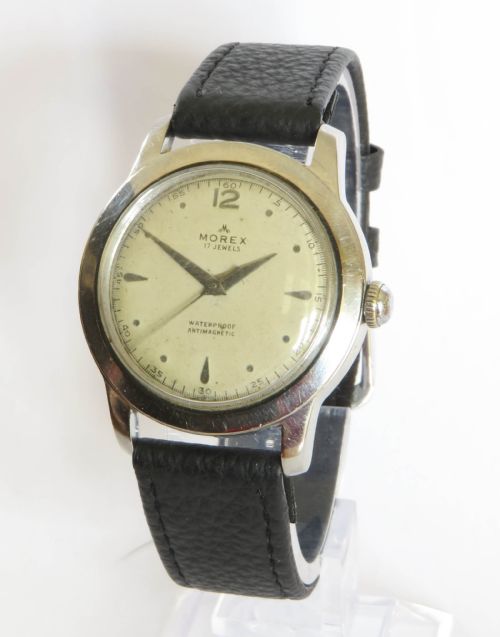
A manual wind dress watch is a mechanical timepiece powered by hand rather than an automatic rotor or battery, designed to sit slimly against the wrist for formal or daily wear. When you search for a manual wind dress watch, you encounter forms that span decades of horological design, with the mid-century period providing the most numerous examples on this page.
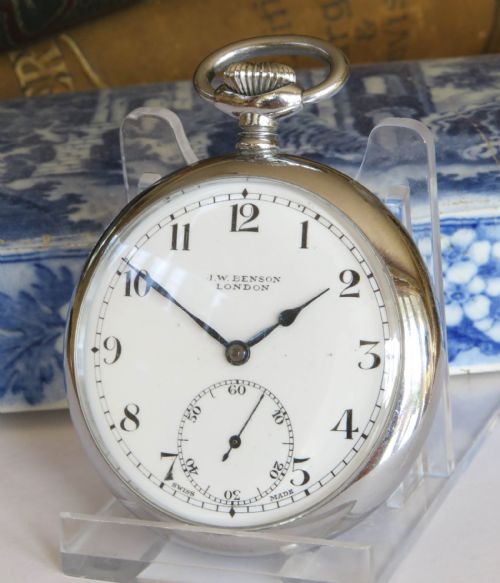
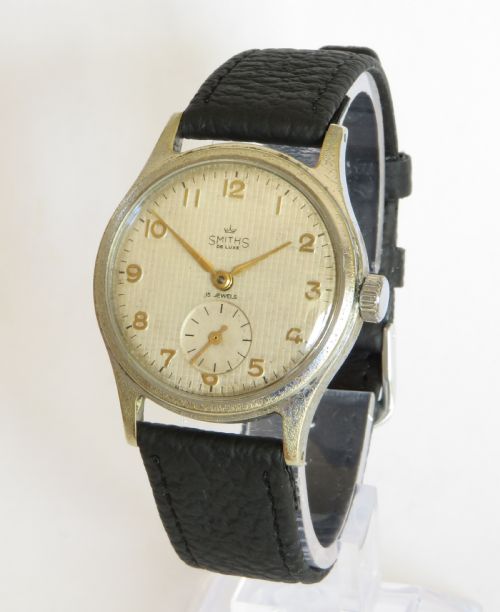
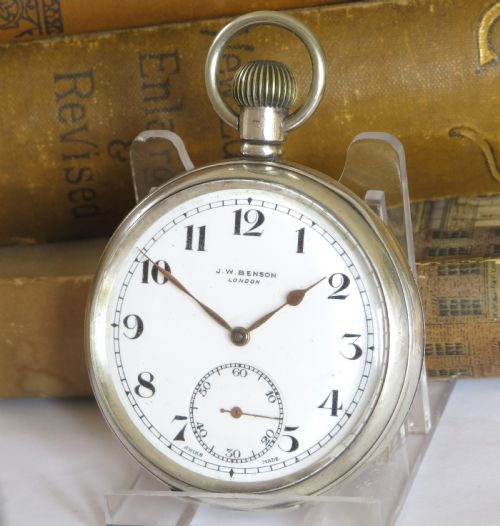
The selection ranges from robust mid-century stainless steel models to precious metal pieces housed in 9ct gold or gold plate, alongside occasional silver pocket watches adapted from earlier eras. Swiss makers dominate the inventory, though British production appears through makers like Smiths, reflecting a broad international manufacturing base across the 1940s, 1950s, and 1960s.
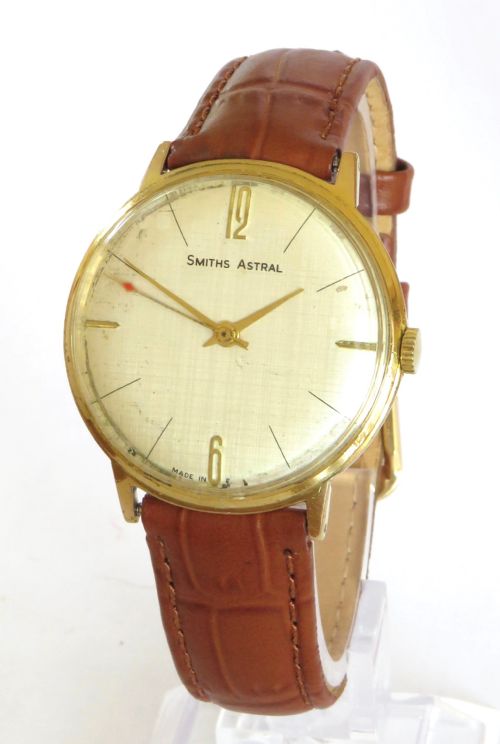
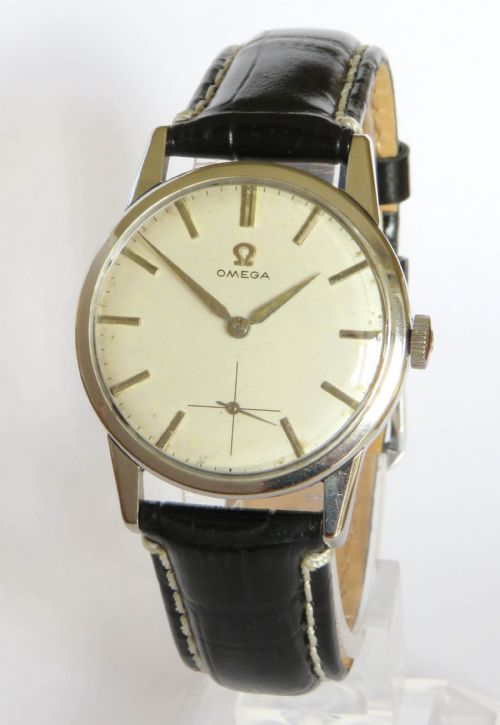
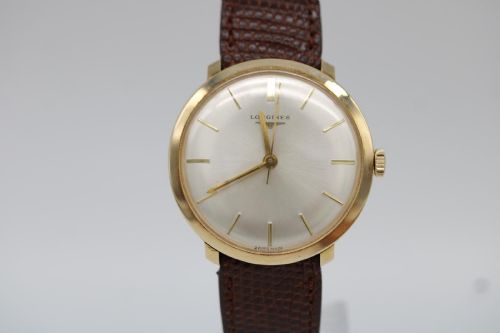
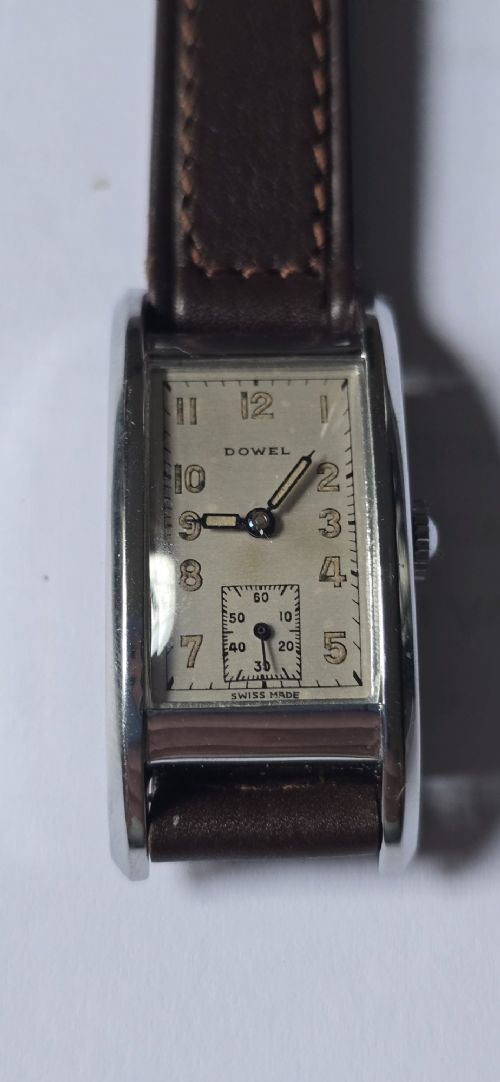
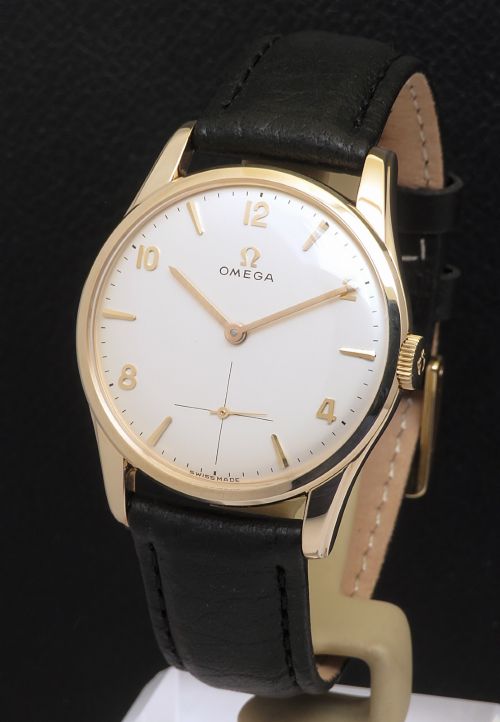
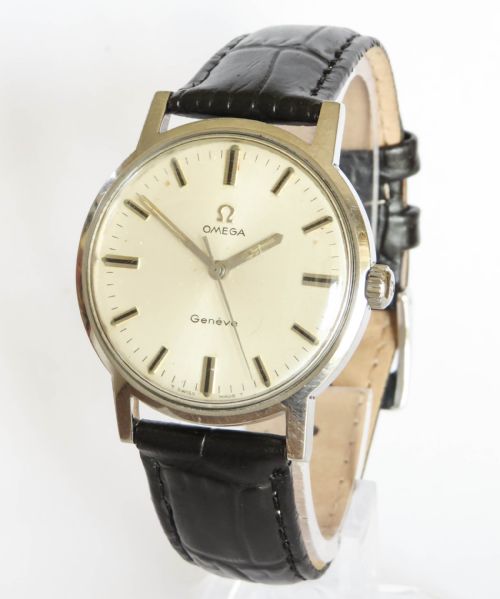
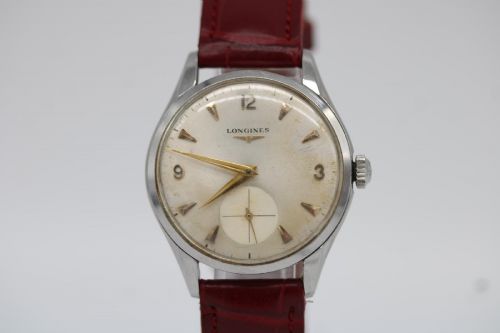
Stylistically, these watches draw on Mid-Century Modern, Art Deco, and Edwardian influences, resulting in clean dials, understated baton markers, and compact case diameters typically ranging from 26mm to 35mm. The most frequent iteration on this page is the gents wrist watch from the 1950s or 1960s, featuring a minimalist dial and a leather strap.
How they were made
Cases utilise metals such as stainless steel, chrome, gold plate, and solid 9ct rose or yellow gold, paired with protective covers of glass or acrylic over the dial. Dial appointments frequently incorporate enamel work or sunburst brushing to catch the light, housed within robust constructions designed to protect the delicate movement within.
Movement assembly relies on hand-wound mechanical calibres produced by specialised workshops, requiring meticulous hand-adjustment of gears, springs, and escapements to maintain chronological accuracy. Leather straps complete the assembly, fastened securely to the case lugs to create a wearable object intended for daily interaction.
Listings feature manual wind movements spanning from the early 20th century through the 1970s, housed in materials including solid 9ct gold, stainless steel, and leather.
What varies in quality
The standard of a manual wind dress watch rests primarily on the sophistication and finishing of the internal movement calibre, where renowned Swiss manufacturers employ higher jewel counts and superior micro-mechanical tolerances. Calibres designed for specific high-grade lines display finer bevelling, polished screw heads, and more stable regulation than basic commercial movements.
Material selection dictates the overarching tier of the piece, shifting from plated brass or chrome up to solid 9ct gold cases that retain their integrity and precious metal weight over decades. Furthermore, the originality and condition of the dial - whether untouched with crisp typography or subjected to heavy restoration - strongly influence the perceived character of the watch.
Omega·Longines·Smiths·Cyma·Seiko·Rolex·Tudor·Jaeger-LeCoultre
The Manual Wind Dress Watch Glossary
- Calibre
- The specific internal mechanical movement design and manufacturer designation of a watch. Collectors use this number to identify the exact generation and factory specification of the mechanism.
- Manual wind
- A mechanical watch movement powered by manually turning the crown to tension the mainspring. This negates the need for batteries or an automatic swinging rotor.
- Jumbo
- A colloquial term for a mid-century watch case built with a larger diameter than was standard for its era. These larger proportions appeal directly to modern preferences for more substantial wrist presence.
- Sunburst dial
- A metal dial finished with fine radial brushed lines that reflect light outward from the centre in a pattern resembling the sun's rays. This treatment creates a dynamic visual depth as the wrist moves.
- Baton marker
- A straight, bar-shaped hour indicator applied to or printed on the dial instead of numbers. It defines the clean, uncluttered aesthetic typical of mid-century design.
Manual Wind Dress Watch: Frequently Asked Questions
How often should I wind a manual wind watch?
These timepieces require winding once every day, ideally at the same time each morning, to maintain consistent tension on the mainspring and keep the movement running accurately.
Twist the crown gently until you feel firm resistance, taking care not to force it past the stopping point to avoid damaging the internal spring mechanism.
Are these watches suitable for daily wear?
Most vintage dress watches were built for formal or office environments and lack modern waterproof sealing or shock resistance. Daily wear is entirely practical if you avoid rigorous physical activity, swimming, and exposure to strong magnetic fields.
Pairing the watch with a suitable leather strap ensures comfort during long hours on the wrist while preserving the vintage aesthetic.
How do I determine the decade of a watch?
Dating relies on matching case design styles, dial typography, and hallmark stamps against known production periods. Movement serial numbers engraved inside the watch often provide a precise manufacturing year when cross-referenced with maker archives.
Stylistic cues such as Art Deco geometric lines or 1950s minimalist baton markers offer an immediate visual clue to the era of origin.
What is a sub-seconds dial?
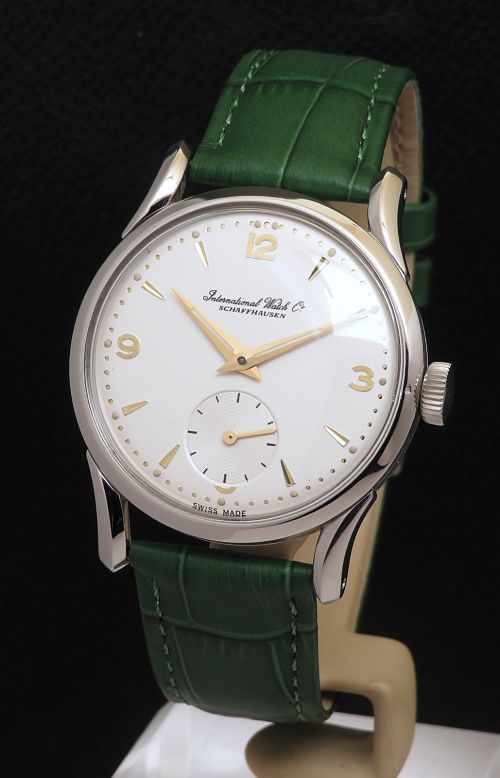
A sub-seconds dial is a smaller auxiliary circle positioned on the main dial, usually at the six o'clock position, dedicated entirely to tracking the seconds with its own independent hand.
This layout was common in vintage movements before central sweep-second hands became standard practice in later decades.