

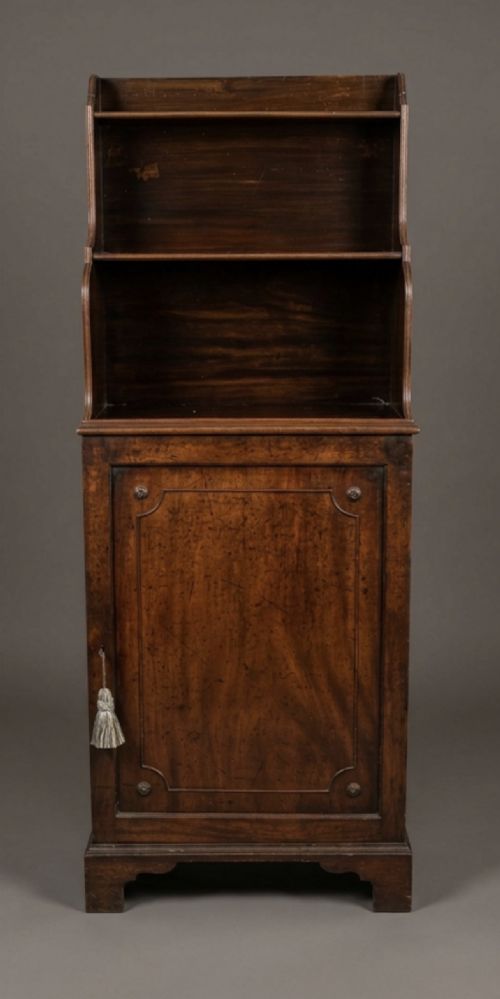
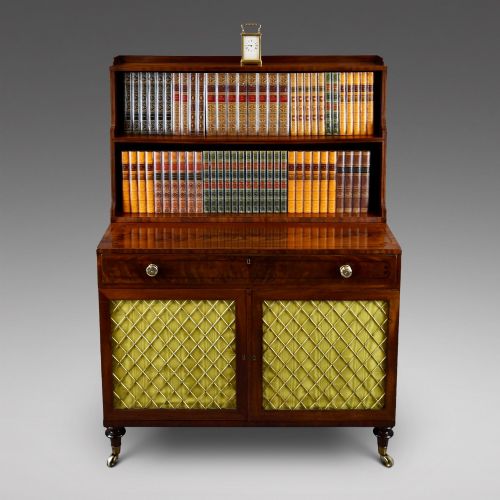
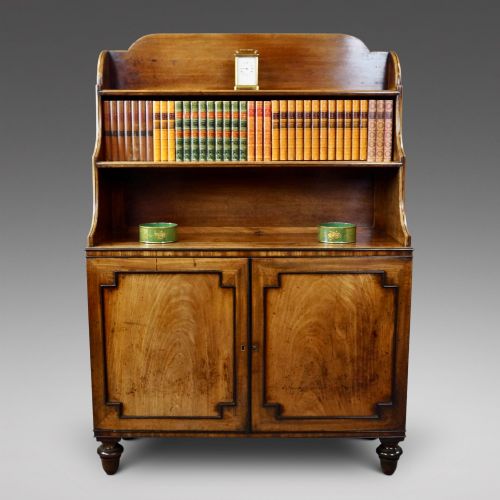

Mahogany Waterfall Shelf
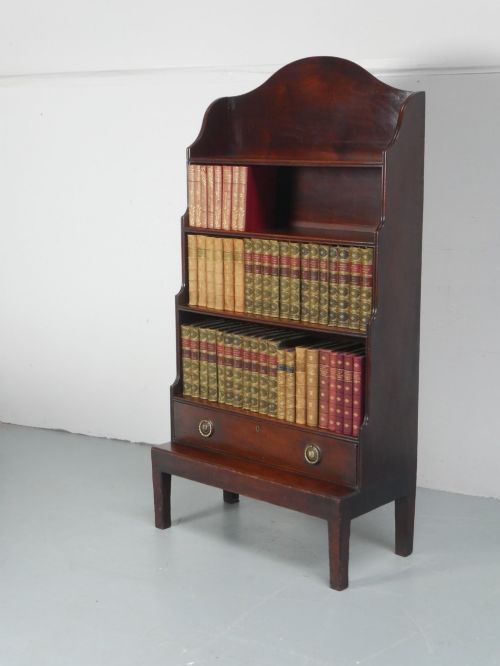
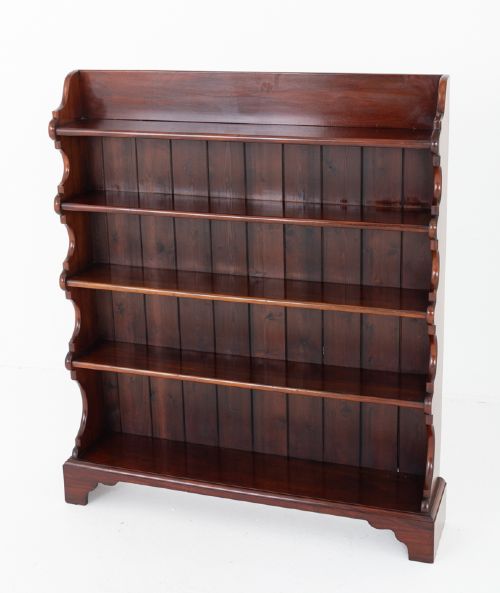
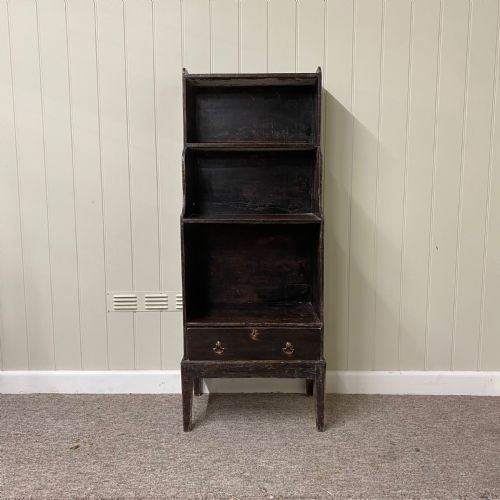
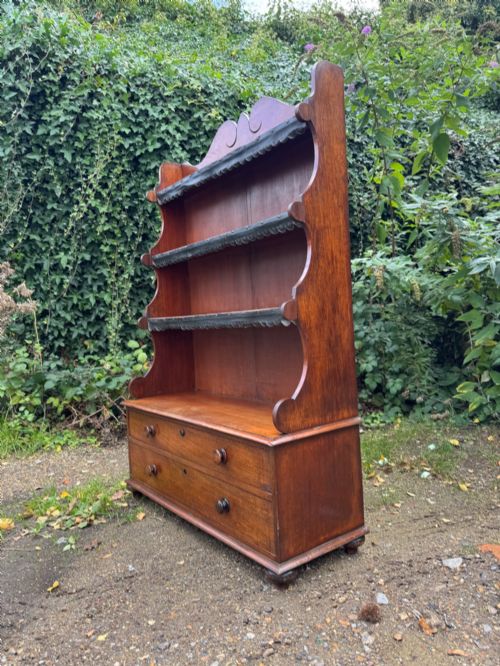
A mahogany waterfall shelf brings tiered display space to a room, offering stepped open shelving that dates from the Georgian period onward.
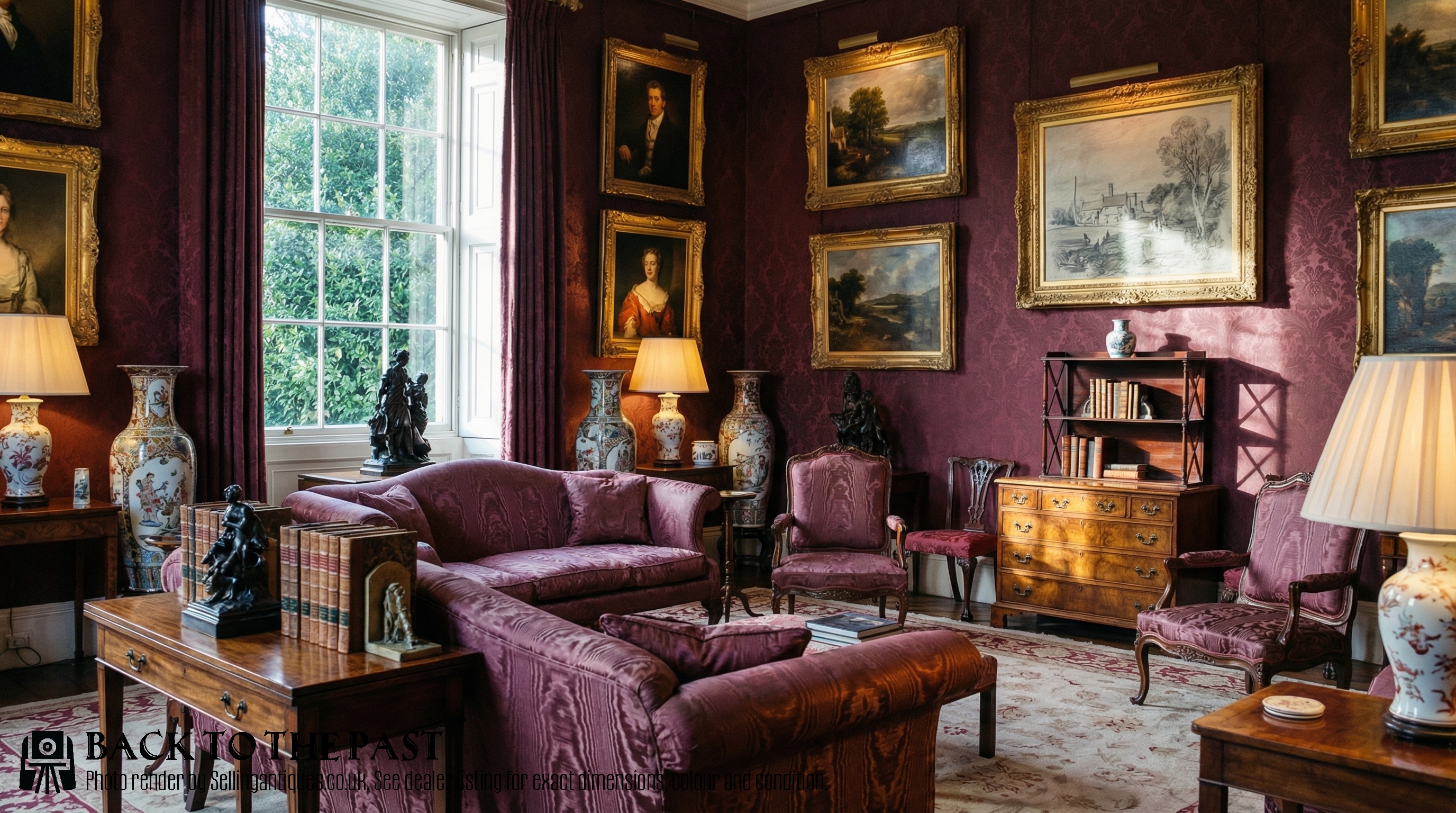
Mahogany Waterfall Shelf
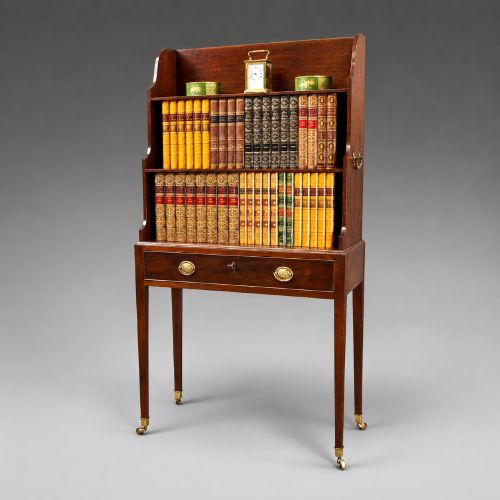
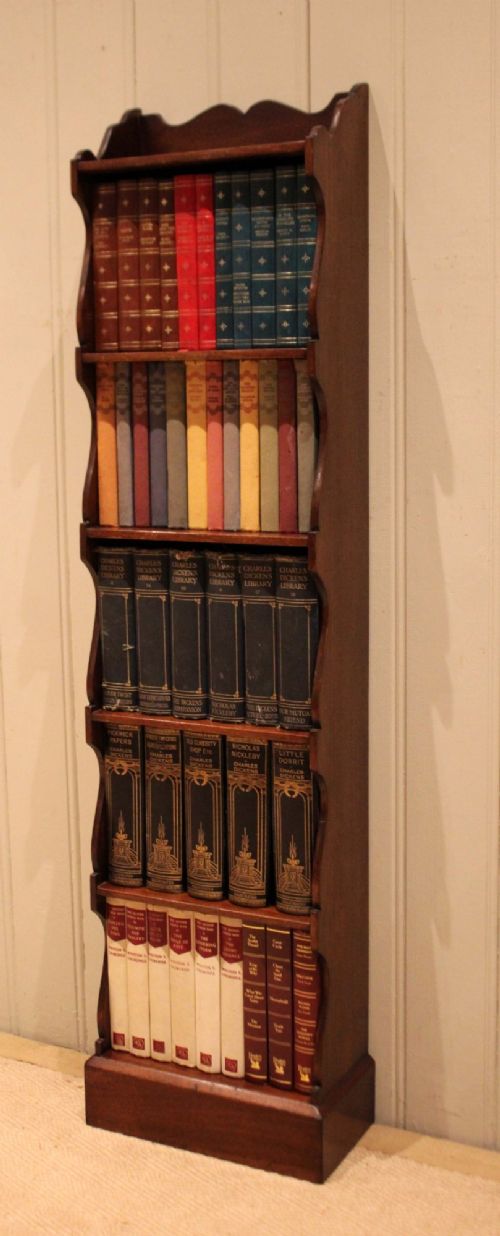
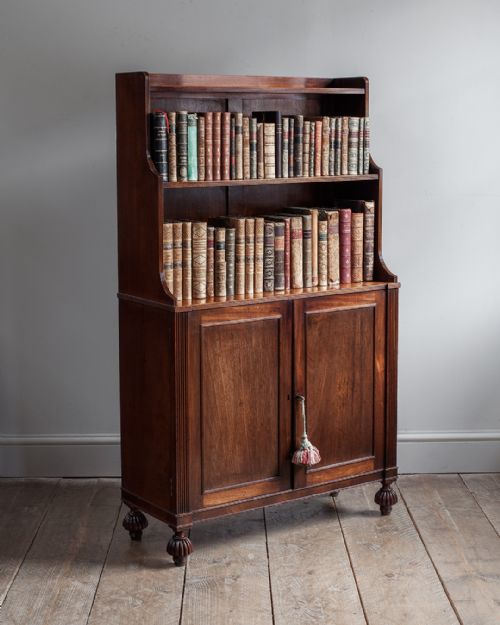
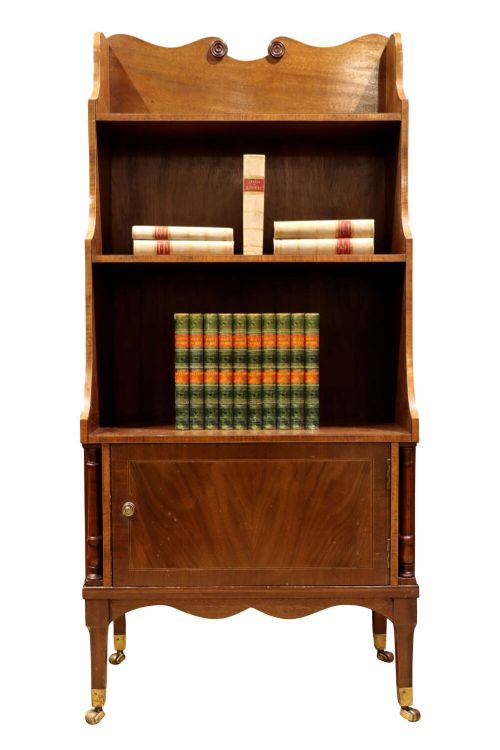
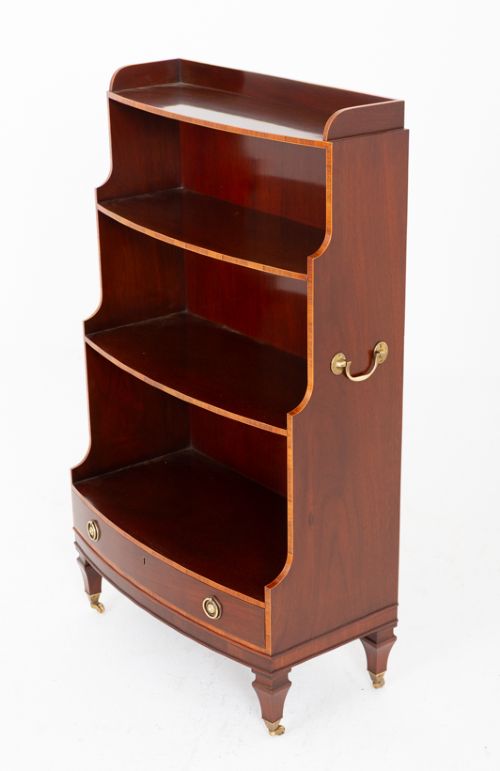
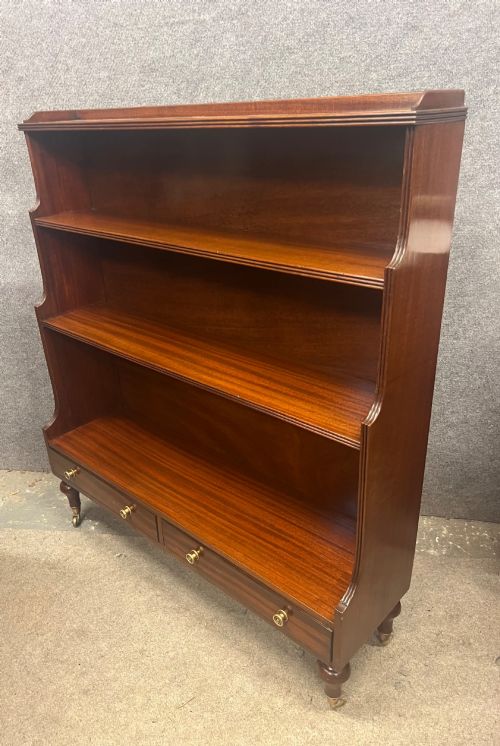
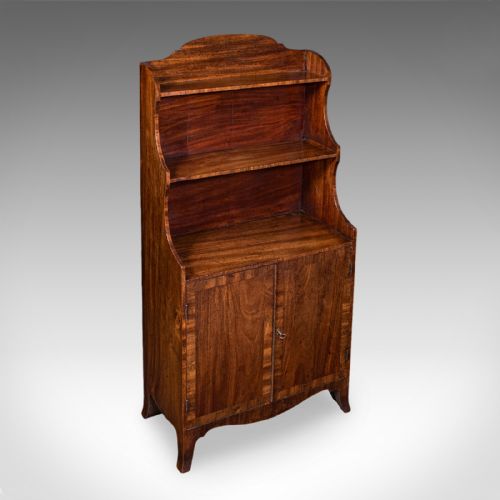
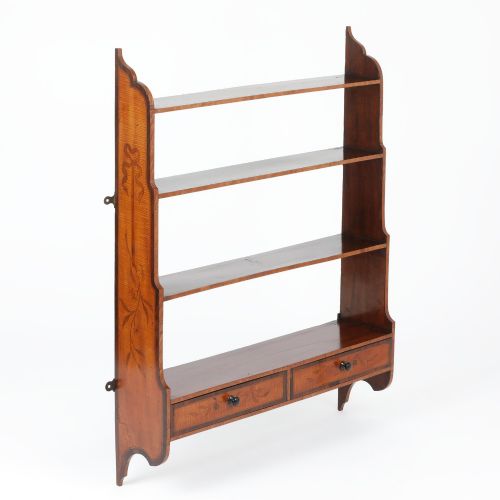
A mahogany waterfall shelf provides graduated open tiers stepping back toward the top, appearing in forms from wall-hanging racks to large freestanding bookcases and cabinet bases. When you search for a mahogany waterfall shelf, you meet pieces spanning the Georgian, Regency, and Victorian eras, alongside Edwardian and later revivals.
Freestanding examples often incorporate cupboards, small drawers, or brass castors beneath the tiers, while wall shelves are designed to mount directly onto a room's timber panels or plaster. The architectural graduation of the shelves allows books and decorative objects to sit in descending depths.
Pieces range from simple open shelving units to elaborate glazed cabinets and chiffoniers with cross-banded surfaces. Most examples originate from English workshops, though French variants also appear.
Materials and Construction
Cabinetmakers constructed these shelves using solid mahogany and flame mahogany veneers, frequently applying contrasting boxwood stringing and satinwood inlay to accent the stepped tiers. Cross-banding creates geometric borders along shelf edges and friezes, displaying the natural grain of the timber.
Freestanding units utilise sturdy timber carcases, occasionally incorporating galleries along the tiers to secure contents, while brass castors facilitate movement on floor surfaces. Joinery relies on traditional techniques suited to multi-tiered upright furniture.
Mahogany Waterfall Shelf Retail Price Guide 2026
Typical asking prices for mahogany waterfall shelf among the pieces listed under this phrase on Sellingantiques today, from the lower quarter to the upper quarter. They describe what is for sale here now, not the wider market.
Some Victorian pieces include tiny galleries on the top tier, perhaps to stop an ambitious paperweight from staging a dramatic escape.
Craftsmanship and Proportion
The distinction between standard production and superior examples lies in the selection of timber figures, such as highly figured flame mahogany, and the precision of inlaid boxwood stringing. Finer pieces demonstrate careful attention to the graduated proportions of the tiers and the integration of secondary elements like cupboards or drawers.
Structural integrity of the stepped uprights and the crispness of edge mouldings separate restrained classical interpretations from heavier revival pieces. Original brass castors and uncompromised timber surfaces elevate the standing of an individual bookcase.
Shapland & Petter
The Mahogany Waterfall Shelf Glossary
- Waterfall bookcase
- A set of open shelves stepped back in a rising progression resembling cascading water. This form gained popularity during the Georgian and Regency periods for displaying books and small objects.
- Flame mahogany
- A distinct timber veneer cut from timber fork where branches join the main trunk, producing a rippling flame-like pattern. Makers utilised this veneer on prominent surfaces to create visual movement.
- Cross-banding
- A decorative border of veneer laid across the grain of the primary surface. Cabinetmakers employed this technique on shelf edges and top panels to frame the timber.
- Boxwood stringing
- Narrow inlaid lines of pale boxwood set flush into dark mahogany surfaces. This linear detail defines the edges and panels of finer period furniture.
- Chiffonier
- A low cabinet featuring shelving or a cupboard space beneath. These pieces often incorporate waterfall upper sections for display.
Mahogany Waterfall Shelf: Frequently Asked Questions
How are waterfall shelves supported?
Freestanding waterfall bookcases rely on upright side panels that step backward to support each graduated shelf from beneath.
Wall hanging versions incorporate structural backboards or hanging brackets designed to secure the tiered weight firmly against a vertical surface.
What is the difference between wall and freestanding shelves?
Wall shelves are built for direct suspension on room surfaces, featuring lighter frames and flat backs intended to hang clear of the floor.
Freestanding versions rest upon the ground, frequently incorporating enclosed cupboards, drawers, or heavy plinths at the base to anchor the stepped superstructure.
How do I identify a Regency piece?
Regency waterfall shelves typically display classical restraint, clean architectural lines, and premium mahogany timbers with subtle boxwood stringing.
They often date from the early nineteenth century and prioritize functional proportion over heavy decorative carving.
Where should I place these shelves?
These shelves suit studies, drawing rooms, or hallways where their graduated tiers can hold collections of books or small decorative objects.
Freestanding models function well against open wall spaces, while smaller hanging formats fit effectively above side tables or desks.