


Mahogany Table Chest
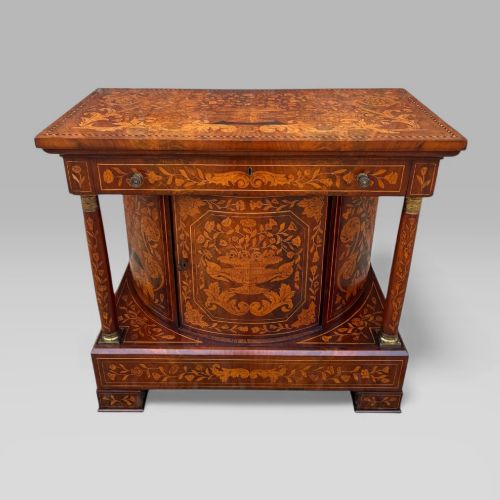
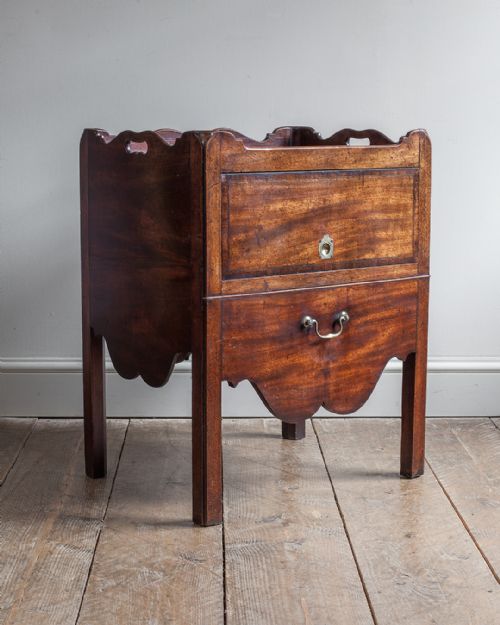
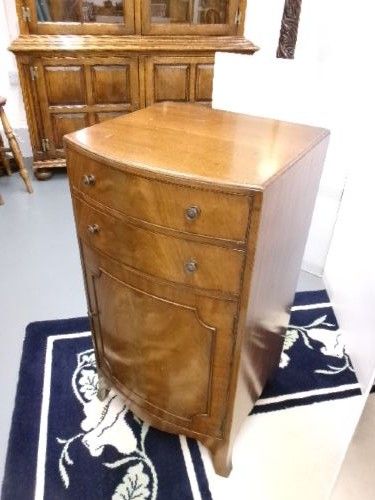
These compact mahogany table chest designs combine practicality and rich timber, offering a functional surface above fitted drawers.
Mahogany Table Chest
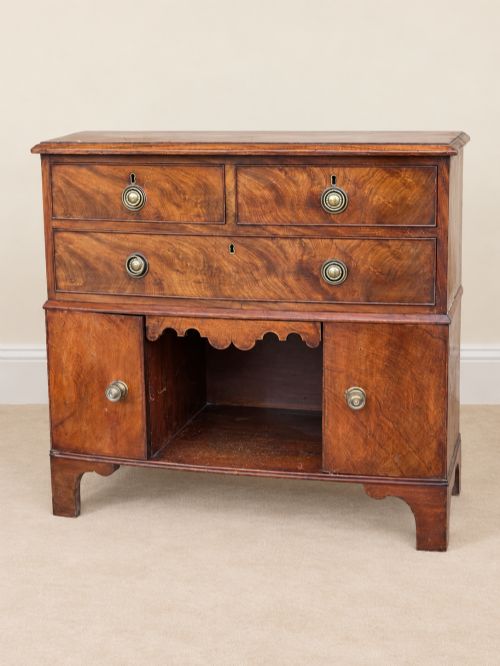
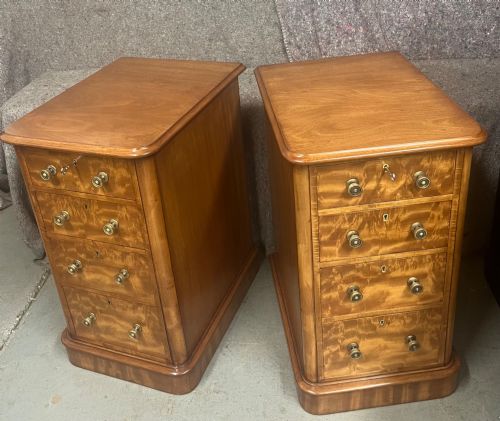
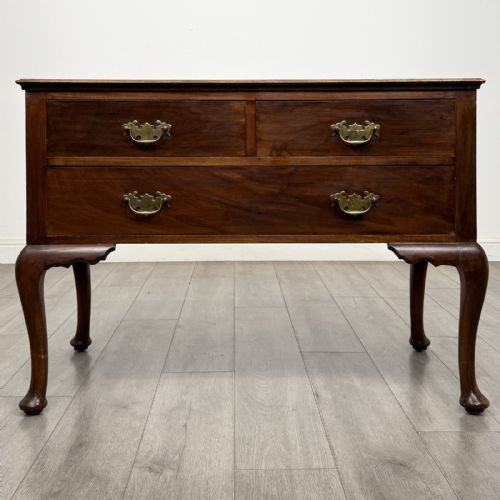
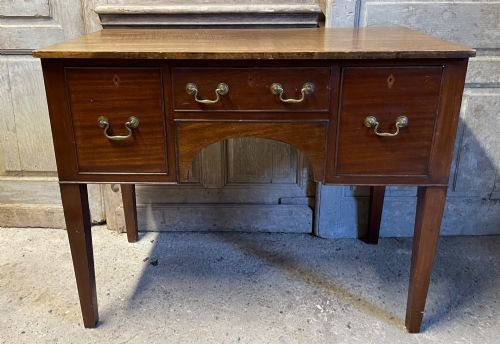
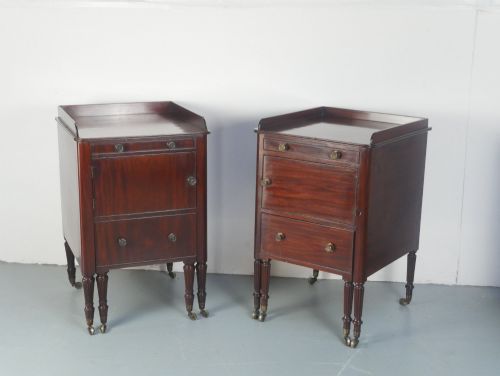
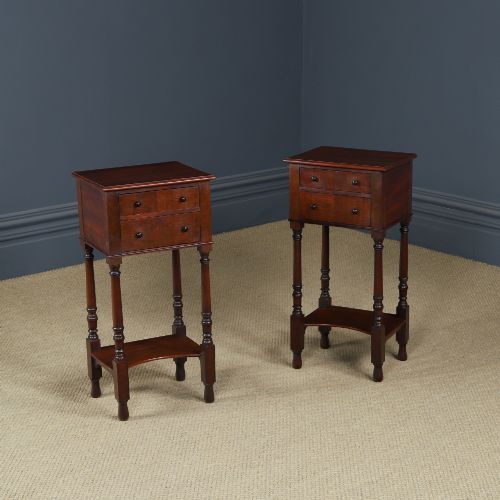
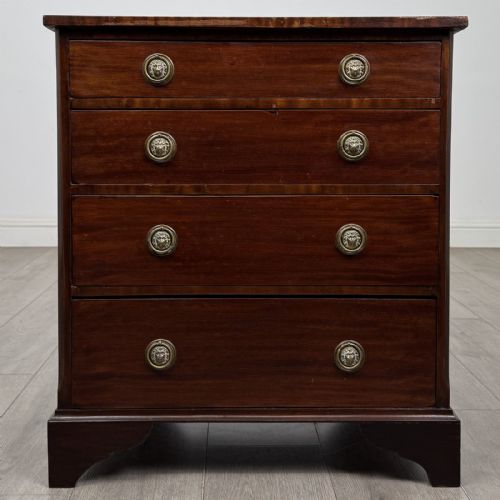
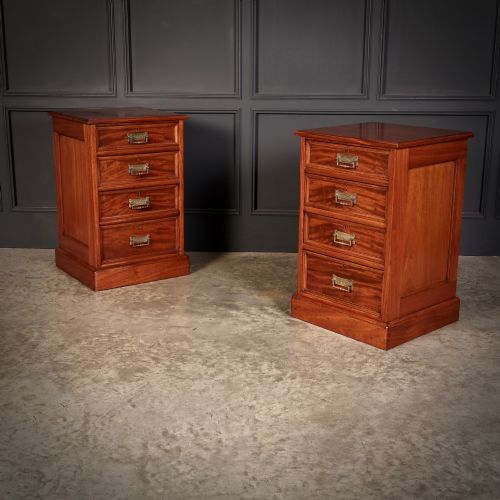
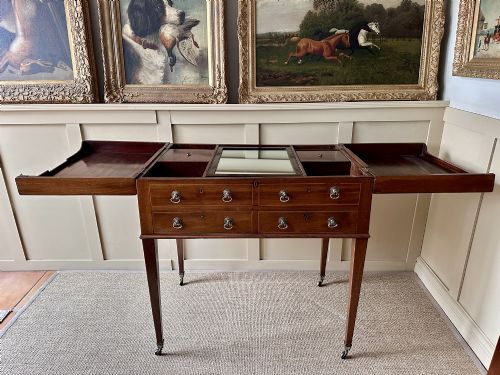
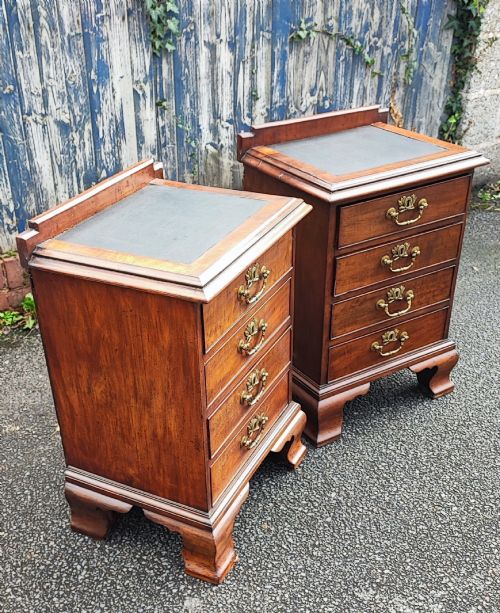
When searching for a mahogany table chest, collectors typically encounter a diverse selection of small-scale furniture designed for intimate spaces. The evidence demonstrates that these forms predominantly manifest as bedside chests, nightstands, and dressing tables originating from the Georgian and Victorian periods.
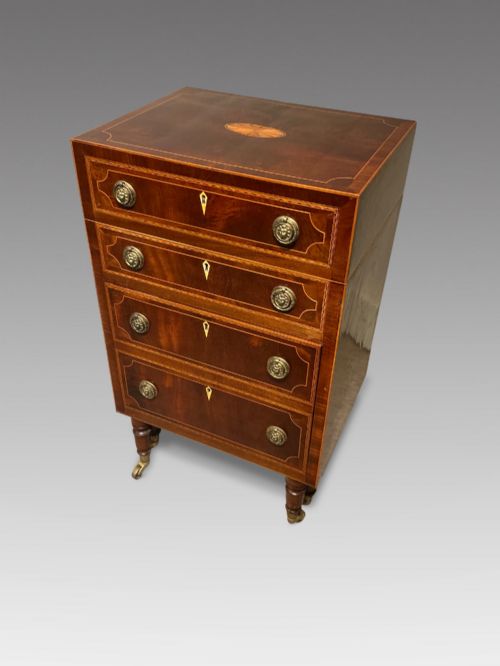
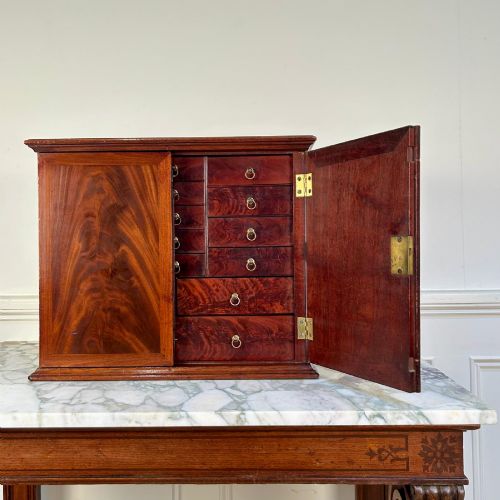
The inventory on this page also encompasses related miniature items, apprentice pieces, and collectors cabinets. Buyers frequently meet paired bedside chests from the Victorian era alongside eighteenth-century George III examples featuring multiple small drawers.
Originating from British workshops, these table chest forms served specific domestic functions such as holding washing equipment, night lighting, or gentlemen's dressing accessories. Their compact proportions make them suitable for modern interiors requiring period character and surface utility.
What varies in quality
The standard of timber preparation largely defines the distinction between pieces at opposite ends of the range. Superior examples display carefully matched veneer grains and fine, tight drawer dovetailing that reflects skilled hand-tool work.
Proportion and decorative restraint also separate finer specimens from simpler utility pieces. Well-executed brass hardware, crisp wood inlay, and original polished surfaces indicate superior workshop origin compared to heavy alterations or later adaptations.
Mahogany Table Chest Retail Price Guide 2026
Typical asking prices for mahogany table chest among the pieces listed under this phrase on Sellingantiques today, from the lower quarter to the upper quarter. They describe what is for sale here now, not the wider market.
Listings feature eighteenth-century George III examples alongside nineteenth-century Victorian bedside chests and Edwardian variations.
Warings Liverpool
The Mahogany Table Chest Glossary
- Flame mahogany veneer
- A decorative sheet of timber sliced from the point where a branch joins the main trunk, creating a characteristic rippled, flame-like pattern. Cabinet makers applied this to drawer fronts for visual impact.
- Dovetail joint
- A traditional interlocking carpentry technique used to join drawer sides to drawer fronts and backs. Hand-cut dovetails indicate older, finer construction.
- Marquetry
- The art of applying decorative pieces of wood veneer to a structure to form intricate pictorial designs. This technique appears on eighteenth-century surfaces.
- Bow front
- A convex, outwardly curved furniture front popular in Georgian and Edwardian design. It softens the linear profile of a chest or cabinet.
- Escutcheon
- A protective brass plate surrounding a keyhole. Finer examples feature engraved detailing matching the drawer handles.
Mahogany Table Chest: Frequently Asked Questions
How were these chests originally used?
These pieces served practical domestic roles in Georgian and Victorian households. Owners placed them beside beds to hold chamber lighting, or utilised them as dressing tables for personal grooming.
Some variants incorporated specialised compartments for gentlemanly accessories, cutlery, or collections of small objects.
How do I date a mahogany piece?
Dating relies on observing construction methods, timber types, and stylistic indicators such as brass hardware design. Georgian pieces often feature hand-cut dovetails and simpler lines, while Victorian examples frequently showcase heavier proportions.
Comparing the secondary woods inside the carcase and the style of the feet helps narrow the period of origin.
Can I use a bedside chest in a modern room?
Their compact proportions make these chests exceptionally practical for contemporary interior layouts. They fit easily beside modern bed frames while introducing rich timber warmth and historical character.
The surface accommodates modern lamps or books, and the drawers provide concealed storage for bedside essentials.