
Mahogany Storage Commode
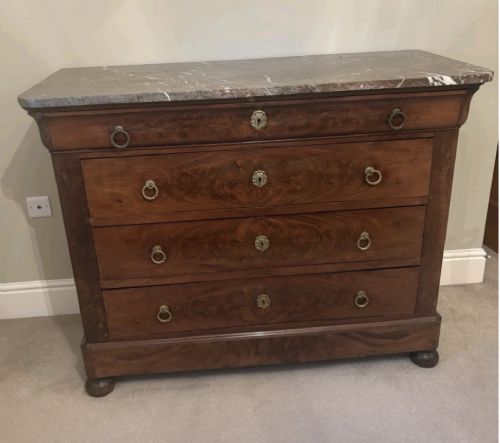
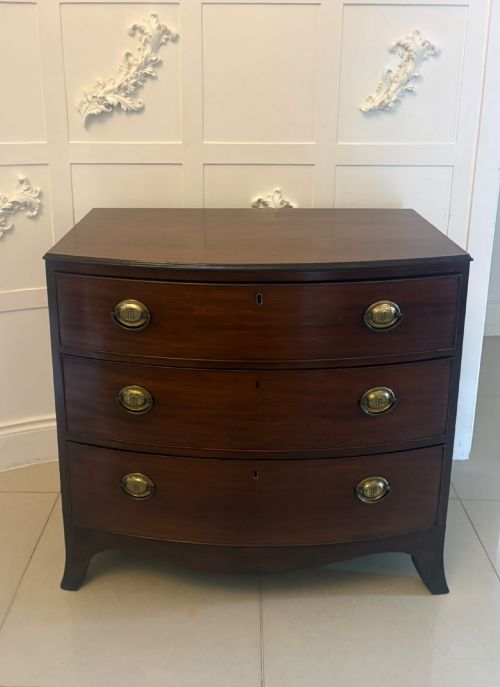
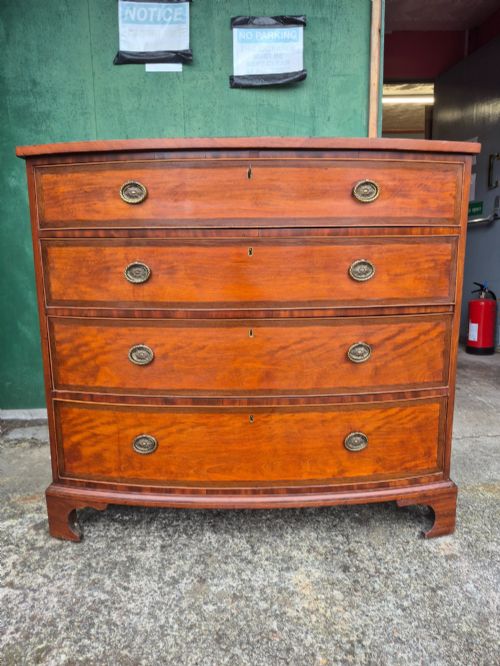
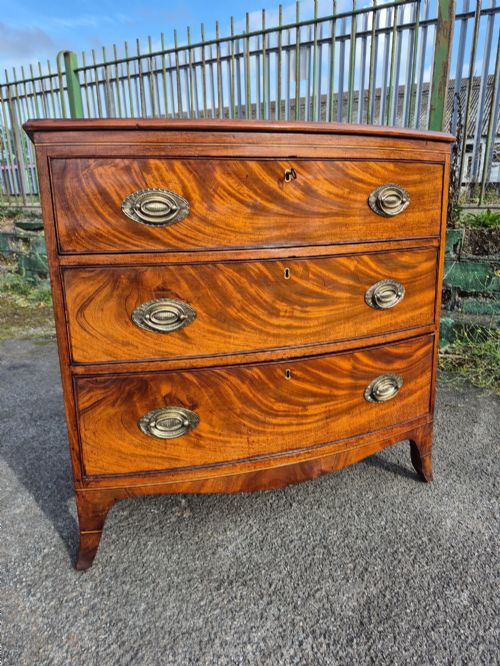
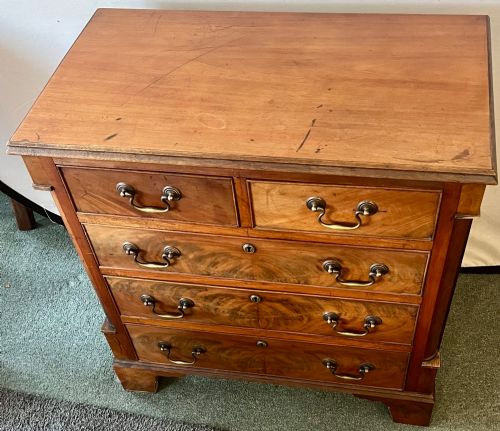
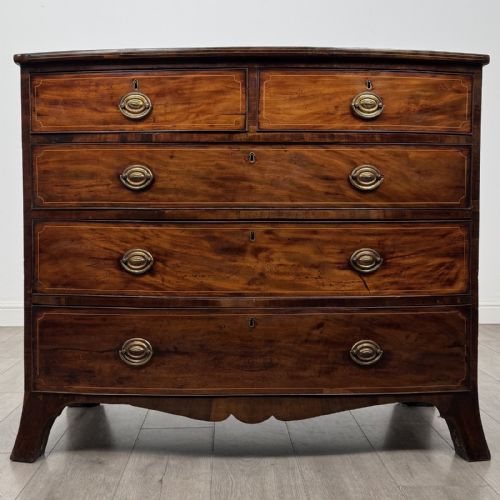
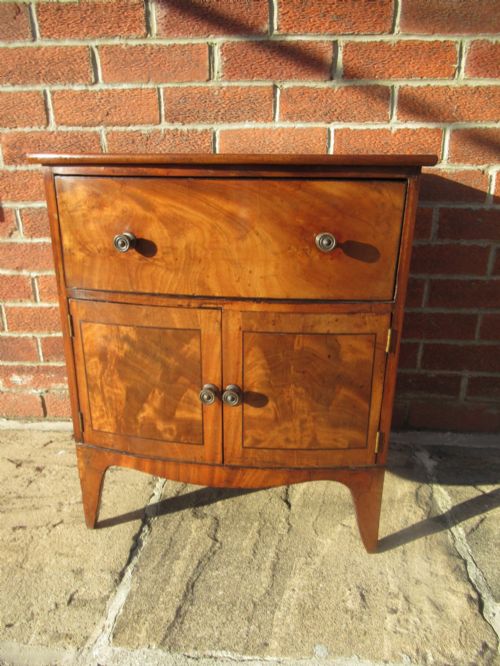
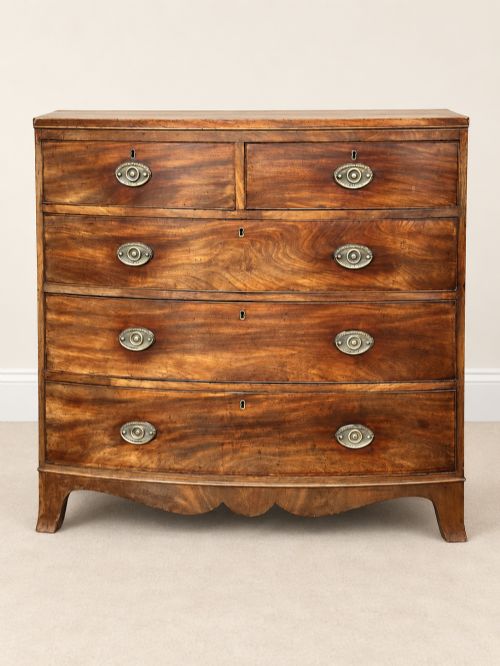
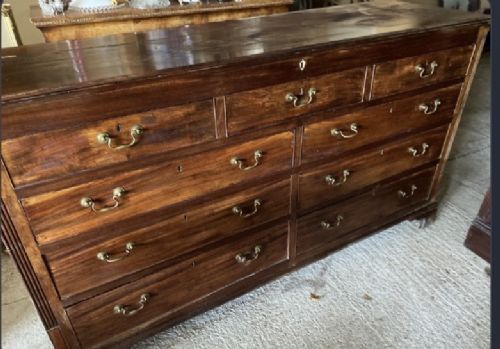
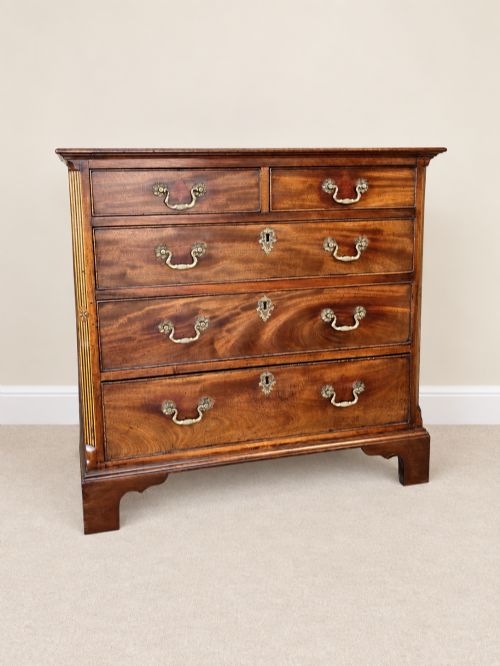
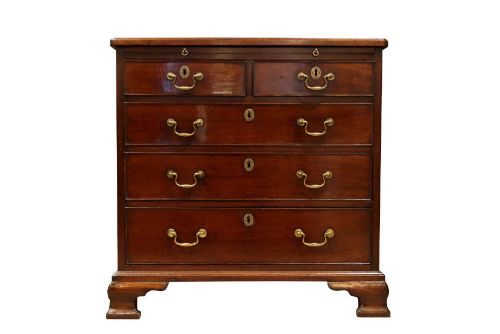
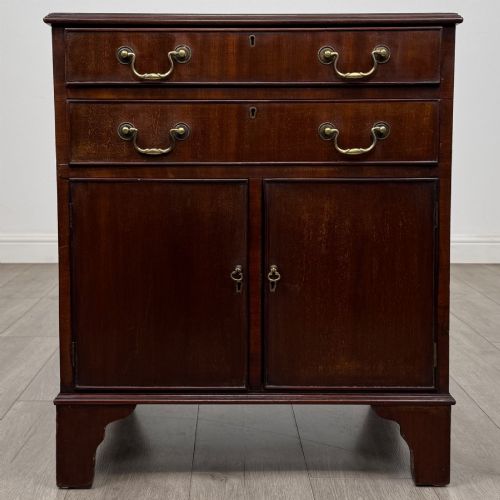
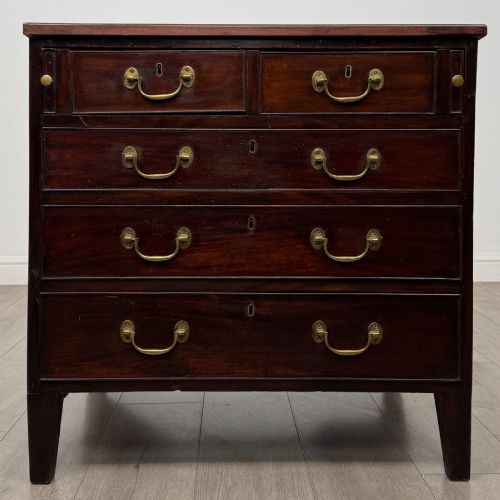
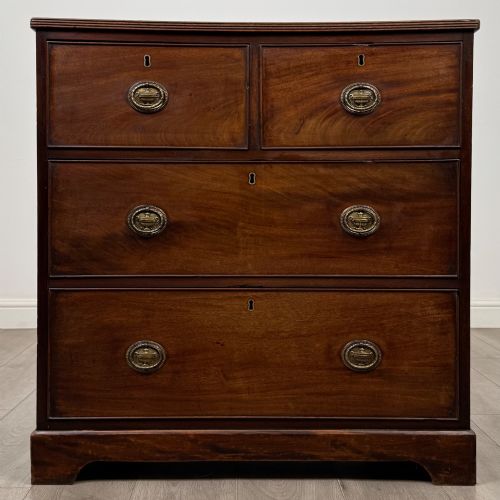
These mahogany storage commode pieces span Georgian, Regency and Victorian periods, offering deep drawers and lidded boxes designed to keep chambers tidy with dark timber grain.
Mahogany Storage Commode
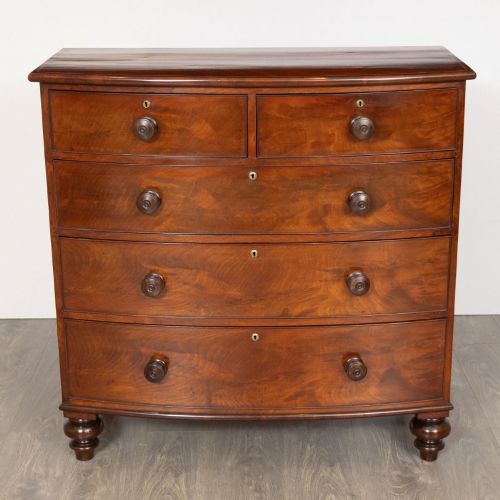
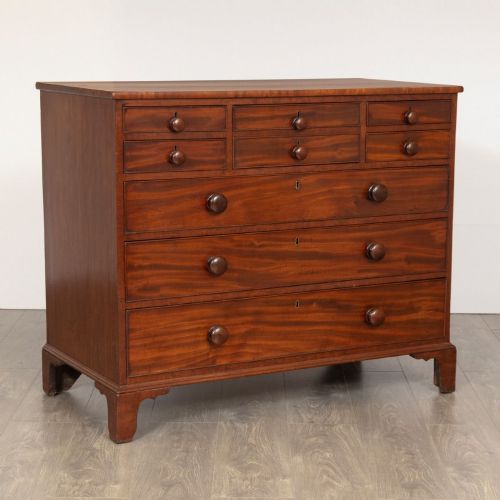
A mahogany storage commode takes the form of chest of drawers, side cabinets, and lidded storage boxes originating across the 18th, 19th, and early 20th centuries. Buyers searching this phrase encounter case furniture built for domestic storage, spanning plain linear carcases to sweeping serpentine and bow front shapes.
The most common versions met on this page are bow front and straight-front chests of drawers alongside compact storage boxes from the Georgian, Regency, and Victorian eras. These pieces serve as functional bedroom and living space storage, constructed primarily in solid mahogany and accented with decorative veneers.
Origins stretch from regional British workshops to cabinet makers such as Whytock & Reid, spanning George III, George IV, and Edwardian revivals. The inventory reflects a long tradition of utilitarian storage elevated by figured timbers and brass hardware.
Materials and Construction
Cabinet makers built these pieces using solid mahogany and secondary timbers like oak and pine for drawer linings and internal framing. Flame mahogany and satinwood veneers added decorative contrast, often applied as banding or crossbanding around drawer edges and top surfaces.
Joinery relied on hand-cut dovetails for drawer construction and sturdy mortise and tenon frames to support heavy timber carcases. Brass handles, escutcheons, and occasional bone inlay completed the hardware, secured to solid drawer fronts built to withstand daily use.
Listings include Georgian, Regency, and Victorian pieces constructed from solid mahogany, flame mahogany veneer, oak, satinwood, bone, and pine.
Distinctions in Quality
Quality rests in the selection of timber, visible in the choice of richly figured flame mahogany veneers and balanced grain matching across drawer fronts. Superior examples exhibit precise dovetail joinery and original brass hardware that sits flush and matches the period of the carcase.
The finesse of the silhouette dictates distinction, separating standard utility chests from finer serpentine or bow front pieces with crossbanded satinwood borders. Untouched drawer linings and crisp moulding details mark the upper tier of surviving examples.
Whytock & Reid
The Mahogany Storage Commode Glossary
- Bow Front
- A convex curved cabinet or chest front popular in the Georgian and Regency periods. This curved profile softens the corners of case furniture and showcases figured mahogany grain.
- Serpentine
- A wave-like front curving outward at the sides and inward in the centre. This complex shape requires skilled woodworking and marks finer cabinet work.
- Crossbanding
- A narrow strip of veneer laid perpendicular to the surrounding grain along the edges of a top or drawer front. Satinwood is frequently used for this contrasting border.
- Brushing Slide
- A pull-out wooden shelf integrated above the top drawers of a chest. It provided a clean surface for folding clothes or grooming in period bedchambers.
- Flame Mahogany
- Timber cut from the fork of the mahogany tree where branches join the trunk. This produces a dramatic, flickering flame-like pattern highly prized by cabinet makers.
Mahogany Storage Commode: Frequently Asked Questions
What is a mahogany storage commode used for?
These pieces provide substantial storage for clothing, linens, and personal items within deep drawers or lidded box compartments.
Historically placed in bedchambers and dressing rooms, they continue to serve primary storage needs in modern domestic interiors.
How do I tell a Georgian chest from a Victorian one?
Georgian pieces often feature cleaner proportions, restrained brass hardware, and subtle bracket or splayed feet dating from the eighteenth century.
Victorian examples tend to display heavier carcases, darker finishes, and bolder mahogany veneer selections developed during the mid-nineteenth century.
Are these pieces made of solid mahogany?
Primary surfaces and structural frames utilise solid mahogany timber, supplemented by secondary woods like oak and pine for drawer boxes and backs.
Decorative elements frequently incorporate flame mahogany or satinwood veneers applied over stable underlying construction timbers.
How do I care for antique mahogany furniture?
Keep wooden surfaces away from direct sunlight and consistent heat sources to prevent timber shrinkage and veneer lifting.
Apply traditional wax polishes sparingly and buff gently with a soft cloth to maintain the natural lustre of the aged mahogany finish.